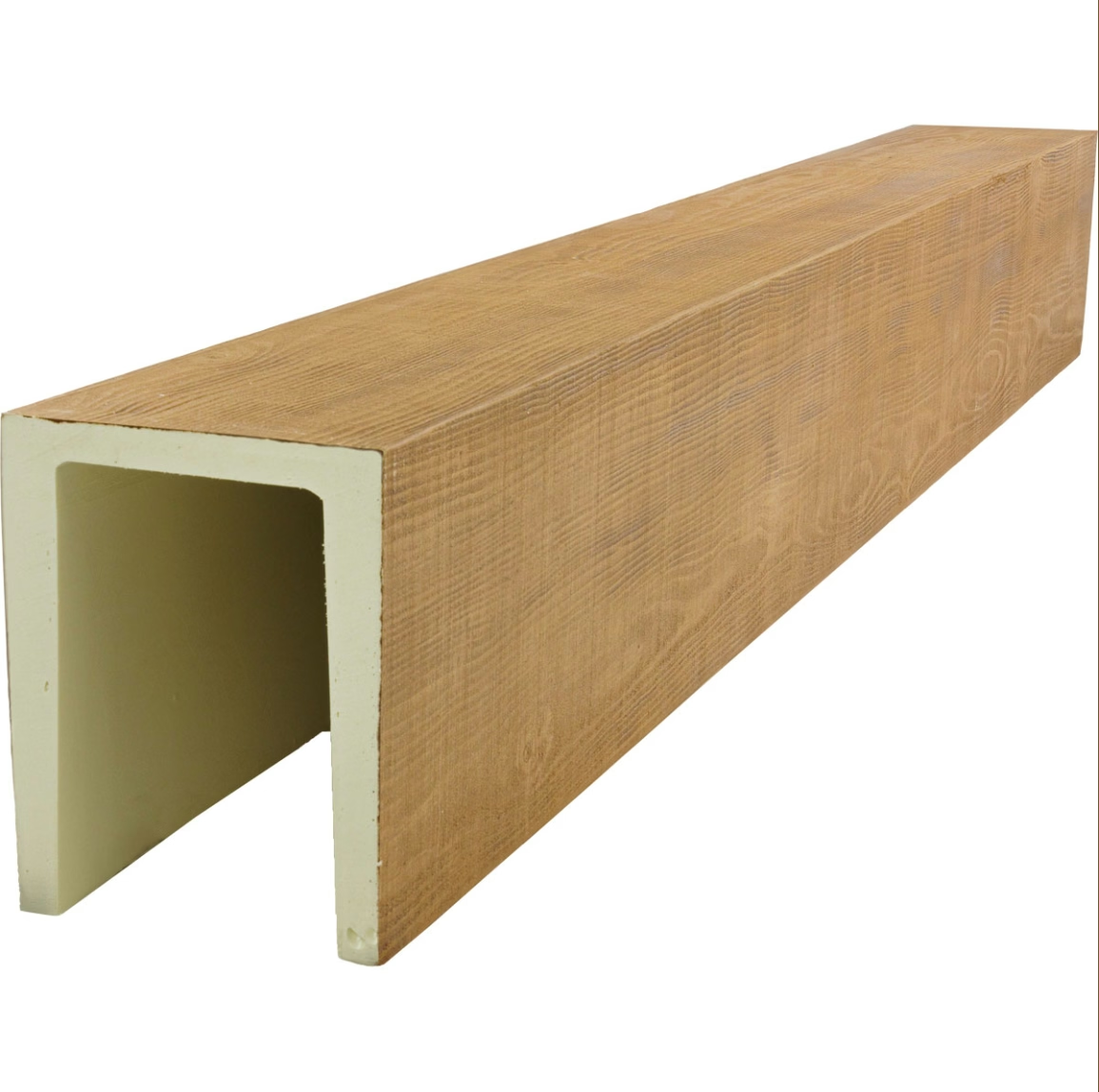
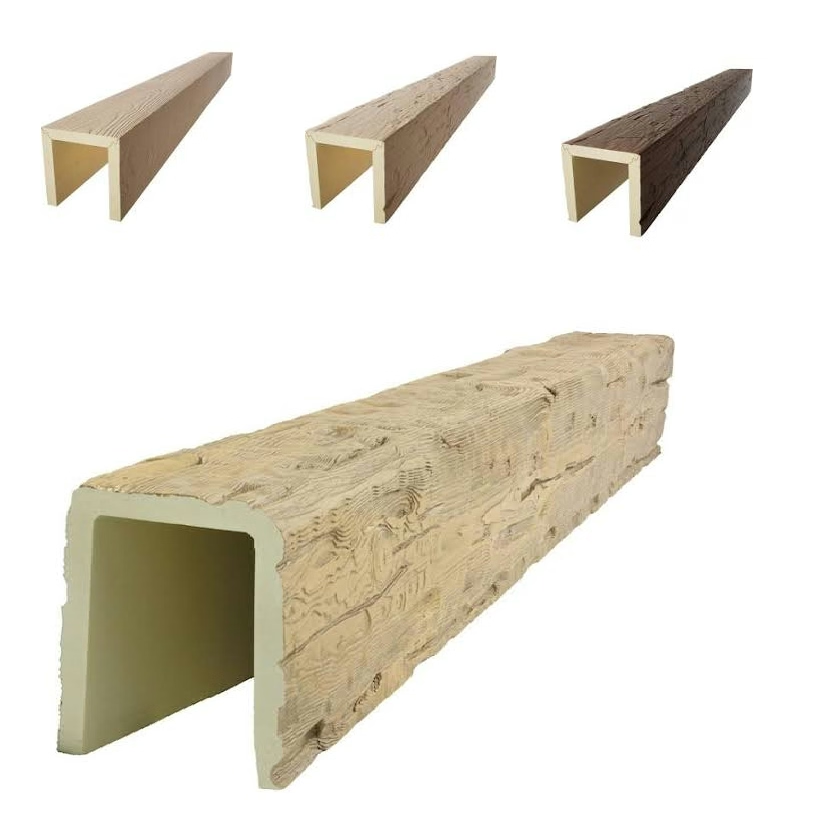
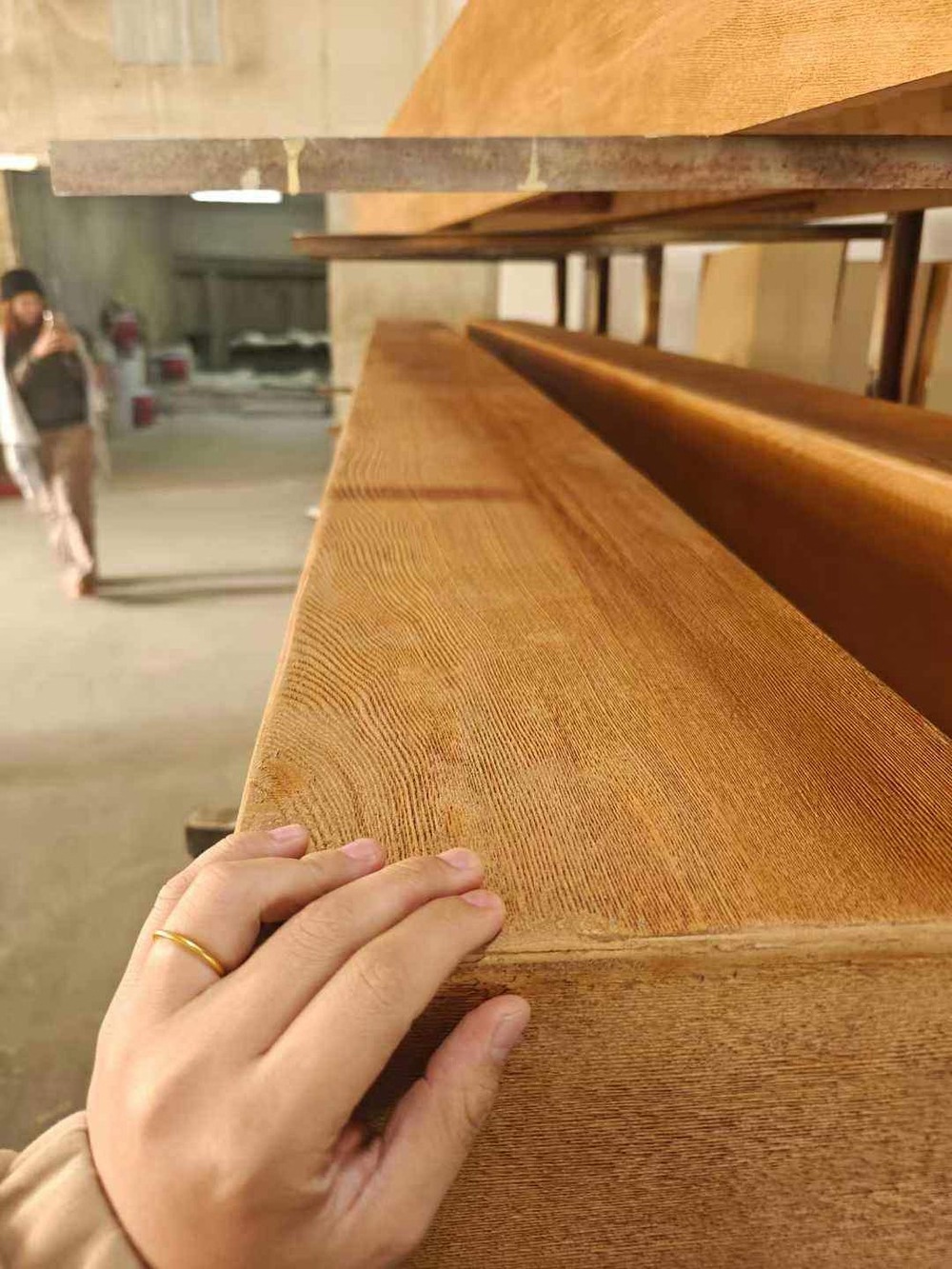
When observers cannot distinguish faux wood from genuine timber without tactile confirmation or close inspection, the goal of realistic replication has been achieved. This threshold, once considered impossibly ambitious, is now routine for premium polyurethane beam manufacturers who have mastered the combination of texture, color, and form that defines authentic wood appearance. The journey to this level of realism required addressing each element systematically while understanding how they interact visually.
Surface texture provides the foundation for realistic appearance, as wood's characteristic feel beneath fingertips distinguishes it from smooth plastics or uniform surfaces. This texture operates at multiple scales simultaneously, from the obvious grain lines visible across the board to the microscopic cellular structure that creates wood's distinctive tactile quality. Capturing all these texture levels convincingly requires sophisticated manufacturing technology and careful attention to detail at every production stage.
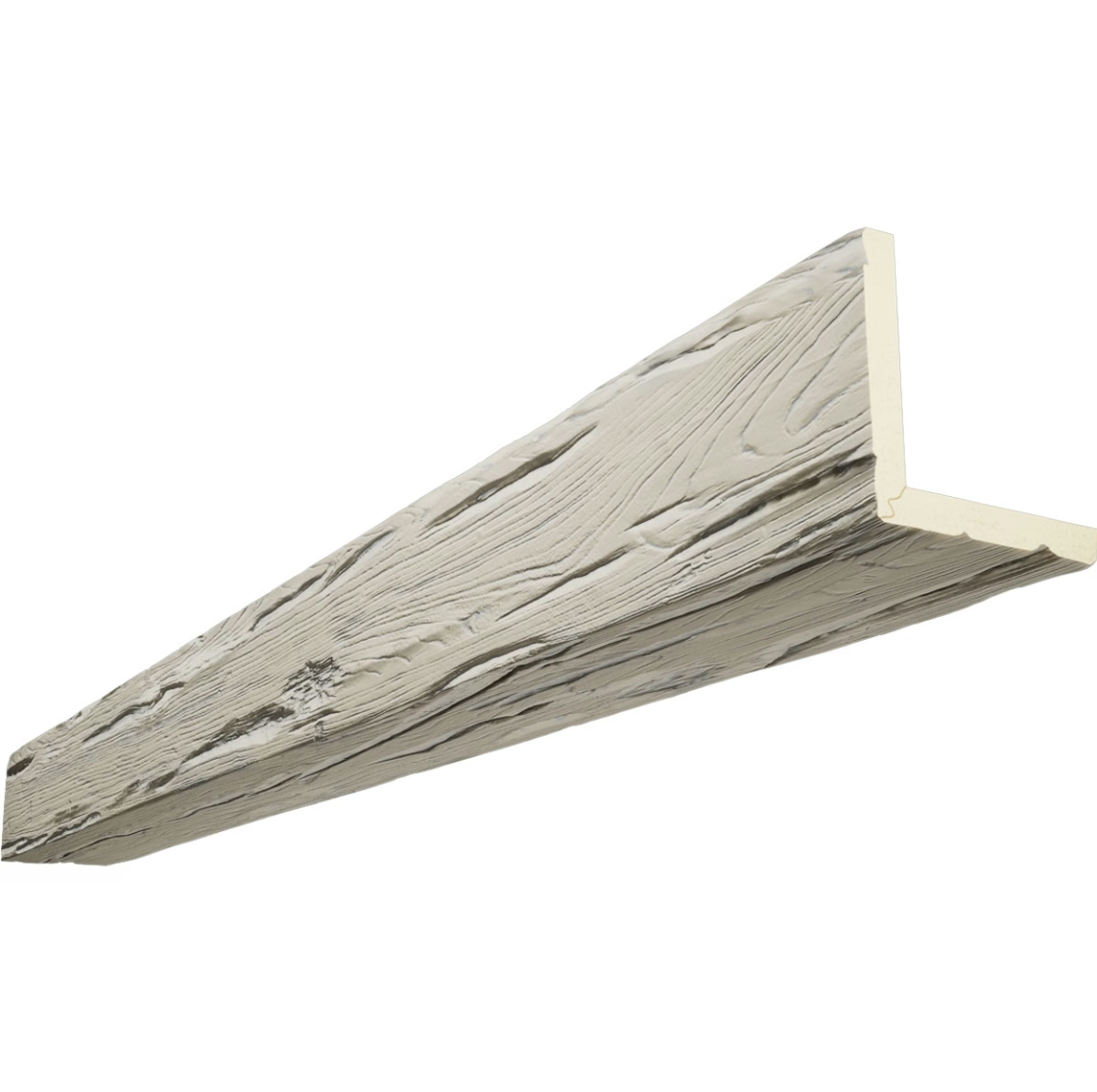
Modern casting techniques using high-definition silicone molds capture wood surface features at resolutions approaching photographic accuracy. These molds record not just the obvious grain patterns but also the subtle variations in surface smoothness, the raised edges of annual ring boundaries, and the compressed areas surrounding knots. The resulting polyurethane surfaces feel authentically wooden even before any finish treatment is applied.
Multi-Scale Texture Development
The perception of wood texture depends on features operating at different scales that our eyes and fingers perceive distinctly. Large-scale features including overall grain direction, wide grain spacing, and prominent knots are visible across rooms and affect the general impression of wood character. Medium-scale features including individual grain lines, ray flecks, and earlywood/latewood differentiation become apparent at closer viewing distances. Fine-scale features including surface roughness variations and cellular texture reveal themselves only upon close inspection or touch.
Quality polyurethane beams address all these texture scales through careful mold creation and production control. The mold surface must capture fine details without introducing artifacts from the mold-making process itself. Production techniques must fill mold details completely without trapping air or creating surface imperfections that would distract from the intended wood texture.
The interaction between texture scales affects overall perception significantly. Large-scale features alone would appear stylized rather than realistic, while fine-scale details alone would create confusion about what material is being represented. The combination of all scales working together creates the seamless authenticity that observers experience as natural wood.
Authentic Grain Reproduction
Wood grain patterns derive from the growth structure of trees, with different species producing characteristic patterns that allow identification even by relatively untrained observers. Understanding these growth patterns informs the mold creation process that reproduces them in polyurethane. The parallel lines of straight-grained wood, the irregular figures of birds-eye maple, and the dramatic patterns of figured woods all require specific approaches that capture their essential characteristics.
Grain density variation across beam surfaces contributes to authentic appearance more than many observers realize. Natural wood does not maintain perfectly consistent grain spacing throughout, with variations occurring in response to growth rate changes, branching events, and environmental influences during the tree's life. Reproduction that maintains mathematical consistency appears artificial because natural wood never achieves such uniformity.
The depth relationship between grain lines and surrounding wood tissue affects both visual and tactile authenticity. In natural wood, grain lines represent the boundaries between annual growth layers, creating slight depressions or raised areas depending on species and surface preparation. This dimensional aspect of grain must be reproduced in polyurethane to achieve full authenticity, as flat grain lines lack the dimensionality that distinguishes wood from printed reproductions.
Knot Character and Placement
Knots present particular reproduction challenges because they involve complex grain distortion extending beyond the knot itself into surrounding wood tissue. The whorled grain patterns, darkened coloration, and cracked surfaces that characterize knots must be reproduced consistently while avoiding the appearance of repetitive pattern that manufacturing might introduce. Quality manufacturers create multiple knot variations that can be positioned differently in different beams.
The transition between knot grain patterns and surrounding normal grain requires careful reproduction to maintain authenticity. In natural wood, this transition occurs gradually, with grain lines bending progressively around the knot rather than abruptly changing direction. This gradual transition creates the authentic appearance that abrupt changes would destroy.
Knot size and frequency affect the overall character of beam appearance significantly. Some design styles prefer minimal knotting with clean, uniform surfaces. Others embrace abundant knotting that suggests rustic character or weathered authenticity. Manufacturers responding to these preferences offer product lines optimized for different aesthetic directions.
Weathering and Aging Effects
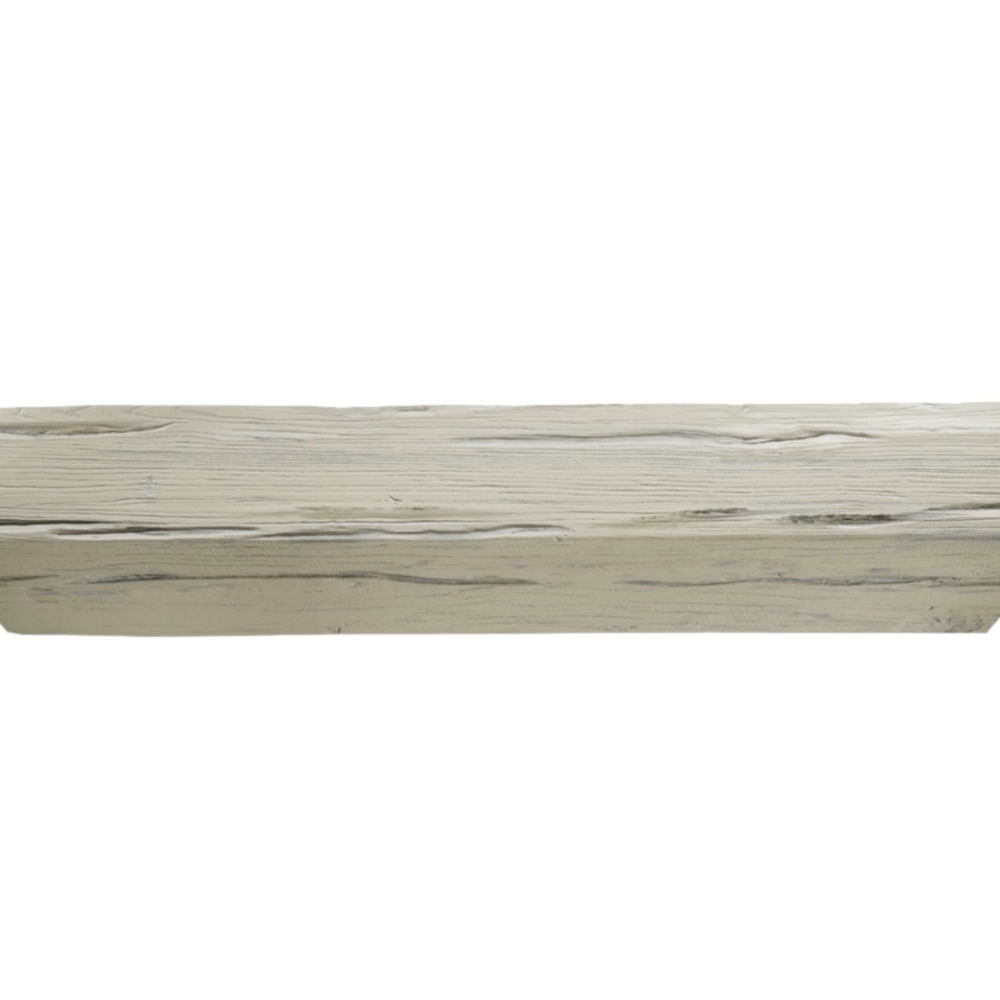
Surface weathering creates texture features that distinguish aged wood from fresh material, with different weathering types producing different visual effects. UV exposure creates surface checking and color change without significant material loss. Water exposure creates different patterns of erosion and staining. Mechanical wear creates smoothing in high-touch areas contrasting with preserved texture in protected zones.
Premium polyurethane beams reproduce these weathering patterns through specialized manufacturing processes that capture authentic aging features. Rather than simply coloring surfaces to suggest age, these processes create the dimensional texture variations that genuine weathering produces. The result is appearance that withstands scrutiny from observers who know weathered wood intimately.
The intentionality of weathering reproduction affects its authenticity. Random weathering patterns appear natural because they resulted from random environmental factors during the wood's service life. Reproduction that introduces too much order or pattern reveals its artificial origins. Quality manufacturers study natural weathering extensively to understand the patterns that should be reproduced.
Finish Integration with Texture
Surface finish interacts with texture to create the final visual effect that observers perceive. The same textured surface will appear different with matte versus gloss finishes, as the finish alters how light interacts with surface contours. Premium manufacturers optimize finish formulations for each texture type, ensuring that the visual effect matches the authentic wood being reproduced.
Penetrating finishes that soak into wood texture create different effects than film-forming finishes that coat the surface. In natural wood, the finish choice affects both appearance and maintenance requirements. For polyurethane reproduction, finish type choice affects both visual authenticity and long-term performance characteristics.
The thickness of applied finish affects texture reproduction, with heavier finishes potentially filling fine texture details that contribute to authentic appearance. Quality finish application techniques apply thin, even coats that preserve texture while providing adequate protection. This balance requires both appropriate product selection and skilled application technique.
Quality Verification
Verifying texture quality requires both visual inspection and tactile assessment. Visual inspection examines grain patterns, knot reproduction, and weathering effects for natural variation and authentic character. Tactile assessment confirms that surface texture feels authentically wooden rather than plasticky or artificial. Both assessments should occur under appropriate lighting conditions that reveal texture clearly.
Comparative testing against reference samples ensures consistency between production runs and batches. These references, typically derived from the original master samples, establish the quality standard against which production items are evaluated. Any significant deviation triggers investigation and potential process adjustments.
Durability testing confirms that textured surfaces maintain their appearance through handling, installation, and service. Abrasion resistance, impact resistance, and cleaning compatibility all affect whether texture details remain intact over time. Quality manufacturers test these characteristics thoroughly before offering products for sale.
Specification Considerations
Texture specification should consider both aesthetic goals and practical requirements. Heavier textures provide more visual impact but may accumulate dust more readily in some applications. Fine textures provide subtlety that some design styles prefer but may be less dramatic from typical viewing distances. Understanding these trade-offs helps specify appropriately for each application.
Maintenance requirements vary by texture type and finish combination. Some textures clean readily with routine dusting, while others benefit from occasional more thorough cleaning. Understanding maintenance needs helps set appropriate expectations and ensures that selected products match the maintenance capacity available.
Environmental considerations including UV exposure, humidity variation, and temperature extremes should inform texture and finish selection. Products rated for interior use may not perform adequately in exterior applications or high-humidity environments. Matching product capabilities to application requirements ensures satisfactory long-term performance.
Technical References
ASTM standards cited in every specification
Test Data
Lab results from internal testing program
Updated 2026
Reviewed against current product specs