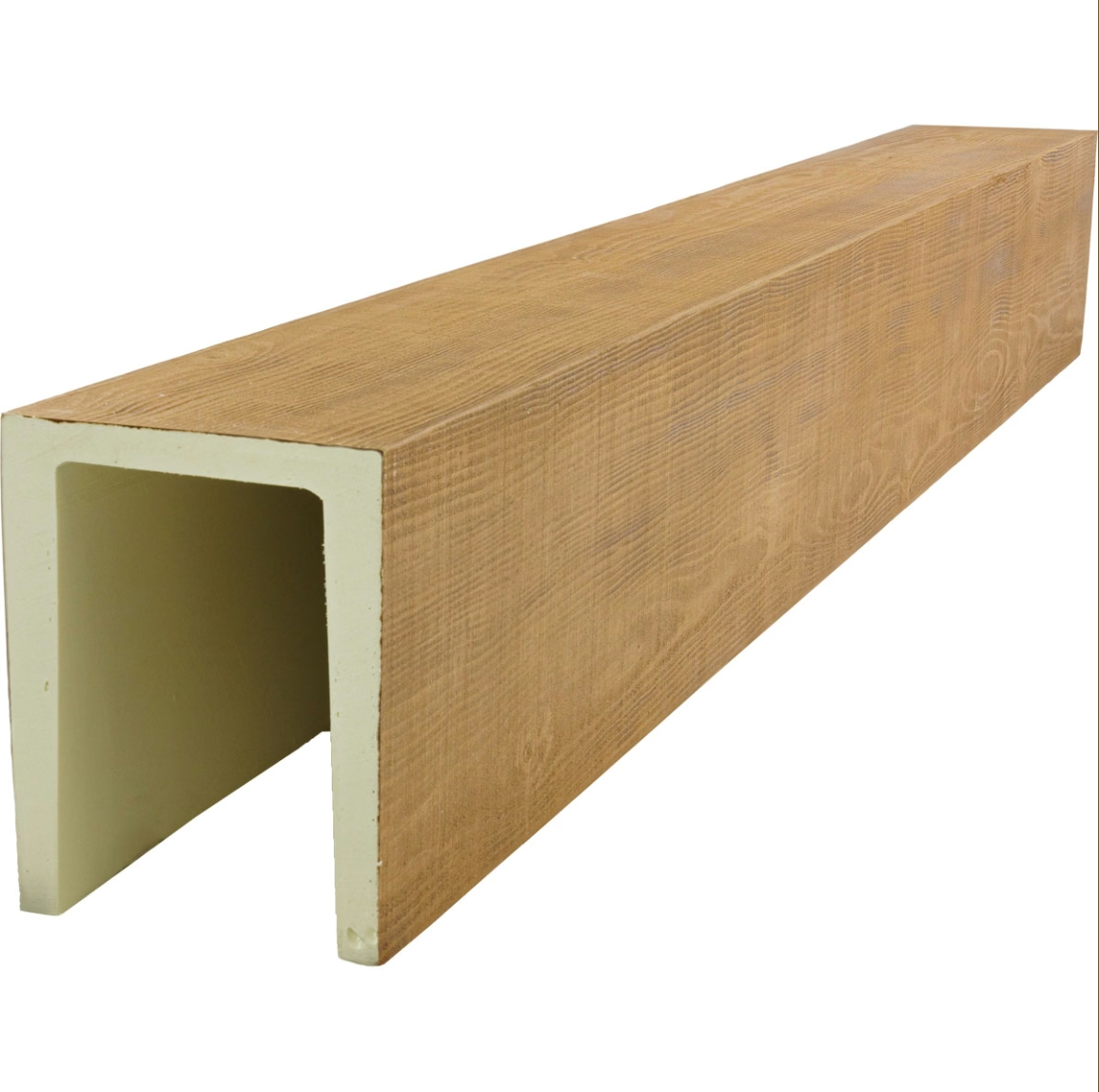
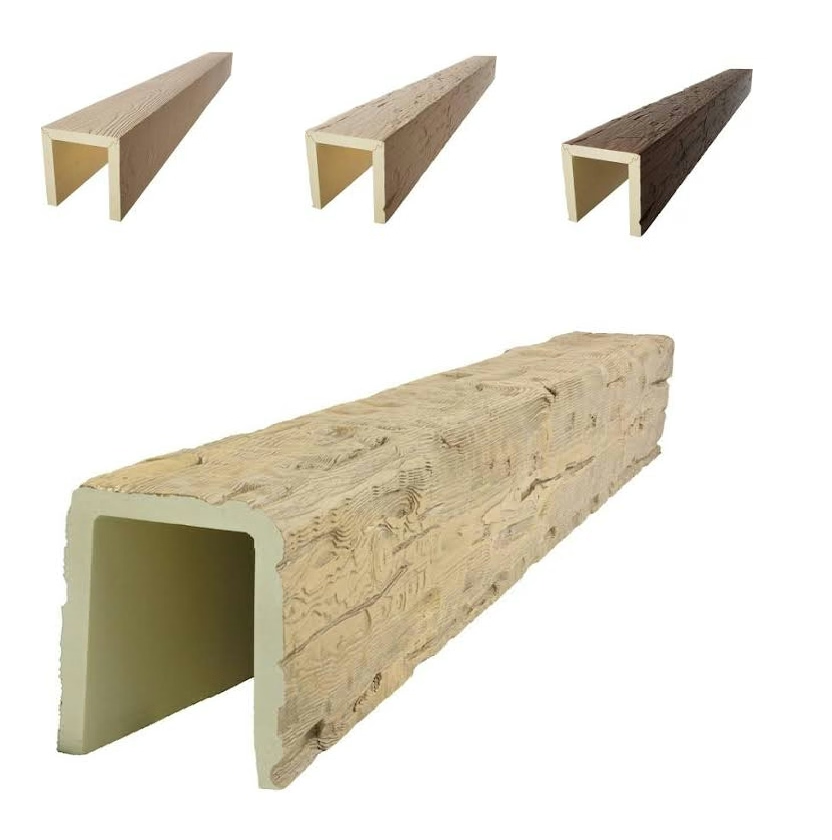
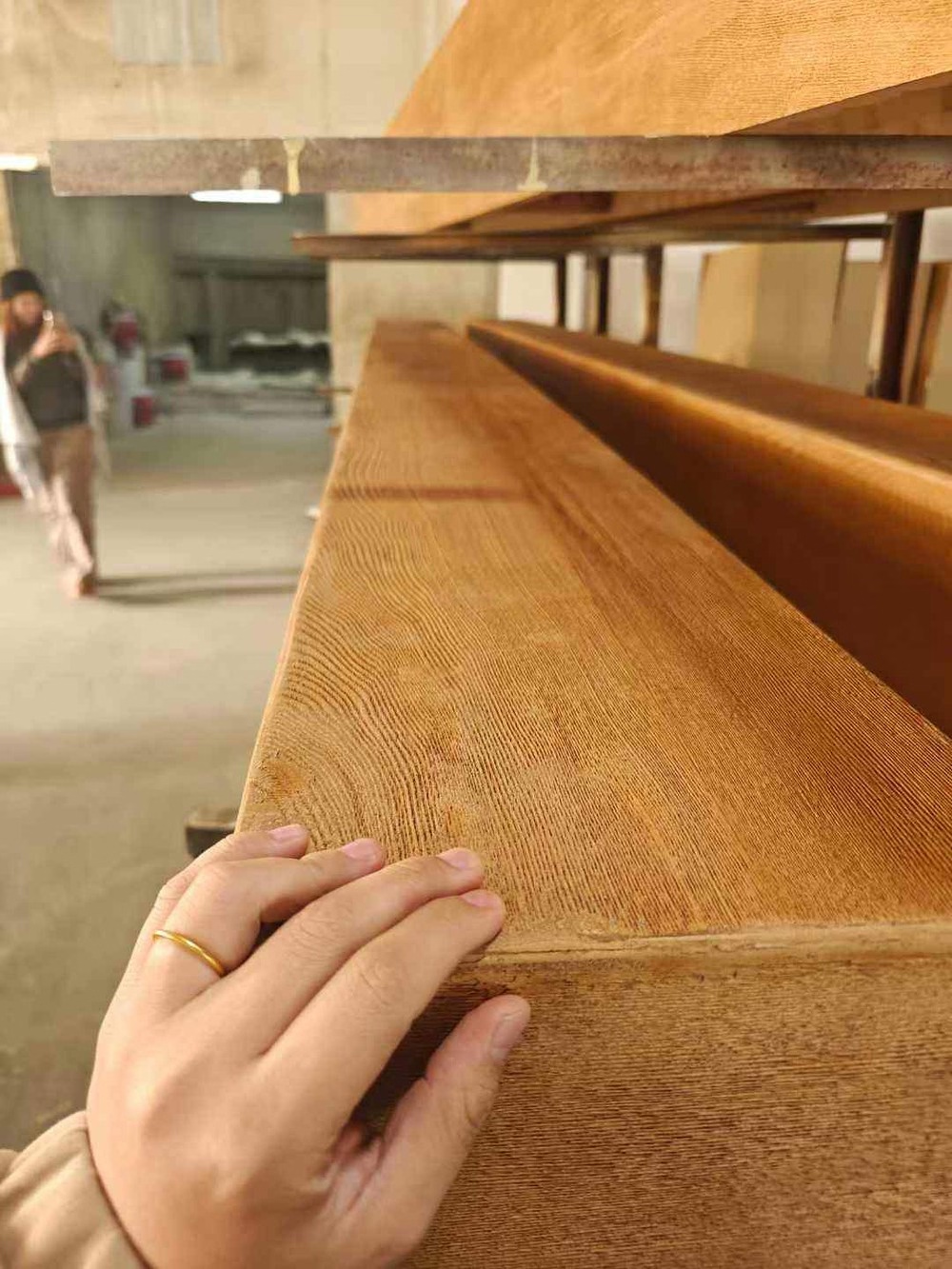
The market for ceiling beams has evolved dramatically from the "fake beams" of previous generations. Today's premium polyurethane wood beams achieve appearances so convincing that distinguishing them from genuine timber requires close inspection and specialized knowledge. This realism represents significant engineering achievement—the combination of advanced materials, sophisticated texturing processes, and refined finishing techniques that capture the essential character of natural wood while eliminating its practical limitations.
For homeowners and designers undertaking ceiling renovation projects, this evolution creates new possibilities. The aesthetic barriers that once made faux beams a compromise choice have largely dissolved. What remains are the practical advantages—lightweight handling, simple installation, climate resistance—that make polyurethane beams increasingly attractive compared to solid timber alternatives.
The Technology Behind Realistic Appearance
Modern polyurethane beams achieve realism through multiple technologies that address different aspects of wood's visual character. Understanding these technologies explains why premium products succeed where budget alternatives fail.
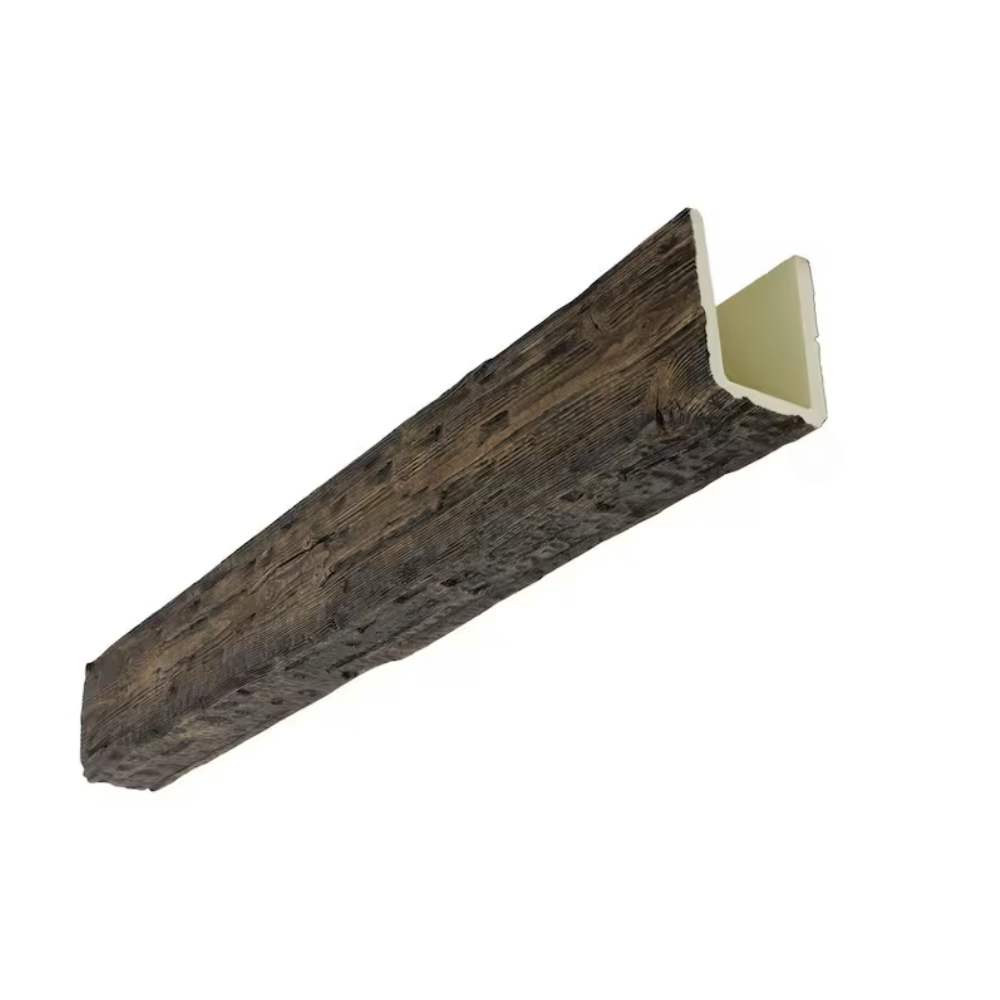
Surface texture replication forms the foundation of realistic appearance. Wood's surface isn't smooth—it features grain patterns, growth rings, subtle irregularities, and character marks that vary by species and individual piece. Premium manufacturers capture these textures using molds taken from actual timber samples, then cast polyurethane parts in those molds to reproduce the original texture faithfully. The resulting surfaces exhibit the organic variation that makes wood visually interesting rather than the mechanical repetition of low-quality imitations.
Grain pattern printing has evolved alongside texture technology. While early faux beams featured flat, uniform colors, premium products now incorporate detailed grain patterns printed directly onto beam surfaces. These patterns align with the underlying texture, creating the depth and complexity that characterize genuine timber. The combination of textured surface and coordinated grain pattern produces convincing results that withstand close inspection.
Finish integration ensures that appearances remain consistent through handling and installation. Premium polyurethane beams feature finishes that penetrate the surface rather than simply coating it, coloring the material throughout. This integration means that any nicks, cuts, or handling damage reveals the same color and texture as the original surface. The consistency prevents the tell-tale signs of imitation that appear when damage reveals different materials beneath.
Weight simulation contributes to realism in ways that users may not consciously notice. Premium polyurethane formulations create densities that feel similar to genuine timber of equivalent size—the beam has heft and presence that lighter foams lack. This weight provides installation feedback (secure mounting feels solid) and contributes to the impression of substantial, authentic construction.
Practical Advantages for Renovation Projects
The practical benefits of polyurethane beams extend beyond appearance to address the specific challenges that renovation projects face. These advantages explain why contractors and homeowners increasingly specify polyurethane over traditional timber alternatives.
Weight reduction transforms what's possible in renovation contexts. Ceiling structures that cannot support genuine timber beams often accommodate polyurethane equivalents without structural modification. This accommodation eliminates the engineering consultation, structural work, and associated costs that genuine timber installations might require. In older homes with questionable ceiling structures, this weight advantage can mean the difference between including beams in the design and omitting them entirely.
Installation speed reduces labor costs and project disruption. Polyurethane beams install faster than timber alternatives because they require no structural calculation, no heavy lifting equipment, and no finishing work. A renovation that might extend over multiple days with timber beams can complete in a single day with polyurethane equivalents. This speed proves valuable for occupied homes where families want renovation disruption minimized.
Climate resistance eliminates the seasonal maintenance that genuine timber requires. Polyurethane doesn't expand and contract with humidity changes, doesn't require periodic refinishing, and doesn't develop the gaps and cracks that affect timber over time. For renovation projects in regions with variable climates, this resistance simplifies long-term maintenance and ensures that renovation results remain stable indefinitely.
Moisture resistance addresses specific renovation challenges in kitchens, bathrooms, and basements. Genuine timber beams perform poorly in these environments, where humidity and occasional moisture create rot and mold risks. Polyurethane beams tolerate these conditions without degradation, enabling beam installations in spaces where timber would be impractical or require expensive moisture treatment.
Species and Style Options
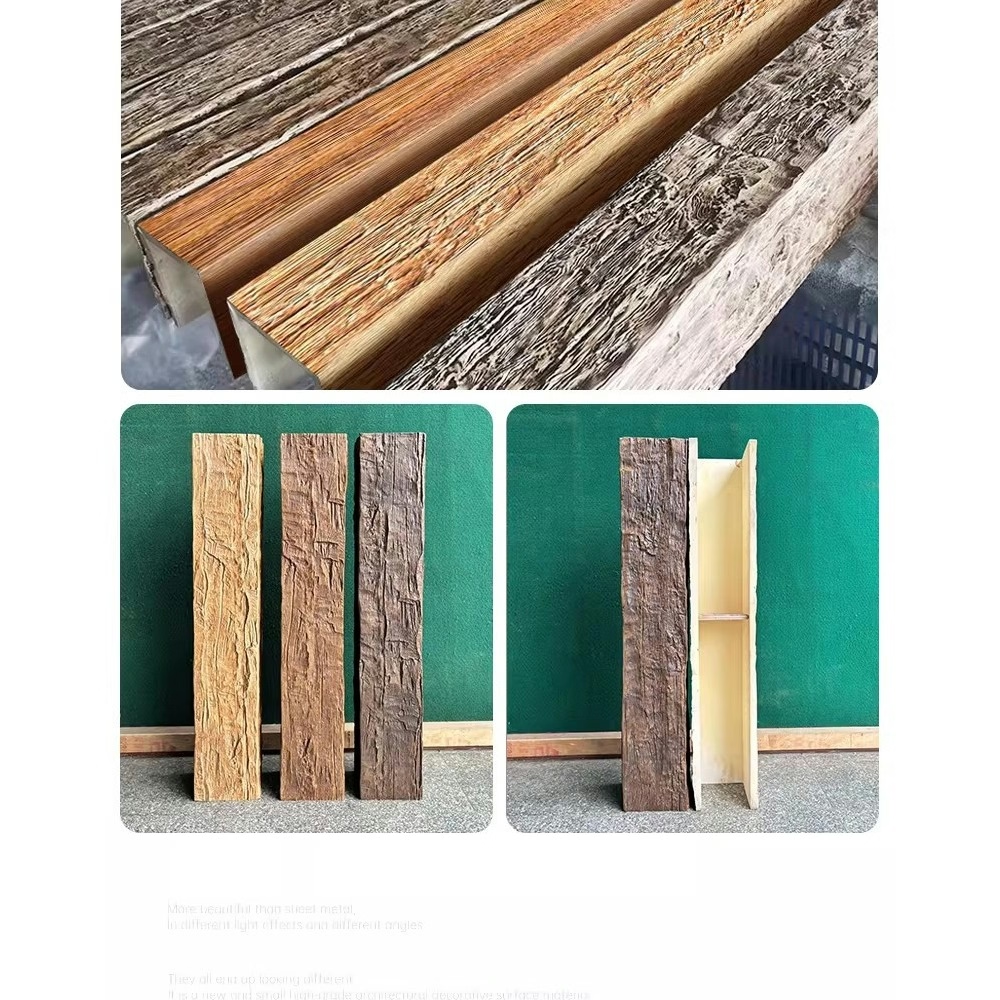
Premium polyurethane beam manufacturers offer extensive options that enable matching to any design intent. These options span species appearances, beam profiles, and finish treatments that together create the authentic character of genuine timber.
Species options typically include the most popular wood types used in architectural applications. Oak finishes—ranging from pale European white oak through warm honey tones to rich amber—provide versatile options that complement traditional and contemporary interiors alike. Walnut appearances offer deeper, more dramatic aesthetics suitable for luxury applications. Pine and fir options support rustic and farmhouse aesthetics with lighter colors and prominent grain patterns.
Distressed and reclaimed wood appearances have gained popularity as sustainable design values have influenced material selection. These finishes simulate the character of salvaged timber, featuring weathering, saw marks, and color variations that suggest age and prior use. The ability to achieve reclaimed aesthetics without actually harvesting vintage timber aligns with environmental values while delivering the desired appearance.
Beam profiles range from simple, clean shapes appropriate for contemporary applications through ornate, traditional profiles that reference historical architectural traditions. The profile determines much of the beam's visual character—simple beams read as modern interpretations while ornate profiles suggest classical heritage. Premium manufacturers offer extensive profile libraries that support diverse design approaches.
Finish treatments extend beyond simple color to include techniques like liming, whitewashing, and pickling that create specific visual effects. These treatments add complexity and visual interest to beam surfaces while maintaining the realistic wood appearance that characterizes premium products. The treatment options enable designers to achieve specific aesthetics that pure color selection cannot create.
Installation Techniques That Preserve Realism
Achieving convincing realism requires installation techniques that maintain the appearance of solid, authentic construction. The details that separate professional installations from amateur work determine whether beams read as genuine or obviously fake.
Joint treatment deserves particular attention. Where beams meet at corners, proper miter cuts create clean transitions that mimic traditional timber joinery. Poorly executed joints—visible gaps, mismatched angles, obvious seams—betray the installation as fake regardless of how realistic individual beams appear. Professional installers understand that joint quality determines overall realism.
Attachment concealment ensures that no hardware interrupts the beam appearance. Construction adhesive eliminates visible fasteners for many installations. Where mechanical attachment is required, predrilling and color-matched putty create hidden connections. The goal is installations where beams appear to float or rest naturally without visible support.
Proportion relationship to surrounding elements affects perceived authenticity. Beams that are too small for a space look like decorative trim rather than structural elements. Beams that are oversized create comical rather than dramatic impressions. Professional installation considers ceiling height, room dimensions, and adjacent elements when selecting beam sizes.
Lighting interaction contributes to realistic appearance in ways that casual observers may not consciously notice. Premium polyurethane textures respond to light similarly to genuine timber, creating highlights and shadows that vary throughout the day. Installations positioned to catch natural light create the dimensional interest that characterizes authentic timber construction.
The realistic appearance of premium polyurethane wood beams represents a mature technology that delivers genuine aesthetic value. For ceiling renovation projects where authentic timber appearance is desired but practical limitations make solid timber impractical, these products provide solutions that satisfy both aesthetic and practical requirements.
Technical References
ASTM standards cited in every specification
Test Data
Lab results from internal testing program
Updated 2026
Reviewed against current product specs