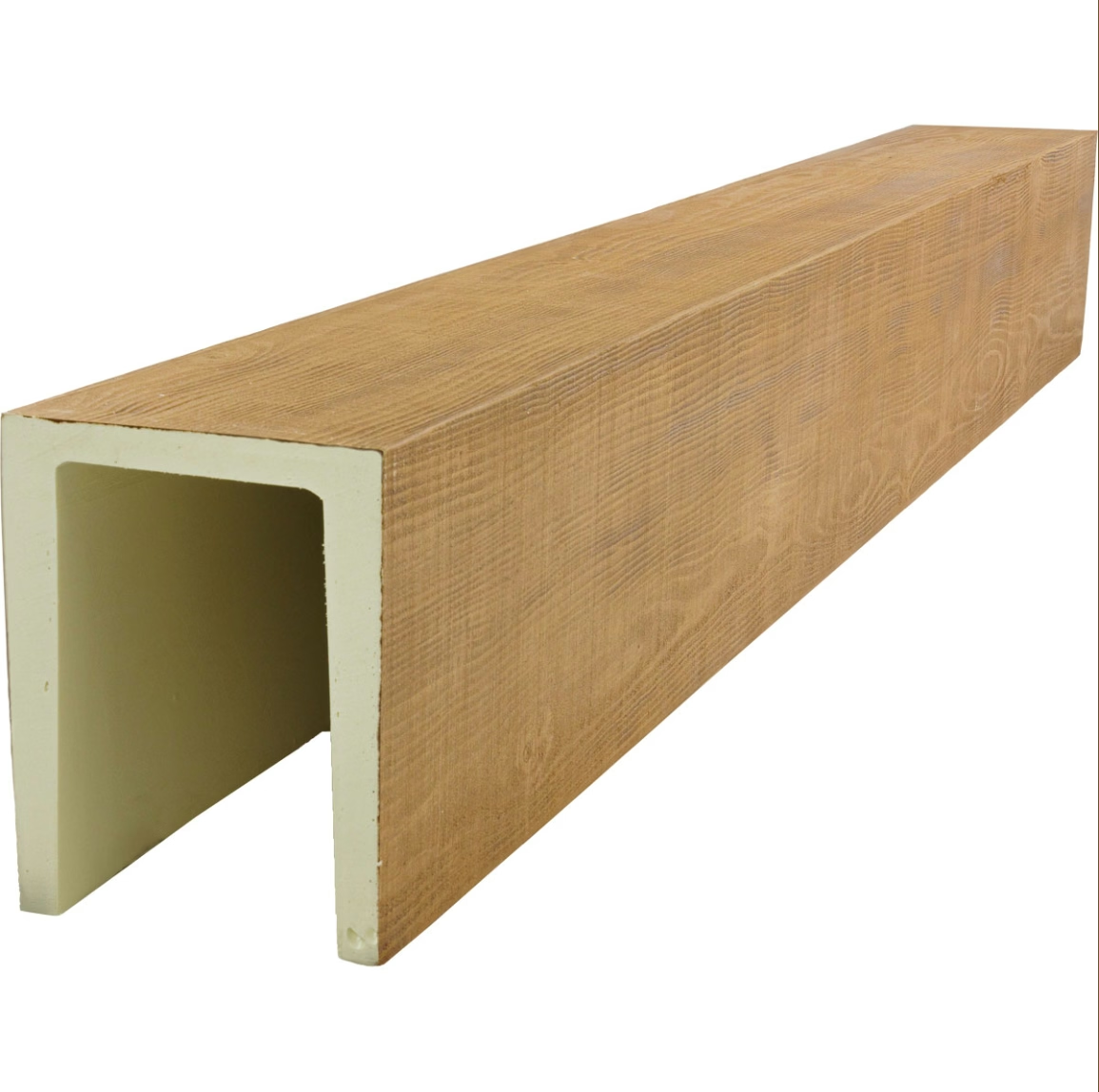
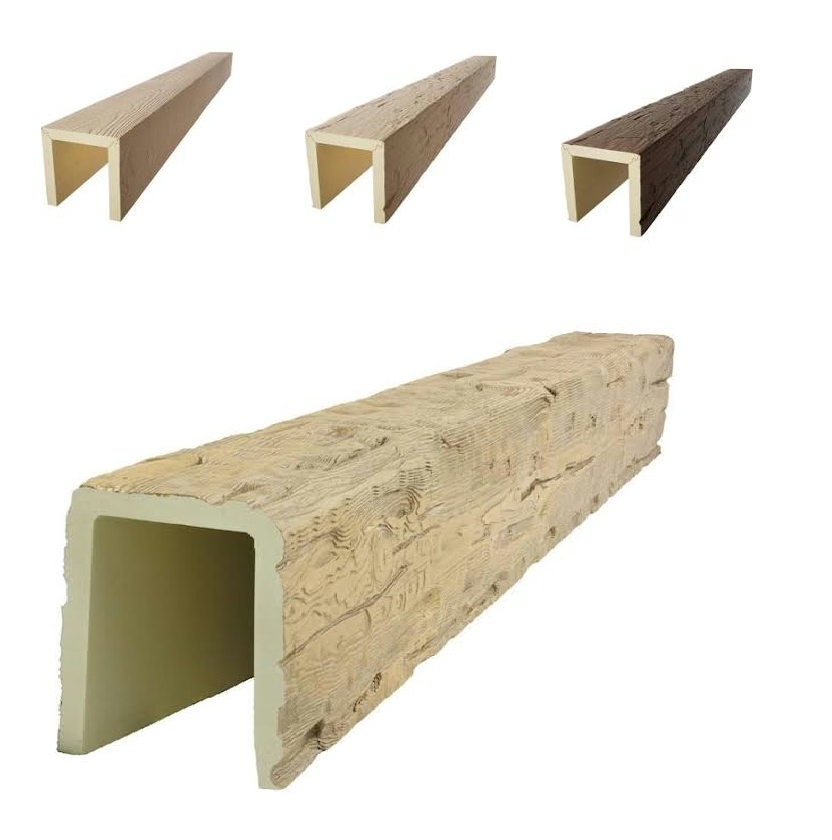
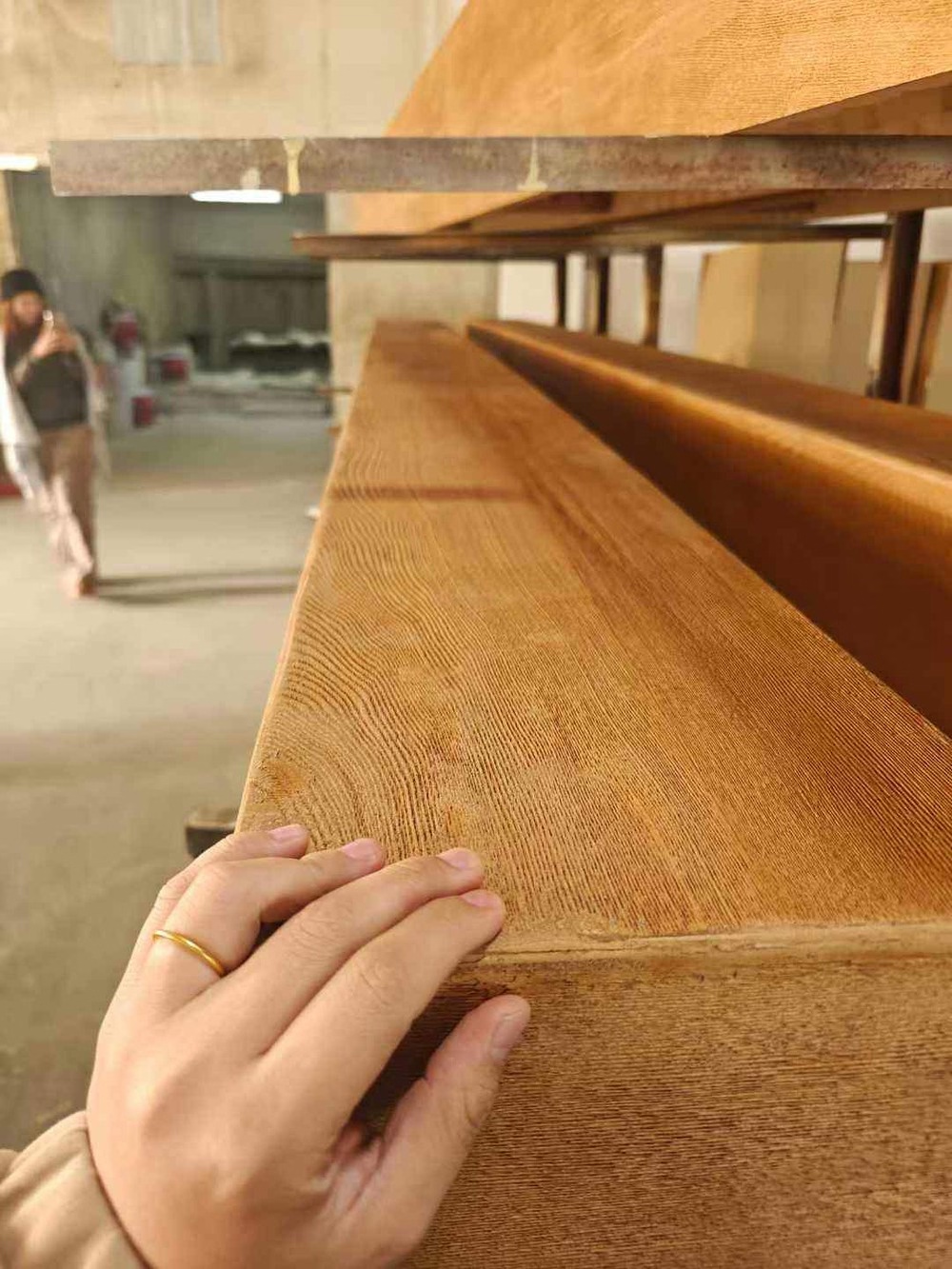
The ceiling beam section at Home Depot presents an array of options that might seem convenient for weekend renovation projects. These consumer-grade products occupy accessible shelf space, carry recognizable brand names, and carry price points that appear attractive for budget-conscious buyers. However, the convenience of big box retail comes with trade-offs that serious renovation projects should understand before committing to consumer-grade materials.
Premium faux beams represent an alternative that serves different priorities: authentic appearance, lasting quality, and the professional performance that distinguishes crafted products from mass-market commodities. Understanding the differences between these categories helps renovation decision-makers select materials that serve their actual needs rather than merely their immediate convenience.
Understanding Consumer Retail Limitations
Big box retail serves important functions in the material supply ecosystem, but consumer-grade products come with inherent limitations that renovation professionals and discerning homeowners should recognize.
Quality tier positioning means that Home Depot and similar retailers stock products designed for the mass market rather than professional applications. These products meet basic functional requirements but don't deliver the refined appearance, enhanced durability, or specification options that demanding projects require. The lower price points reflect these lower specifications rather than simple competitive pricing.
Finish quality in consumer products typically involves surface coatings rather than integrated finishing systems. These coatings may appear adequate initially but can show wear, chip, and fade more readily than premium alternatives. The finishing limitations that consumer products exhibit become apparent over time as installations age and quality differences become visible.
Profile variety in consumer retail tends toward standard dimensions and simple shapes that serve common applications. Projects requiring unusual specifications, custom finishes, or specialized profiles may find that retail options don't accommodate their requirements. Premium manufacturers offer extended product lines that serve diverse specification needs.
Consistency challenges affect products manufactured for volume retail distribution. Consumer products may exhibit variation between production batches that would be unacceptable in professional applications. This variation can create appearance inconsistencies across extended installations or between replacement pieces.
Premium Advantages for Serious Renovation
Premium faux beams deliver advantages that justify the additional investment serious renovation projects require. These advantages span appearance, performance, and long-term value that consumer products cannot match.
Authentic appearance distinguishes premium from consumer alternatives. The manufacturing processes that premium manufacturers employ create surface textures and finish integration that convincingly replicate genuine timber. Consumer products often exhibit the "plastic" or "foam" appearance that betrays their synthetic nature upon close inspection. Premium beams withstand scrutiny that consumer products cannot survive.
Finish durability ensures that premium installations maintain their appearance over years of service. Deep-penetration finishing systems, UV-resistant formulations, and quality control processes that premium manufacturers employ create finishes that resist the wear, fading, and damage that diminishes consumer products. This durability supports the investment that ceiling renovation represents.
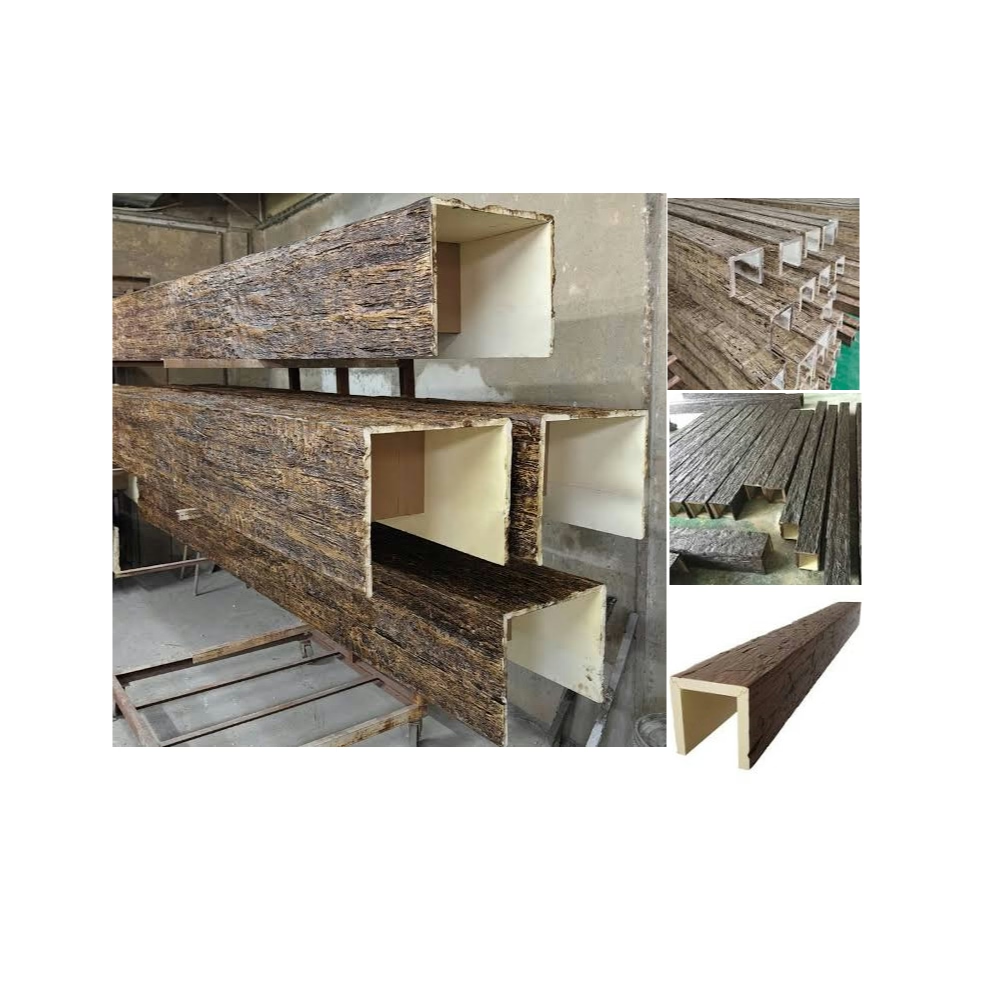
Dimensional precision enables the clean installation that professional results require. Premium manufacturing maintains tight tolerances that ensure beams fit precisely, join cleanly, and install without the gaps, variations, or fitting challenges that lesser products create. This precision simplifies installation while ensuring professional-quality outcomes.
Customization capabilities address specification requirements that consumer products cannot satisfy. Premium manufacturers offer custom finishing, non-standard dimensions, and specialized profiles that serve unique project requirements. These capabilities enable specification that precisely matches design intentions rather than accepting whatever retail options happen to be available.
Total Cost Comparison
Honest cost comparison requires considering total expenditure rather than merely initial purchase price. When all cost factors are included, premium faux beams often prove more economical than consumer alternatives despite higher initial pricing.
Initial material cost for premium beams typically exceeds consumer product pricing. This differential reflects the higher quality materials, refined manufacturing processes, and quality control systems that premium products require. Buyers focused solely on initial cost may prefer consumer alternatives.
Installation cost differential can favor premium products despite higher material pricing. The faster installation that premium beams enable—due to consistent dimensions, quality surfaces, and professional-grade design—reduces labor expenditure that may offset material cost differences. Additionally, the fewer callbacks and touch-ups that quality products require eliminate post-installation costs.
Maintenance costs over the product lifecycle favor premium materials significantly. Consumer products may require refinishing, repair, or replacement within years of installation, while premium beams maintain appearance for decades without attention. The maintenance costs that consumer products incur can far exceed the initial savings they provide.
Replacement and refresh costs affect total expenditure over time. Renovation projects that will see future updates benefit from premium materials that won't require replacement during update cycles. The extended service life that premium products provide eliminates replacement costs that consumer products might incur.
Finding Premium Alternatives
Accessing premium faux beams requires understanding where these professional-grade products are available. The distribution channels differ significantly from consumer retail.
Direct manufacturer relationships provide access to full product lines and customization capabilities. Premium manufacturers often sell directly to professional buyers and sophisticated homeowners who seek quality beyond retail offerings. These relationships enable specification consultation, custom production, and support that consumer retail cannot provide.
Specialty building material suppliers serve professional buyers and discerning clients who require quality beyond consumer products. These suppliers maintain extended product lines, carry samples for specification, and provide the consultation that premium product selection requires.
Trade professionals—contractors, designers, and architects—often maintain supplier relationships that provide access to premium products. Working with trade professionals connects renovation projects to premium materials that direct purchasers might not discover independently.
Online specialty suppliers have expanded access to premium faux beams for projects beyond traditional distribution markets. These suppliers offer full product information, samples, and consultation that enable informed selection regardless of geographic location.
The ceiling renovation decision ultimately involves weighing convenience against quality, initial cost against total value, and consumer products against premium alternatives. Projects that prioritize lasting results over immediate savings benefit from understanding what premium faux beams provide that consumer retail cannot match.

Technical References
ASTM standards cited in every specification
Test Data
Lab results from internal testing program
Updated 2026
Reviewed against current product specs