The market for faux wood beams has historically included products of widely varying quality, with polystyrene foam options representing the lowest tier of available alternatives. These economy products have earned their reputation through consistent performance failures that manifest within years of installation. As these products reach end-of-life across countless installations, property owners and contractors face decisions about replacement options. Premium high-density polyurethane faux beams provide the upgrade path that addresses every limitation of polystyrene predecessors.
Understanding the fundamental differences between polystyrene and polyurethane materials explains the performance gap that separates premium products from economy alternatives. These material distinctions translate directly to real-world performance differences that manifest throughout product service life.
Material Composition Comparison
Polystyrene and polyurethane represent fundamentally different polymer chemistries with correspondingly different performance characteristics. These differences begin at the molecular level and extend through every relevant property.
Polystyrene consists of styrene monomers polymerized into rigid, brittle chains that provide minimal structural resilience. This molecular structure creates the characteristic brittleness that makes polystyrene vulnerable to impact damage and thermal stress. The cellular structure of polystyrene foam amplifies these limitations through the thin cell walls that characterize expanded foam products.
Polyurethane forms flexible polymer networks through the reaction of diisocyanates with polyols, creating molecular structures that combine strength with flexibility. This molecular architecture provides the impact resistance and thermal stability that premium applications require. The closed-cell structure of high-density polyurethane foam further enhances these properties through superior cellular integrity.
The density differential between materials compounds the underlying chemical differences. Where premium polyurethane typically achieves densities exceeding five pounds per cubic foot, polystyrene foam rarely exceeds two pounds per cubic foot in beam applications. This density difference translates to proportional performance differences across virtually every relevant metric.
Durability and Service Life
The service life of ceiling beams determines their true cost of ownership, which often proves dramatically different from initial purchase prices. Polystyrene and polyurethane beams occupy opposite ends of the durability spectrum.
Polystyrene foam degrades progressively under typical service conditions. UV exposure causes surface chalking and embrittlement that compromise appearance and structural integrity. Thermal cycling creates stress that eventually produces cracking and surface failure. The cellular structure collapses gradually, reducing density and performance throughout the product life.
Premium polyurethane maintains its properties throughout extended service periods. UV-resistant formulations resist the photo-degradation that affects polystyrene, preserving both appearance and structural characteristics. Thermal stability prevents the cycling damage that compromises lesser materials. The closed-cell structure resists the compression and collapse that shortens polystyrene service life.
Warranty coverage reflects manufacturer confidence in these performance differences. Premium polyurethane products carry warranties of five years or longer, demonstrating expected service life measured in decades. Polystyrene products typically carry minimal or no warranty coverage, reflecting manufacturer uncertainty about longevity.

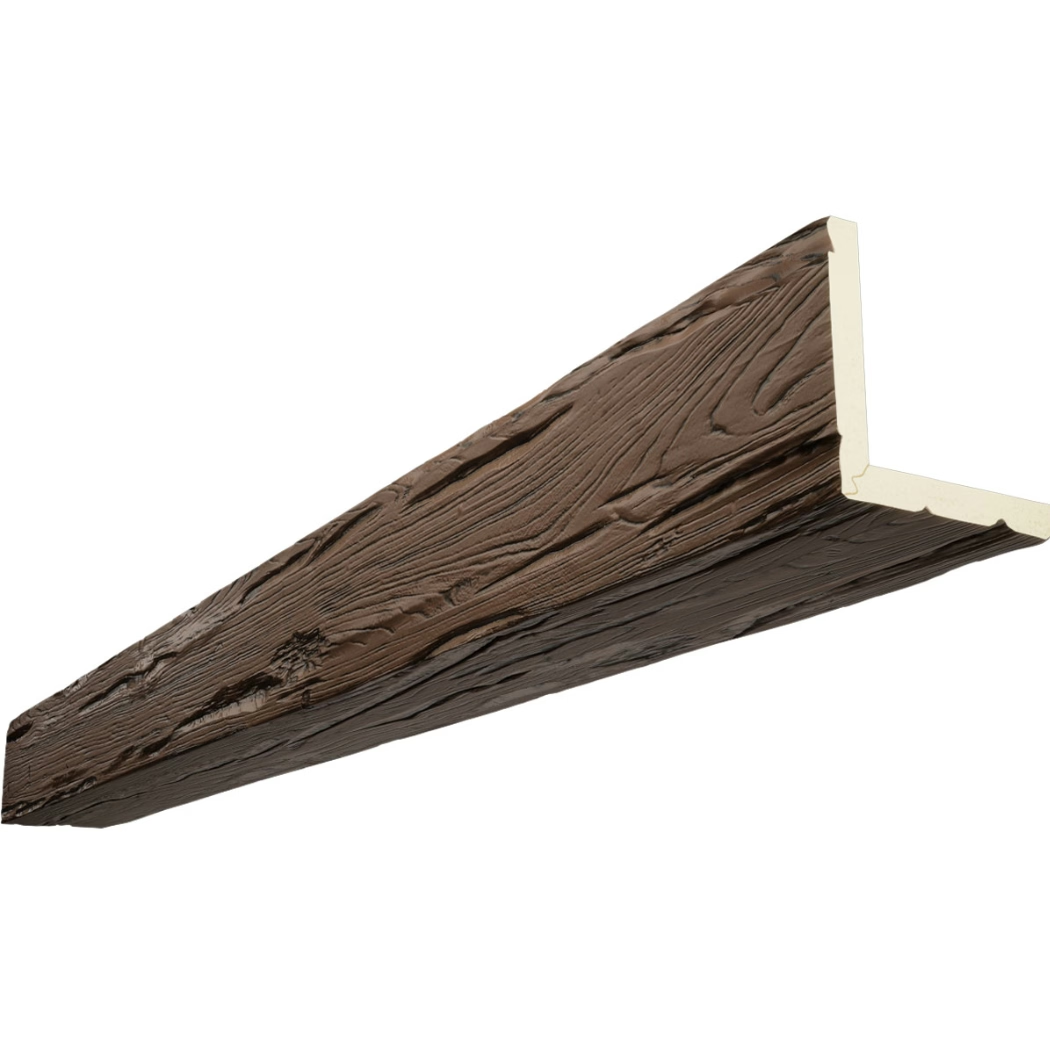
Appearance Quality Differences
Initial appearance of polystyrene beams may approach that of premium alternatives, but appearance retention differs dramatically over time. Surface quality in ceiling beams determines their contribution to interior aesthetics throughout service life.
Polystyrene surface treatments fail prematurely through several mechanisms. Paint applied to polystyrene surfaces flakes and peels as the substrate degrades beneath. The foam itself may yellow or chalk under UV exposure, creating visible deterioration even before physical failure occurs. Edge damage from handling and installation compounds these issues throughout the product life.
Premium polyurethane surfaces maintain appearance through factory-applied finishes designed for long-term performance. These finishes bond permanently to the substrate, eliminating the peeling and flaking that affects polystyrene. UV inhibitors in both finish and substrate prevent the discoloration that compromises polystyrene aesthetics.
The texture quality that enables authentic wood appearance differs substantially between materials. Polystyrene surfaces cannot accept the detailed texturing that premium polyurethane achieves, resulting in obviously artificial appearance that becomes more apparent over time. Premium products maintain realistic texture throughout service without the degradation that affects polystyrene.
Installation and Handling Characteristics
Installation experience varies dramatically between polystyrene and premium polyurethane beams, affecting both immediate results and long-term performance. These differences become apparent during construction and persist throughout service life.
Polystyrene brittleness creates handling challenges that affect installation quality and timeline. The material dents and chips easily during transport and installation, with damage often becoming apparent only after finishing. This vulnerability generates frustration and expense that premium materials avoid entirely.
Premium polyurethane tolerates normal handling without damage, maintaining pristine surfaces through installation processes that would compromise polystyrene products. The flexibility that the material provides absorbs impacts that would crack brittle alternatives, preserving appearance and structural integrity.
Fastener performance differs substantially between materials. Polystyrene cannot accept screws securely, with threads stripping under load and creating mounting failures that may develop years after installation. Premium polyurethane provides secure fastener engagement that maintains mounting integrity throughout service life.
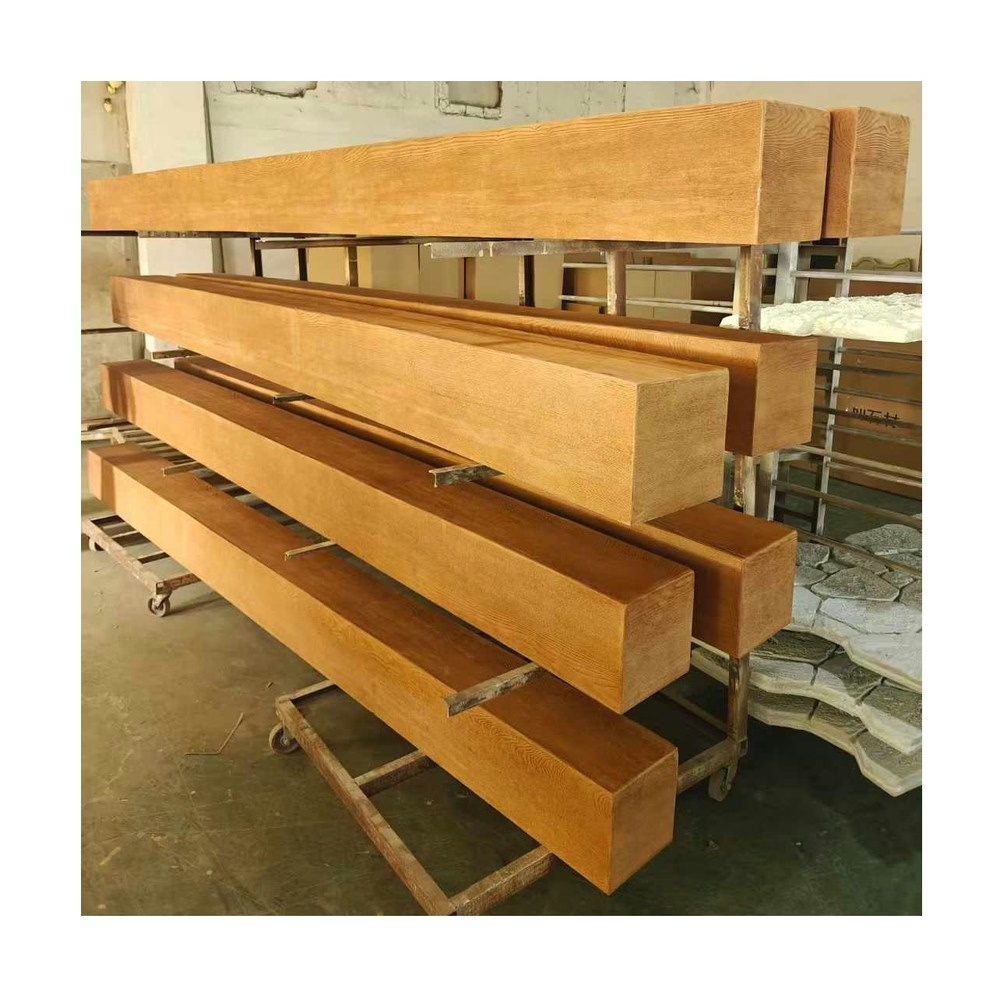
Making the Upgrade Decision
Properties currently featuring polystyrene beam installations face decisions about replacement versus repair. Understanding the limitations of polystyrene helps inform these decisions appropriately.
Complete replacement with premium polyurethane provides the permanent solution that addresses all polystyrene limitations. While this approach requires greater initial investment, the long-term value substantially exceeds that of repeated repairs or temporary solutions. Complete replacement also eliminates concerns about the appearance of mixed installations combining original and replacement elements.
Partial replacement may be appropriate when only some beams show deterioration or when budget constraints limit immediate full replacement. Premium polyurethane beams match well with each other, though matching to existing polystyrene may prove challenging due to appearance differences between materials.
The decision framework should account for total lifecycle cost rather than initial expense alone. Polystyrene replacement cycles typically occur every three to five years, accumulating costs that eventually exceed premium product investment. Premium polyurethane's twenty-year or longer service life provides superior economics despite higher initial cost.
Premium high-density polyurethane faux beams represent the appropriate upgrade for any installation currently featuring failing polystyrene products. Their superior performance across every meaningful category justifies the investment required for proper replacement. The resulting installations will serve faithfully for decades, eliminating the replacement cycles that polystyrene has imposed.
Technical References
ASTM standards cited in every specification
Test Data
Lab results from internal testing program
Updated 2026
Reviewed against current product specs


