The physics of ceiling construction impose constraints that often limit design ambition. Traditional timber beams, whether genuine or manufactured from composite materials, carry substantial weight that existing structures may not adequately support. This limitation has historically forced compromises in ceiling design, preventing the authentic timber aesthetics that designers and homeowners desire. Premium lightweight hollow decorative faux wood beams resolve this tension elegantly, delivering impressive visual presence without the structural demands that solid materials impose.
Hollow construction in faux wood beams represents sophisticated engineering that maintains aesthetic excellence while maximizing practical utility. The engineering principles underlying these products address real-world construction challenges that solid alternatives cannot overcome. Understanding this technology enables specification decisions that achieve design objectives without unintended structural consequences.
The Engineering of Hollow Beam Construction
Hollow beam construction employs structural engineering principles that distribute materials where they contribute most to performance. This approach achieves weight reduction without proportional loss of visual impact or functional capability.
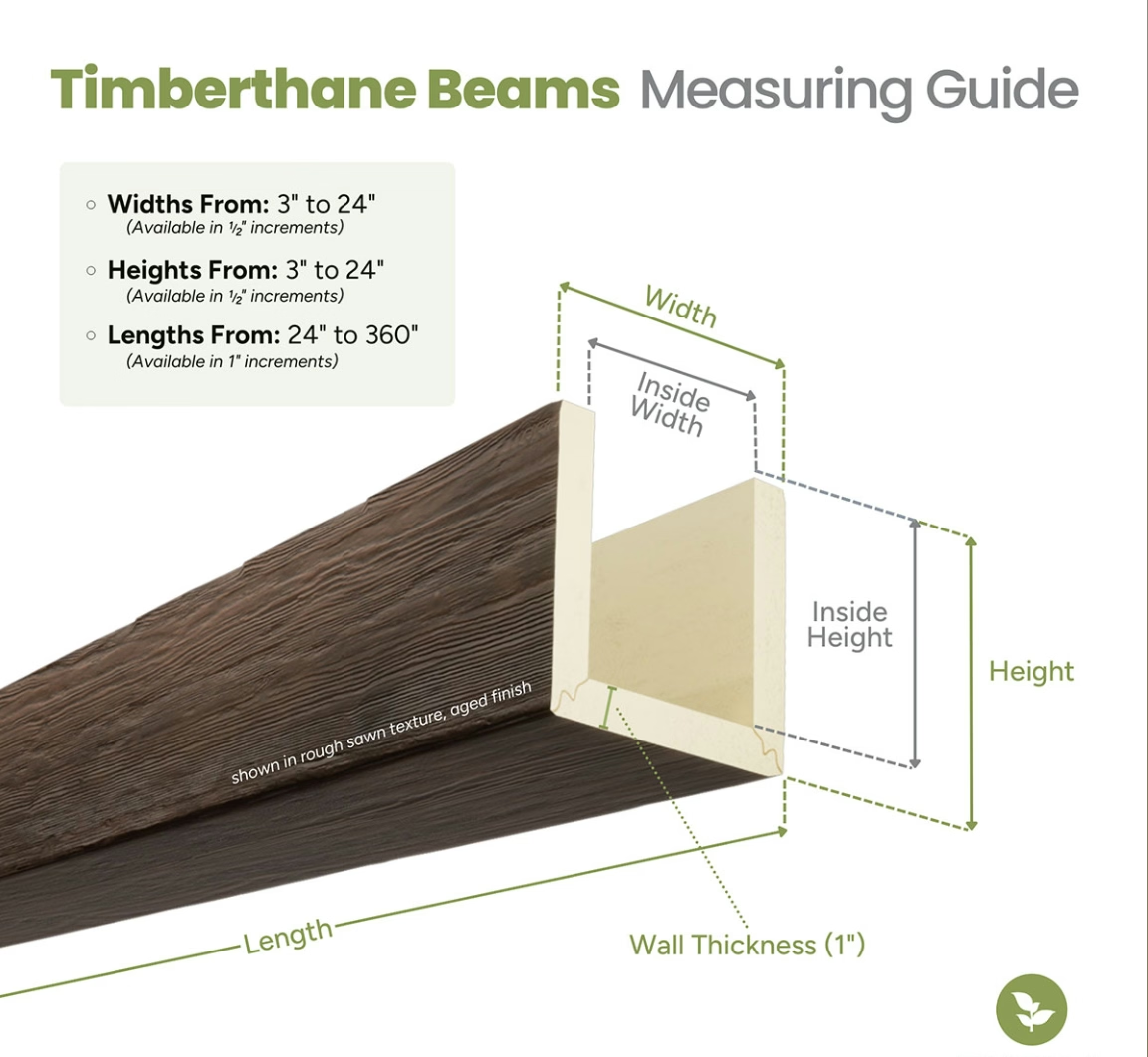
The hollow core maintains the dimensional characteristics that create visual presence. External dimensions match those of solid beams, ensuring that the installed appearance remains consistent regardless of interior construction. This dimensional fidelity ensures that hollow beams integrate seamlessly with design intentions developed for solid alternatives.
Structural reinforcement in premium hollow beams addresses the loading requirements that ceiling applications impose. Internal ribs and bracing transfer loads to mounting points while maintaining the clean interior surfaces that distinguish quality products. This internal structure, invisible after installation, provides the rigidity that prevents sagging, flexing, or deformation during service.
Wall thickness in hollow beams balances multiple requirements including appearance, durability, and material efficiency. Premium products achieve sufficient wall thickness to resist impact damage and accept fasteners securely while minimizing weight compared to solid alternatives. This optimization process requires careful engineering that distinguishes quality manufacturers from those producing simplistic hollow sections.
Weight Reduction Benefits
The practical advantages of lightweight hollow beams extend throughout the building process from initial handling through long-term service. These benefits accumulate to create substantial value differences compared to solid alternatives.
Installation safety improves dramatically when beams weigh substantially less than solid equivalents. Single-person installation becomes possible where two or three workers would otherwise be required for solid beams of similar dimensions. This reduction in labor requirements decreases installation costs while simultaneously reducing injury risk on construction sites.
Handling and storage logistics simplify considerably with reduced beam weight. Beams can be transported in smaller vehicles, maneuvered through standard doorways, and positioned without mechanical assistance that would otherwise be required. These practical advantages accelerate project timelines and reduce logistical complexity.
Structural support requirements diminish when hollow beams replace solid alternatives. Existing ceiling structures that could not support solid beams may adequately support hollow equivalents without reinforcement. This capability extends the range of applications where timber aesthetics become feasible, enabling projects that structural limitations would otherwise prohibit.
Ceiling joist loading decreases when hollow beams reduce the weight supported by underlying structure. This reduction benefits both new construction, where lighter materials reduce overall structural requirements, and renovation projects, where existing structures may lack capacity for heavier alternatives.

Appearance Quality in Hollow Construction
The hollow interior of these beams remains invisible after installation, allowing full attention to surface aesthetics that define visual quality. Premium manufacturers invest heavily in surface quality that distinguishes their products from economy alternatives.
Wood grain reproduction achieves remarkable fidelity in premium hollow beams. The same manufacturing processes used for solid premium products capture authentic timber character including grain patterns, color variation, and natural features like knots and character marks. This consistency ensures that hollow construction does not compromise the visual authenticity that premium buyers expect.
Surface texture in premium hollow beams provides the tactile quality that authenticates wood appearance. Subtle surface variations catch light realistically, creating the impression of genuine timber even upon close inspection. This texture depth distinguishes premium products from smooth-surfaced alternatives that appear obviously artificial.
Finish application achieves uniform coverage across hollow beam surfaces including interior corners and edges. Premium finishing processes ensure that these potentially challenging areas receive adequate treatment, maintaining appearance consistency throughout the beam's visible surfaces.
Mounting Systems for Hollow Beams
Hollow construction requires mounting approaches that work with reduced material at connection points. Premium manufacturers develop mounting systems specifically designed for hollow beam characteristics, ensuring secure attachment that maintains safety and appearance.
Concealed mounting systems hide hardware from view, maintaining the authentic timber appearance that beam installations seek to achieve. Premium mounting approaches utilize structural members within the hollow beam to transfer loads to ceiling connections without visible brackets or fasteners.
Surface mounting brackets attach beams to ceiling surfaces while remaining invisible from normal viewing angles. These systems install quickly while providing secure connection that satisfies structural requirements. Premium brackets incorporate adjustment capabilities that simplify alignment during installation.
Through-mounting for applications requiring visible support utilizes steel rods or cables that pass through hollow beams to structural ceiling connections. This approach creates the impression of structurally supporting beams while maintaining the weight reduction that hollow construction provides.

Applications Ideal for Hollow Beams
Hollow construction benefits specific applications where weight reduction provides meaningful advantages. Understanding these ideal applications helps ensure appropriate product selection.
Ceiling installations in upper floors of multi-story buildings benefit from reduced weight loading on floor-ceiling assemblies. Hollow beams decrease the cumulative weight that structural elements must support, potentially allowing smaller structural members or increased spans.
Existing construction renovation often encounters structural limitations that hollow beams accommodate. Buildings not originally designed for beam ceilings may accept hollow alternatives where solid beams would exceed capacity. This capability enables aesthetic improvements that structural constraints would otherwise prohibit.
DIY and owner-builder projects benefit from the handling simplicity that hollow beams provide. Without access to professional installation crews and equipment, these builders appreciate the ability to install substantial-looking beams without requiring assistance or specialized tools.
The premium grade lightweight hollow decorative faux wood beams represent an elegant solution to the weight-presentation tension that has historically limited ceiling design. Their hollow construction delivers meaningful practical benefits without compromising the aesthetic excellence that premium buyers demand. For projects where structural limitations constrain ambition, these engineered products open possibilities that solid alternatives cannot offer.
Technical References
ASTM standards cited in every specification
Test Data
Lab results from internal testing program
Updated 2026
Reviewed against current product specs


