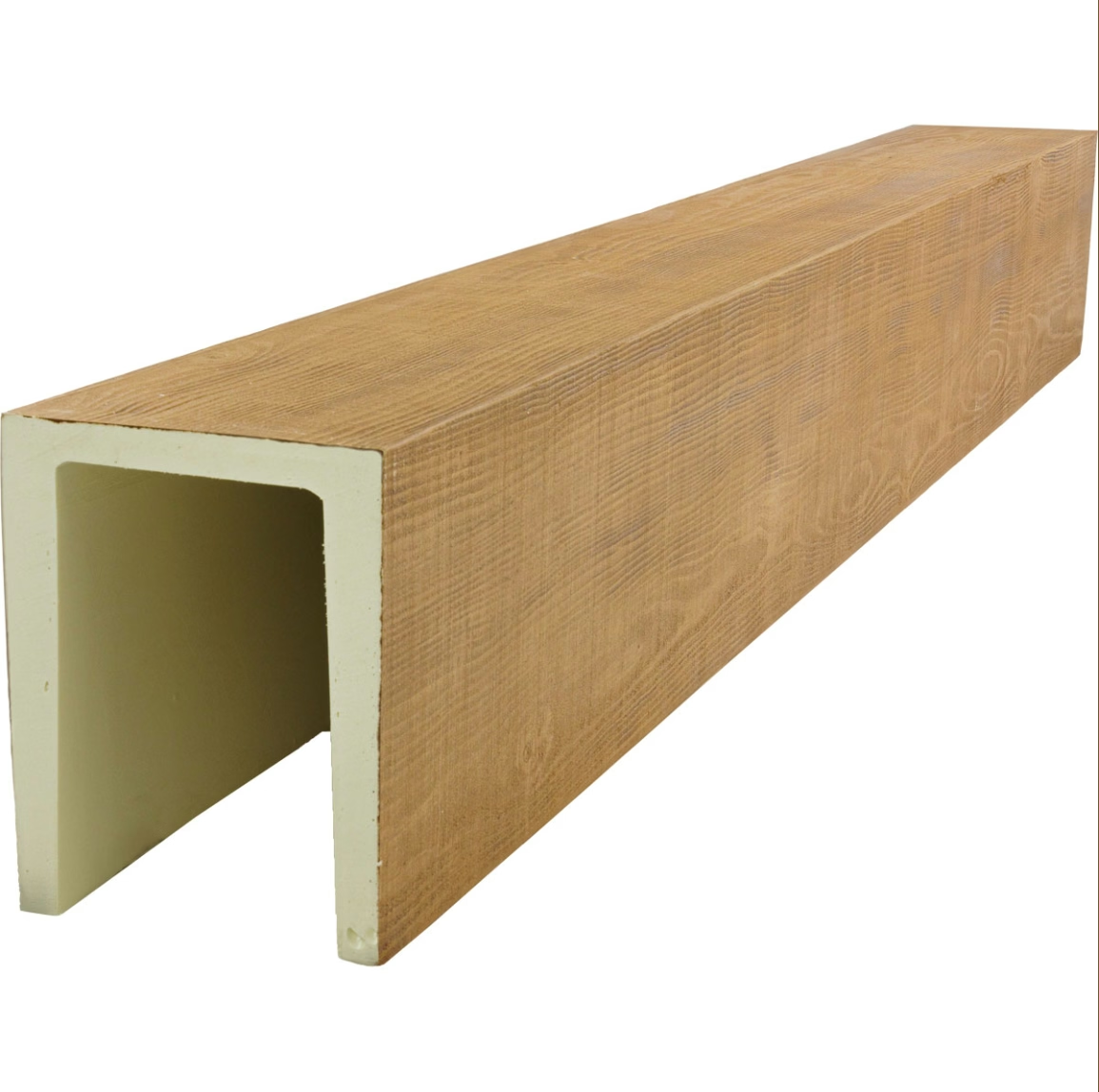
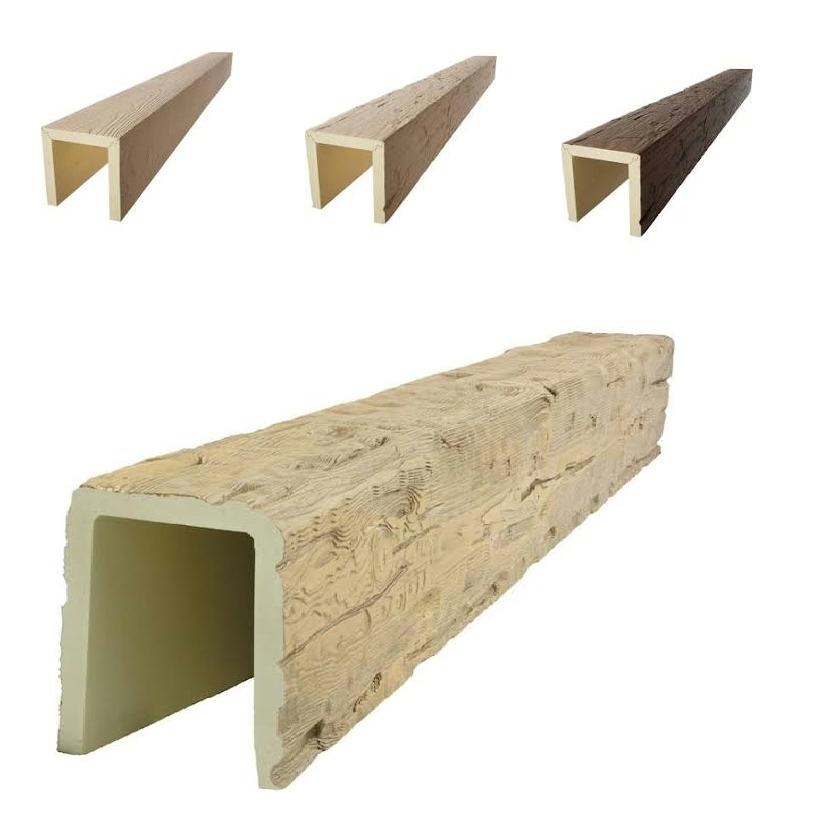
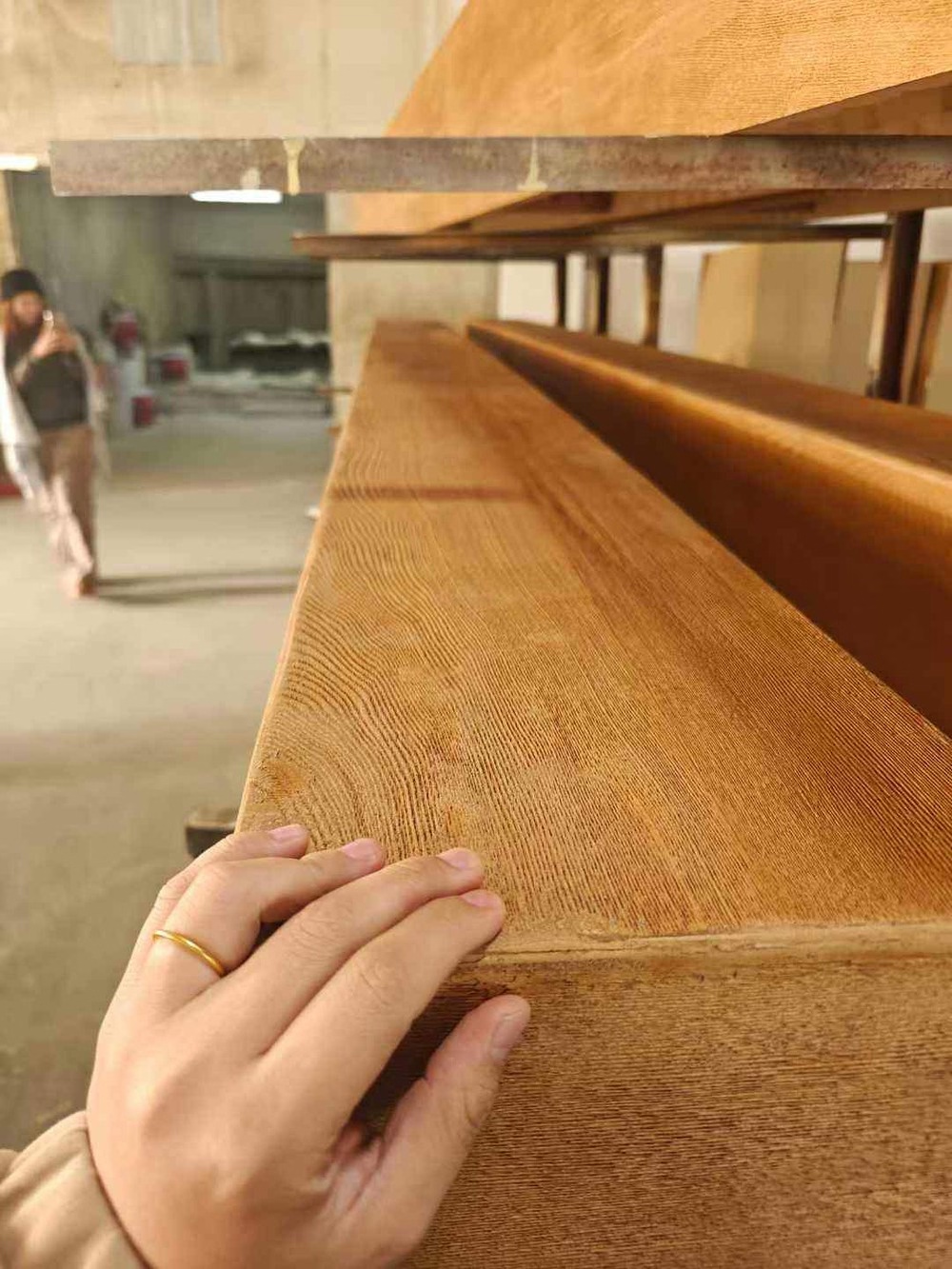
The familiar orange apron and warehouse-scale stores have become synonymous with certain approaches to home improvement, yet the limitations of mass-market retail become apparent when undertaking projects requiring quality materials. Home Depot serves valuable purposes for commodity items and emergency purchases, but the ceiling beam category reveals significant gaps between retail offerings and what premium suppliers provide. Project success often depends on understanding these differences and selecting sources that align with quality expectations.
Budget considerations drive many purchasing decisions, yet true budget consciousness requires evaluating total costs rather than simply initial prices. The cheapest available option frequently proves more expensive when accounting for replacement needs, maintenance requirements, and aesthetic compromises. Premium polyurethane faux beams represent genuine budget-friendly choices when viewed through the lens of complete project economics rather than isolated unit pricing.
The retail model inherently constrains product quality through competitive pricing pressures that squeeze margins at every opportunity. Specialty suppliers operating outside retail overhead structures can invest in quality improvements that mass-market channels cannot sustain. This fundamental difference in business models explains why premium faux beams outperform retail alternatives across meaningful performance and aesthetic metrics.

Understanding the Retail Limitations
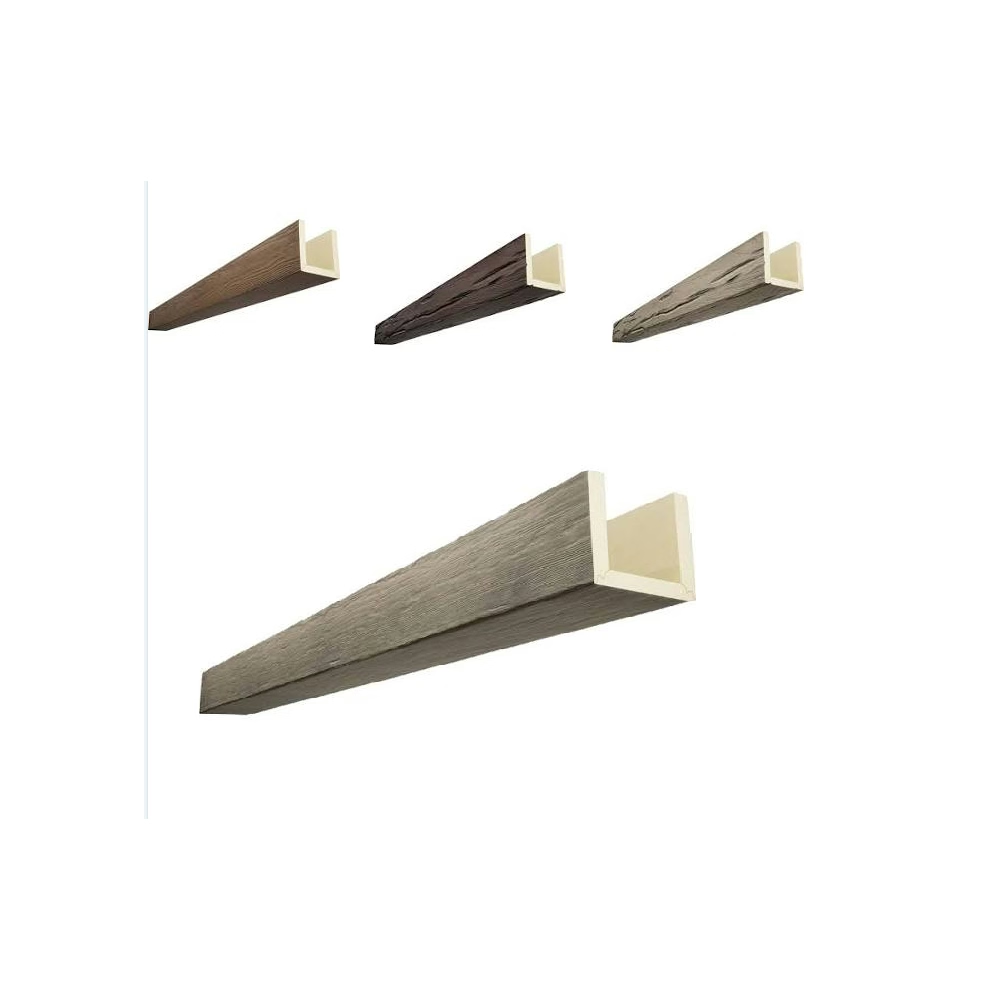
Shelf space constraints force retailers to stock items that appeal to broadest customer bases rather than specialized project requirements. A product carrying three styles in the beam category must serve everything from casual garage storage to formal living room renovations. This one-size-fits-all approach inevitably compromises specialized applications that require specific profiles, dimensions, or quality levels unavailable at retail.
Inventory turnover requirements drive retail purchasing toward fast-moving items that generate consistent sales velocity. Slow-moving specialty products consume valuable shelf space without proportionate revenue contribution, leading retailers to limit variety in categories that lack mass-market appeal. The beam selection available reflects these commercial realities rather than optimal project solutions.
Retail staffing limitations prevent the specialized knowledge that complex material decisions require. Employees capable of explaining product nuances across thousands of SKAs cannot develop deep expertise in specific categories. Projects requiring technical guidance regarding installation methods, load calculations, or finishing techniques receive inadequate support that specialty suppliers readily provide.
Quality Metrics That Matter
Material density determines fundamental performance characteristics that affect long-term satisfaction. Premium suppliers utilize higher-density formulations that resist impact damage, maintain dimensional stability, and provide authentic visual weight. Retail products often feature lighter formulations that reduce shipping costs and enable competitive pricing while compromising performance qualities that distinguish quality installations.
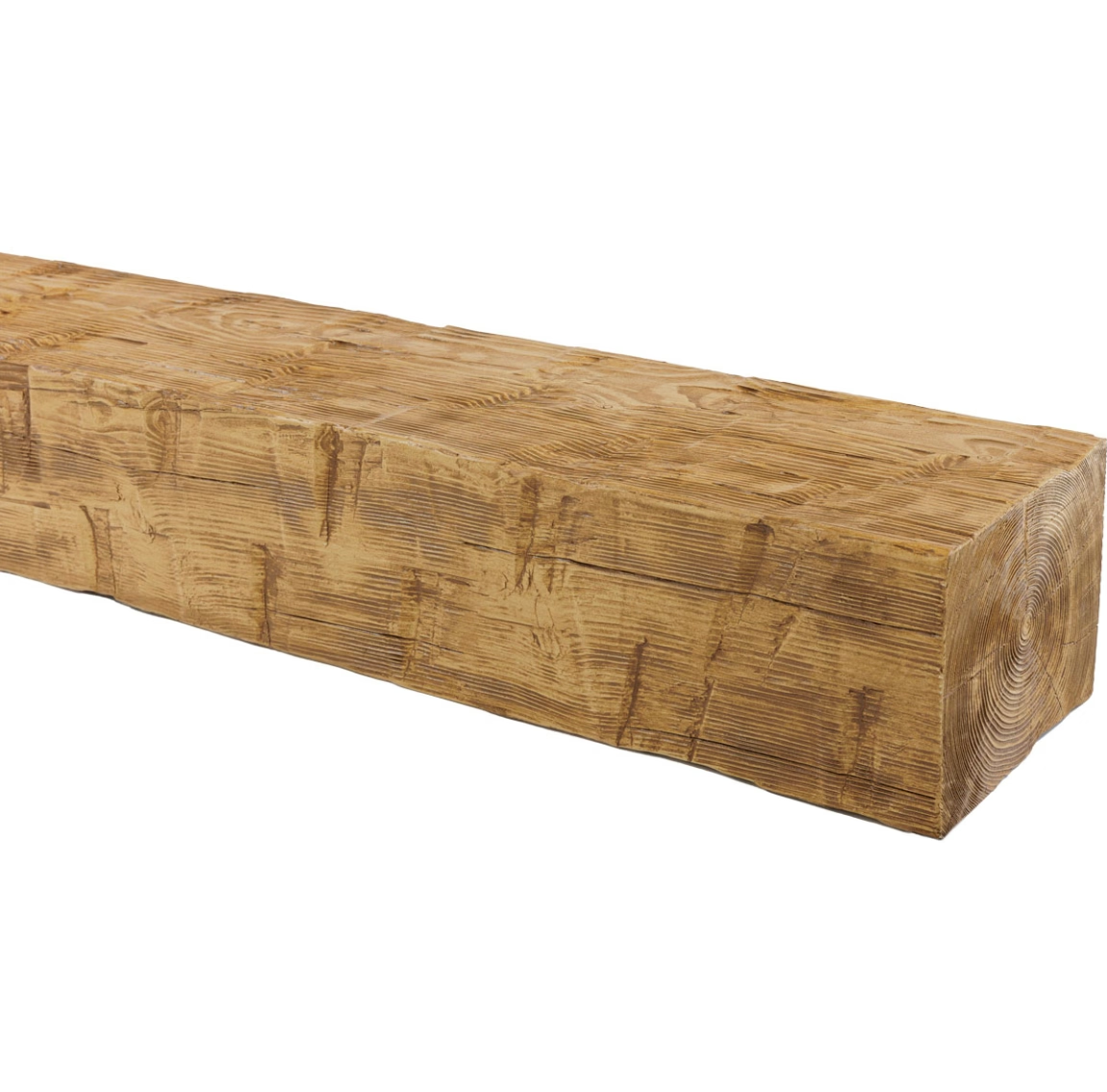
Surface detail reproduction varies dramatically based on manufacturing investment and quality control standards. Premium products feature sophisticated mold engineering that captures subtle wood characteristics including fine grain, natural checking, and authentic weathering patterns. Retail alternatives frequently display simplified textures that appear obviously manufactured under close inspection, diminishing the aesthetic value that beam installations should provide.
Color consistency across batch production ensures that orders of multiple beams arrive with matching appearance. Premium manufacturers implement quality systems that maintain tight tolerances across production runs, ensuring that beams installed alongside existing materials or in multi-beam arrangements display consistent coloration. Retail products often exhibit significant variation that complicates installations requiring coordinated appearance.
Hidden Cost Factors
Transportation requirements often receive insufficient attention during budget planning. Purchasing beams from retail locations necessitates personal vehicle transport of awkward, lengthy materials. The fuel costs, vehicle wear, and time investment required for retail pickup frequently exceed shipping charges for delivered materials, particularly for larger projects requiring multiple beams.
Return and exchange policies affect project economics when conditions require adjustments. Retail return processes involve customer effort that specialty suppliers eliminate through direct communication and problem resolution. The convenience of addressing issues without store visits provides value beyond the immediate transaction, particularly for contractors managing multiple simultaneous projects.
Quality-related callbacks and corrections consume profits that separate premium and budget options. Installations using inferior materials may develop problems requiring remediation that exceeds any initial savings. Professional contractors understand that reputation value exceeds the marginal cost differences between quality and budget products.
Value Assessment Beyond Initial Price
Service level differences between retail and specialty channels affect project outcomes significantly. Premium suppliers offer technical support throughout purchasing, delivery, and installation processes. Questions regarding specification, compatibility, and installation technique receive informed responses from staff with product expertise that retail employees cannot match.
Lead time flexibility enables project scheduling that retail channels cannot accommodate. Specialty suppliers can coordinate production and delivery timing with construction schedules, ensuring materials arrive when needed without extended warehousing requirements. This coordination reduces site logistics complexity while eliminating storage concerns that arise when ordering ahead through retail channels.
Custom capability sets specialty suppliers apart from standardized retail offerings. Projects requiring non-standard dimensions, special finishes, or unique profiles benefit from manufacturing flexibility that retail channels cannot provide. This ability to accommodate project-specific requirements often proves more valuable than any price differential between sources.

Strategic Purchasing Approaches
Project planning should incorporate material sourcing decisions alongside design development. Early engagement with specialty suppliers enables specification of optimal products before project documentation constrains options. This proactive approach ensures that material selection supports rather than compromises design intent.
Sample evaluation reduces purchasing risk by enabling direct assessment before committing to full orders. Premium suppliers routinely provide samples that allow inspection of density, surface quality, and finishing characteristics. This due diligence prevents disappointment while building confidence in selected products.
Relationship development with specialty suppliers creates ongoing benefits for contractors and repeat buyers. Volume commitments, priority scheduling, and enhanced support become available through established relationships that retail transactions cannot build. These partnership benefits compound over time as mutual understanding develops between buyers and suppliers.
When Retail Makes Sense
Emergency replacements and small repairs may appropriately utilize retail channels when immediate availability overrides other considerations. A single beam needed to complete a repair cannot wait for special order delivery, making retail the pragmatic choice despite quality limitations. Understanding when urgency trumps quality enables appropriate channel selection for specific situations.
Complementary purchases alongside other retail items can justify beam purchases through convenience synergies. Projects requiring numerous materials from various categories may benefit from consolidated purchasing at retail locations despite beam quality compromises. This situational assessment recognizes that multiple factors influence optimal purchasing decisions.
Testing unfamiliar applications before committing to specialty suppliers represents a legitimate retail use case. Experimental projects, temporary installations, or prototype concepts may appropriately utilize retail products to validate approaches before investing in premium materials. This learning-oriented purchasing strategy uses retail availability strategically rather than as default sourcing.
Premium polyurethane faux beams represent genuine budget-friendly alternatives when evaluated through comprehensive analysis of total project costs, long-term performance, and aesthetic outcomes. The choice between retail and specialty sourcing involves nuanced consideration of multiple factors rather than simple price comparison. Understanding these dynamics enables purchasing decisions that optimize value across project lifecycles.
Technical References
ASTM standards cited in every specification
Test Data
Lab results from internal testing program
Updated 2026
Reviewed against current product specs