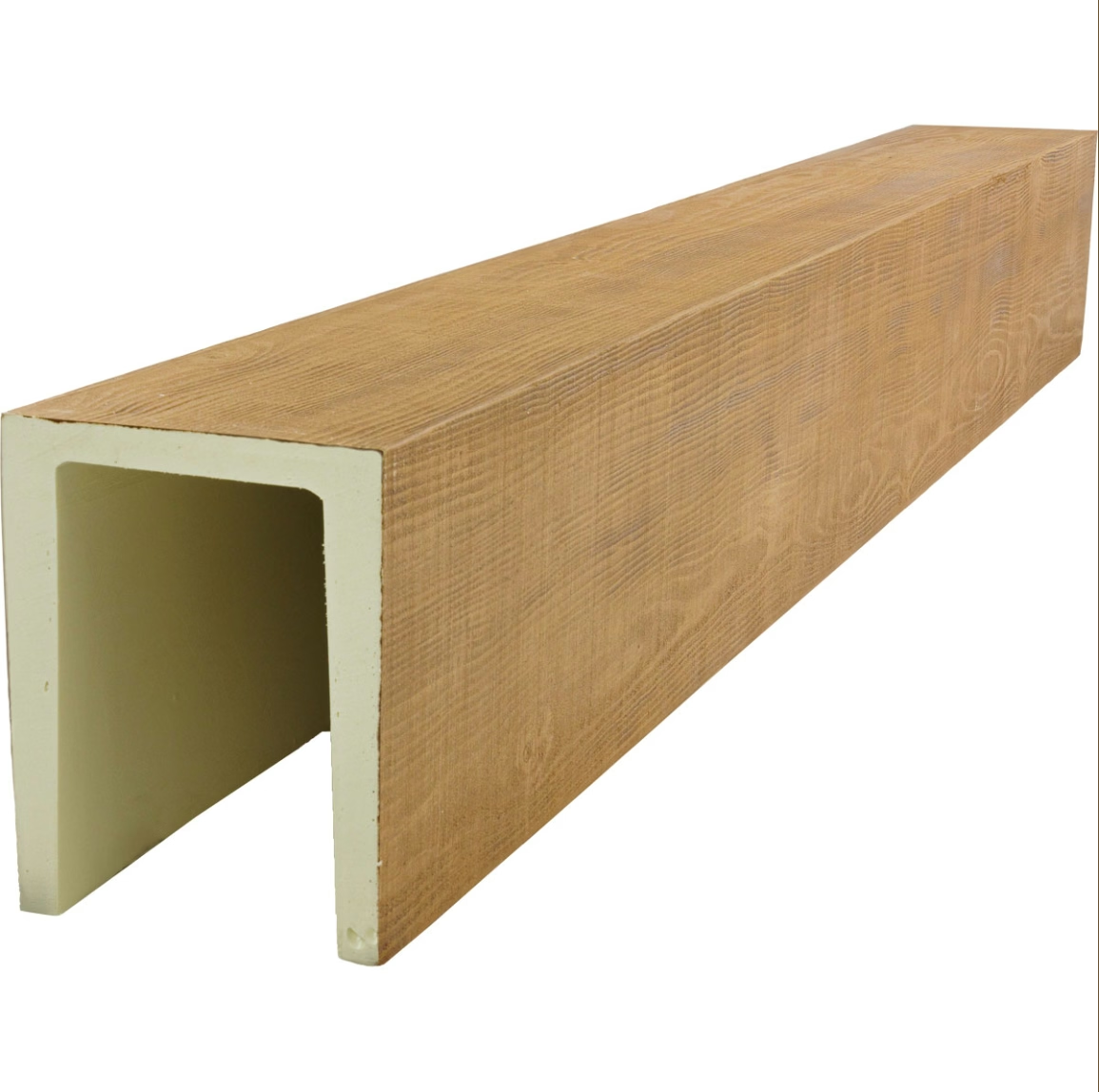
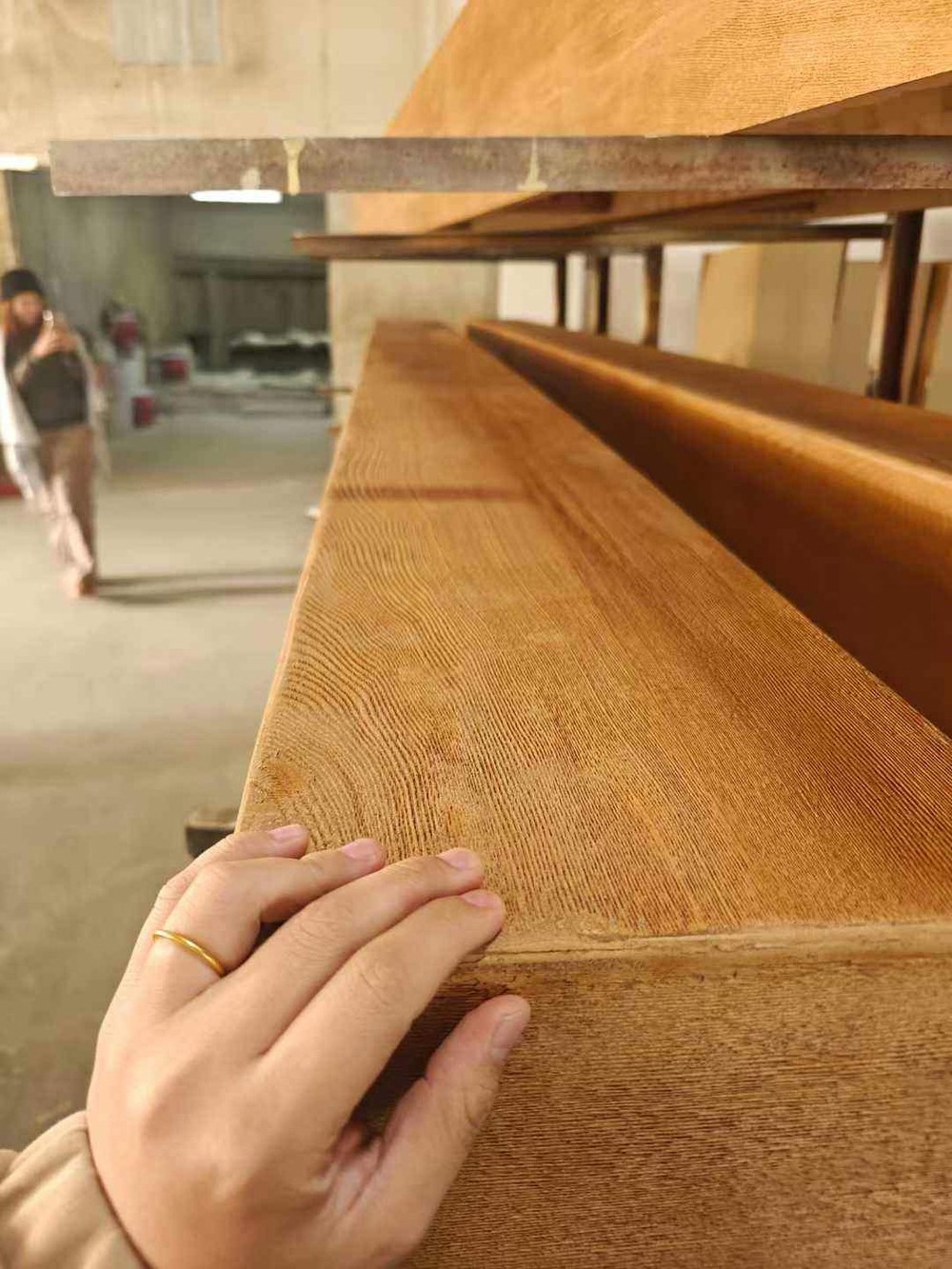
Behind every quality polyurethane beam lies material science that determines performance characteristics ranging from visual appearance to structural capability. Understanding these material foundations enables architects, contractors, and property owners to make informed specification decisions rather than relying solely on appearance evaluation. The engineering that goes into premium formulations distinguishes products that perform reliably from those that disappoint.
Polyurethane chemistry involves combining diisocyanates with polyols in carefully controlled reactions that produce polymer materials with specific property sets. The ratios, temperatures, and conditions during this reaction process determine whether the resulting material achieves the characteristics that demanding applications require. Premium manufacturers control these variables precisely, while budget producers accept wider tolerances that compromise quality.
The versatility of polyurethane chemistry allows manufacturers to produce materials spanning from flexible foams to rigid structural components. Beam applications require rigid formulations with adequate density to resist damage and provide authentic visual weight. This balance between rigidity and workability emerges from formulation expertise that takes years to develop.

Chemical Foundation and Material Properties
Diisocyanate selection influences final material characteristics significantly. aromatic diisocyanates like methylene diphenyl diisocyanate (MDI) produce rigid materials suitable for structural applications, while aliphatic options offer improved UV stability for exterior use. Premium manufacturers select diisocyanate types matched to application requirements.
Polyol variety enables property customization that single-component systems cannot achieve. The hydroxyl-bearing compounds that react with diisocyanates determine flexibility, impact resistance, and surface characteristics. Formulators combine multiple polyol types to achieve property combinations that serve specific application requirements.
Catalyst selection controls reaction timing and affects final material properties. These compounds accelerate or moderate the chemical reactions that transform liquid components into solid polymers. Precise catalyst control ensures consistent polymerization that produces uniform material throughout beam cross-sections.
Density and Performance Relationships
Density measurement provides useful indicator of material quality and performance capability. Higher-density formulations resist impact damage more effectively while providing the visual weight that authentic appearances require. Premium beams typically achieve densities exceeding those of budget alternatives, explaining their superior performance characteristics.
Compressive strength correlates with density in ways that affect structural capability. Beams must maintain shape under their own weight plus any loads they support, requiring adequate compressive strength for successful applications. Premium formulations achieve strengths that enable confident specification for demanding applications.
Impact resistance prevents the dents, chips, and damage that degrade appearance in service. This property depends on formulation characteristics that premium manufacturers optimize while budget producers accept minimal performance. Impact testing reveals differences that visual inspection cannot detect.

Surface Quality and Detail Reproduction
Mold release characteristics affect surface quality in ways that affect both appearance and finishing capability. Premium formulations release from molds cleanly, producing smooth surfaces that accept finishes uniformly. Poor release characteristics create surface defects that require remediation before installation.
Cell structure in polyurethane foam affects surface smoothness after demolding. Fine, closed-cell structures produce smoother surfaces than coarse open-cell alternatives. The cell structure depends on formulation and processing parameters that premium manufacturers control to optimize surface quality.
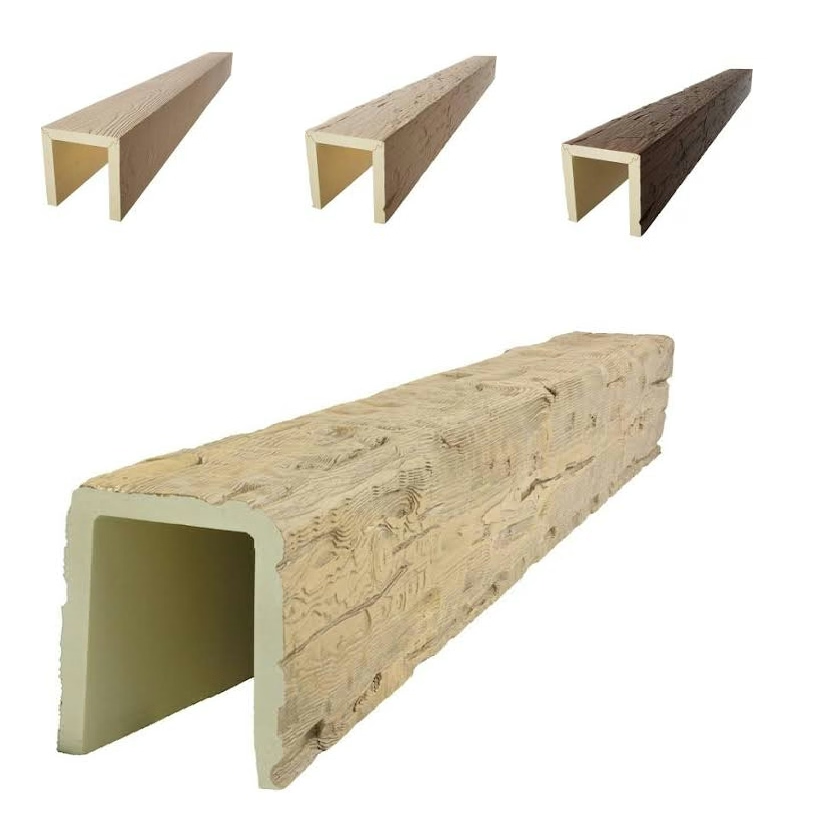
Detail fidelity in molding captures fine wood characteristics that distinguish authentic appearances from obvious imitations. Premium mold engineering and material flow control reproduce grain lines, knots, and weathering effects with remarkable accuracy. This detail reproduction requires investment that budget production cannot justify.
Thermal and Environmental Performance
Temperature stability enables successful performance across the range of conditions that buildings experience. Premium polyurethane maintains properties from sub-freezing temperatures through heat exposure that would degrade lesser materials. This stability ensures reliable performance regardless of climate conditions.
Thermal expansion coefficients affect dimensional behavior during temperature changes. Premium formulations minimize expansion and contraction that could compromise installations over time. The controlled expansion characteristics distinguish quality materials from alternatives that shift noticeably with temperature cycles.
Moisture resistance eliminates the water absorption concerns that affect natural wood and some synthetic alternatives. This resistance prevents dimensional changes, surface degradation, and biological growth that moisture promotes. Premium formulations maintain this resistance throughout extended service periods.
Aging Characteristics and Longevity
UV degradation affects materials exposed to sunlight, causing surface chalking, discoloration, and property loss over time. Premium exterior formulations incorporate UV stabilizers that prevent this degradation, maintaining appearance despite years of sun exposure. Interior formulations avoid this concern but must resist other aging mechanisms.
Oxidative degradation occurs gradually as oxygen interacts with polyurethane molecular structure. Premium formulations include antioxidants that slow this process, extending useful service life significantly. The antioxidant package quality distinguishes products designed for longevity from those focused on initial performance only.
Color retention ensures that tinted or finished beams maintain intended appearances despite aging processes. Premium pigments and stabilizers resist the fading that diminishes less carefully formulated products. This color stability proves particularly important for architectural applications where appearance consistency matters.
Manufacturing Process Considerations
Mixing precision affects final material consistency throughout beam cross-sections. Inadequate mixing produces weak zones, surface defects, and property variations that compromise performance. Premium manufacturers employ mixing equipment and procedures that ensure uniform distribution of all components.
Curing requirements influence when demolded beams achieve full properties. Insufficient cure before handling can cause permanent damage that manifests later in service. Premium production follows established cure protocols that ensure adequate property development before demolding and handling.
Quality control testing verifies that production materials meet specifications before shipment. This testing catches formulation errors, process deviations, and material inconsistencies before they reach customers. Premium manufacturers invest in testing infrastructure that budget producers cannot justify.
Formulation Selection for Applications
Interior applications can prioritize surface quality and aesthetic characteristics without the weather resistance requirements that exterior use demands. This formulation optimization produces materials ideally suited to indoor conditions while avoiding unnecessary costs for performance not needed.
Exterior formulations require UV stability, moisture resistance, and durability that interior materials do not need. The additional investment in these protective characteristics enables successful outdoor performance. Specifying interior materials for exterior applications produces disappointing results.
Specialized applications may require custom formulations addressing unique requirements. Fire resistance, food contact approval, or electrical insulation might necessitate specific formulation approaches. Premium manufacturers can develop custom solutions for demanding applications that standard products cannot address.
Understanding the material science behind premium polyurethane faux wood ceiling beams enables specification decisions grounded in technical reality rather than marketing claims. This knowledge proves valuable for architects specifying materials, contractors installing products, and property owners evaluating options. The investment in quality materials returns value through lasting performance that budget alternatives cannot match.
Technical References
ASTM standards cited in every specification
Test Data
Lab results from internal testing program
Updated 2026
Reviewed against current product specs