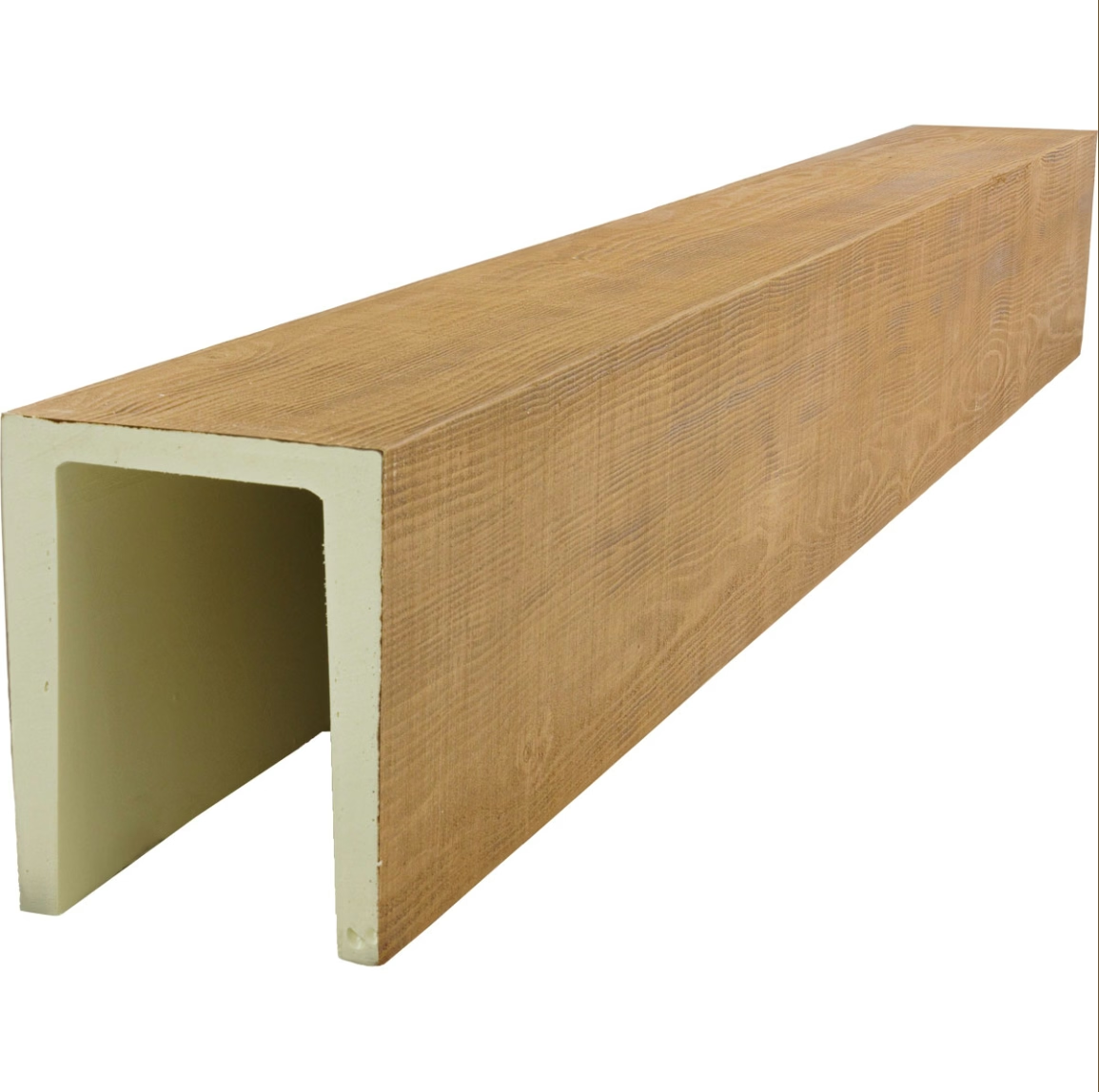
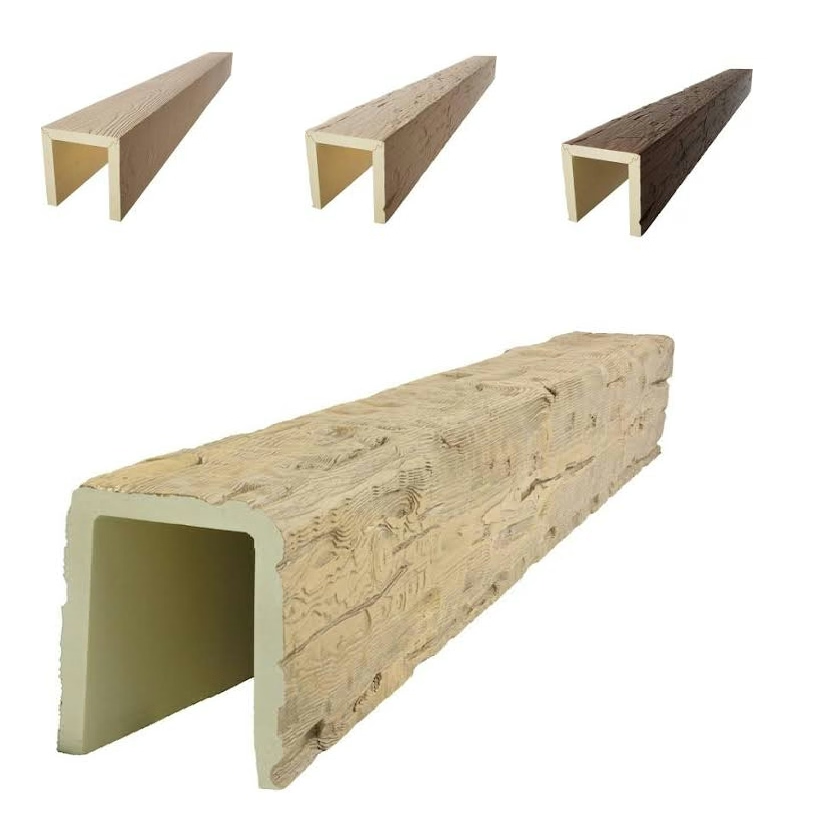
The supply chains that connect manufactured products with end users involve multiple intermediaries, each adding cost and distance between production and consumption. For commodity products with stable specifications and undemanding quality requirements, these intermediaries provide valuable services—aggregation, distribution, credit, and local availability—that justify their margins. For premium architectural products where quality, customization, and technical support matter, the intermediary value proposition weakens substantially.
Direct sourcing bypasses these intermediaries, creating relationships between buyers and producers that serve premium project requirements more effectively. The trade-off involves different engagement patterns—longer lead times, minimum order quantities, technical communication requirements—rather than the simple transactional convenience of retail purchase. Projects that understand this trade-off can access benefits that retail channels cannot provide.
Understanding Direct Sale Channels
Direct sale channels for polyurethane beams include manufacturer direct sales, manufacturer-authorized distributors, and specialized architectural product distributors with direct manufacturer relationships. Each channel offers different combinations of product access, pricing, and support services.
Manufacturer direct sales involve ordering directly from the production facility. This channel offers the deepest access to production capabilities, including custom specifications that distributors cannot accommodate. Communication occurs directly with the people who understand the products most thoroughly. The trade-off involves minimum order quantities that may exceed small project requirements and communication expectations that assume technical sophistication.
Manufacturer-authorized distributors have formal relationships with producers that provide access to product lines, technical support, and sometimes inventory positioning. These distributors add value through local availability, credit terms, and project support that manufacturers cannot efficiently provide directly. The pricing typically falls between manufacturer direct and retail levels, reflecting the value that distributors add.
Specialized architectural distributors focus on premium building products and maintain staff with technical expertise in their product categories. These distributors serve projects that require specification support, custom coordination, and professional service standards. The premium pricing reflects the service intensity and expertise that these distributors provide.
Advantages of Direct Manufacturer Relationships
Projects that establish direct relationships with polyurethane beam manufacturers access capabilities that intermediated channels cannot match. These advantages compound through project phases from specification through installation and beyond.
Specification support begins during design development, with manufacturer representatives contributing expertise about product capabilities, limitations, and appropriate applications. This early engagement prevents specification errors that might otherwise require costly changes during construction. The manufacturer's knowledge of their products' performance characteristics informs design decisions before those decisions become fixed.
Sample access enables designers and clients to evaluate products before committing to specifications. Direct channels typically provide samples with minimal cost and shipping time, allowing physical evaluation of appearance, texture, and weight. This evaluation supports confident specification decisions.
Customization consultation explores possibilities that standard products might not address. Projects with unique requirements benefit from direct access to manufacturing capability assessment and custom feasibility evaluation. The manufacturer can advise whether requirements can be met through standard products, product modifications, or fully custom production.
Production visibility provides assurance that ordered products are progressing through manufacturing on schedule. Direct communication with production management enables tracking that retail channels typically cannot provide. This visibility supports project scheduling and identifies potential delays early enough for response.

Quality Assurance Through Direct Sourcing
Quality control in manufacturing operates most effectively when communication between production and specification is direct. Intermediaries filter, interpret, and sometimes distort quality information in ways that compromise the effectiveness of quality assurance.
Specification compliance verification occurs most reliably when the people verifying compliance work for the same organization that produced the products. Direct channels enable this alignment, with quality personnel able to consult directly with production management about any questions that arise during inspection.
Problem resolution proceeds faster when communication paths are short. Issues that require manufacturer involvement—such as defect identification, root cause analysis, or process improvement—can be addressed directly rather than through intermediary communication that introduces delay and potential misunderstanding.
Warranty execution works most smoothly when the warranty holder deals directly with the warrantor. Direct channels eliminate intermediary responsibilities that might create disputes about coverage or claim handling. The manufacturer can address warranty issues with full knowledge of production circumstances and quality history.
Pricing Structures and Volume Considerations
Direct channel pricing typically involves tiered structures that reward larger orders with lower unit costs. Understanding these structures helps buyers optimize their purchasing to access available discounts.
Volume discounts apply based on order size, with breakpoints that vary by manufacturer. An order that falls just below a discount threshold may be worth increasing to capture the next pricing level, particularly for projects with ongoing beam requirements.
Custom product pricing reflects the additional tooling, setup, and process complexity that custom specifications involve. The premium over standard products depends on the extent of customization and the production volume of custom items. Higher volumes reduce the per-unit custom premium by spreading tooling costs.
Freight economics affect delivered cost substantially for large or heavy products. Direct channel pricing typically includes freight negotiation that retail pricing cannot match. Container-load orders achieve the most favorable freight rates, while less-than-container shipments may involve significant transportation costs relative to product value.
Payment terms in direct channels may differ from retail expectations. Net 30 or net 60 terms are common in trade relationships, while retail typically requires immediate payment. These terms affect cash flow for projects with extended schedules or ongoing material requirements.
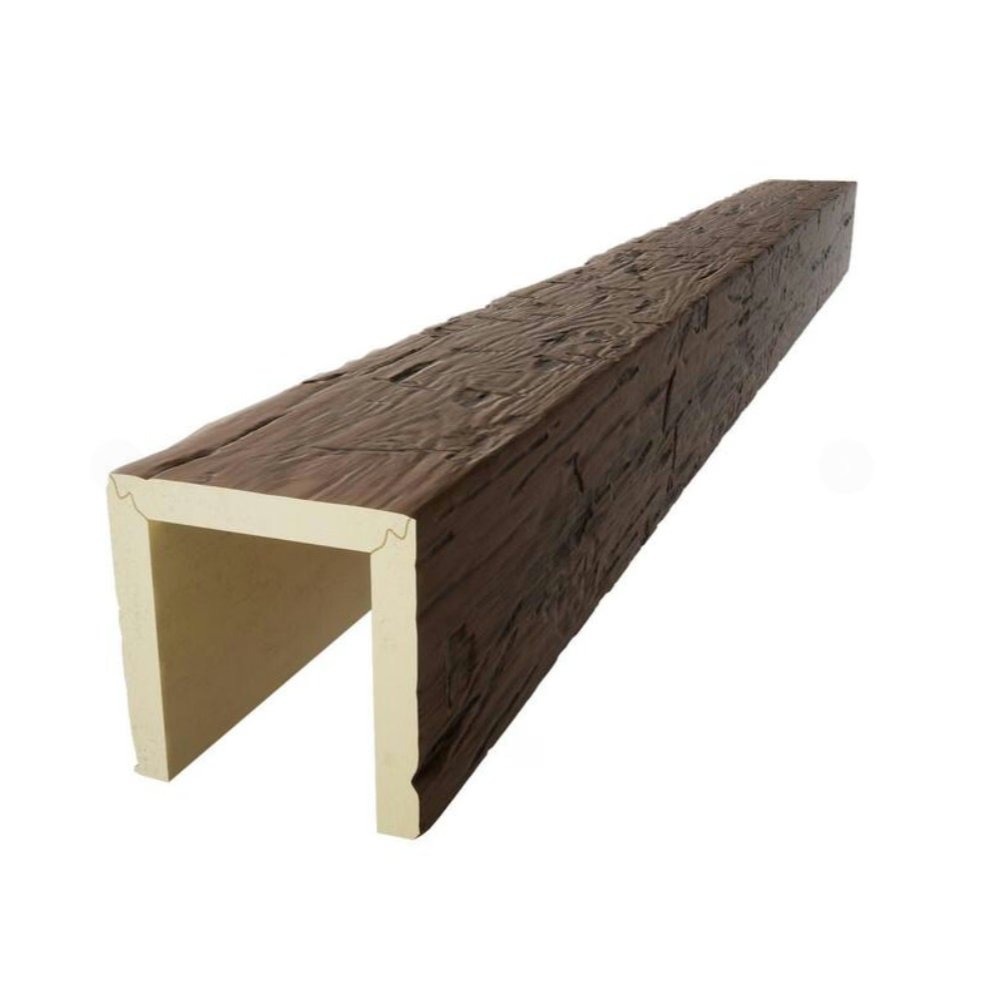
Technical Support and Consultation
Direct channels provide access to technical expertise that retail channels cannot match. This expertise supports successful specification, installation, and long-term performance.
Specification review examines proposed beam selections for appropriateness to project conditions. Climatic factors, structural considerations, fire requirements, and aesthetic coordination all receive attention during this review. The goal is ensuring that selected products will perform successfully in their intended applications.
Installation consultation provides guidance on attachment methods, finishing techniques, and sequence planning. Manufacturers积累了 extensive installation experience that informs this guidance. The consultation can address site-specific challenges before they become field problems.
Performance troubleshooting helps address issues that arise during or after installation. Root cause identification benefits from manufacturer expertise in product characteristics and common failure modes. Correct diagnosis enables effective remediation.

Building Long-Term Supply Relationships
Projects that establish ongoing relationships with direct suppliers access benefits that transactional purchasing cannot provide. Continuity creates understanding that accelerates subsequent transactions.
Specification memory preserves the details of previous purchases, enabling accurate reordering or matching for additional installations. This memory prevents the specification drift that can occur when different sources supply successive project phases.
Relationship pricing rewards loyal customers with favorable terms that transactional buyers cannot access. The value compounds through multiple projects, making established relationships increasingly advantageous.
Priority allocation during supply constraints favors established relationships over spot purchasers. When production capacity is limited, customers with established volume commitments receive preference over new or occasional buyers.
Direct sale channels for premium polyurethane beams provide access to capabilities, quality assurance, and relationships that retail channels cannot match. Projects that invest in understanding and engaging these channels access benefits that compound across their beam-related needs.
Technical References
ASTM standards cited in every specification
Test Data
Lab results from internal testing program
Updated 2026
Reviewed against current product specs