Every material choice in architecture involves trade-offs between competing priorities. A surface that maximizes one performance characteristic typically sacrifices something in another dimension. Understanding these trade-offs helps designers select materials that serve their projects' specific priorities most effectively. For high-usage spaces, surface durability often rises to the top of the priority list, sometimes at the expense of other characteristics that matter less in these applications.
Scratch and impact resistance in architectural surfaces addresses the reality that buildings receive use, and that use creates wear. Ceilings that appear far from the reach of daily activity still accumulate damage from furniture movement, equipment handling, and the occasional accident. Surfaces that resist this damage maintain their appearance longer, reducing maintenance requirements and preserving the design intent that initial specifications intended to achieve.
Understanding Surface Durability in Polyurethane
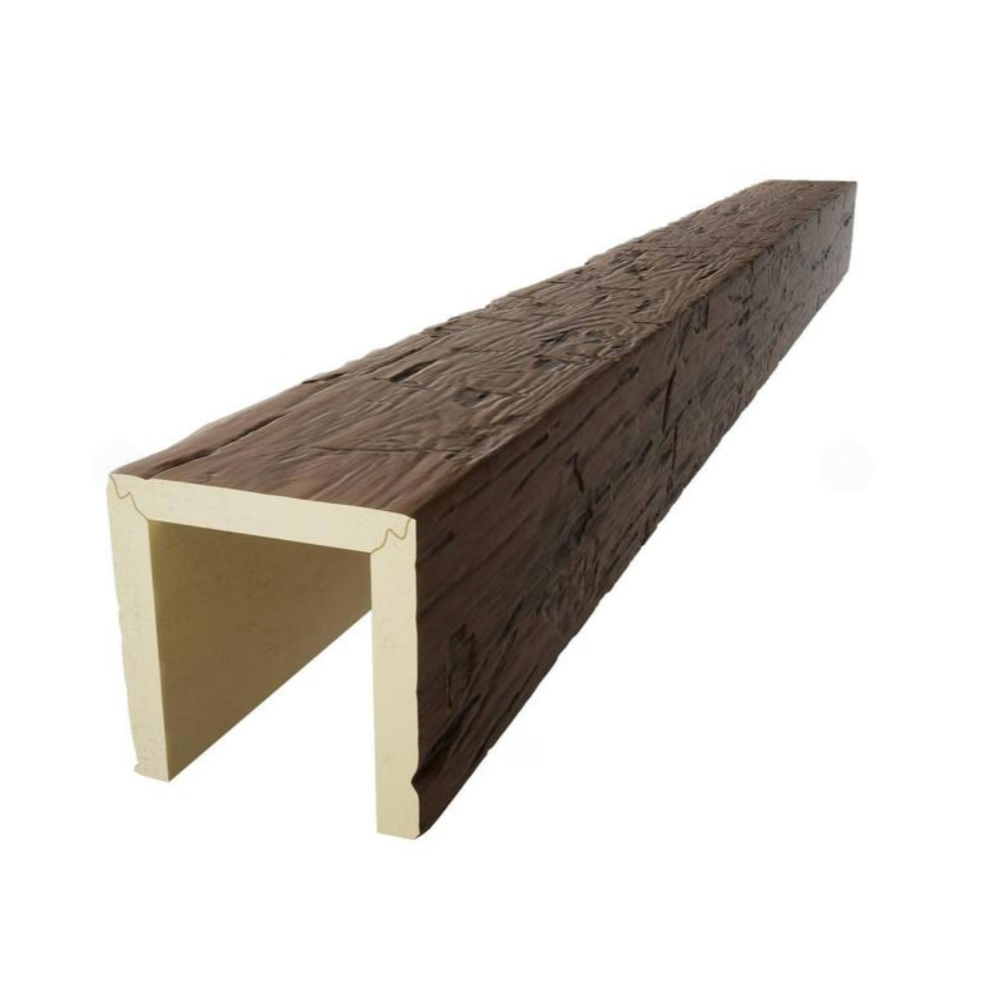
The durability of polyurethane surfaces depends primarily on formulation and finishing rather than on the base material alone. Raw polyurethane, like raw wood, requires protective treatment to achieve optimal surface performance. The treatment process can be optimized for specific performance priorities including scratch resistance, chemical resistance, UV stability, or other characteristics.
Premium scratch-resistant formulations incorporate additives that increase surface hardness without compromising other properties. These additives distribute evenly throughout the material rather than concentrating at the surface, ensuring that the scratch-resistant properties persist even if the surface receives superficial damage. The result is a beam that maintains its appearance despite the contact and impact that busy spaces inevitably generate.
Surface coatings provide additional protection layers that absorb and distribute damaging contact before it reaches the underlying material. These coatings may be factory-applied at the manufacturing facility or may be field-applied as part of the installation process. Factory application typically provides more consistent coverage and better adhesion than field application can achieve.
Applications Where Durability Matters Most
Certain space types present challenges that make scratch-resistant beams particularly valuable. Understanding which applications benefit most helps prioritize specifications and budget allocations effectively.
Family rooms and living spaces with active households see more ceiling contact than most people realize. Moving furniture, raising and lowering television mounts, and the occasional balloon or ball impact all challenge ceiling surfaces. Beams in these spaces benefit substantially from enhanced durability that prevents the dings and dents that less-resistant surfaces would accumulate.
Commercial hospitality spaces face similar challenges at larger scale. Restaurant dining rooms experience table and chair movement that occasionally extends higher than expected. Hotel lobbies receive luggage and equipment that building staff handle with varying degrees of care. The durability of scratch-resistant beams handles these conditions without accumulating visible damage.
Gymnasiums and sports facilities present extreme impact challenges. Basketballs, volleyballs, and other equipment regularly contact ceiling surfaces in these spaces. Standard beams might accumulate damage with each impact, while scratch-resistant formulations maintain their appearance despite repeated contact. The visual refreshment that ceiling beams provide should not come at the cost of constant maintenance and repair.
Educational facilities combine high traffic with limited maintenance budgets. Classrooms, hallways, and common areas all require durable finishes that can withstand student activity without constant attention. Scratch-resistant beams provide the aesthetic upgrade these spaces often need while minimizing the maintenance burden that limited facilities staff must manage.
Performance Characteristics That Define Durability
Surface durability involves multiple distinct performance characteristics that together determine how a material responds to challenging conditions. Understanding these characteristics helps specify products appropriately and interpret performance in use.
Abrasion resistance measures how a surface responds to repeated rubbing or scuffing. This characteristic matters most in areas with frequent contact from passing objects or cleaning operations. Beams near air returns or high-traffic pathways experience abrasion that less-resistant surfaces would show as worn patches or scratched areas.
Impact resistance addresses the response to sudden contact with objects. Basketballs, dropped items, and furniture corners all represent impact challenges that surfaces must handle without visible damage. Impact-resistant formulations distribute the energy of contact rather than allowing it to concentrate at the point of contact.
Edge hardness affects how well beam edges and corners maintain their definition. These features are particularly vulnerable to damage because they present smaller targets that contact concentrates on. Formulations optimized for edge hardness protect these vulnerable details.
Adhesion between coating layers and between coating and substrate determines whether surface treatments remain intact under stress. Poor adhesion leads to chipping, peeling, and delamination that compromise both appearance and protection. Quality control during manufacturing ensures consistent adhesion performance.
Maintenance of Durable Surfaces
Scratch-resistant beams simplify maintenance compared to less-durable alternatives. The surface maintains its appearance with routine cleaning rather than requiring periodic restoration.
Cleaning protocols use soft materials that do not scratch the surface. Microfiber cloths, soft brushes, and gentle cleaning solutions remove accumulated dust and contaminants without damaging the protective finish. The goal is preserving the surface appearance rather than restoring it.
Minor damage repair addresses the occasional impact that exceeds the surface's resistance. Touch-up kits provided by manufacturers enable field repair of small damaged areas. The repair blends with surrounding surfaces when properly executed, restoring appearance without visible evidence of the repair.
Major damage requires component replacement rather than repair. The modular nature of beam construction allows damaged sections to be removed and replaced without disturbing surrounding elements. Matching finishes ensure that replacements integrate seamlessly with the original installation.
Specification Considerations for High-Usage Environments
Selecting scratch-resistant beams for demanding applications requires attention to several specification details that affect long-term performance.
Manufacturer specifications should be reviewed for performance data that substantiates durability claims. Third-party testing provides independent verification of manufacturer claims. Products with documented performance data offer more reliable assurance than those relying only on marketing descriptions.
Warranty coverage should be reviewed for terms that address surface durability. Length of warranty, covered conditions, and claim procedures all affect the protection that warranty provides. Comprehensive warranty coverage indicates manufacturer confidence in product performance.
Installation requirements affect whether durability specifications translate into in-service performance. Proper attachment, appropriate adhesive selection, and correct finishing all contribute to how well the beams perform once occupied. Following manufacturer instructions ensures that the durability engineered into the product is actually delivered in the installation.
Long-Term Value Analysis
Scratch-resistant beams present compelling long-term value propositions when lifecycle costs are properly accounted for. Initial cost comparisons that ignore ongoing maintenance miss the full economic picture.
Maintenance cost savings compound substantially over the service life of the installation. Beams that require touch-up every few years versus those that maintain appearance for decades represent dramatically different total ownership costs. The premium for scratch-resistant formulation often pays for itself multiple times through reduced maintenance expense.
Replacement cost avoidance further favors premium durability. Spaces that accumulate visible damage may require replacement before the building's useful life concludes. The cost of replacement—including removal, disposal, and new installation—substantially exceeds the cost of specifying more durable products initially.
Aesthetic preservation has value beyond mere maintenance cost. Spaces that maintain their intended appearance continue to serve their design purposes effectively. Degraded ceilings undermine the atmosphere that design intended to create, affecting the experiences of everyone who uses the space.
Scratch-resistant faux wood beams provide the combination of aesthetic appeal and practical durability that high-usage spaces require. The investment in enhanced surface performance delivers returns through maintained appearance, reduced maintenance, and extended service life.
Technical References
ASTM standards cited in every specification
Test Data
Lab results from internal testing program
Updated 2026
Reviewed against current product specs


