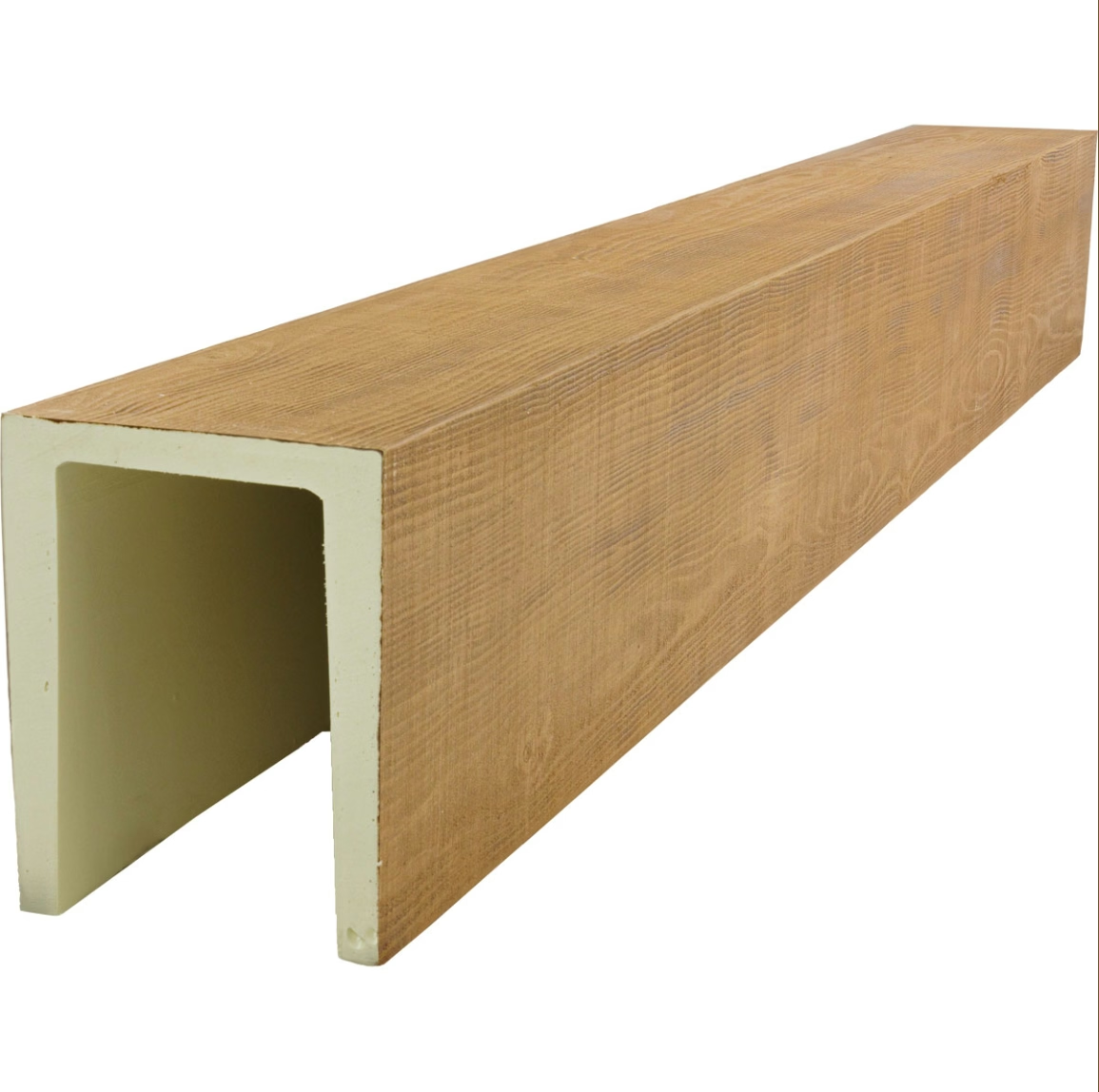
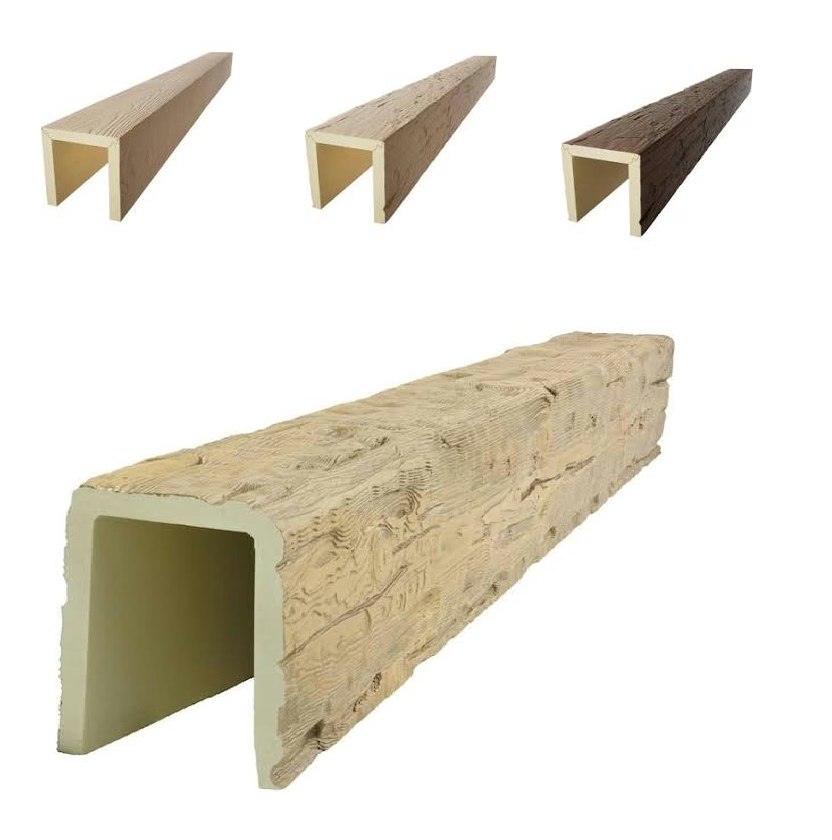
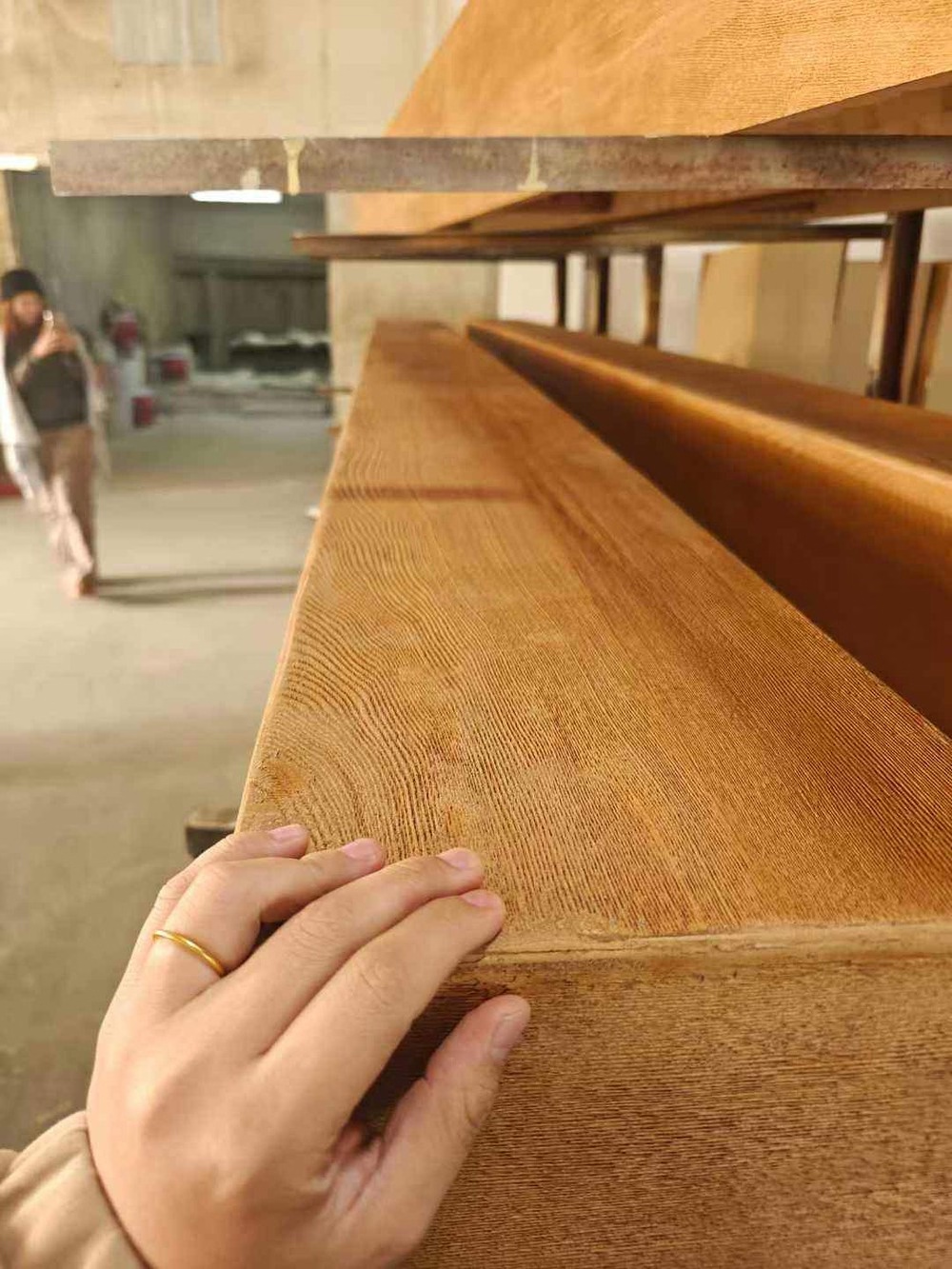
The vocabulary of interior design includes terms that carry different meanings to different audiences. "Fake wood" and "simulation" carry connotations that some designers find uncomfortable, suggesting deception or inferiority. Yet these terms accurately describe products that serve legitimate purposes extremely well. The question is not whether simulation is appropriate but rather whether the simulation in question achieves its intended purpose convincingly enough to justify its use.
Convincing simulation requires understanding what makes the simulation target valuable in the first place. Timber's value in architectural applications derives from its visual qualities—grain patterns, color variations, dimensional proportions, surface texture—and from its associations with craft, nature, and age. Effective simulation captures these qualities with sufficient fidelity that the resulting product serves the design purpose without requiring the costs and compromises that authentic timber entails.
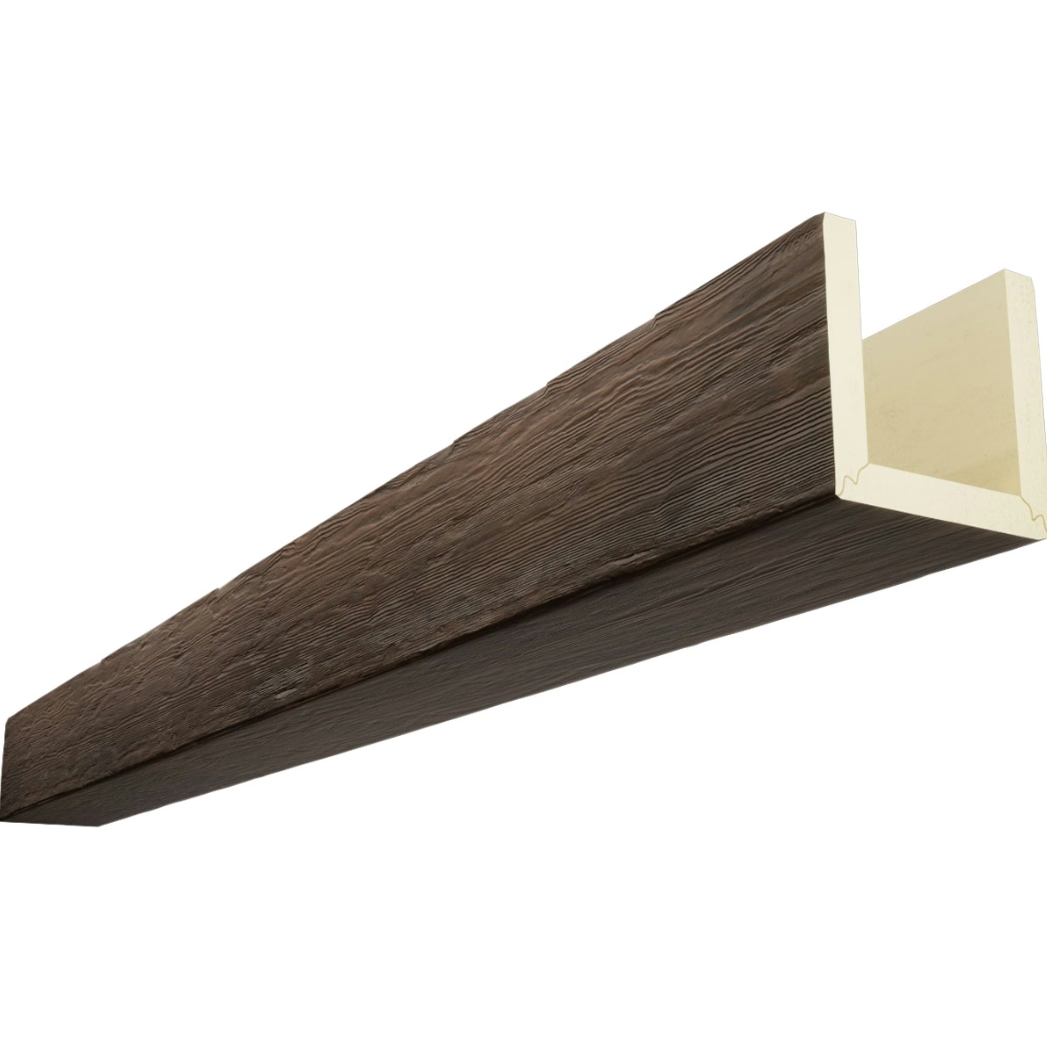
Polyurethane simulation wood beams represent mature technology that has evolved substantially over decades of development. Current products achieve levels of realism that earlier generations could not approach, while providing performance characteristics that authentic timber cannot match. Understanding this evolution helps explain why these products deserve serious consideration for applications where timber aesthetics are desired.
The Manufacturing Technology Behind Convincing Simulation
Modern simulation wood manufacturing draws on multiple technologies that work together to create realistic products. Each contributes capabilities that combine to produce results greater than any single approach could achieve.
Mold technology captures the surface characteristics of real wood with extraordinary fidelity. Molds created from actual wood samples reproduce grain patterns, knot structures, and surface textures at resolutions that exceed what unaided perception can resolve. The resulting cast surfaces present the same visual information that eyes would receive from the original wood, creating visual responses that mimic those triggered by genuine timber.
Finishing technology applies color and texture in ways that simulate natural wood's appearance without relying on the actual material properties that create those appearances in nature. Stain technologies create color variations that mimic wood's differential absorption. Texturing techniques break up uniform surfaces with the irregularity that characterizes natural materials. The combination produces surfaces that read as wood to observers.
Quality control ensures consistency across production runs and within individual pieces. Variations that would occur naturally in real timber are intentionally reproduced to maintain authenticity, while variations that would indicate defects in natural wood are avoided through process control. The result is simulation that reads as consistently timber-like without the defects that would compromise appearance.
Hollow-Core Construction Advantages
The internal construction of simulation wood beams differs substantially from natural timber, with implications for weight, handling, and installation that affect practical application.
Hollow-core geometry dramatically reduces weight compared to solid material of equivalent external dimensions. A hollow beam weighing 15 pounds replaces what would otherwise be a beam weighing 80 pounds or more. This difference transforms the logistics of handling, the requirements for mounting hardware, and the feasibility of ceiling applications in structures that cannot support substantial point loads.
Internal structure in quality hollow beams includes reinforcement that provides impact resistance and structural integrity. This reinforcement prevents the crushing, splitting, or denting that hollow plastic products sometimes exhibit. The beam maintains its shape despite the handling and mounting stresses that installation involves.
The hollow interior accommodates electrical wiring, HVAC runs, or other services that benefit from concealment. This practical advantage extends the utility of beam installations beyond mere appearance. The beam simultaneously serves aesthetic and functional purposes that would otherwise require separate solutions.
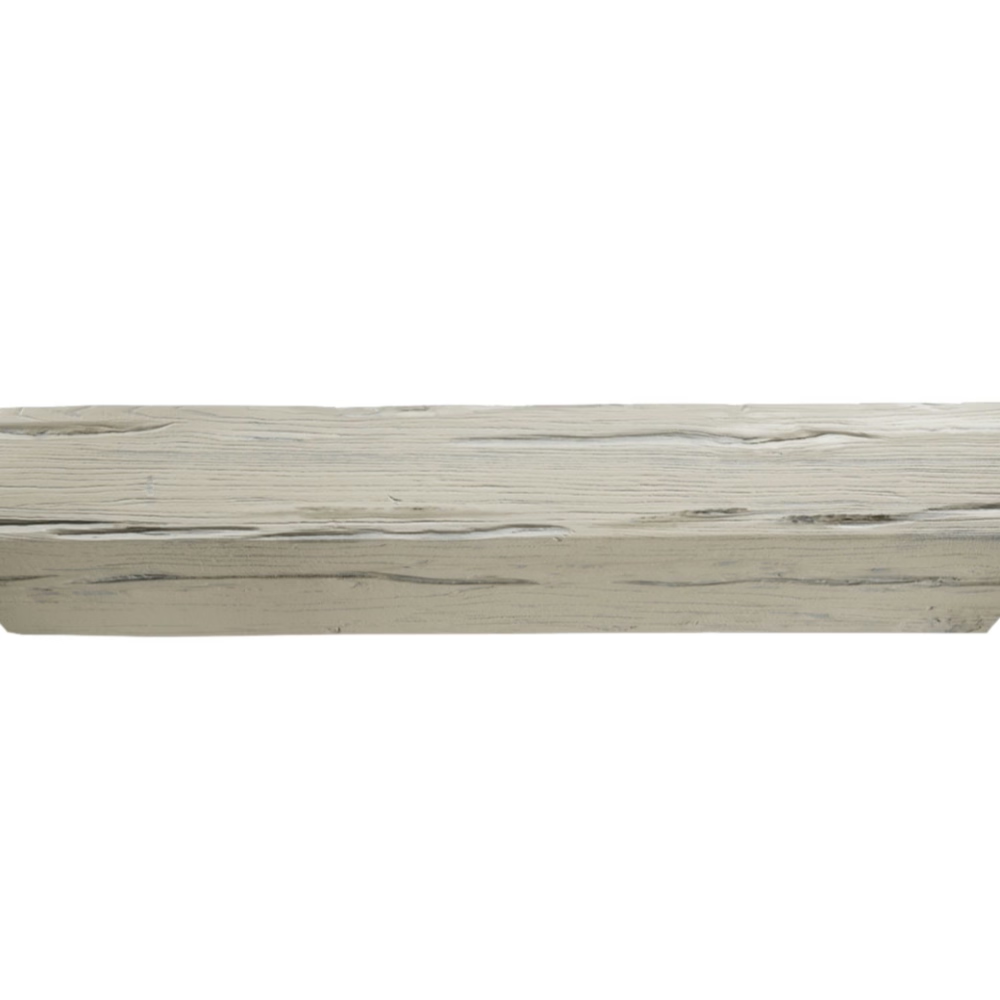
Appearance Quality and Authenticity
The visual quality of simulation wood beams determines whether the simulation succeeds. Products that fail to convince require explanation and apology; products that succeed require no justification at all.
Grain pattern quality varies substantially across manufacturers and product lines. Premium products feature grain patterns with appropriate density, realistic knot placement, and natural variation that avoids the repetitive appearance of cheaply produced alternatives. The grain should guide the eye along the beam length in ways that suggest the growth patterns of real trees.
Color accuracy depends on both the base color and the variations that give wood its visual interest. Premium products achieve color matches to specified species with consistency that ensures uniform appearance across all pieces in an installation. The color should read as natural rather than as painted or artificially applied.
Surface texture completes the illusion of authenticity. The texture should catch light appropriately, reflecting and absorbing in ways that simulate wood's interaction with illumination. Shiny plastic surfaces read as fake regardless of how accurate the color or grain may be. The texture should feel appropriate to the touch as well as appearing correct to the eye.
Installation Efficiency and Practicality
Simulation wood beams install using methods adapted to their specific material properties. Understanding these methods ensures successful outcomes that maximize the practical advantages the material provides.
Mounting approaches utilize the hollow-core construction to advantage. The interior space accommodates hardware that would be exposed in solid-material beams. Hidden mounting systems create clean appearances without visible fasteners. The lightweight nature of the beams means that mounting loads remain modest compared to timber installations.
Cutting and modification on site adapts factory-produced beams to field conditions. Standard cutting tools work with polyurethane, though blade selection affects cut quality. Beams can be trimmed to length, notched for obstructions, and modified for custom conditions. The predictability of factory production ensures that modifications proceed predictably.
Joining multiple pieces creates longer spans or complex configurations. Mitered joints align beam ends for clean corner transitions. Scarf joints connect beams along their length when spans exceed available lengths. Adhesive bonding creates joints that become invisible after finishing.
Maintenance and Long-Term Performance
The maintenance requirements of simulation wood beams differ substantially from authentic timber, with implications for total ownership cost and practical convenience.
Cleaning involves simple dust removal and occasional washing. The non-porous surface does not absorb stains and resists the accumulation of contaminants that porous wood would retain. Standard household cleaning products suffice without the specialized treatments that wood might require.
Damage resistance exceeds that of natural wood in most respects. Impact, moisture, and insect challenges that would damage real timber leave polyurethane unaffected. The surface maintains its appearance despite conditions that would require repair or replacement if authentic timber had been specified.
Longevity in well-maintained installations extends for decades. The materials do not degrade, rot, or fail in ways that necessitate replacement. The initial investment is amortized across a service life that rivals or exceeds that of the buildings they occupy.
Selecting Quality Simulation Products
Not all simulation wood beams achieve the quality that convinces and satisfies. Discerning selection ensures that the simulation delivers its intended value.
Sample evaluation provides the most reliable quality assessment. Physical examination of actual product samples reveals texture, color, and construction quality that photographs cannot fully communicate. Requesting samples before committing to specifications prevents disappointment.
Manufacturer reputation indicates likely product quality. Companies with established track records in simulation wood products have accumulated the expertise that quality requires. New entrants may produce variable quality until they develop their processes and standards.
Specification compliance ensures that purchased products match the quality expected. Testing samples against specifications verifies that what is delivered matches what was selected. Any discrepancies should be resolved before installation proceeds.
Simulation fake wood ceiling beams have earned their place in the toolkit of interior design. When quality products are properly specified and installed, the simulation achieves its purpose: authentic timber appearance without authentic timber's complications.
Technical References
ASTM standards cited in every specification
Test Data
Lab results from internal testing program
Updated 2026
Reviewed against current product specs