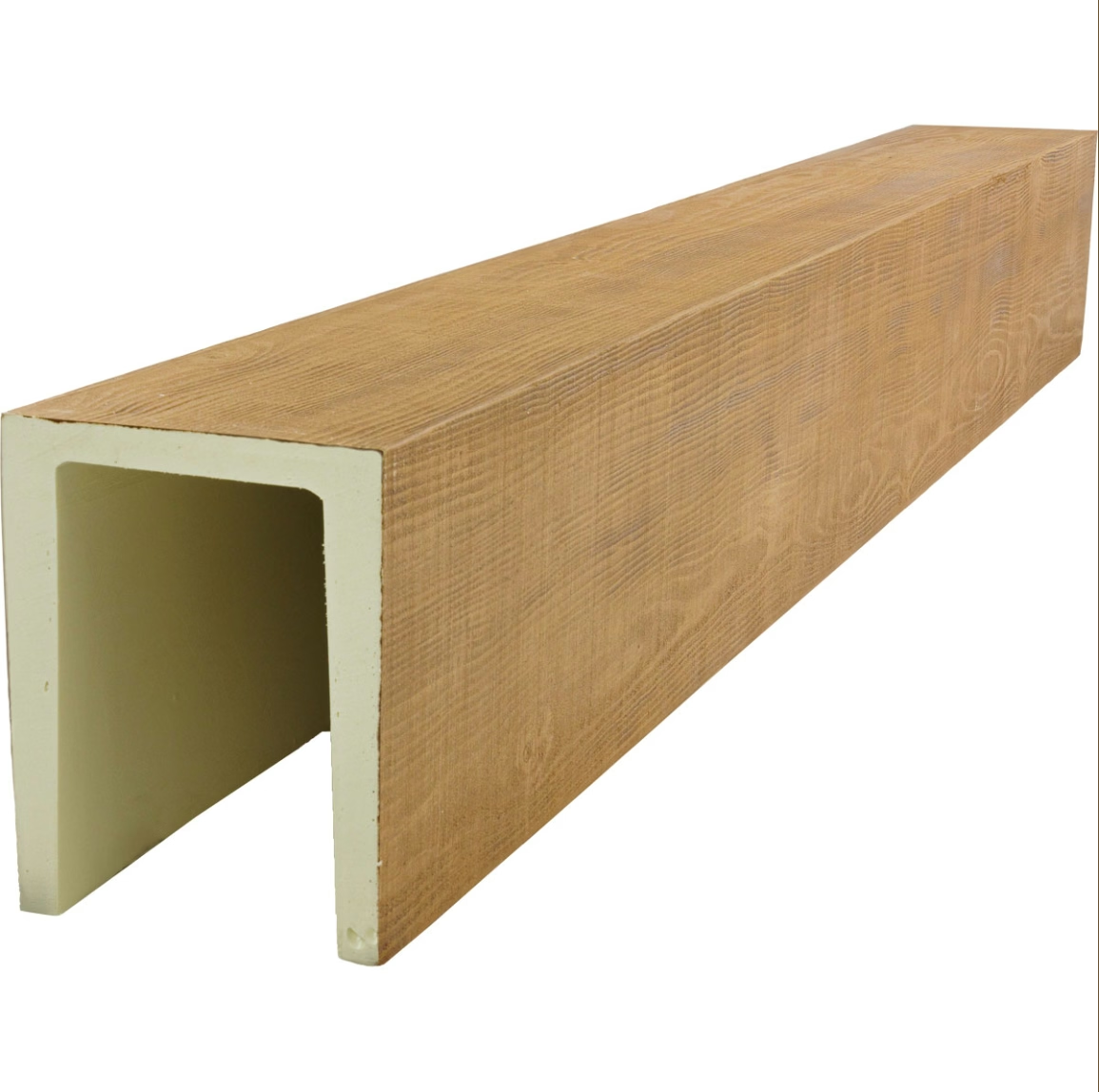
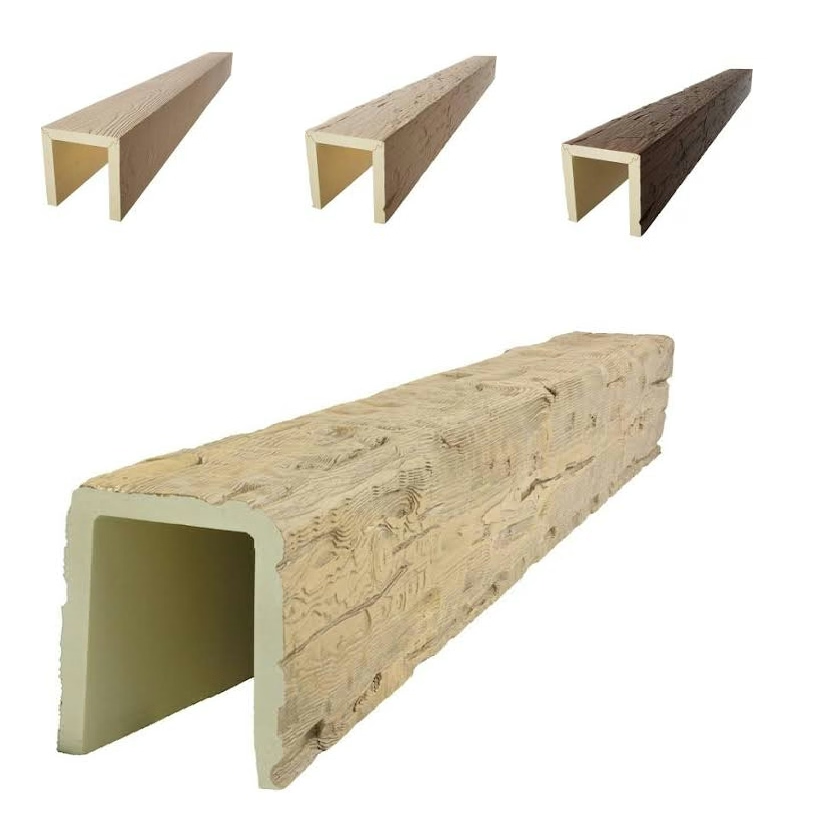
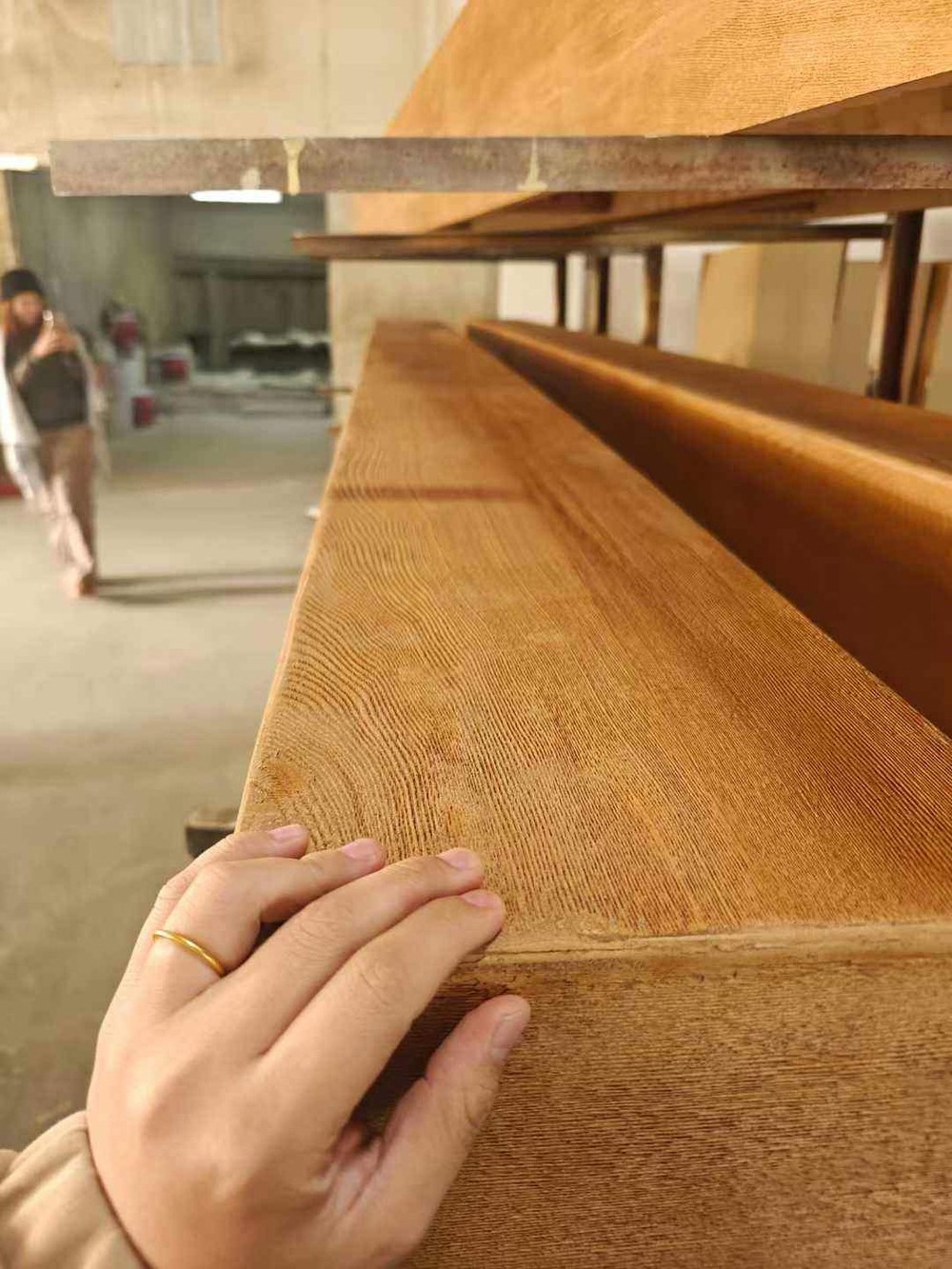
Durability in architectural products encompasses more than simple toughness. A truly durable material maintains its appearance, dimensions, and performance characteristics throughout its service life despite the environmental challenges that buildings inevitably present. Temperature cycling, humidity variation, UV exposure, physical contact, and chemical exposure all test material durability over time. Products that survive these challenges without significant degradation earn the designation of durable construction materials.
Urethane-based faux wood beams have earned this designation through decades of successful installations across demanding applications. The material properties that urethane provides address each durability challenge directly, creating products that maintain their design intent through years of service without the maintenance interventions that less durable alternatives require.
Material Properties That Define Durability
Urethane chemistry provides a foundation of material properties that enable the durability characteristics architects and building owners require. Understanding these properties helps explain why urethane performs as well as it does.
Impact resistance in properly formulated urethane exceeds that of natural wood by substantial margins. The material absorbs and distributes impact energy rather than transferring it directly to the point of contact. This energy management prevents the dents, dings, and cracks that impact creates in more brittle materials. The beam maintains its intended appearance despite the incidental contacts that building use inevitably produces.
Flexural strength provides resistance to the bending stresses that ceiling beams experience. Urethane formulations maintain their strength over the temperature range that buildings experience, from cold winter conditions to summer heat. No seasonal weakening compromises performance at any time of year.
Compression resistance handles the loads that mounting hardware and structural connections impose. Beams must maintain their shape when fasteners draw them tightly against mounting surfaces. Urethane's compression characteristics ensure that this mounting does not distort or damage the beam.
Moisture and Environmental Resistance
Moisture represents one of the most significant durability challenges for wood-based materials. Urethane's resistance to moisture eliminates an entire category of durability concerns.
Water absorption testing demonstrates the fundamental difference between urethane and wood. While wood absorbs moisture readily, causing swelling, warping, and eventual deterioration, urethane repels water entirely. The material's hydrophobic nature maintains dimensional stability regardless of humidity conditions.
Mold and mildew resistance follows from moisture resistance and from urethane's inherent inhospitability to biological colonization. Wood provides food and habitat for organisms that can degrade its structure; urethane provides neither. The biological resistance extends the useful life of urethane products substantially.
Chemical resistance in premium urethane formulations handles the cleaning agents, atmospheric pollutants, and occasional chemical exposure that building interiors present. The surface maintains its appearance despite contact with substances that might stain or damage less resistant materials.
Thermal Performance Characteristics
Building interiors experience temperature variations that stress materials in ways that may not be obvious during normal observation. Urethane's thermal characteristics affect how beams perform across this temperature range.
Thermal expansion in urethane occurs but remains modest compared to many materials. The dimensional changes that temperature variation creates remain small enough to avoid the stress accumulation that could compromise joints or coatings. The beam maintains its fit and appearance despite seasonal temperature cycling.
Thermal conductivity affects how urethane beams interact with temperature differences between interior spaces and the areas above ceilings. The material does not conduct temperature efficiently, which means that surface temperatures remain closer to interior conditions than they might with more conductive materials. This characteristic affects how the beams feel to touch and how they interact with adjacent surfaces.
Temperature extremes, both high and low, challenge materials differently. Urethane maintains its properties across the range of temperatures that buildings experience, from unheated storage conditions through normal occupancy to the elevated temperatures that might occur near heat sources. No degradation occurs within the normal service temperature range.
UV Stability and Light Exposure
Interior light exposure, particularly from windows with significant UV transmission, can degrade materials over extended periods. Premium urethane formulations address this exposure through UV stabilization.
UV absorbers incorporated into premium formulations intercept damaging radiation before it can degrade the material beneath. These additives absorb UV energy and dissipate it harmlessly, preventing the chain reactions that cause discoloration, chalking, and surface degradation.
Accelerated weathering testing exposes samples to concentrated UV radiation that simulates years of natural exposure. Products that pass these tests demonstrate the UV stability that interior applications require. Documentation of weathering test results supports specification for projects in challenging light conditions.
Color retention in UV-stable formulations maintains the original appearance despite prolonged light exposure. The beam continues to look newly installed years after installation, without the fading or yellowing that less stable materials exhibit.
Structural Performance Under Load
Ceiling beams experience structural demands from their own weight, from mounting loads, and from any additional weight they may support. Urethane's structural characteristics handle these demands reliably.
Creep resistance ensures that beams maintain their dimensions despite sustained loading. Some materials gradually deform under constant load, a phenomenon called creep. Urethane formulations resist creep effectively, maintaining their shapes throughout their service lives.
Connection strength at mounting points determines how securely beams remain attached to their supports. Urethane's properties enable strong mechanical connections that maintain their integrity over time. Screw holding, adhesive bonding, and bracket attachment all perform reliably.
Load distribution in hollow-core beams requires internal structure that transfers loads effectively. Premium urethane beams include reinforcement that provides this capability. The hollow appearance does not compromise the structural performance that installation requires.
Long-Term Value Through Durability
The durability of urethane beams creates economic value that extends beyond simple maintenance savings. The total cost of ownership over the life of the installation favors materials that maintain their performance without intervention.
Maintenance cost elimination represents the most direct durability benefit. No refinishing, no repairs, no replacement of damaged sections—the ongoing costs that less durable materials generate simply do not occur with urethane beams.
Replacement avoidance through durability means that the initial investment serves the full life of the building rather than requiring renewal partway through. The avoided replacement cost substantially exceeds any initial premium that premium materials might carry.
Resale value maintenance affects building owners who may sell their properties. Interiors that maintain their appearance command higher prices than those showing signs of wear and age. The durability that preserves appearance also preserves property value.
The durability of urethane material makes it the logical choice for projects that prioritize long-term performance over initial cost savings. The investment in quality materials delivers returns that accumulate throughout the service life of the installation.
Technical References
ASTM standards cited in every specification
Test Data
Lab results from internal testing program
Updated 2026
Reviewed against current product specs