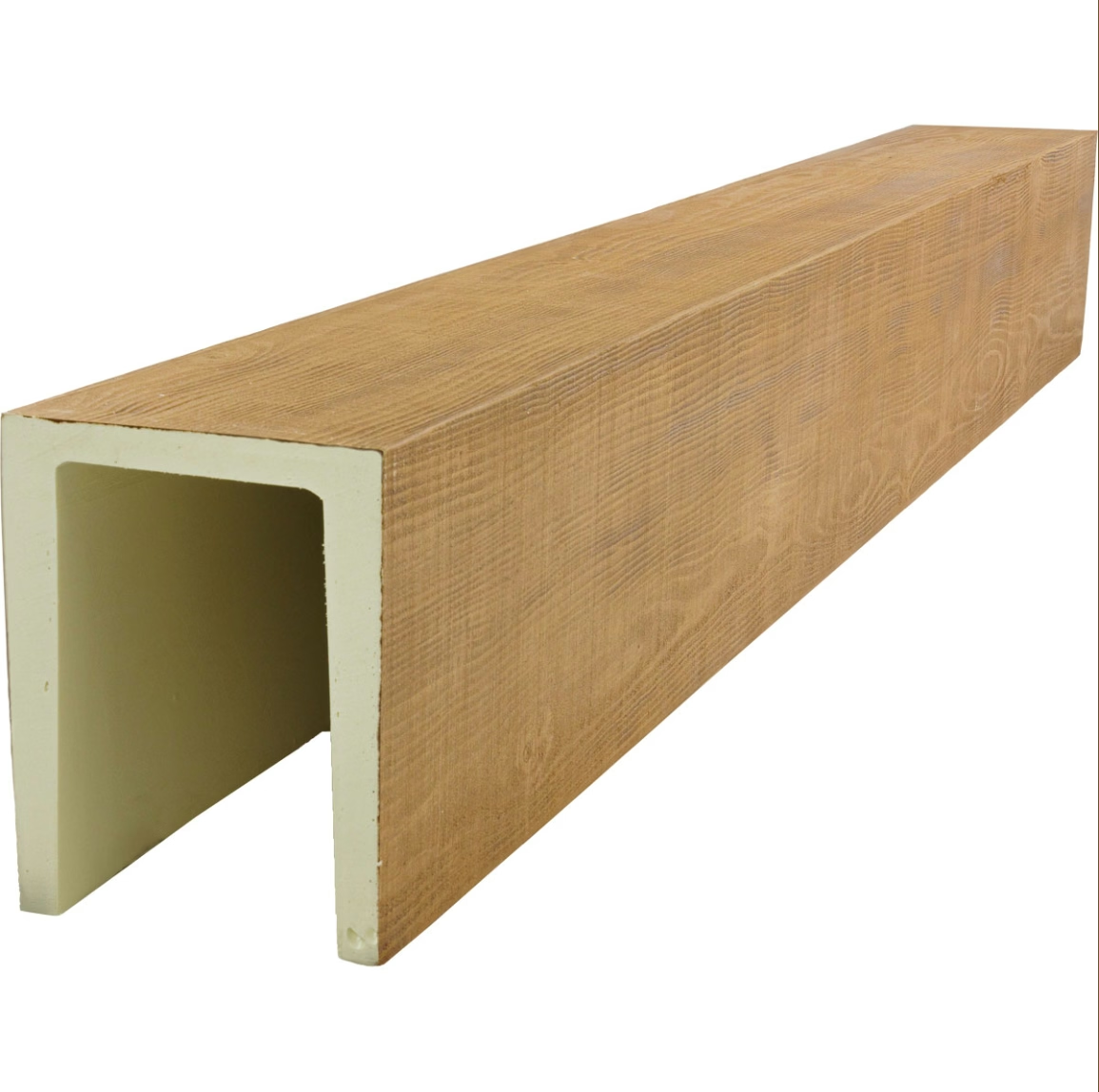
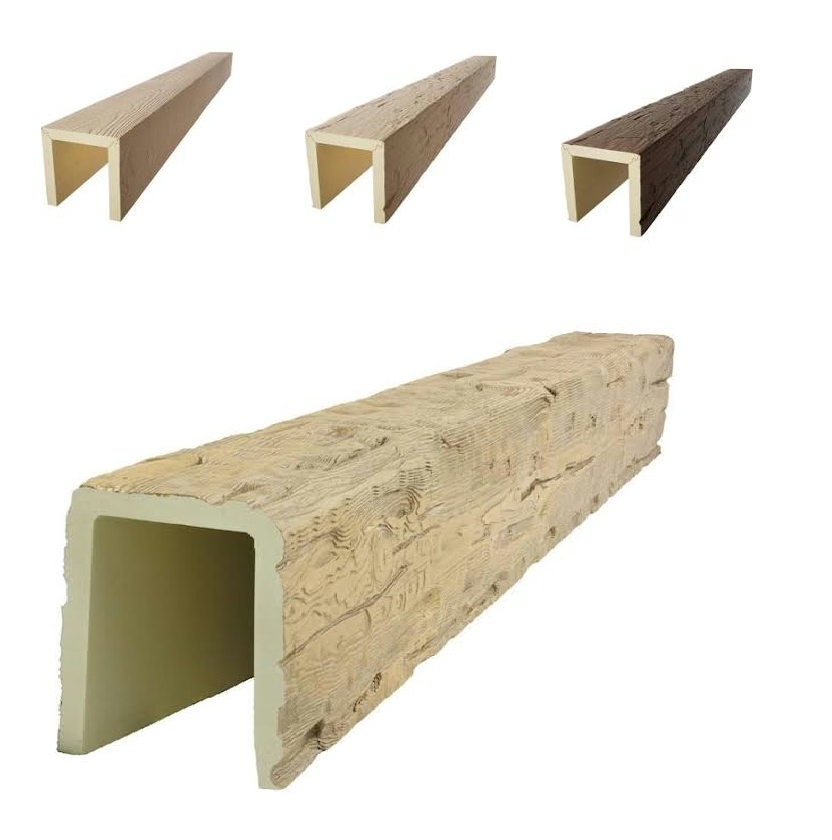
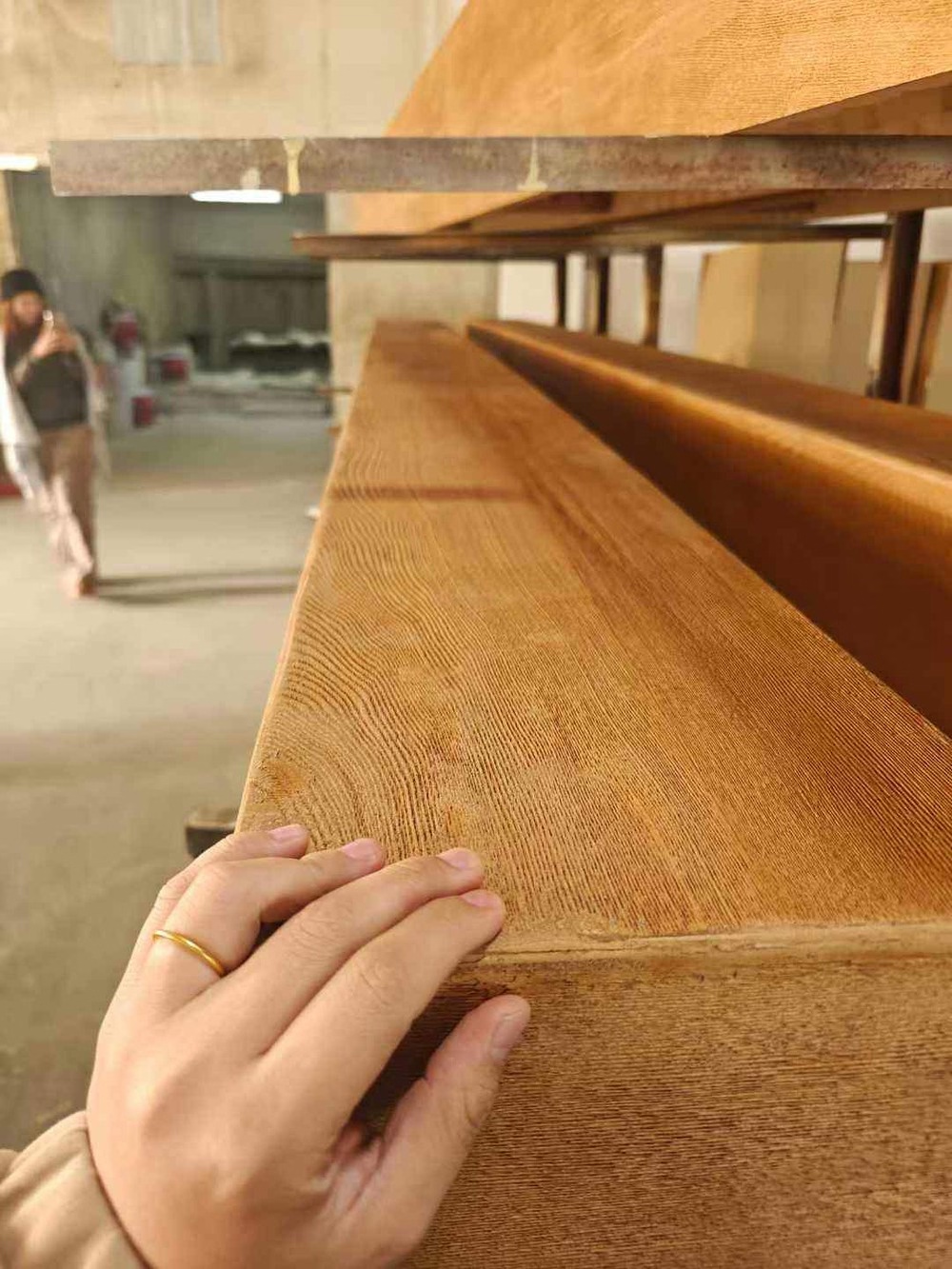
End cap availability represents a frequent question from buyers specifying faux wood beams for projects where beam ends will be visible. Understanding what's typically included with beam purchases, what options exist for different installation configurations, and how end treatment affects overall appearance helps buyers plan purchases accurately and avoid surprises during installation.
Standard End Cap Inclusions
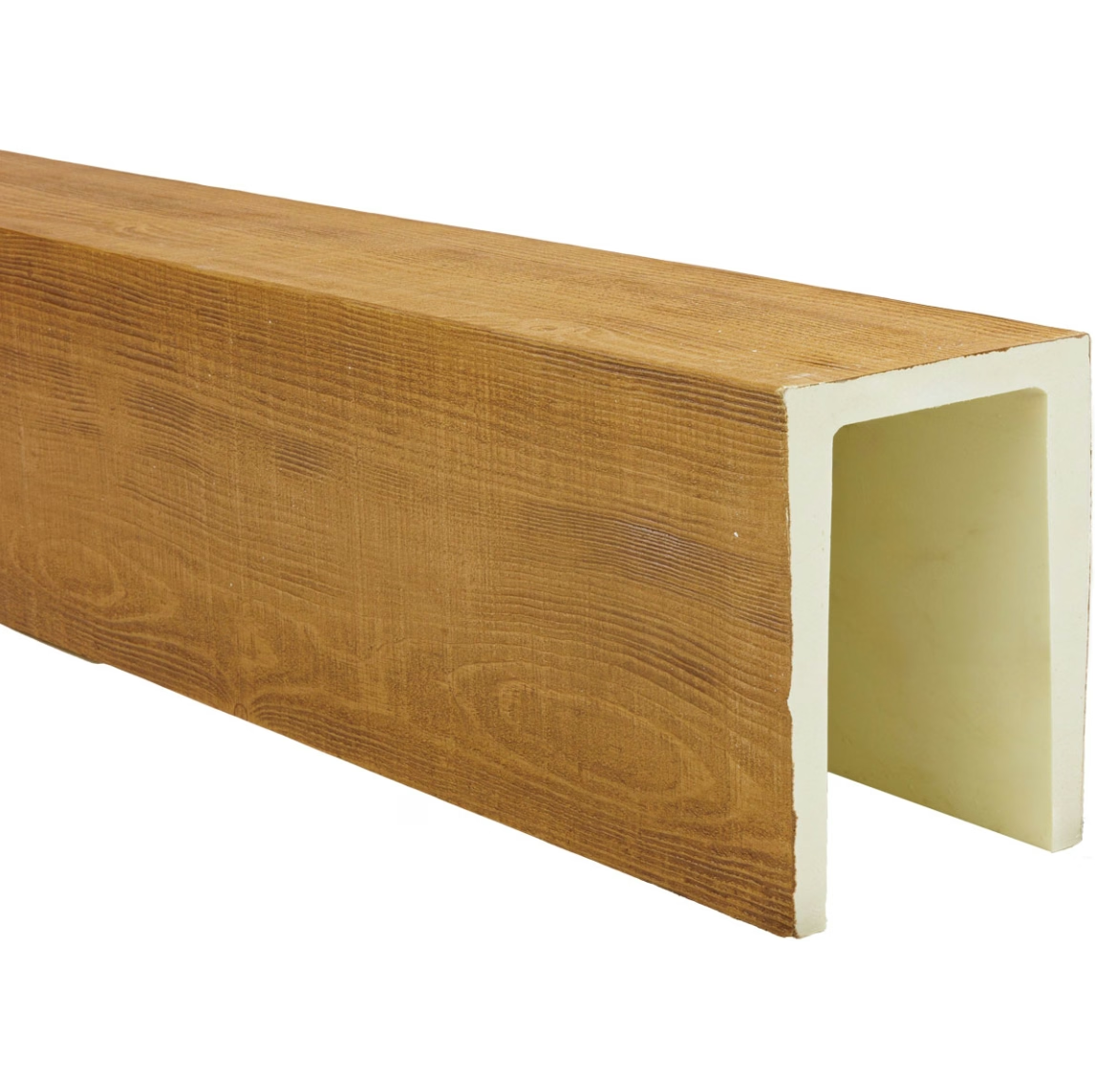
Most faux wood beam manufacturers include matching end caps as standard components with beam purchases. These caps attach to beam ends during or after installation, providing finished appearance that matches beam faces. Factory-finished caps receive the same treatment as beam surfaces, ensuring consistent color, texture, and sheen across the complete installation.
The number of end caps included typically corresponds to the beam configuration being ordered. Beams ordered with finished ends receive caps for both ends, while beams ordered for splicing or connection receive end treatment only at visible locations. Order specifications should clearly indicate end treatment requirements to ensure appropriate caps are included.
Cap attachment methods vary across manufacturers, with options including friction fit, adhesive bonding, and mechanical fastening. Understanding the attachment system helps installers prepare appropriately and ensures that caps remain securely attached throughout service life. Some systems require adhesive application before positioning, while others snap into place without additional materials.
End Cap Styles and Options
Standard square end caps provide clean termination for beams ending perpendicular to walls or other surfaces. These caps present the beam's cross-section at the end, with finish matching face treatment. The simple, clean appearance suits contemporary installations where minimal detail is preferred.
Mitered end caps prepare beams for corner installations where two beams meet at angles. These precision-cut caps create the matching miters that enable clean corner joints, with the cap profile guiding proper beam positioning during installation. Mitered caps typically require careful handling to avoid damage to the precision-cut edges.
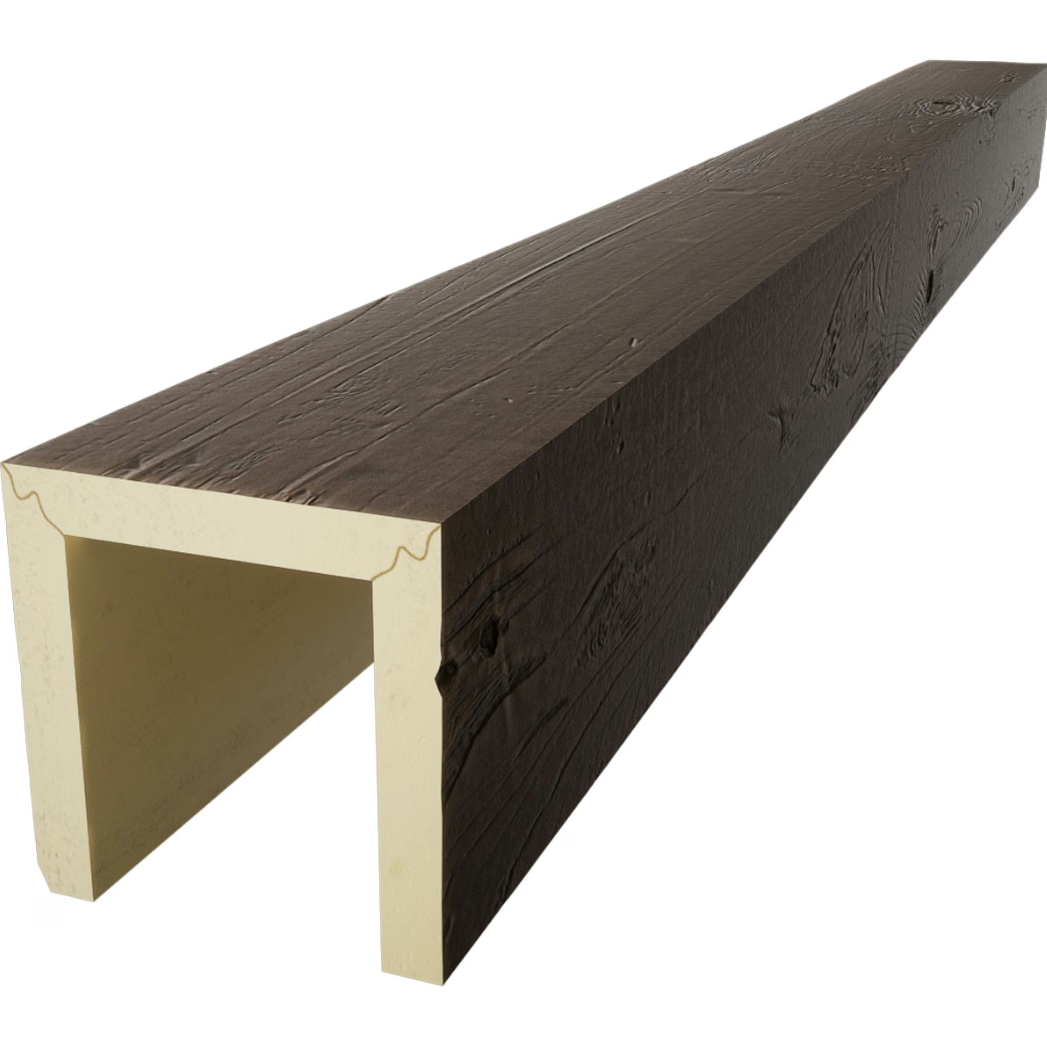
Decorative end caps feature profiled edges that add visual interest to exposed beam terminations. These options range from simple chamfers to elaborate carved appearances, depending on the aesthetic being pursued. Decorative options typically cost more than standard caps but may justify the investment in prominently visible applications.
When End Caps May Not Be Included
Mill inventory or cut-to-length beams sometimes ship without end caps, as the final end treatment occurs after cutting to specification. These beams arrive with unfinished ends that require field finishing to match faces. This approach enables precise end treatment after measuring actual installation dimensions rather than relying on specified measurements that might differ from actual conditions.
Custom profile beams may require custom end caps that cannot be stocked efficiently. When ordering unusual beam dimensions or profiles, buyers should confirm whether matching end caps are available or must be custom produced. Custom cap production adds lead time and cost to orders.
Budget product lines sometimes exclude end caps to reduce purchase prices, with caps available as optional add-ons. Buyers comparing prices across manufacturers should confirm whether end caps are included, as apparent price differences may reflect different inclusions rather than genuine cost variations for equivalent products.

Alternative End Treatment Approaches
Field-applied end matching provides options when caps are unavailable or unsuitable. Wood filler, paintable sealers, and touch-up finishes enable installers to create finished appearances on beams without caps. This approach requires more skill than simply attaching caps but proves workable for experienced finishers.
Decorative trim elements can frame beam ends when standard caps don't suit the installation aesthetic. Trim pieces available in wood or polyurethane can create distinctive end treatments that add character to installations. This approach works particularly well for rustic or traditional design schemes where elaborate end treatments complement overall aesthetics.
Integrated mounting approaches hide beam ends within mounting structures, eliminating visible end treatment entirely. When beams mount into pockets, behind trim, or within other architectural elements, exposed ends disappear and with them the need for end cap treatment. This approach works well for installations where beam termination points fall within concealed locations.
Matching Considerations for Custom Projects
Finish matching between beams and caps should be verified before installation begins. Even factory-finished products can vary slightly between pieces, and checking compatibility before committing to installation prevents the disappointment of discovering mismatches after completion. Holding samples for comparison helps verify appropriate matching.
Texture continuity across beam-to-cap junctions affects overall authenticity. When grain patterns flow naturally across the junction, the result appears intentional and seamless. When texture patterns interrupt or misalign at junctions, the discontinuity signals manufactured assembly rather than natural wood. Careful cap selection and positioning helps ensure natural-looking transitions.
Color consistency throughout installations requires attention to finish aging and environmental effects. Beams and caps in consistent environmental conditions age uniformly, while pieces in different conditions may develop visible differences over time. Positioning beams and caps from the same production batch in consistent exposure conditions helps maintain appearance unity.
Purchasing Guidance
Confirming end cap inclusions before ordering prevents surprises during installation. Speaking directly with manufacturers or distributors about specific product inclusions clarifies what will arrive with beam orders. This conversation also identifies any customization requirements that might affect availability or lead time.
Ordering extra end caps provides insurance against damage during installation or future service. The modest additional cost for backup caps prevents project delays if caps break during handling or become damaged during installation. Having replacement caps available simplifies repairs if damage occurs years later.
Understanding replacement availability helps with long-term maintenance planning. When caps become damaged or require replacement, being able to obtain matching replacements preserves installation appearance. Confirming that current products remain in production—or documenting specifications for custom matches—prevents future matching challenges.
End cap availability and inclusion vary across manufacturers and product lines, but matching caps are typically available and often included with beam purchases. Understanding these details before ordering ensures that installations can be completed as planned without requiring additional component sourcing or field finishing work.
Technical References
ASTM standards cited in every specification
Test Data
Lab results from internal testing program
Updated 2026
Reviewed against current product specs