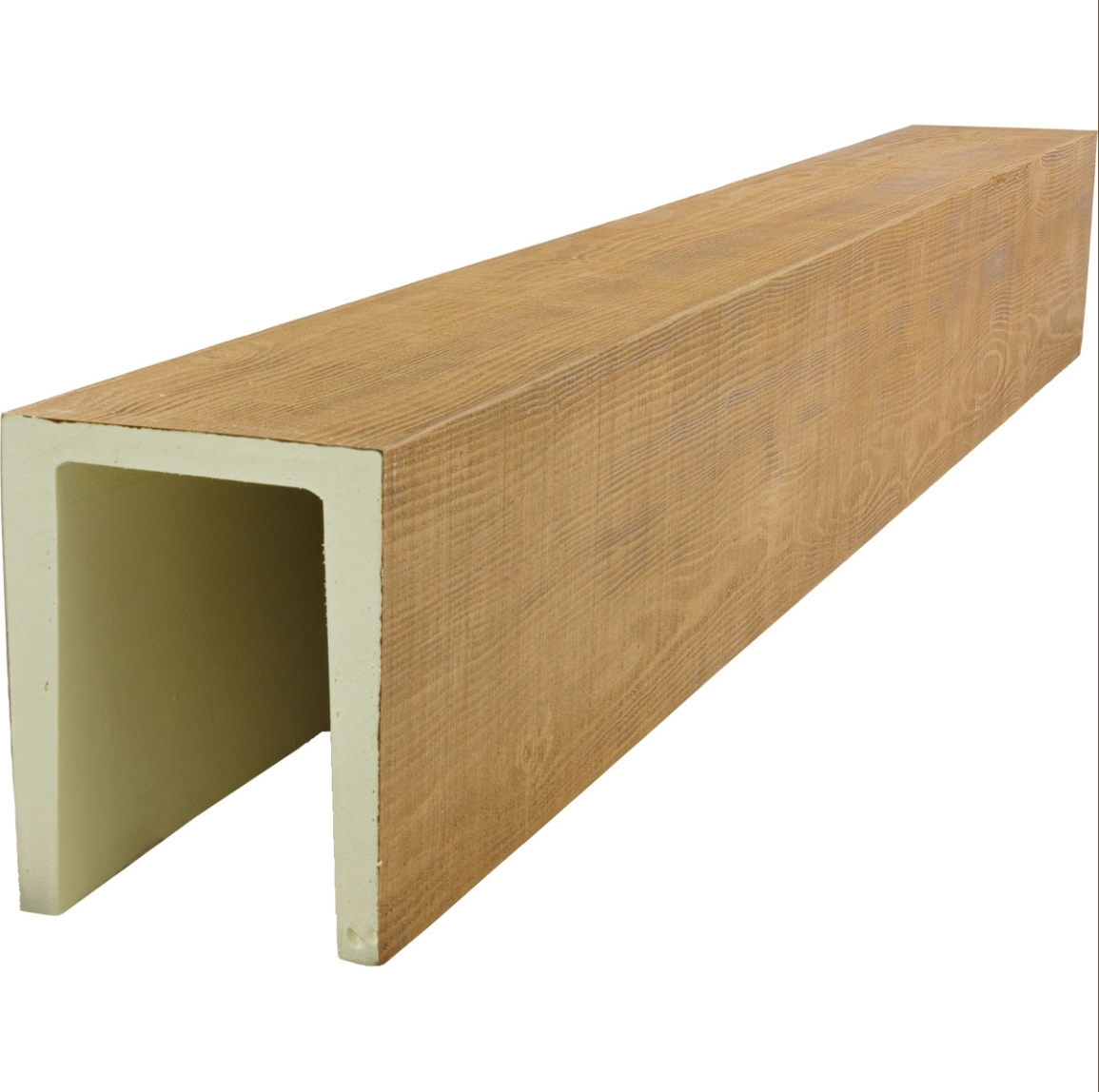
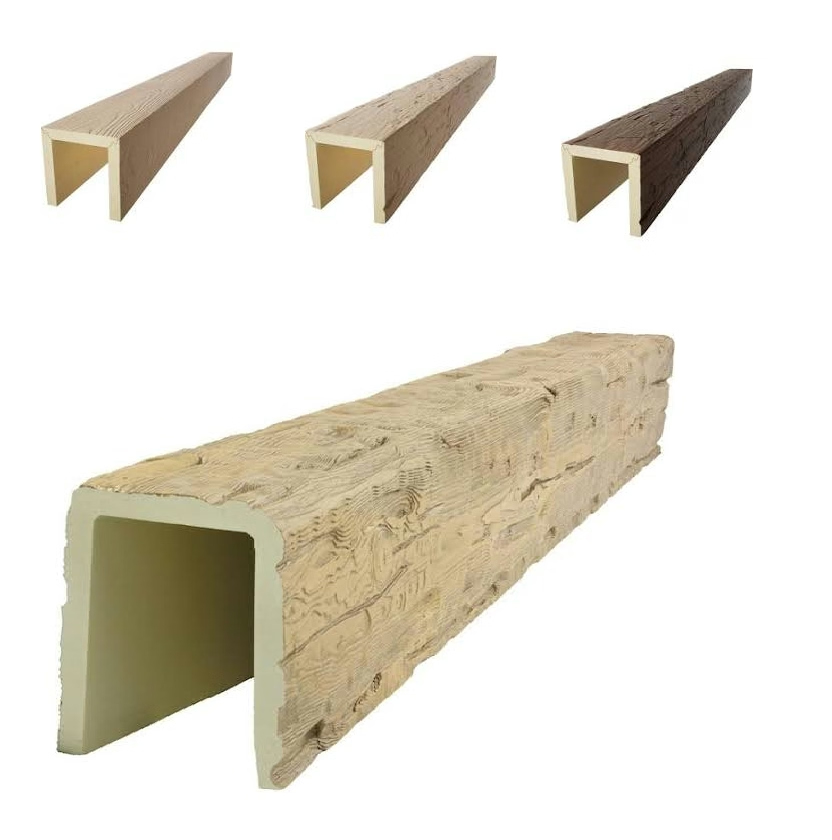
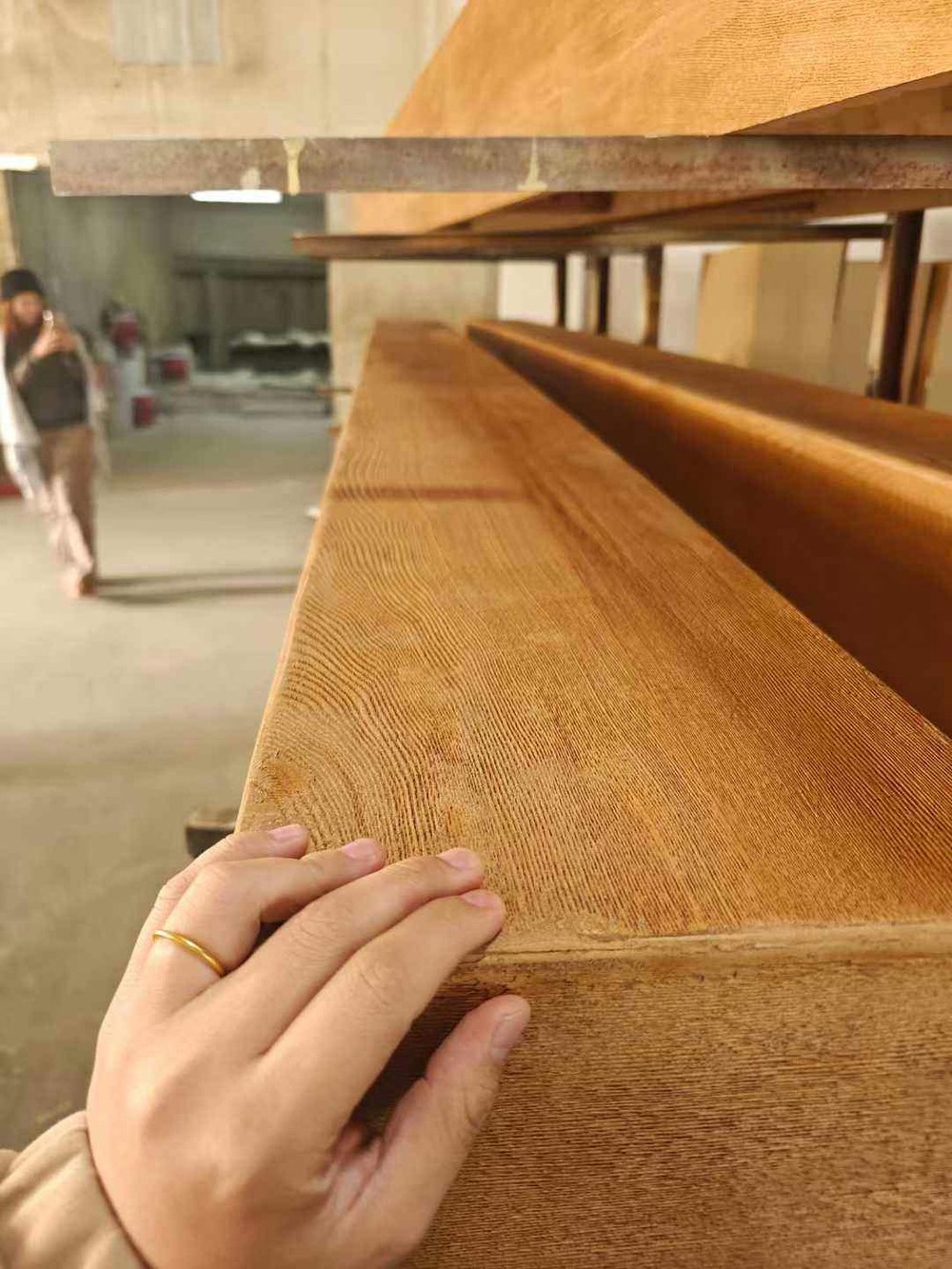
When specifying polyurethane faux wood beams for architectural projects, one of the most frequently asked questions revolves around dimensional limitations. Specifically, clients want to know how long a single piece can be manufactured without joints or seams. This article addresses those concerns based on production capabilities and practical considerations that affect both design and installation.

Manufacturing Constraints on Beam Length
The maximum length of a single-piece polyurethane faux wood beam is primarily determined by the physical constraints of the molding and extrusion process. Our production facilities utilize specialized equipment that can produce continuous lengths up to approximately 4 meters, or roughly 13 feet, in a single pour. This limitation exists because the polyurethane chemical reaction requires uniform distribution and controlled curing conditions that become difficult to maintain beyond this length.
Beyond the manufacturing equipment itself, the cooling and setting process plays a crucial role. Polyurethane undergoes an exothermic reaction during curing, and excessive length creates temperature gradients that can compromise structural integrity. The material needs consistent thermal conditions to achieve the proper density and surface finish that distinguishes premium faux wood beams from inferior alternatives.
Raw material formulation also affects maximum achievable length. Higher-density formulations designed to mimic dense hardwood species require longer cure times and tighter quality controls. These premium products may have slightly shorter maximum lengths compared to standard-density options, as the additional material mass creates more challenging thermal management during production.
Shipping and Handling Considerations
Even when production allows for longer beams, logistics frequently impose their own limitations. Standard shipping containers and freight vehicles have dimensional constraints that affect what can practically be transported. A beam longer than 4 meters may require specialized shipping arrangements, increasing costs significantly and sometimes making shorter sections with hidden joints the more practical choice.
Commercial freight carriers typically impose maximum length limits for standard shipments. Packages exceeding these thresholds fall into oversize cargo categories, requiring dedicated trucks or flatbed transport. For international shipments, container dimensions become the governing factor. A standard 40-foot container can accommodate beams up to approximately 11.8 meters if positioned diagonally, but practical considerations usually keep maximum lengths closer to 6 meters for standard loading.
Warehouse storage and jobsite delivery create additional constraints. Construction sites often have limited space for maneuvering long materials, and interior installation may be impossible with beams exceeding hallway or doorway dimensions. Experienced installers frequently recommend measuring all access points before specifying single-piece beams, as a beam that cannot physically enter the building serves no purpose regardless of its manufacturing feasibility.
Design Strategies for Long Spans
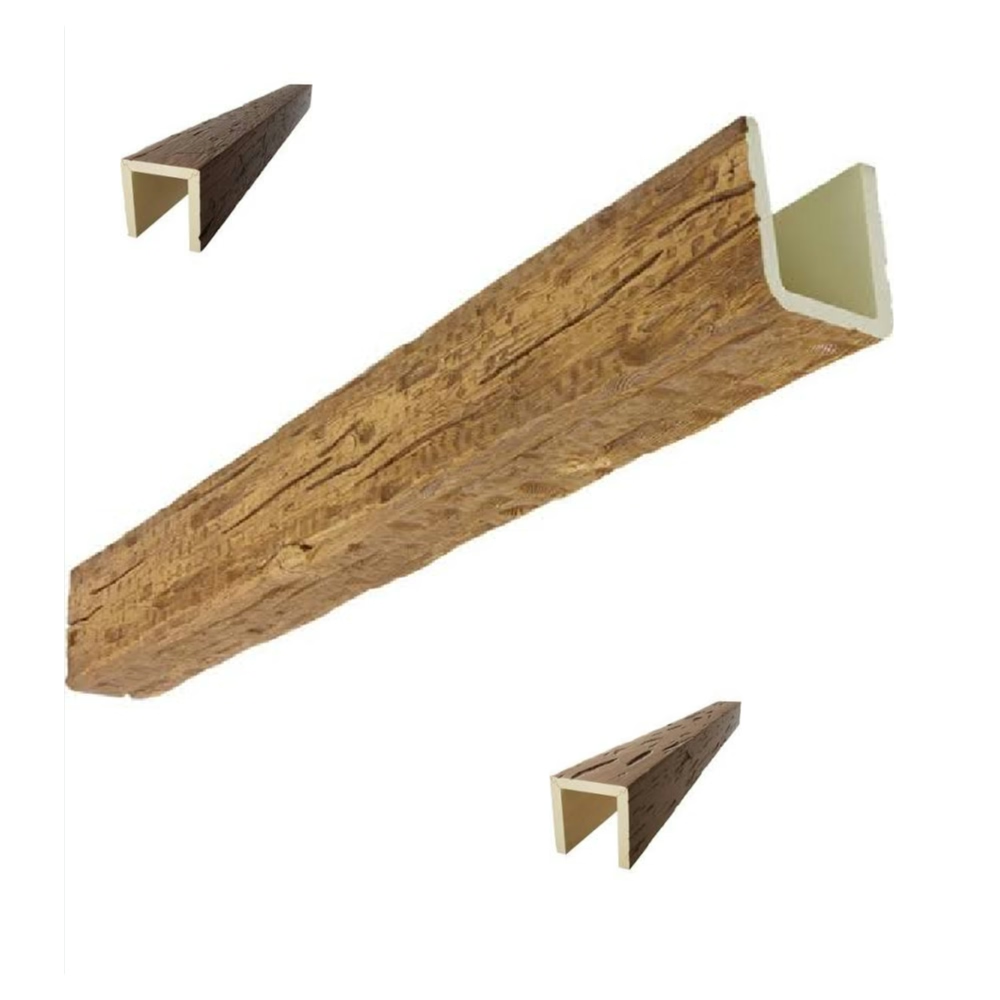
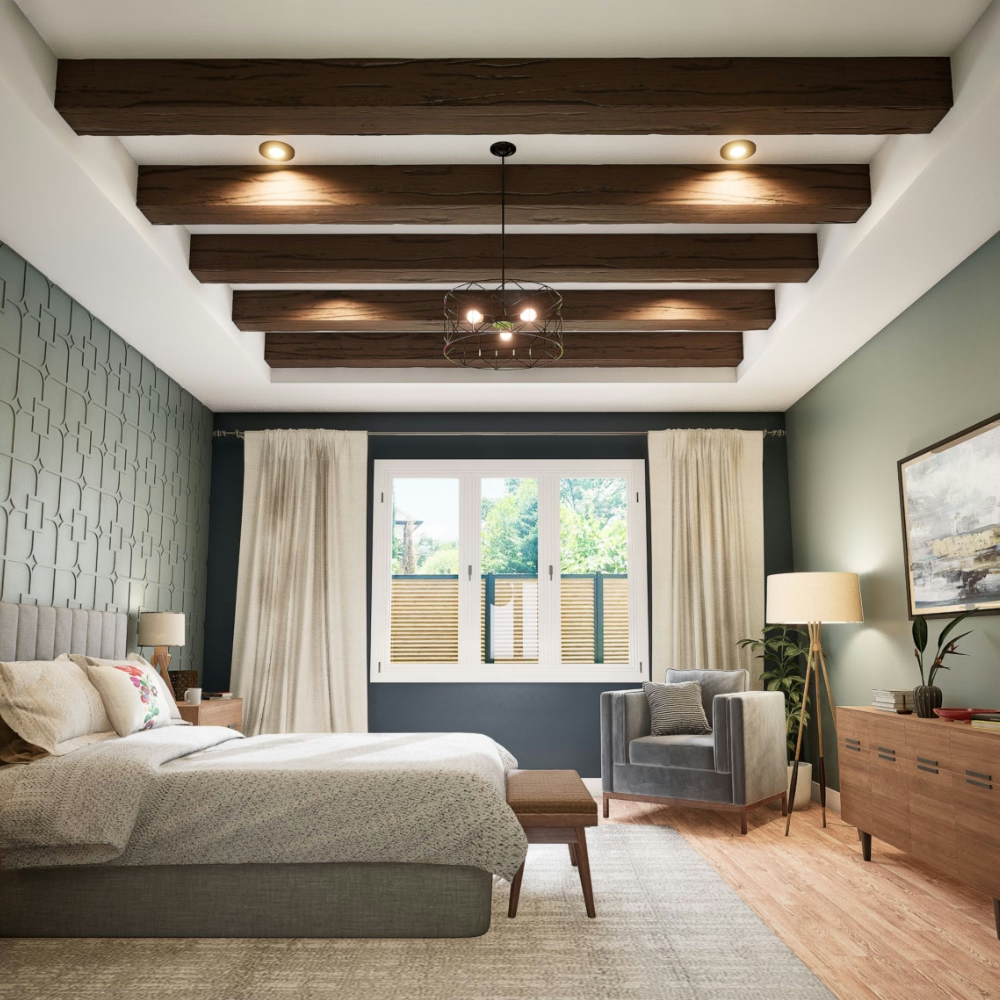
Architects and designers have developed several strategies to achieve the appearance of continuous beams across long spans. The most common approach involves using multiple shorter sections with strategically placed joints. When executed properly, these joints become nearly invisible, especially when positioned near existing structural elements or architectural features that naturally break the visual line.

Faux timber trusses represent another elegant solution for covering extended spans. These prefabricated assemblies combine multiple beam elements with connecting plates and braces, creating the appearance of traditional timber construction while using manufactured components that arrive ready for installation. The truss approach allows spans of 6 meters or more while maintaining the visual weight and character of authentic timber.
For projects requiring maximum visual impact with minimum seams, consider specifying faux beams in conjunction with decorative beam caps and trim pieces. These accessories can disguise joints while adding architectural detail that enhances the overall aesthetic. Corner pieces, end caps, and beam straps transform potential weak points into design features that contribute to the rustic or traditional appearance clients often seek.
Technical Specifications and Tolerances
Premium polyurethane faux wood beams maintain consistent cross-sectional dimensions throughout their length, which distinguishes them from natural wood alternatives that may bow, twist, or shrink over time. Our manufacturing process produces beams with dimensional tolerances of ±2mm on width and height, ensuring that multiple sections will align precisely when joined.
The longitudinal dimension tolerance is typically ±5mm per meter of length. This means a 4-meter beam might measure between 3.98 and 4.02 meters. When planning installations with multiple beam sections, this tolerance should be factored into joint placement and alignment strategies. For the tightest fits, consider having beams custom-cut to specification after on-site measurement.
Weight varies by profile and density but generally ranges from 1.5 to 3 kilograms per linear meter for standard profiles. This lightweight nature compared to natural timber (which typically weighs 5-8 kg per linear meter for similar dimensions) means that longer beams remain manageable during installation. However, the cumulative weight of extended sections still requires proper structural support and secure fastening methods.
Working with Your Supplier
Clear communication with your beam supplier ensures that dimensional requirements are met precisely. Provide exact measurements including ceiling height, span distances, and any obstacles that might affect installation access. Professional suppliers can recommend optimal beam lengths based on both manufacturing capabilities and practical installation considerations.
Custom lengths between standard sizes are often available, though they may affect pricing and lead times. Discussing these options early in the project planning phase allows for informed decisions that balance aesthetic goals with budget constraints. Many suppliers offer consultation services to help architects and contractors determine the most practical approach for specific applications.
Sample pieces can be provided before committing to full production, allowing verification of color, texture, and dimensional accuracy. This step is particularly valuable for projects where beam color must match existing woodwork or when specific profiles are being considered for the first time. Request samples early enough to allow for review and any necessary adjustments to specifications.
Technical References
ASTM standards cited in every specification
Test Data
Lab results from internal testing program
Updated 2026
Reviewed against current product specs