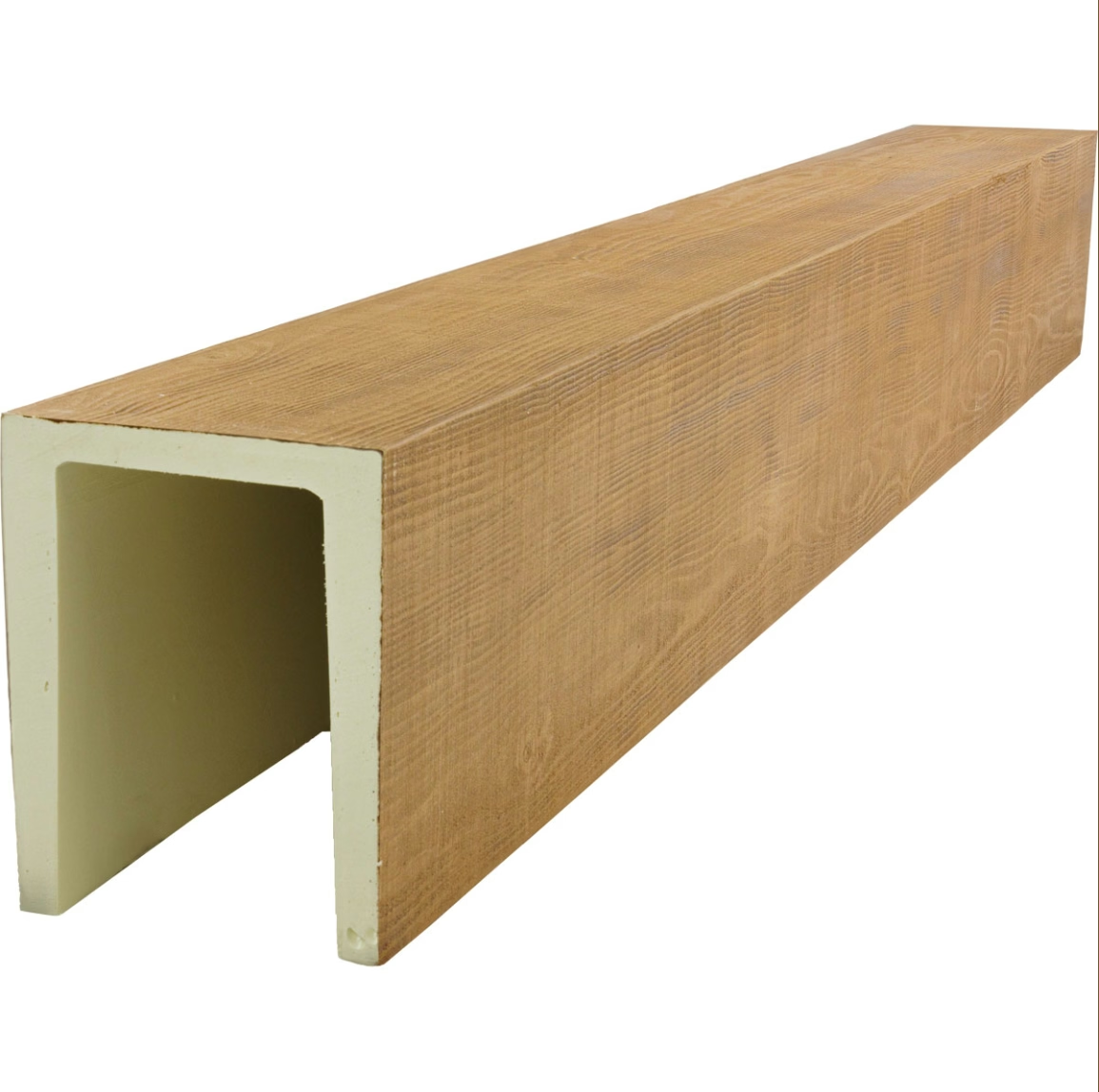
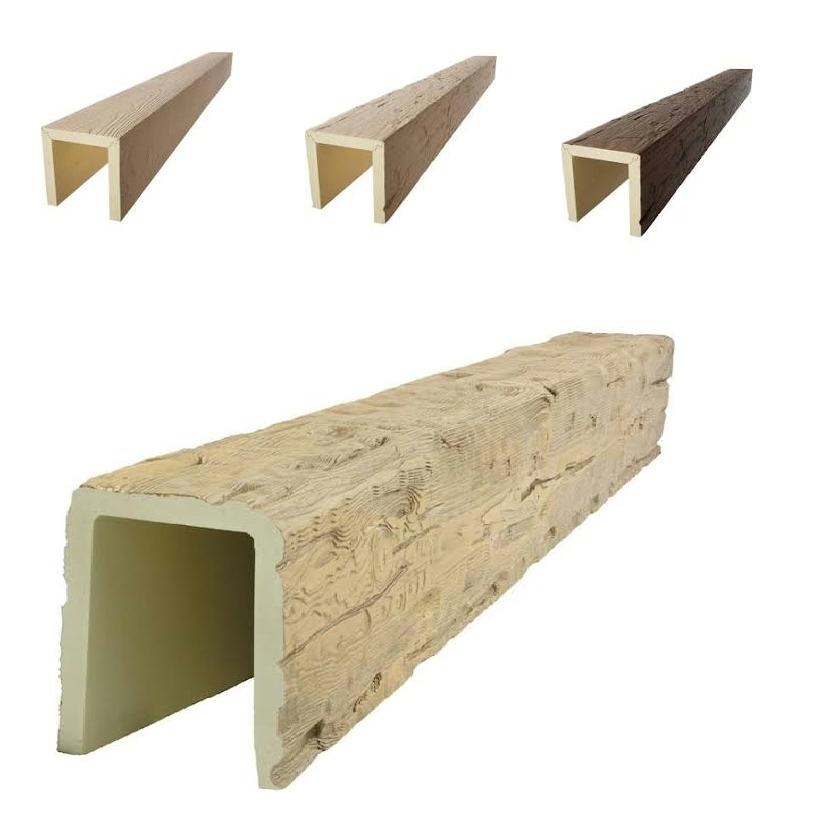
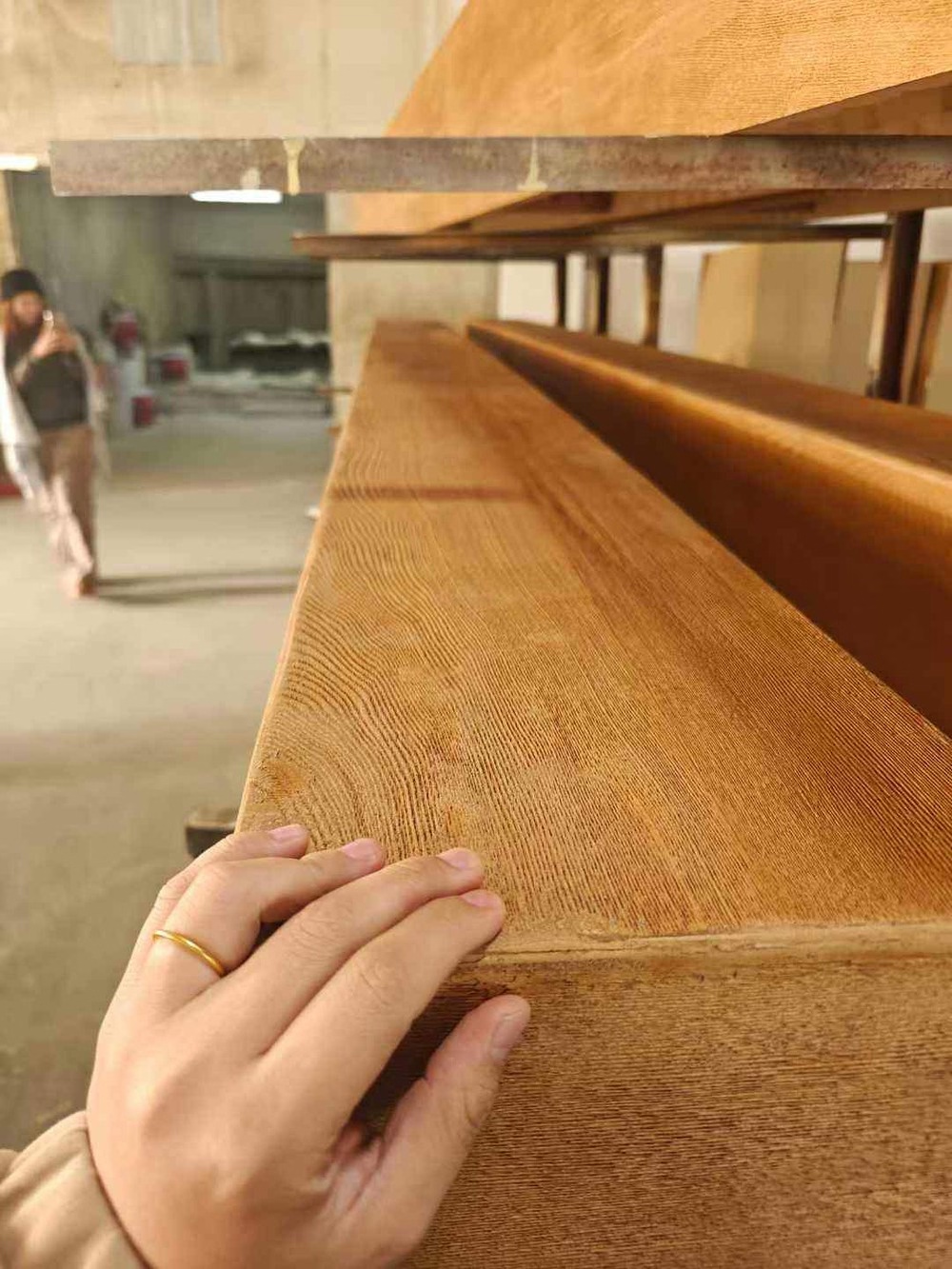
Understanding the composition of polyurethane faux wood beams helps architects, contractors, and discerning homeowners make informed decisions about product selection. The materials used directly impact appearance, durability, weight, and environmental characteristics. This FAQ breaks down the essential components that transform raw chemicals into convincing wood replacements.

Core Polyurethane System
The foundation of any faux wood beam consists of a two-component polyurethane system. The first component is a polyol, a hydroxyl-bearing compound that forms the soft, flexible portion of the polymer network. The second is an isocyanate, typically methylene diphenyl diisocyanate (MDI) or toluene diisocyanate (TDI), which creates the rigid molecular structure when it reacts with the polyol.
The ratio between these components determines the final product's characteristics. Higher polyol content produces softer, more flexible foams suitable for cushioning applications. Lower ratios create dense, rigid materials that hold sharp details and resist physical impact. Premium faux wood beams use carefully optimized ratios that balance workability during molding with long-term durability and detail reproduction.
Modern formulations often incorporate recycled polyurethane materials from post-industrial sources. These recycled content streams reduce environmental impact without compromising quality, provided they undergo rigorous testing and processing. The recycled material must be consistent in composition and free from contaminants that could affect the final product's appearance or structural properties.
Blowing Agents and Cellular Structure
The cellular structure of polyurethane foam determines its weight, insulation properties, and surface characteristics. Traditional formulations used chlorofluorocarbon blowing agents, but these have been largely phased out due to environmental concerns. Current generations employ water-based systems where water reacts with excess isocyanate to release carbon dioxide, which creates the cellular structure.
Hydrofluoroolefin (HFO) compounds represent the newest generation of blowing agents. These materials offer excellent thermal performance with dramatically reduced global warming potential compared to earlier alternatives. Premium manufacturers increasingly specify HFO-based formulations to meet evolving environmental regulations and client preferences for greener building materials.
The cell structure itself can be engineered for specific performance characteristics. Closed-cell foams resist moisture absorption and provide higher compressive strength. Open-cell structures offer better sound absorption and thermal insulation but absorb more water. Faux wood beams typically balance these characteristics, using predominantly closed-cell structures for moisture resistance while maintaining workable density.
Surface Textures and Wood Grain Replication
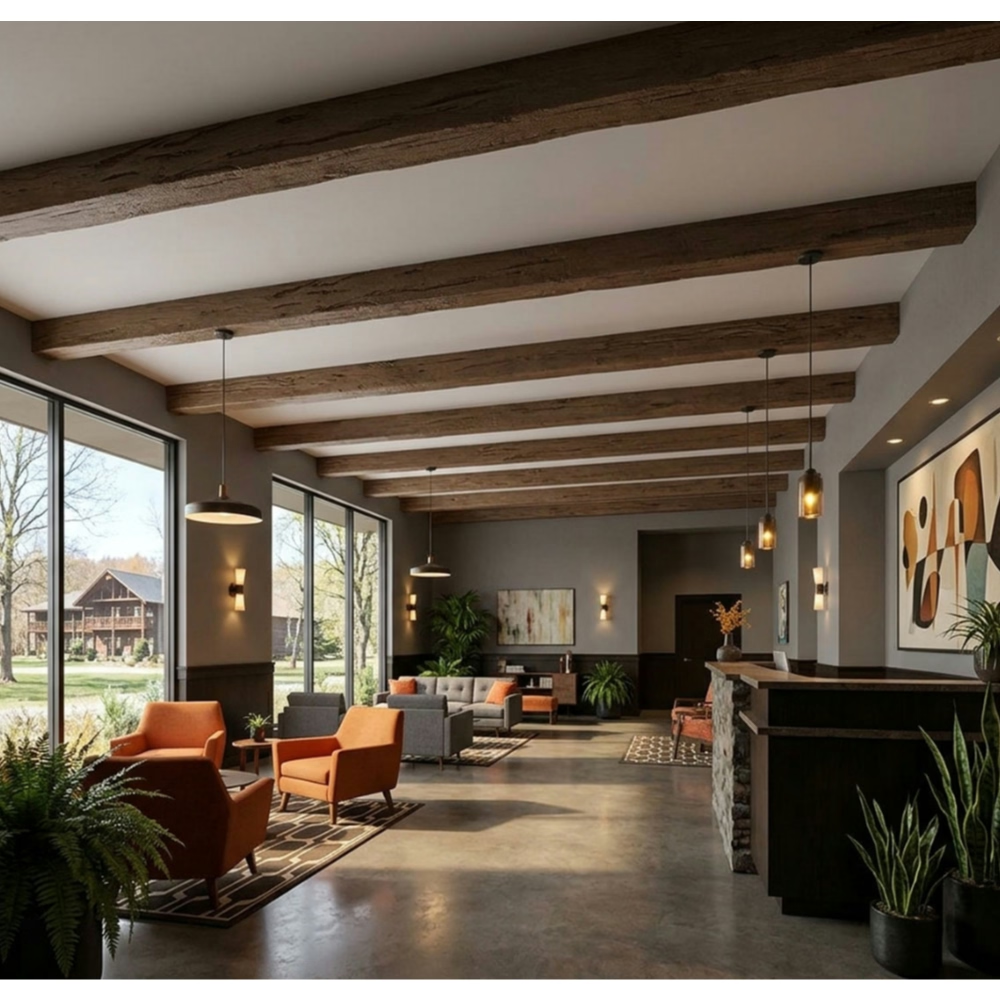
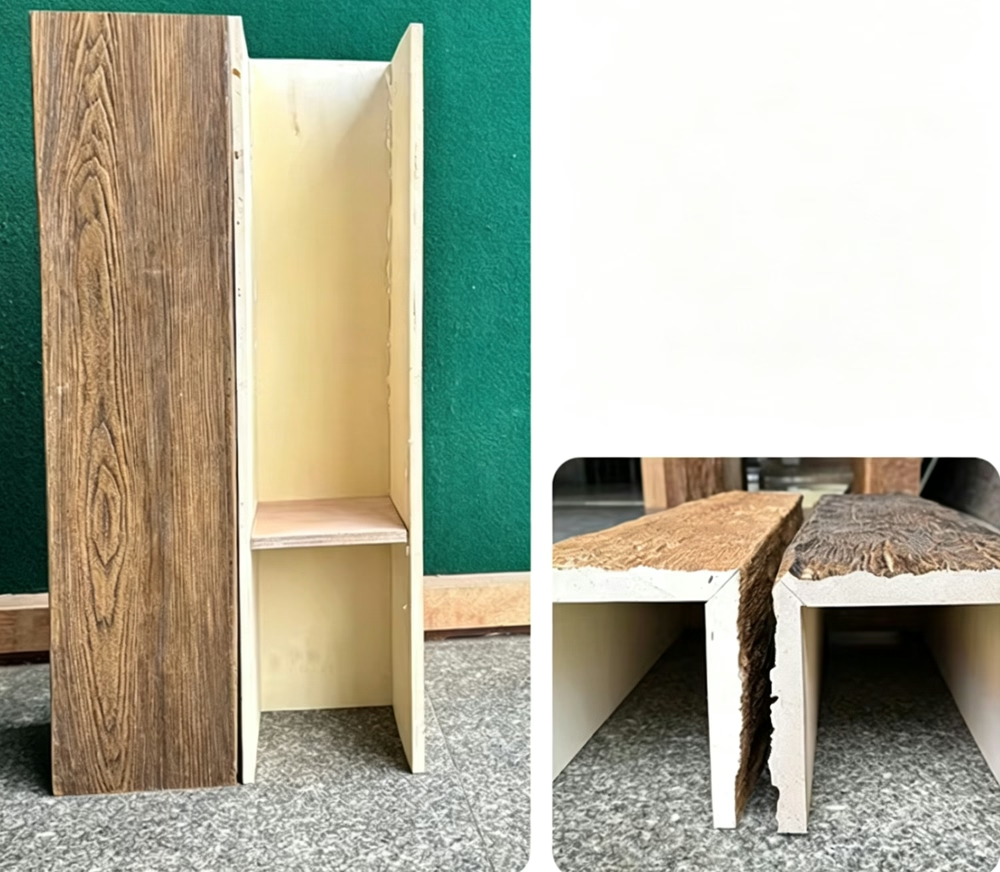
Creating convincing wood grain requires specialized surface materials applied over the foam core. These coating systems typically consist of polyurethane or acrylic-based formulations loaded with pigments, fillers, and texturing agents. The coating must adhere strongly to the foam substrate while providing the visual characteristics that make faux beams indistinguishable from natural wood at normal viewing distances.
Mineral fillers such as calcium carbonate or talc improve coating durability and reduce cost without significantly affecting appearance. These inert materials also help the coating maintain consistent thickness during application and resist cracking as the beam expands and contracts with temperature changes. The filler loading must be carefully controlled, as excessive amounts create a chalky appearance that fails to match authentic wood surfaces.
Colorants include both organic and inorganic pigments selected for lightfastness and chemical compatibility with the coating system. Iron oxides produce warm browns and tans reminiscent of oak and walnut, while carbon black creates deep, rich blacks found in ebony and aged walnut. Premium formulations use UV-resistant pigments that maintain color fidelity over years of exposure to sunlight, particularly important for beams installed near windows or in sunrooms.
Structural Additives and Performance Enhancers
Beyond the core foam and surface coating, manufacturers incorporate various additives to achieve specific performance characteristics. Flame retardants are essential for meeting building code requirements, particularly in commercial applications. These materials work through different mechanisms, with some releasing water when heated while others create protective char layers that insulate the underlying material.
UV stabilizers protect against degradation from sunlight exposure. Unprotected polyurethane can yellow and become brittle when exposed to ultraviolet radiation over extended periods. Effective stabilization systems include both UV absorbers that convert harmful radiation to harmless heat and hindered amine light stabilizers that scavenge free radicals before they can damage the polymer structure.
Antimicrobial additives prevent the growth of mold, mildew, and bacteria on beam surfaces. For applications in humid environments or areas prone to moisture accumulation, these additives provide essential protection against biological degradation. The additives must be carefully selected to ensure compatibility with other formulation components while maintaining effectiveness over the beam's service life.
Impact modifiers improve resistance to dents and scratches that would otherwise damage the beam surface. These additives create a more flexible coating that absorbs energy from impacts rather than cracking or chipping. This characteristic proves particularly valuable in residential applications where beams may be accidentally struck by furniture, ladders, or other objects during normal household activities.
Environmental and Safety Considerations
The polyurethane industry has made significant strides in reducing environmental impact and improving safety. Water-based formulations eliminate solvents that would otherwise contribute to volatile organic compound (VOC) emissions. Modern manufacturing facilities capture and destroy any emissions that do occur, meeting or exceeding regulatory requirements in most jurisdictions.
Low-emission products carry certifications that verify their safety for indoor use. These certifications test for formaldehyde, flame retardant byproducts, and other potential contaminants that could affect indoor air quality. When specifying beams for residential applications, particularly in bedrooms or children's rooms, requesting certified low-emission products provides peace of mind regarding occupant safety.
Recyclability represents an emerging consideration in product selection. While polyurethane foams have historically been difficult to recycle, new chemical recycling processes can break down end-of-life products into their constituent chemicals for reuse in new production. Some manufacturers now offer take-back programs that ensure beams are diverted from landfills and processed for material recovery.
Technical References
ASTM standards cited in every specification
Test Data
Lab results from internal testing program
Updated 2026
Reviewed against current product specs