Successfully managing construction timelines requires accurate understanding of material availability and production schedules. Polyurethane faux timber beams offer significant advantages over natural wood in consistency and quality, but effective project planning depends on realistic expectations for order processing and manufacturing. This guide provides comprehensive information for scheduling beam deliveries that align with installation timelines.

Standard Production Timelines
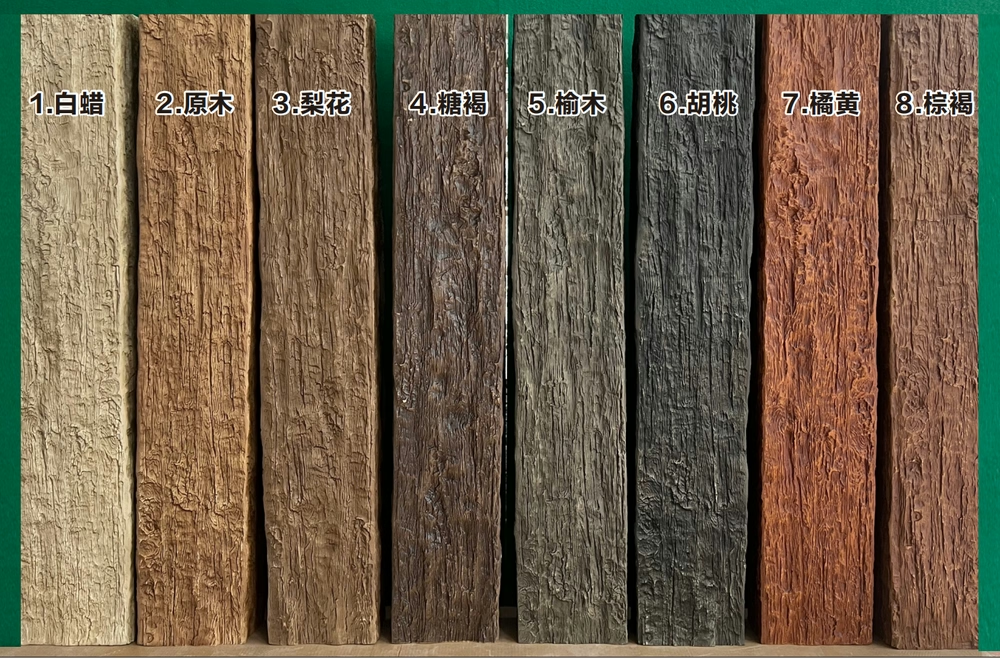
Stock items in common profiles and finishes typically ship within 5-7 business days following order confirmation and payment verification. These standard beams represent our most popular dimensions and color options, ensuring rapid fulfillment for projects with typical requirements. Stock availability is updated daily, and your sales representative can confirm exact quantities and specifications at the time of order.
Custom specifications require additional time for production setup and quality verification. Standard custom orders with non-stock colors, modified dimensions, or specialty profiles generally require 15-20 business days from specification confirmation to shipment. This timeline accounts for raw material preparation, production scheduling, and thorough quality inspection before release.
Large quantity orders follow modified production schedules to ensure consistent quality across all pieces. Orders exceeding 100 linear meters may require 25-30 business days to complete, with production divided into batches that maintain color consistency and dimensional accuracy throughout. Clients placing large orders should plan accordingly and discuss scheduling requirements with their account manager early in the project.
Factors Affecting Production Schedules
Raw material availability influences production capacity and lead times. While we maintain extensive inventory of common formulations, specialty materials may require additional procurement time. Orders specifying unusual densities, specialized surface finishes, or unique profile geometries are most likely to experience extended timelines due to material sourcing.
Seasonal demand fluctuations create periods of heightened activity that may affect standard lead times. Spring and early summer typically see increased order volumes as renovation projects ramp up, while late summer and fall often offer more flexible scheduling. Clients with flexible installation windows may benefit from off-peak ordering, while those with fixed deadlines should confirm lead times early and consider expedited options.
Quality control processes require adequate time to ensure every beam meets specification requirements. Visual inspection, dimensional verification, and packaging add processing time that cannot be rushed without compromising product quality. We do not offer rush production options that would bypass essential quality checks, as the cost of beam replacement far exceeds any savings from accelerated shipping.
Order Processing Workflow
Order verification begins immediately upon receipt, confirming specifications, quantities, and pricing. Your account representative will contact you within one business day to review order details and confirm production specifications. This verification step prevents errors that could delay production or result in incorrect shipments.
Production scheduling assigns your order to an available production slot based on specifications and current workload. Clients requiring specific production dates should communicate these requirements during order placement. While we make every effort to accommodate scheduling requests, confirmed production dates cannot be guaranteed until order confirmation is complete.
Manufacturing time varies by profile complexity and order size. Simple rectangular profiles may complete production within 2-3 days, while complex architectural profiles with detailed textures require 5-7 days. The curing process for polyurethane foam is time-bound and cannot be accelerated, ensuring proper molecular structure development for long-term durability.
Quality inspection and final packaging require 1-2 days following production completion. Beams are individually wrapped to prevent shipping damage and palletized for secure transport. Final inspection verifies that all pieces match specifications before release for shipping, protecting clients from receiving non-conforming products.
Shipping and Delivery Options
Domestic shipments typically arrive within 5-10 business days following production completion, depending on destination and shipping method selected. Standard ground shipping offers the most economical rates for most orders, while expedited options are available for time-sensitive projects. Your shipping cost estimate will include transit time estimates for each option.
International shipments require additional documentation and customs processing time. Standard international lead time estimates include 2-3 days for export documentation preparation and typically 10-20 days for ocean freight transit plus customs clearance. Clients importing beams should budget for customs duties, taxes, and import clearance fees that vary by destination country.
Freight forwarding arrangements can be coordinated for clients with established shipping relationships. We work with major freight forwarders and can prepare shipments according to specific forwarding instructions. Advance notice of forwarding arrangements allows us to coordinate documentation and labeling requirements for smooth handoff.
Planning Your Project Timeline
Effective project planning begins with confirming beam availability and production timelines before finalizing construction schedules. We recommend initiating beam orders at least 4-6 weeks before intended installation dates for standard products, and 6-10 weeks in advance for custom specifications. This buffer accommodates any unexpected delays without impacting downstream activities.
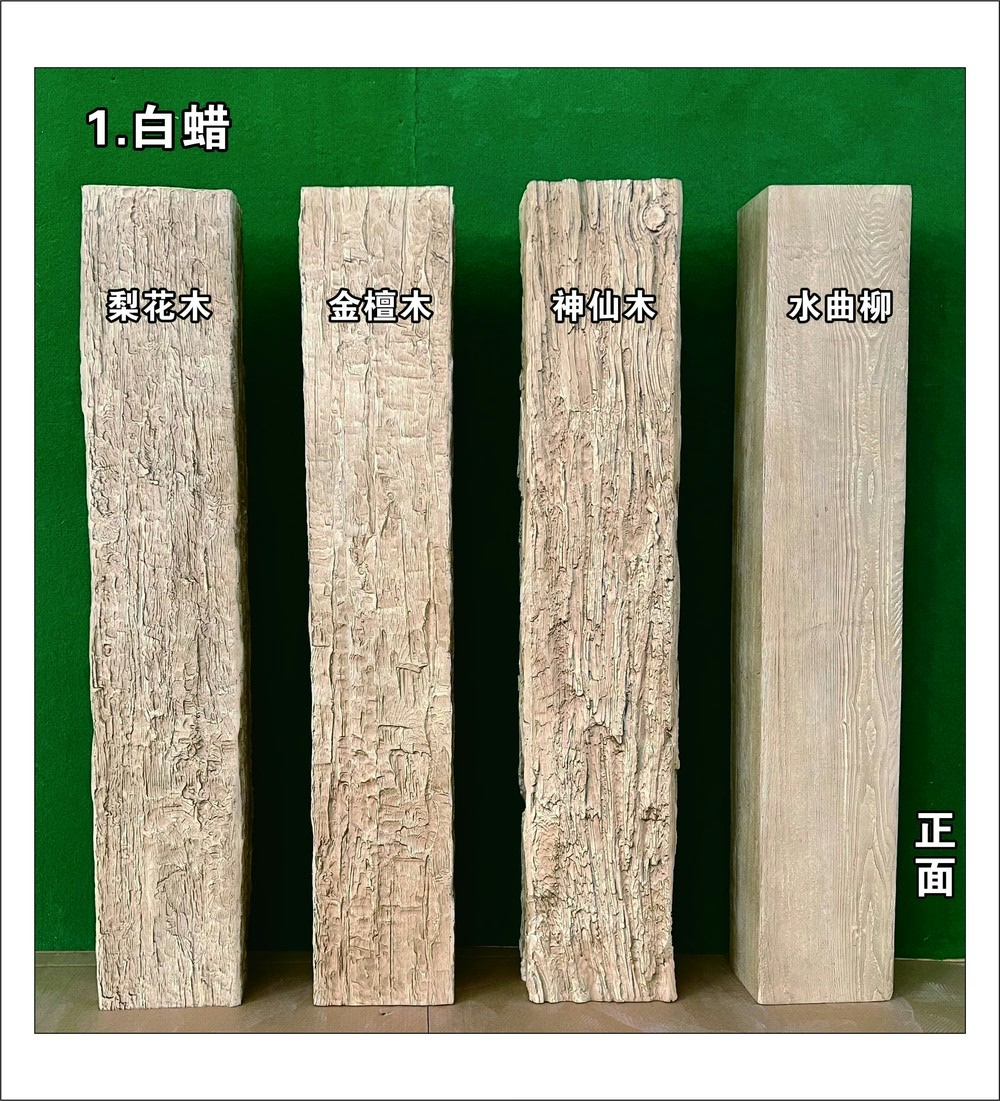
Sample requests should be submitted early in the specification process to verify appearance and quality meet project requirements. Sample production and delivery requires 10-15 business days, and reviewing samples may reveal preferences that affect final specifications. Starting this process early prevents specification changes after production begins, which would require new orders and extended timelines.
On-site storage requirements should be anticipated when planning beam deliveries. Beams should be stored in clean, dry locations away from direct sunlight and extreme temperatures until installation. Improper storage can affect appearance and complicate installation, so verify that adequate storage space is available before scheduling delivery.
Communication and Order Tracking
Order status updates are provided at key production milestones: order confirmation, production start, quality inspection completion, and shipment. Clients may also access real-time order tracking through our online portal, which shows current order status and estimated completion dates. Automated email notifications keep all stakeholders informed throughout the process.
Direct communication with your account representative ensures prompt resolution of any questions or concerns. Representatives can provide updated timelines, coordinate specification changes if needed, and arrange expedited processing for urgent requirements when possible. Establishing clear communication channels early in the order process facilitates smooth coordination through delivery.
Changes to orders after production begins may not be possible without additional cost and delay. Color changes, quantity adjustments, or specification modifications require production interruption and potentially new material preparation. Address any anticipated changes as early as possible to minimize impact on schedules and costs.
Technical References
ASTM standards cited in every specification
Test Data
Lab results from internal testing program
Updated 2026
Reviewed against current product specs


