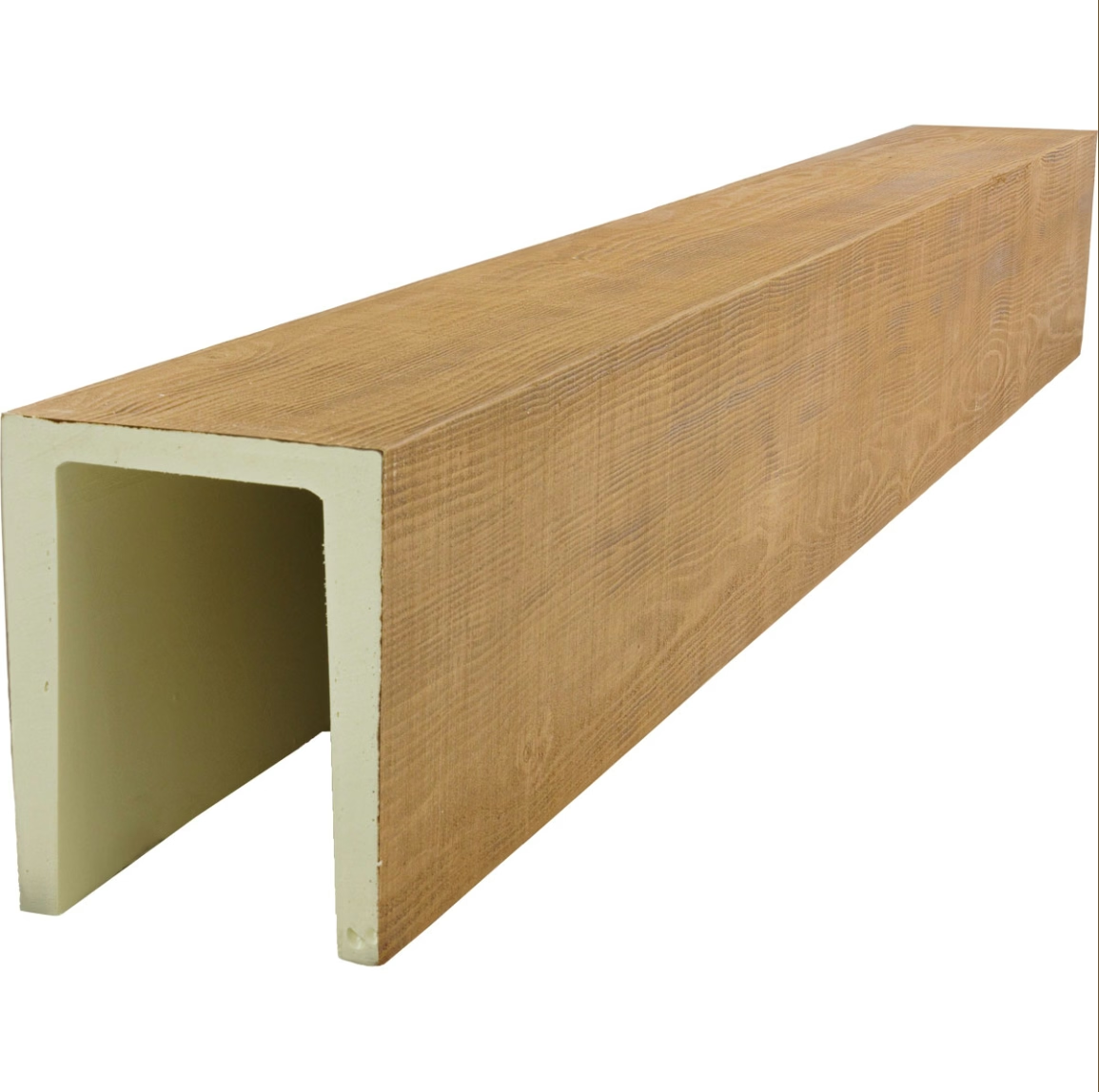
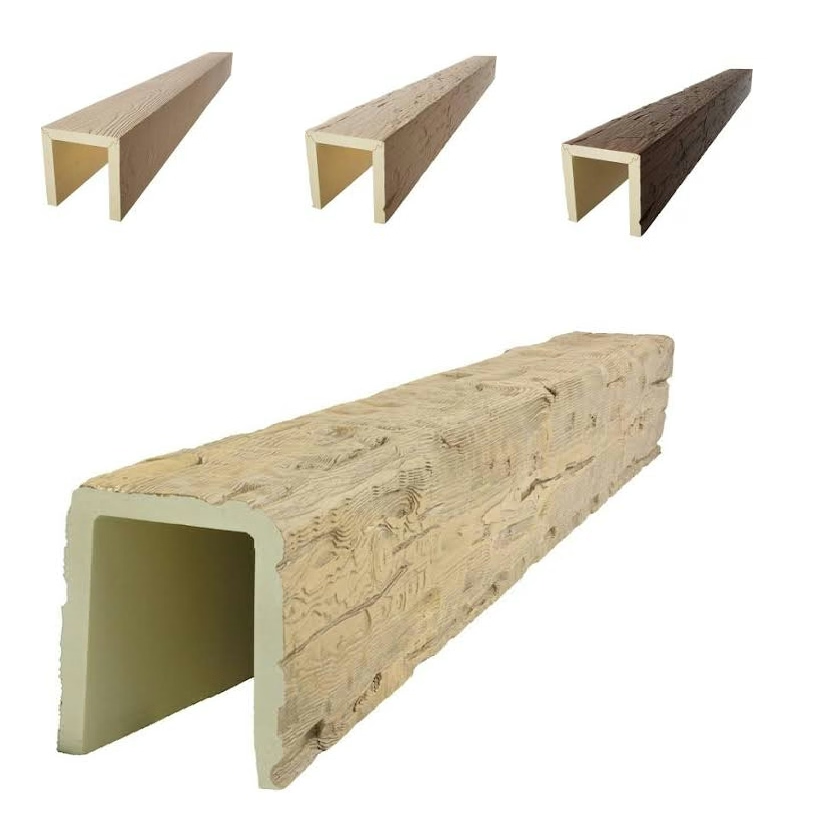
The polyurethane faux wood beam market encompasses products ranging from premium architectural elements to cheap imitations that fail to deliver convincing wood appearance or lasting performance. Distinguishing between these quality tiers requires systematic evaluation of multiple product characteristics, from raw material specifications through finishing quality and manufacturer support. Professional buyers develop expertise in these evaluation criteria, enabling confident purchasing decisions that avoid the disappointment of inferior products.
Material density serves as a fundamental indicator of overall quality. Higher density polyurethane provides better detail reproduction during molding, superior surface hardness resisting impacts and wear, improved structural stability that resists sagging and deformation, and better sound characteristics when beams are tapped. Budget products often sacrifice density to reduce costs, resulting in lightweight beams that feel insubstantial and fail to reproduce fine wood details convincingly. Requesting density specifications from manufacturers allows comparison across products, with higher values generally indicating better quality.
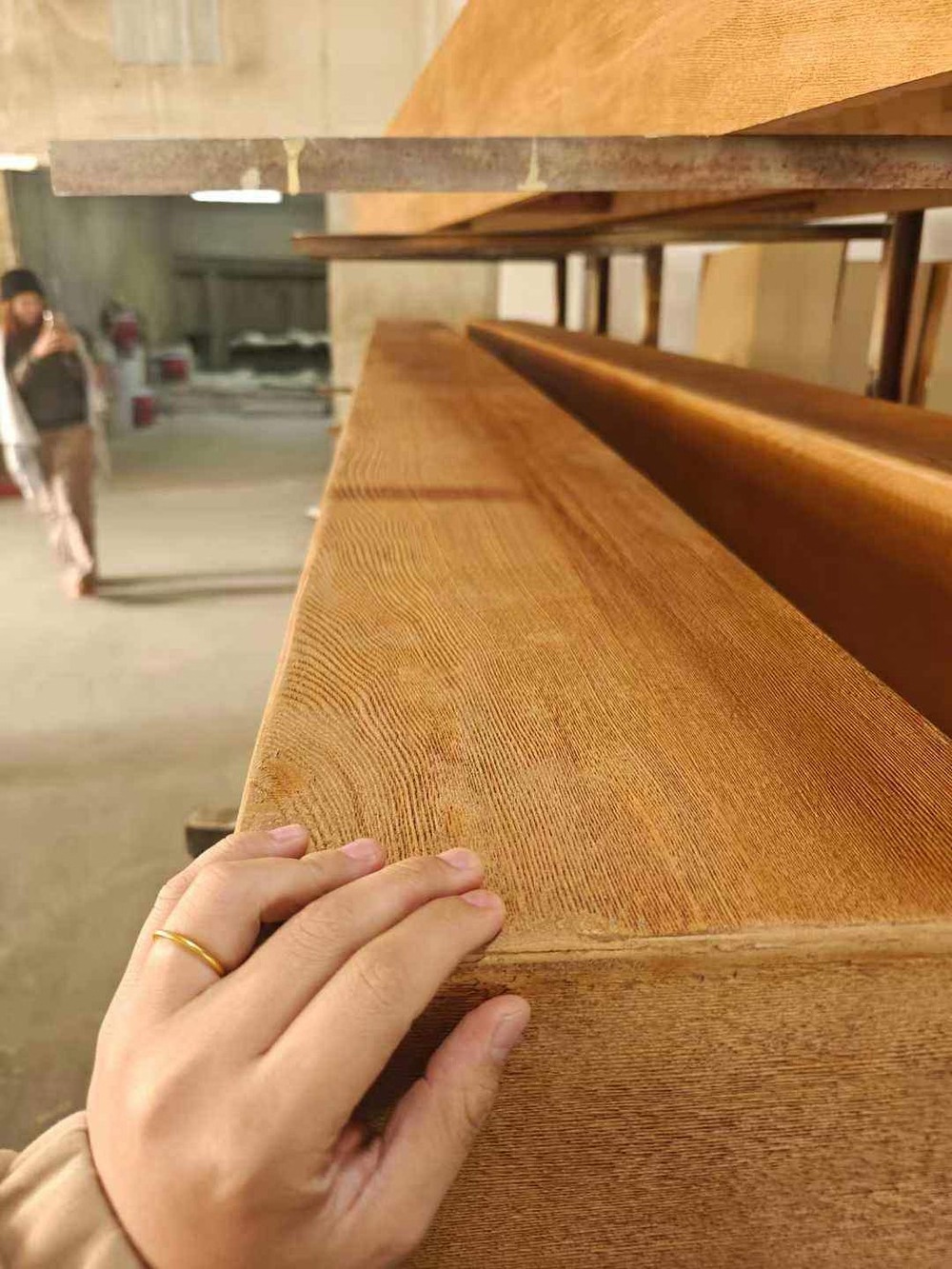
Surface detail evaluation reveals the craftsmanship invested in beam production. Running fingers across beam surfaces reveals whether grain patterns feel authentic or appear stamped and repetitive. Examining multiple beams from the same product line identifies whether texture variation exists or whether all beams look identical—the telltale sign of inadequate mold detail. Checking corners, edges, and end profiles confirms whether these areas receive the same attention as flat surfaces or whether shortcuts compromise appearance. Premium beams feel like real wood; inferior products feel like plastic attempting to mimic wood.
Grain pattern authenticity distinguishes professional products from amateur attempts. Quality manufacturers use molds created from genuine aged timber, capturing the natural variations and imperfections that make real wood characterful. Knot patterns should appear in realistic locations and frequencies rather than arranged symmetrically or missing entirely. End grain texture should differ from side grain as it does in authentic timber. Weathering effects including checking, patina, and color variations should appear naturally rather than applied uniformly. These details require close examination but reveal quality differences invisible to casual observation.
Finish quality determines how beams appear after installation and how they withstand long-term exposure. Factory-applied finishes should provide consistent color without runs, sags, or thin areas visible under lighting. Finish hardness should resist scratching from handling and cleaning without showing marks immediately. UV resistance prevents yellowing and fading in sun-exposed installations. Sample testing before bulk purchase reveals finish performance under actual conditions. Professional manufacturers provide finish specifications and sample opportunities that allow evaluation before commitment.
Structural integrity testing provides objective quality verification. Pressing firmly on beam surfaces tests for deflection that indicates inadequate density or internal voids. Checking beam edges and ends reveals whether walls maintain consistent thickness throughout cross-sections. Examining how beams respond to reasonable handling stresses—without being destructive—indicates whether products will survive shipping and installation intact. Any flexing, cracking, or surface damage during reasonable handling suggests quality deficiencies that installation will only exacerbate.
Dimensional consistency across beam lengths and between units from the same order affects installation efficiency and appearance quality. Beams should measure consistently throughout their length, without bowing, twisting, or tapering that would create gaps when joined or misalignment when mounted. Checking multiple beams reveals whether manufacturing processes maintain consistency or whether each beam requires individual fitting. Inconsistent dimensions increase installation time and compromise appearance in ways that field adjustment cannot fully address.
Weight comparison between similar beam sizes provides a simple quality indicator. Higher density beams weigh more than lower density alternatives of the same dimensions. Extremely lightweight beams likely indicate inadequate density that will compromise performance. However, weight alone does not guarantee quality—some lightweight formulations perform well while heavy beams might simply use dense but brittle materials. Weight serves as one factor among many rather than a definitive quality measure.
Seaming quality reveals manufacturing precision and affects installation appearance. Premium beams feature consistent wall thickness throughout cross-sections, with seams that disappear after installation when properly handled. Visible seams or variation in wall thickness indicate mold quality or production process issues that affect appearance. End cap quality—whether ends are factory-finished or require field finishing—affects both appearance and weather resistance for exterior applications.
Manufacturer evaluation provides context for product quality assessment. Established companies with long production histories have refined processes that newer competitors may lack. Geographic location affects quality standards and regulatory oversight. Customer reviews and testimonials reveal real-world performance experiences. Warranty terms indicate manufacturer confidence in product quality. Professional buyers research manufacturers as thoroughly as products, understanding that quality reflects organizational capabilities rather than individual product features.
Sample evaluation before bulk purchase provides the most reliable quality assessment method. Requesting actual beam samples allows physical inspection that photographs cannot fully replicate. Testing samples for density, finish durability, and structural characteristics reveals actual performance rather than claimed specifications. Comparing samples from multiple manufacturers enables direct quality comparison. The cost of samples represents minimal investment compared to the expense of purchasing inferior products that fail to meet expectations.
Price analysis relative to quality expectations prevents both overpayment for marginal products and disappointment with suspiciously inexpensive options. Quality polyurethane beams require meaningful material and manufacturing investment; prices far below market averages suggest cost reduction measures that compromise quality. Premium products command premium pricing, but the relationship between price and quality varies across manufacturers. Value assessment considers total cost including shipping, installation time, and long-term maintenance rather than purchase price alone.
Application-specific requirements influence quality priorities for particular uses. Commercial installations in high-traffic areas require superior durability. Exterior applications demand UV and moisture resistance. Historic restoration projects may require specific aging characteristics. Understanding how intended use affects quality requirements ensures that selected products match actual needs rather than purchasing unnecessary premium features or missing critical performance characteristics.
Environmental and safety certifications matter for certain applications and jurisdictions. Fire ratings may be mandatory for commercial installations. Emissions certifications ensure indoor air quality in sensitive environments. Environmental product declarations document sustainability characteristics for green building projects. Professional buyers confirm that selected products meet all applicable requirements before purchase, avoiding installation surprises when building officials review completed work.
Technical documentation quality indicates manufacturer professionalism and supports specification processes. Comprehensive data sheets should include physical properties, installation requirements, and performance specifications. CAD files and BIM objects facilitate design integration. Installation guides should provide detailed, accurate procedures rather than generic recommendations. This documentation quality often correlates with product quality and manufacturer support capabilities.
Long-term performance history provides ultimate quality verification. Products that have performed well for years in installations similar to intended applications demonstrate proven reliability. References from satisfied customers, case studies from challenging installations, and repeat purchase patterns from trade professionals all indicate quality that exceeds minimum standards. Professional buyers seek this evidence before committing to significant purchases.

Supplier relationship quality affects overall purchasing experience beyond product characteristics. Responsive communication during inquiry and ordering processes suggests similar attention during order fulfillment and post-purchase support. Problem resolution responsiveness indicates how manufacturers handle issues when they arise. Ordering convenience, shipping reliability, and packaging quality all contribute to total purchase experience. Professional buyers evaluate suppliers holistically rather than focusing exclusively on product specifications.
Quality verification at delivery provides final checkpoint before installation commitment. Inspecting beams upon arrival identifies any shipping damage before installation conceals problems. Verifying that received products match specifications prevents mix-ups or substitution. Confirming that quantities and dimensions meet order requirements allows correction while return options remain available. This delivery inspection costs nothing but prevents the significant problems that installation of defective or incorrect products creates.
The effort invested in quality evaluation returns dividends throughout beam service life. Premium products maintain appearance and structural integrity for decades, requiring minimal maintenance beyond routine cleaning. Inferior products may fail prematurely, require frequent repair, or simply never achieve the intended aesthetic. Professional buyers understand that quality selection determines project outcomes and invest appropriate effort in evaluation processes.

Technical References
ASTM standards cited in every specification
Test Data
Lab results from internal testing program
Updated 2026
Reviewed against current product specs