
Working with local warehouse stockists transforms the logistics of PU faux beam projects from a planning nightmare into a manageable process. When materials sit in a warehouse twenty minutes away rather than shipping from overseas, you gain the ability to inspect products before committing, replace damaged items quickly, and adjust orders based on actual job site conditions. This practical guide helps contractors and designers identify the best local sources and build productive relationships that benefit every project.
The distinction between a true warehouse stockist and a simple reseller matters significantly for your operations. Stockists maintain physical inventory on hand, have the infrastructure to handle large or unusual orders, and typically have established relationships with manufacturers that provide pricing advantages and priority access to new products. Resellers may list products without actually holding stock, meaning your order triggers a separate procurement process with its own delays and uncertainties.
Identifying Stockist Candidates in Your Market
Start your search by checking the websites and physical presence of major beam manufacturers. Most reputable manufacturers list their authorized distributors and stockists by region, making this research straightforward. These listed partners have typically met minimum inventory requirements and demonstrated competence to the manufacturer, providing a baseline quality assurance.
Trade associations in the construction and design industries maintain member directories that often include material suppliers. Organizations focused on interior design, remodeling contractors, or historical restoration sometimes publish preferred vendor lists that can point you toward established stockists. These recommendations carry weight because they come from peers who have actually used the supplier's services.
Industry trade shows and home improvement expos provide opportunities to meet stockists face-to-face and examine their product quality directly. Many stockists attend regional shows to connect with contractors, and a brief conversation reveals information that no website can convey. Notice how staff describes their inventory capabilities, whether they understand installation requirements, and how they handle problem situations.
Online reviews and testimonials offer another data point, though they require careful interpretation. Look for reviews that describe specific experiences with delivery, product quality, and problem resolution rather than generic praise. The pattern of complaints often reveals more than the pattern of compliments— consistent issues with damaged shipments or communication delays suggest systemic problems worth knowing about.
Evaluating Warehouse Capabilities
Physical warehouse visits reveal capabilities that telephone conversations cannot capture. When evaluating a potential stockist, schedule time to tour their facility and observe how they handle materials. Well-organized warehouses with clear inventory systems demonstrate professionalism that carries through to order fulfillment. Chaotic or crowded spaces suggest potential for mix-ups and damage during handling.
Examine the storage conditions carefully. PU faux beams should be stored flat or on appropriately designed rack systems that prevent warping or stress on the material over time. Beams left standing on end for extended periods may develop subtle curves that complicate installation. Good stockists rotate inventory to prevent aging issues and maintain climate control in regions with extreme humidity variations.
Check the range of inventory they maintain. The ideal stockist carries multiple beam profiles, various finish options, and common mounting hardware. Inventory gaps force you to source additional materials elsewhere, undermining the convenience of working with a local supplier. Ask about their typical restocking schedule and whether they can obtain unusual items or large quantities within reasonable timeframes.
Assess their shipping and delivery capabilities. Even local stockists vary in their willingness and ability to deliver materials to job sites. Some include delivery in their pricing structure, while others charge separately or expect pickup. Understanding these logistics before you commit prevents surprises that affect project budgeting and scheduling.

Building Strategic Supplier Relationships

One-time transactions rarely unlock the full potential of working with local stockists. Establishing ongoing relationships transforms suppliers into partners invested in your success. Communicate regularly about upcoming projects, share your project timelines, and provide feedback about product performance. This information helps stockists serve you better and often results in preferential treatment when demand is high.
Negotiate terms that work for both parties based on expected volume. Regular contractors may qualify for trade pricing, credit arrangements, or priority inventory holds. These discussions require some give and take— expect to share information about your business volume and purchasing patterns in exchange for better pricing or terms. Professional stockists respect contractors who bring consistent volume and communicate openly.
Consider establishing a standing order arrangement for common beam sizes you use frequently. Rather than placing individual orders for each project, a standing order specifies regular delivery of predetermined quantities. This arrangement benefits both parties: you receive predictable pricing and availability, while the stockist gains reliable demand they can plan around.
Maintain backup relationships with secondary suppliers even when you develop strong partnerships with primary stockists. Market conditions, personal circumstances, and business relationships change over time. Having alternatives prevents disruption if your preferred supplier faces inventory problems, temporarily closes, or experiences other difficulties beyond their control.
Verifying Product Quality and Consistency
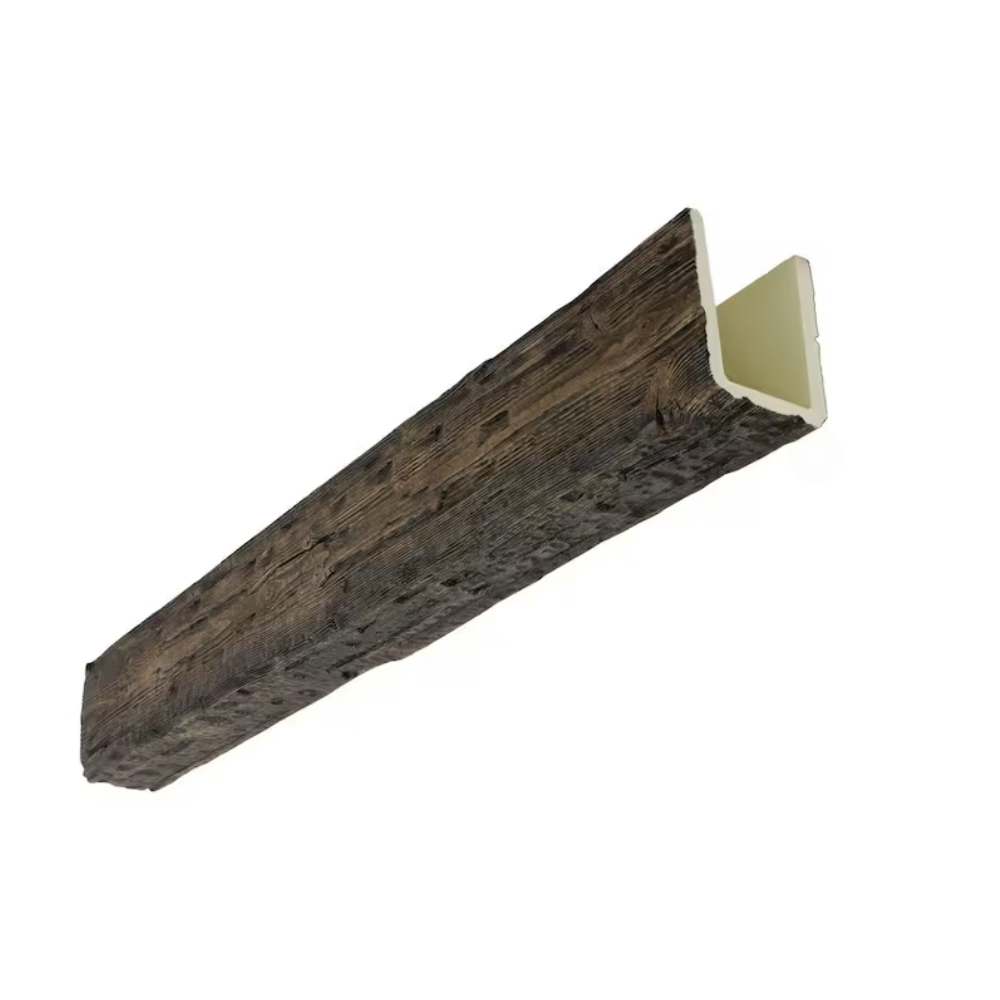
Examine sample beams carefully before committing to any significant order. Run your hands along the surface to feel for imperfections that might not show in photos. Check the ends and corners for damage or inconsistencies in the molding process. Look for consistent color and texture across the beam surface, as batch variations can create visible differences when multiple beams are installed together.
Ask about the manufacturer's quality control processes and any warranties that apply to the products. Good stockists stand behind what they sell and help resolve issues with manufacturers when they occur. Understanding warranty coverage before problems arise prevents disputes and ensures you know what recourse exists if product defects appear during or after installation.
Request photos or physical samples of specific lots when ordering beams that must match exactly. Different production runs may have subtle variations in color or texture that become obvious when beams from different lots are installed adjacent to each other. Professional stockists understand this concern and help you source beams from consistent production batches when possible.
Logistics and Delivery Coordination
Coordinate delivery timing carefully with your project schedule. Materials arriving too early create storage challenges on busy job sites, while late deliveries derail installation timelines. Provide stockists with realistic project schedules and communicate early about any changes that might affect delivery requirements. Good stockists build flexibility into their scheduling and help you navigate unexpected situations.
Discuss site access and delivery logistics before placing orders. Beams ship on pallets and require appropriate vehicles for transport. Confirm that the delivery address can accommodate large trucks, that someone will be available to receive materials, and that the receiving area is suitable for beam storage. Crane or lift requirements for upper-floor deliveries need special arrangement and often add cost.
Inspect deliveries immediately upon arrival, noting any damage or discrepancies before the delivery driver leaves. Document everything with photos and written notes, and report issues to the stockist promptly. Quick reporting protects your ability to claim damage compensation and helps stockists identify problems with their shipping processes. Professional stockists appreciate contractors who report issues constructively and work collaboratively on resolution.
Technical References
ASTM standards cited in every specification
Test Data
Lab results from internal testing program
Updated 2026
Reviewed against current product specs


