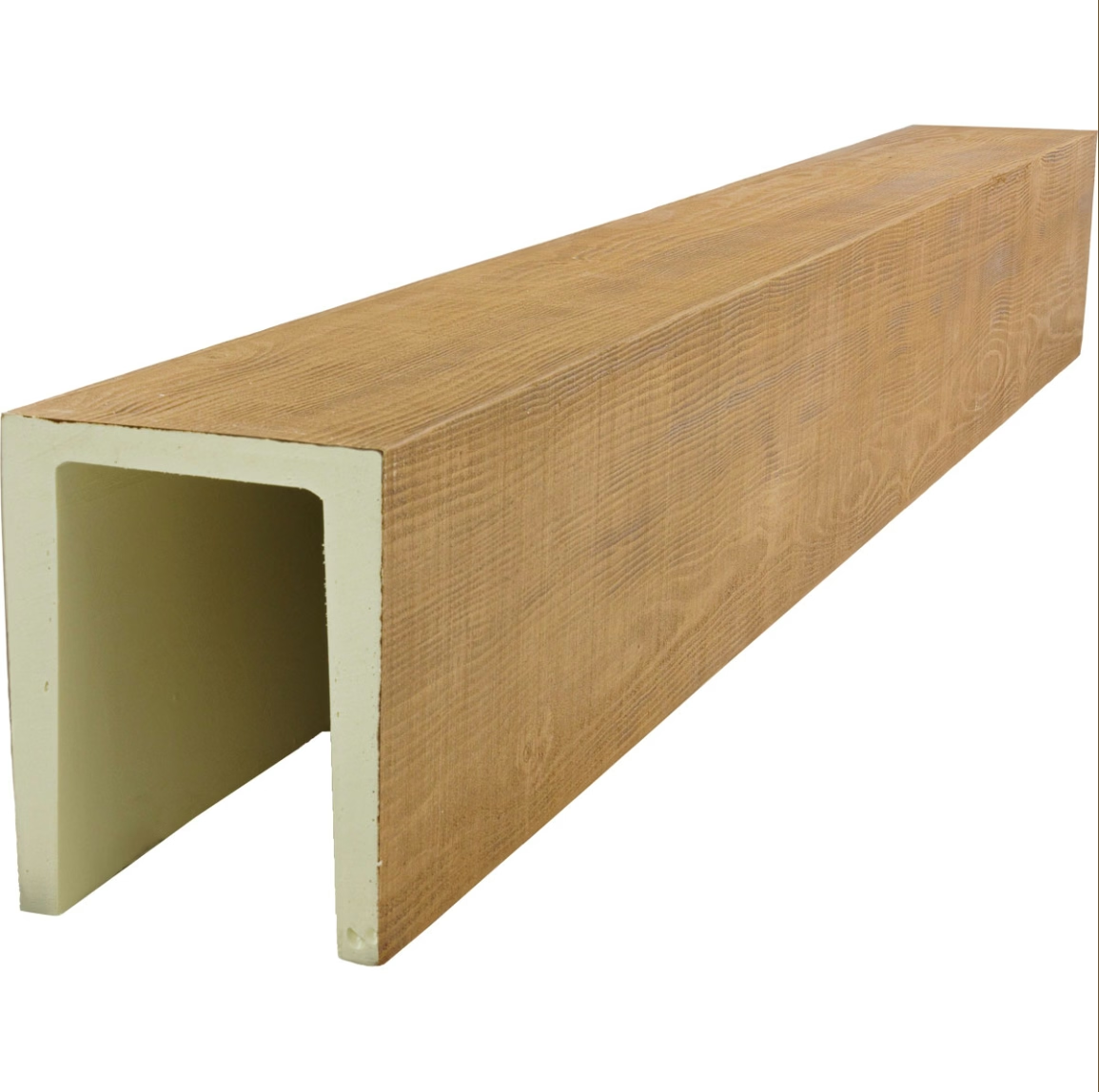
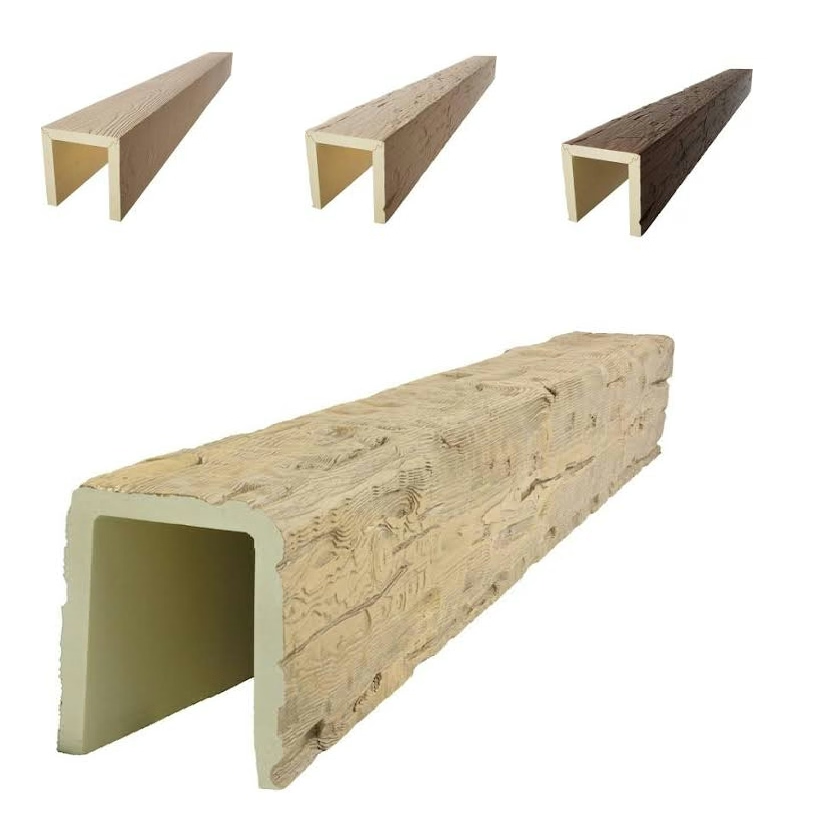
Polyurethane faux timber beams arrive at job sites ready to install, but the journey from delivery truck to finished ceiling creates numerous opportunities for damage. Unlike real timber that tolerates rough handling, polyurethane beams can dent, scratch, or crack if treated carelessly. Professional contractors understand that material handling deserves as much attention as installation technique, because damaged materials mean lost time, replacement costs, and frustrated customers.
The lightweight nature of polyurethane creates a false impression of fragility that leads some handlers to either over-protect the material unnecessarily or treat it too casually. The truth lies between these extremes: PU beams are tough enough for demanding applications but vulnerable to specific types of damage that proper handling easily prevents.
Transport Considerations from Supplier to Site
Examine beams upon delivery and document any damage before accepting shipment. Drivers appreciate contractors who take time for proper inspection, and documented damage claims proceed faster than undocumented ones. Note any visible damage on the delivery receipt with specific descriptions, and photograph the damaged items before and after unpacking. This documentation protects your ability to claim damage compensation from carriers or suppliers.
Protect beams during vehicle transport using appropriate restraints and padding. The smooth surfaces of wrapped beams can shift during sudden stops or turns, so secure loads with straps rather than rope that can cut into packaging. Place cardboard or foam between beams and any metal surfaces like truck beds or trailer walls. Even brief contact with bare metal can create pressure marks visible after installation.
For smaller orders, passenger vehicles may suffice for transport, but protect beams from interior surfaces and secure them against shifting. Avoid placing heavy items on top of beams during transport, even temporarily. The weight concentrates at points of contact and can deform the beam structure, creating bow or twist that complicates installation.
Long-distance shipping through commercial carriers requires extra precautions. Industrial stretch wrap provides good protection against dust and moisture but minimal protection against impact. Add corner guards and edge protectors where beams might contact each other or shipping container walls during transit. Consider double-boxing or crating valuable shipments for ocean freight or extended ground transport.
Jobsite Receiving and Inspection

Designate a clean, dry receiving area before beams arrive. Polyurethane absorbs moisture slowly but consistently, and beams stored on wet ground or in damp basements may develop surface issues over time. Elevated storage on pallets or shelving keeps beams dry and facilitates inspection. Climate-controlled storage provides optimal protection in regions with extreme humidity variations.
Unpack beams carefully, cutting packaging tape without slicing into the beam surface. Some beams arrive wrapped in protective film that should remain in place until immediately before installation. This film prevents scratches during handling and can be removed after the beam is secured in its final position, providing protection during the most vulnerable phase of the installation.
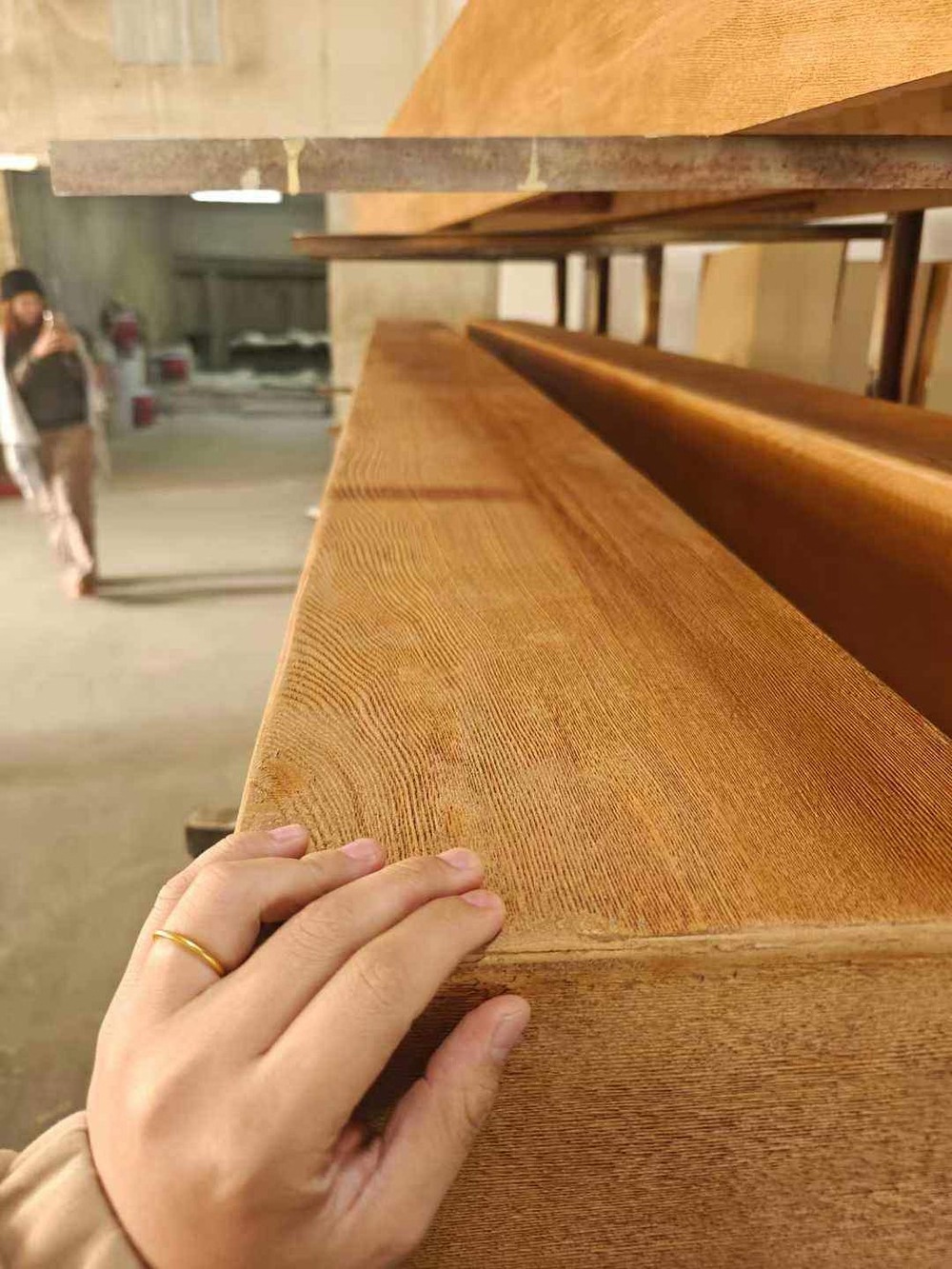
Inspect each beam thoroughly before accepting it as ready for installation. Run your hands along all surfaces, including areas that will be hidden after installation. Look for dents, scratches, discoloration, or surface irregularities. Check ends carefully— these vulnerable areas often show damage from shipping that might not be immediately visible. Set aside any questionable beams for further evaluation or replacement.
Organize beams by type and size for efficient installation. Group similar profiles together, and sequence them according to installation order if the layout requires specific beam sequence. This organization reduces searching and prevents mistakes where the wrong beam gets cut for a specific location. A few minutes of organization at the beginning saves hours during the installation process.
Proper Lifting and Maneuvering Techniques
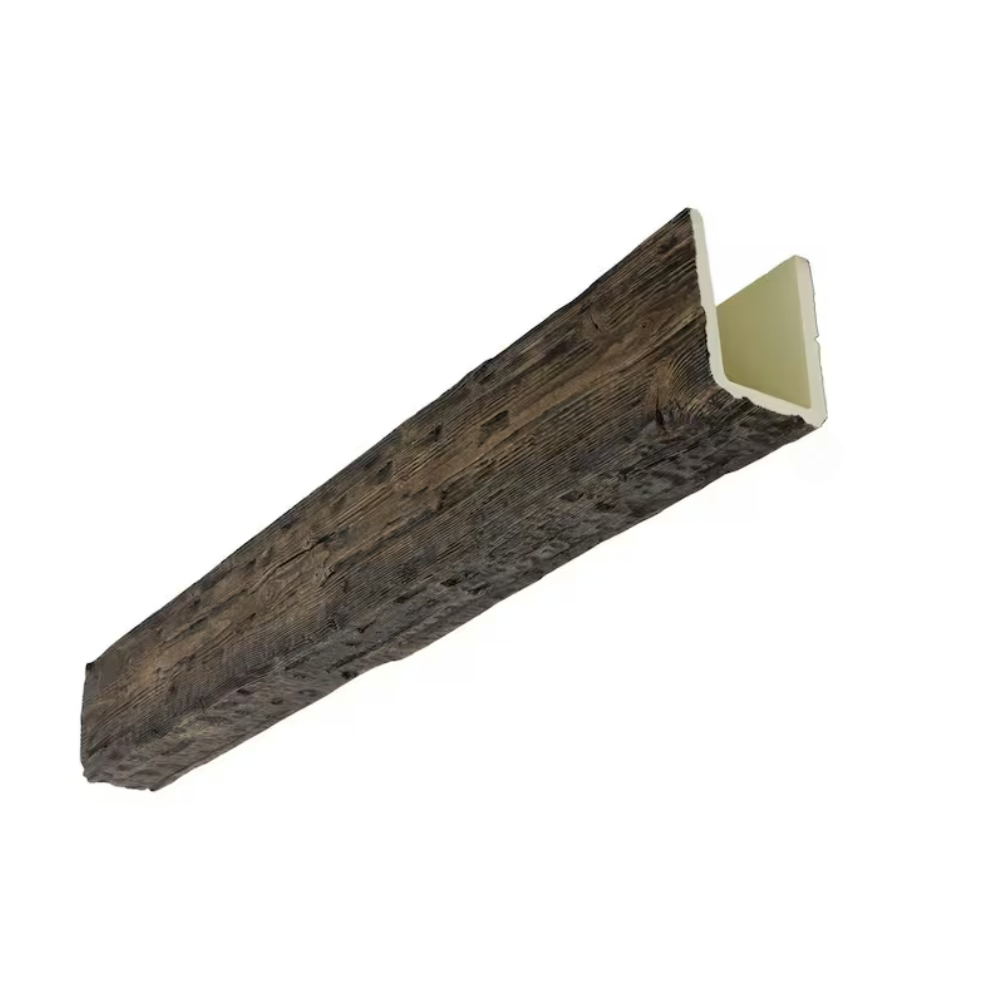
Polyurethane beams are lightweight compared to real timber, but improper lifting technique still causes injury and damage. Assess the beam length and weight before attempting to lift, and use two-person lifts for any beam longer than eight feet or heavier than thirty pounds per linear foot. Smaller beams can often be managed by one person using proper technique and body mechanics.
Carry beams with the grain orientation providing structural stiffness. Most beam profiles have a directional strength characteristic that makes them more resistant to sagging when oriented correctly. Attempting to flex a beam against its natural stiffness creates stress that may not be immediately apparent but can cause cracking or permanent deformation over time.
Negotiate beams through doorways and around corners by rotating them diagonally rather than trying to hold them perfectly straight. The diagonal orientation reduces the effective width of the beam during passage and prevents damaging contact with door frames, walls, or other obstacles. Communicate clearly with helpers about rotation timing and direction to prevent collisions and pinch injuries.
When positioning beams overhead for installation, use lifting equipment appropriate to the weight and ceiling height. Pallet jacks and beam tongs provide controlled lifting for ground-level positioning, while ceiling-mounted hoists or fork trucks handle elevated placement. Never rely on friction or balance to hold beams during installation— secure them immediately with temporary bracing until permanent fasteners are in place.
Storage Conditions and Duration
Temporary jobsite storage requires attention to environmental conditions. Direct sunlight can heat beam surfaces to temperatures that cause slight expansion, while nighttime cooling creates contraction that stresses the material. Covered storage that blocks sunlight while maintaining reasonable ventilation provides the most stable environment. Climate-controlled storage becomes necessary for multi-month storage in extreme environments.
Stack beams flat on clean, level surfaces with support at regular intervals. Unsupported spans between supports allow beams to bow under their own weight, creating permanent deformation that complicates installation. Use support spacing appropriate to the beam profile and storage duration— shorter intervals for heavier beams and longer storage periods.
Protect beam surfaces from chemical exposure that might affect finish adhesion or surface appearance. Jobsite conditions often involve paint overspray, solvent vapors, or construction dust containing reactive compounds. Cover stored beams with clean plastic sheeting, but allow ventilation to prevent moisture accumulation under the covering. Avoid contact with wet materials like fresh concrete or plaster that can stain or discolor beam surfaces.
Rotate inventory to use oldest stock first, preventing long-term storage issues. First-in-first-out rotation proves especially important for beams with textured surfaces that might collect dust and debris in warehouse conditions. Inspect older inventory more carefully for storage-related issues before committing to installation.
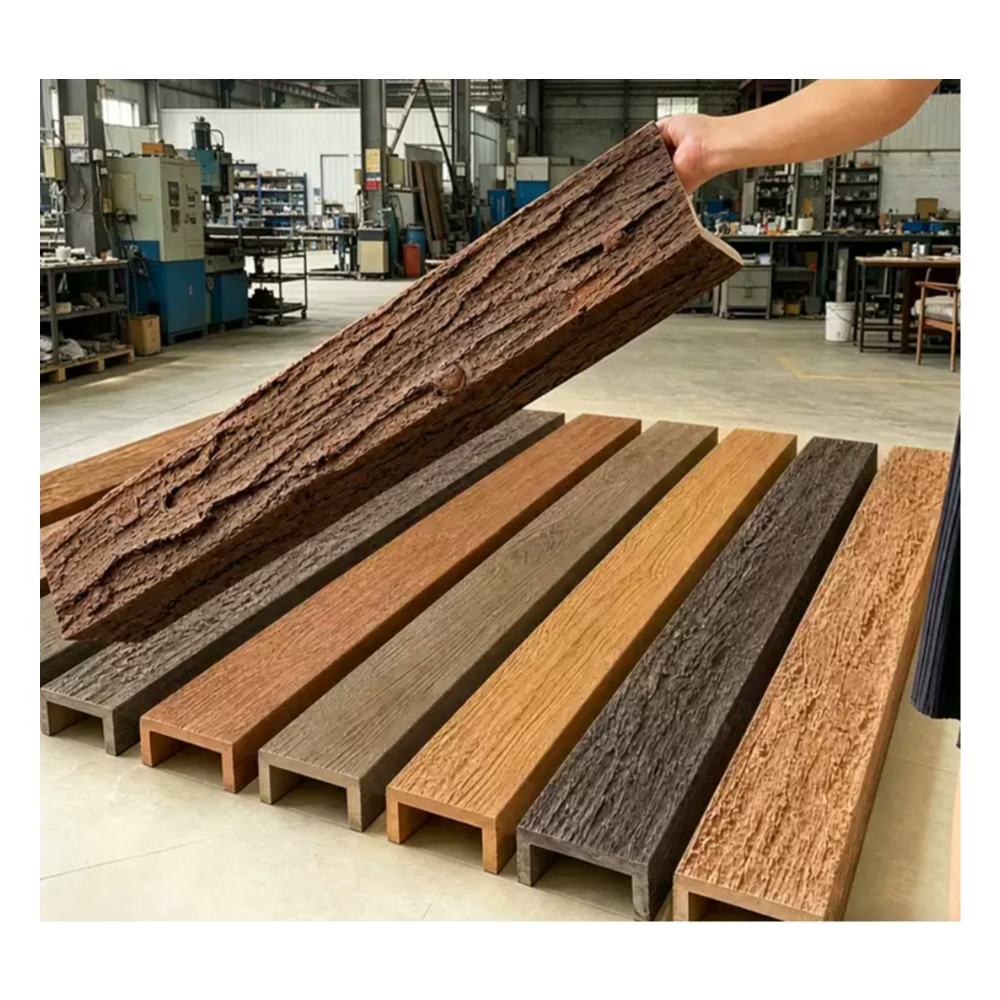
Damage Prevention During Installation
During installation, protect completed sections of beam work from damage by other trades. Temporary coverings of cardboard or builder's paper prevent scratches from tools, paint drips, or construction traffic. Coordination with other contractors prevents activities that might damage installed beams before final acceptance.
Handle beams gently during fitting and adjustment. The polyurethane material dents under concentrated impact, so avoid tapping with metal tools or dropping hardware onto beam surfaces. Use wooden shims and rubber mallets for adjustments that require force. When cutting beams, support them fully to prevent binding and kickback that could damage the beam or injure workers.
Maintain a clean work area that prevents debris accumulation on beam surfaces. Sawdust and construction grit scratch beam finishes when walked on or brushed against. Regular cleanup during installation prevents this accumulation and also improves safety by reducing slip hazards. Keep installation areas well-lit to ensure good visibility of beam surfaces during work.
Address any damage that occurs during installation promptly. Small dents sometimes expand slightly after impact, and surface scratches become more visible after finish application. Touch-up materials appropriate for polyurethane surfaces should be available on-site for immediate repairs. Document any damage that requires repair for warranty and quality control purposes.
Technical References
ASTM standards cited in every specification
Test Data
Lab results from internal testing program
Updated 2026
Reviewed against current product specs