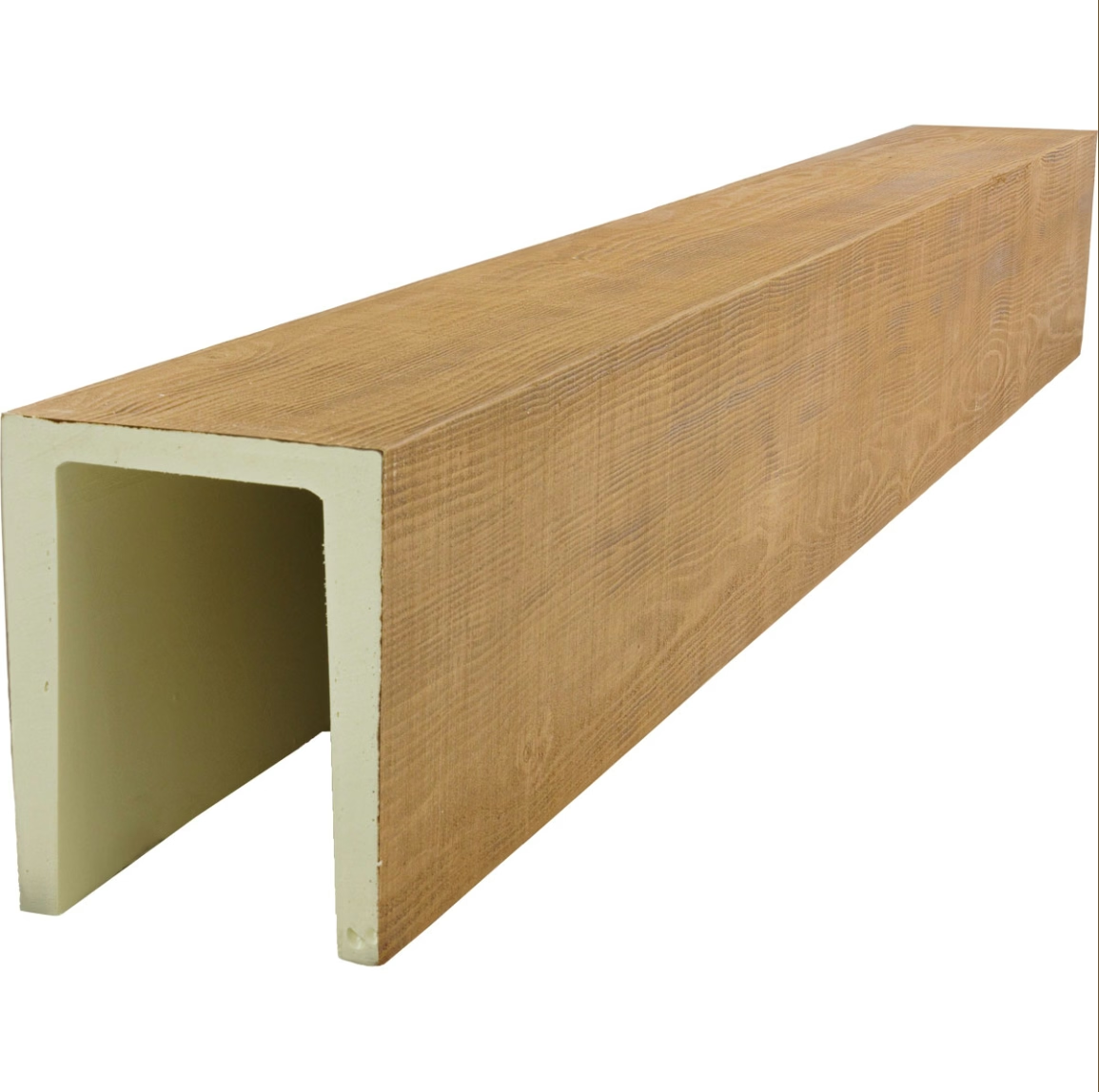
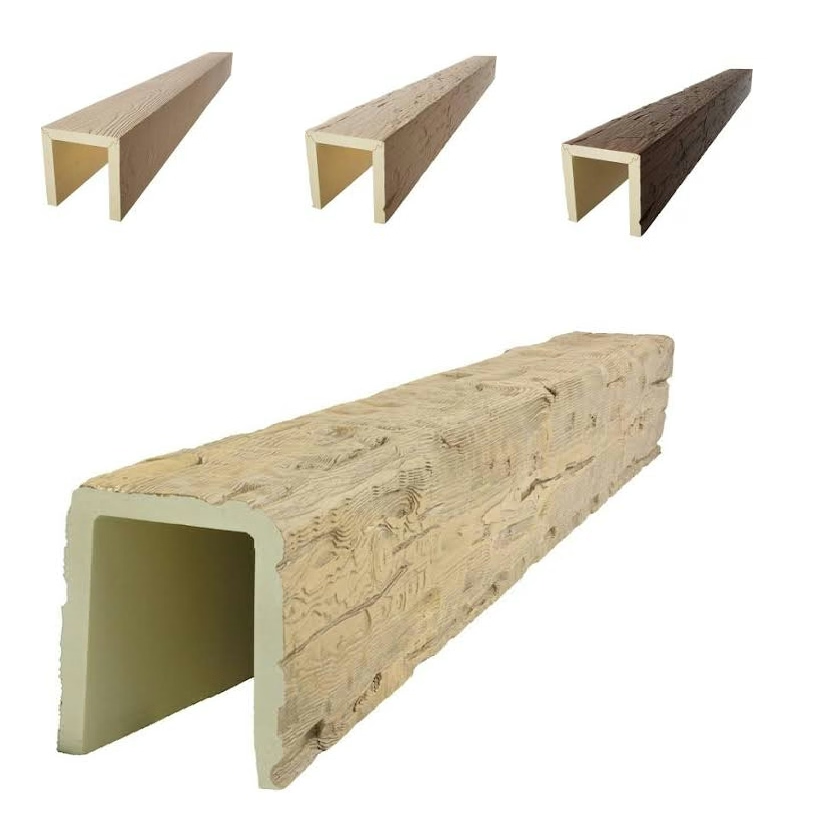
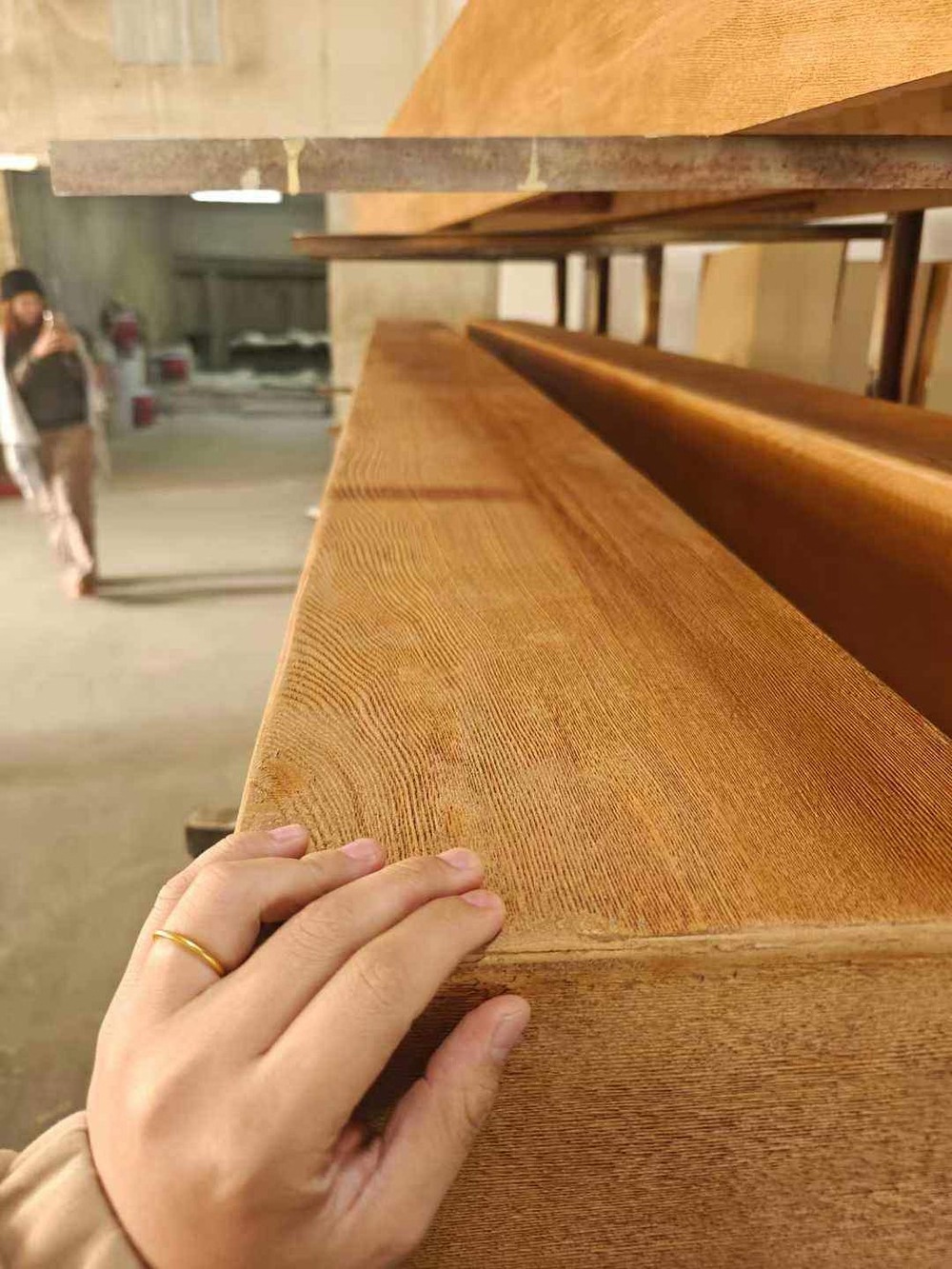
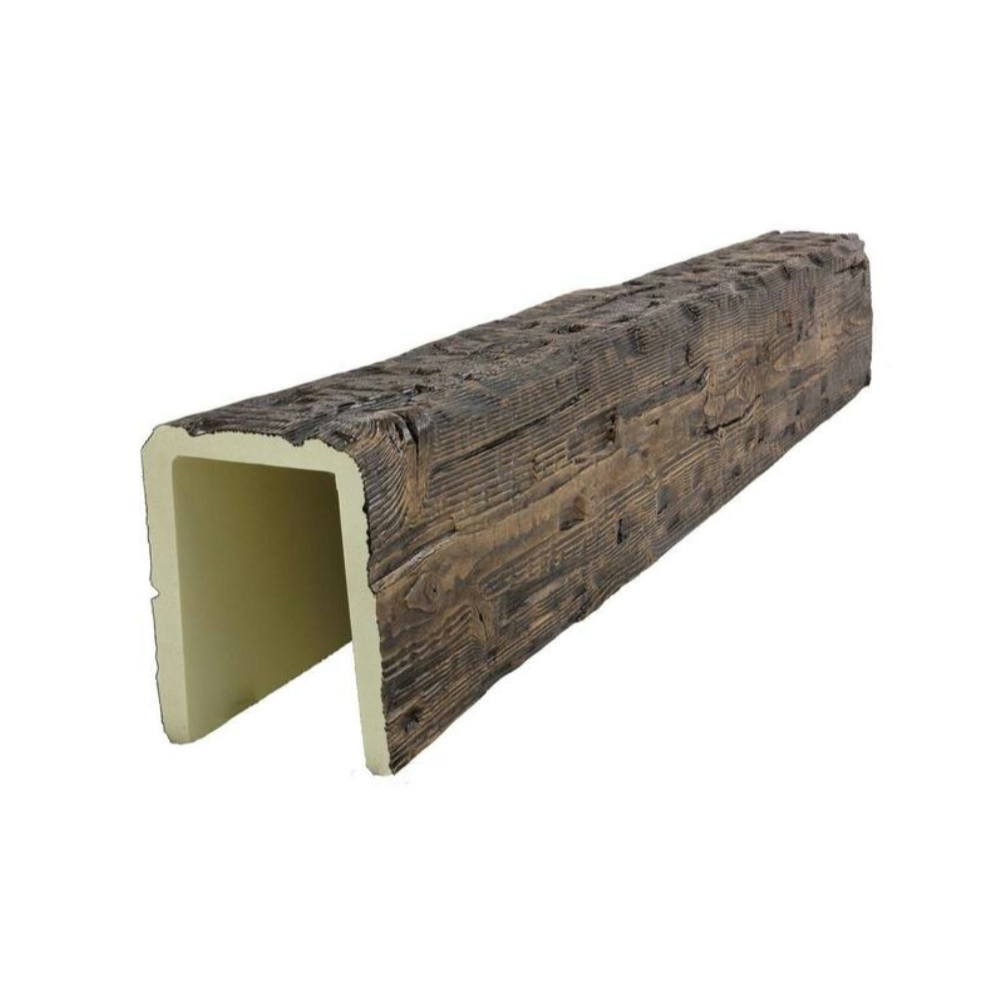
Custom coloring transforms standard polyurethane beams into unique architectural elements that match specific design visions impossible to achieve with pre-finished products. Professional stain kits provide everything needed to achieve custom finishes that replicate rare wood species, coordinate with existing millwork, or create entirely original appearances.
Designers at Studio Blackwood specialize in historically-accurate restoration work where existing millwork defines finish targets that modern products cannot match. Their custom staining protocols transform contemporary polyurethane beams into convincing period-appropriate reproductions, satisfying clients who demand authenticity that pre-finished alternatives cannot provide. These staining capabilities have opened project opportunities that finish-limited competitors cannot pursue.
Understanding Stain Chemistry for Polyurethane
Polyurethane substrates respond differently to staining products than natural wood, requiring adapted approaches that account for material characteristics. Understanding these differences guides product selection and application technique.
Unlike porous wood that absorbs stains into cellular structures, polyurethane surfaces require adhesion rather than absorption for effective coloring. Stains bond to polyurethane through mechanical and chemical adhesion mechanisms that products must be designed to achieve. Using wood stains on polyurethane typically produces poor results with inadequate adhesion and uneven coverage.
Film-forming stains build colored layers on beam surfaces rather than penetrating into substrates, providing color through surface coating rather than absorption. These products work well on polyurethane but create different appearance characteristics than penetrating stains on wood. Understanding this difference helps set realistic expectations for finishing results.
Conditioning treatments prepare polyurethane surfaces for stain adhesion by cleaning, slightly etching, or applying adhesion-promoting primers. These preparations significantly affect final results, and skipping conditioning steps typically produces disappointing outcomes regardless of stain quality. Follow manufacturer recommendations for surface preparation before staining.
Professional Kit Components
Professional stain kits provide coordinated components designed to work together, eliminating guesswork from product selection while ensuring component compatibility. Understanding these components guides effective utilization.
Stain concentrates or tints provide concentrated colorants that mix to specified formulas or blend to create custom colors. These concentrated products enable precise color matching and consistent results across multiple applications. Store concentrates properly to maintain consistency across extended project timelines.
Base stain carriers provide the liquid medium that suspends colorants and enables application. These products are formulated for specific stain types and application methods, with viscosity and drying characteristics matched to intended techniques. Use appropriate carriers for chosen application methods.
Application tools included in professional kits range from simple brushes and cloths to specialized applicators designed for specific staining techniques. Tool selection affects application speed, coverage consistency, and final appearance characteristics. Include appropriate tools for planned staining approaches.
Sealants and topcoats protect stained finishes while achieving final sheen levels that complete professional appearances. These products must be compatible with stain systems and appropriate for application contexts. Professional kits include appropriate sealants or specify compatible products clearly.

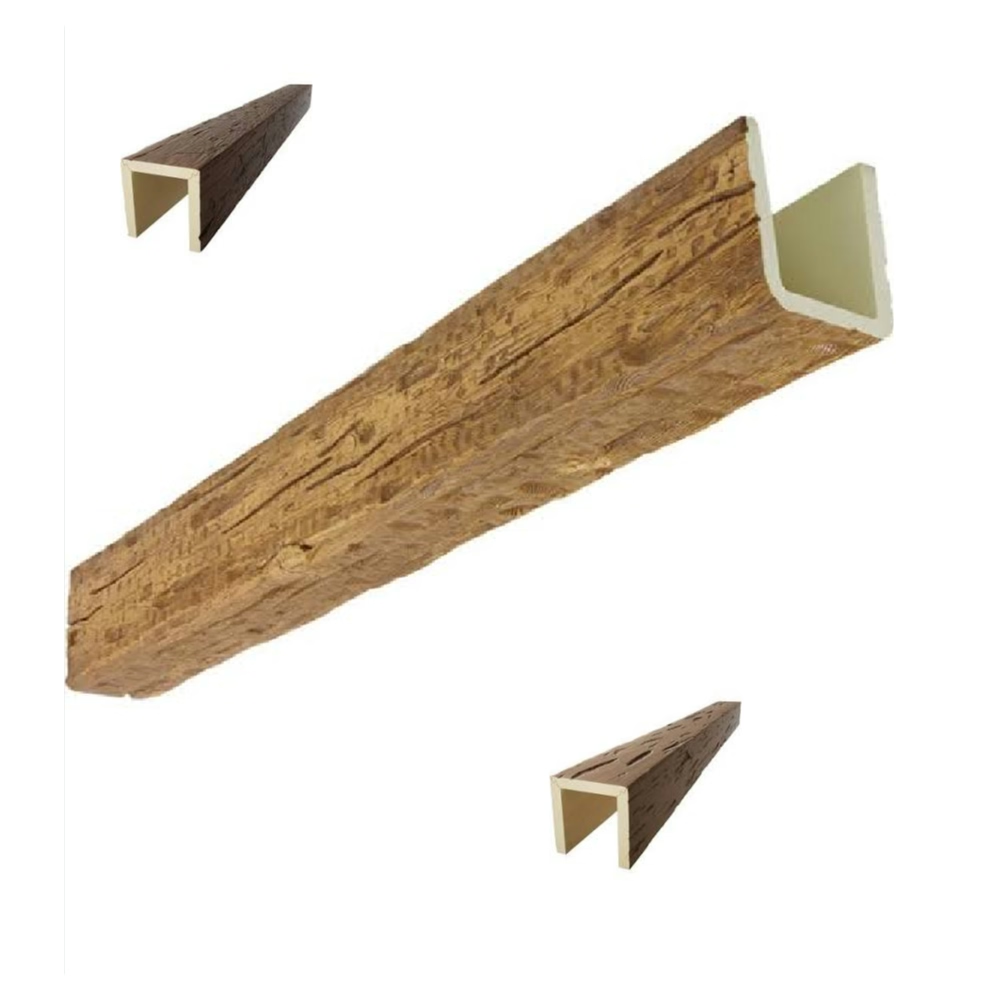
Color Matching Techniques
Professional color matching produces custom finishes that match specified targets accurately and consistently across multiple beams or project phases. Systematic approaches ensure reproducible results.
Target identification begins with understanding what color matches are needed, whether specific wood species, existing millwork, or design specifications. Gather reference samples, specification colors, or existing materials that define matching targets. Clear targets simplify color development and verification.
Formula development uses systematic mixing protocols to combine colorants toward target matches. Begin with base colors approximating targets, then adjust using secondary and tertiary tones that fine-tune results. Document formulas precisely for reproduction across larger projects or future maintenance needs.
Verification testing applies developed formulas to test pieces that match beam substrates, evaluating color accuracy under multiple lighting conditions. Color appearance shifts significantly between light sources, and matches that look perfect under shop lighting may appear wrong in installed contexts. Test thoroughly before committing to production application.
Application Technique Mastery
Application technique determines how evenly stains apply and how naturally results appear, with practice and attention developing skills that separate professional results from amateur attempts. Several application methods suit different finishing goals.
Wiping application produces natural, varied appearances that replicate authentic wood character through controlled color removal. Apply stain liberally, then wipe excess to desired levels, varying pressure to create natural color gradients that avoid uniformity. This technique suits rustic aesthetics and wood-accurate reproduction.
Spray application provides even coverage and controlled color build through layered application of thin coats. This technique enables precise color development through incremental addition, allowing precise control that brushing cannot match. Spray application requires equipment and technique development but rewards investment with professional results.
Hand-painting techniques create artistic effects that replicate weathered, aged, or intentionally distressed wood appearances. Variable pressure, overlapping strokes, and selective color placement produce character that mechanical application cannot achieve. These techniques suit period-appropriate reproduction and artistic finishing goals.
Achieving Professional Results
Professional staining results require attention to factors beyond color selection and application technique, including environmental conditions, timing, and protective finishing. These factors determine whether stain work achieves lasting professional quality.
Environmental conditions during application significantly affect results, with temperature, humidity, and air movement all influencing stain behavior and drying. Apply stains in controlled environments with moderate temperatures and humidity, avoiding direct sunlight or wind that causes uneven drying. Plan application timing around weather conditions for exterior work.
Drying and cure time between stain and topcoat application ensures proper bonding and prevents appearance problems from premature sealing. Rush schedules that compress drying times compromise adhesion and durability. Allow adequate time for complete curing, extending beyond minimums when environmental conditions reduce drying rates.
Protective topcoat application seals stained finishes while achieving final appearance characteristics. Apply topcoats evenly across stained surfaces, building protection through multiple thin coats rather than single heavy applications. Topcoat selection should match application context, with exterior exposure requiring UV-resistant formulations.
Technical References
ASTM standards cited in every specification
Test Data
Lab results from internal testing program
Updated 2026
Reviewed against current product specs