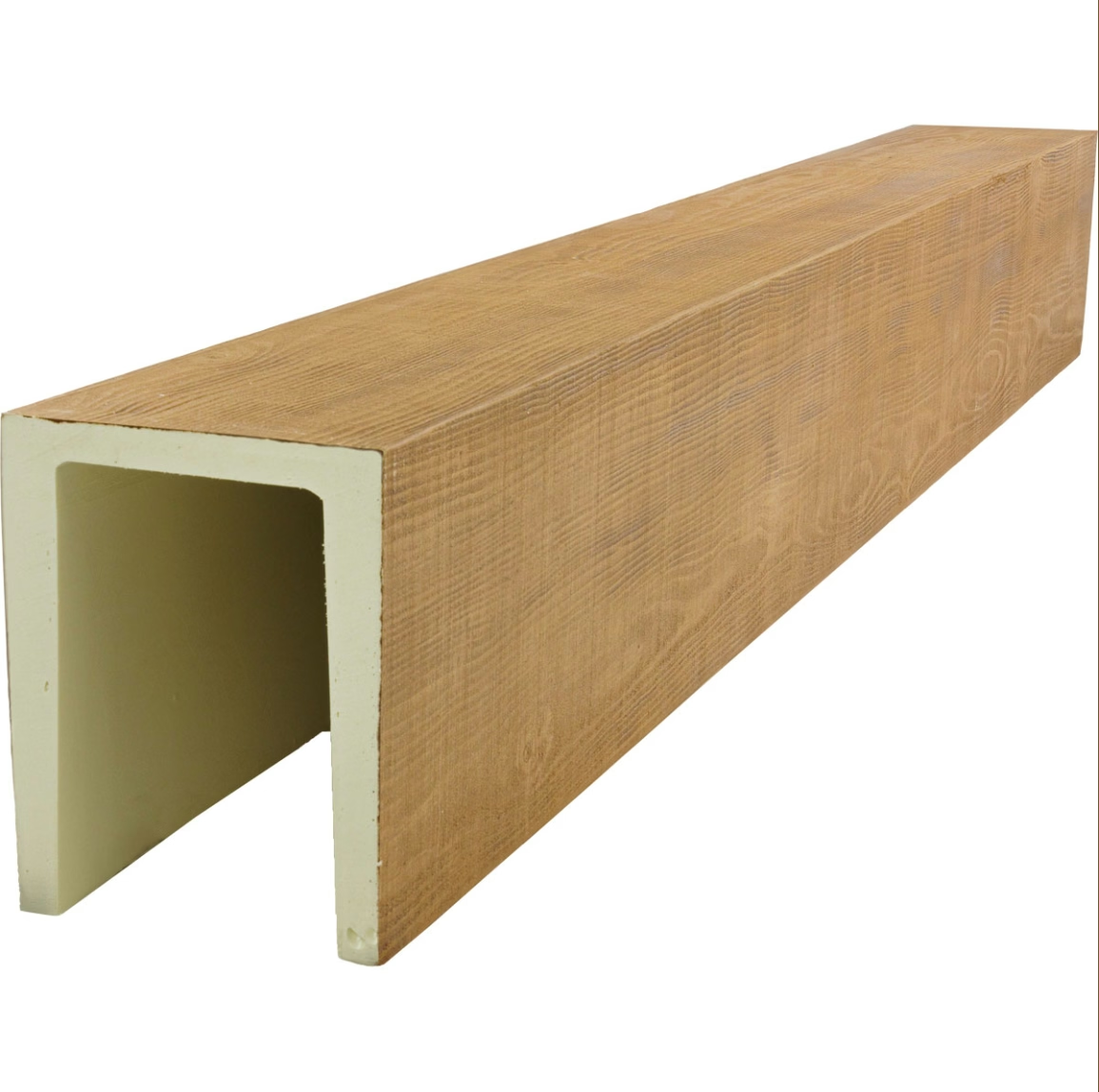
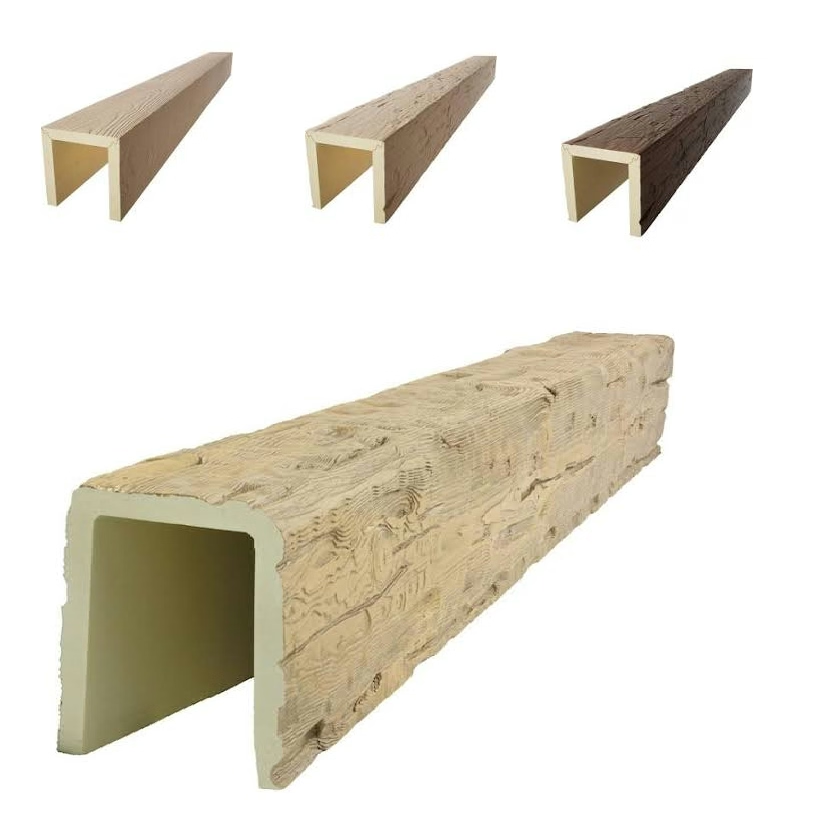
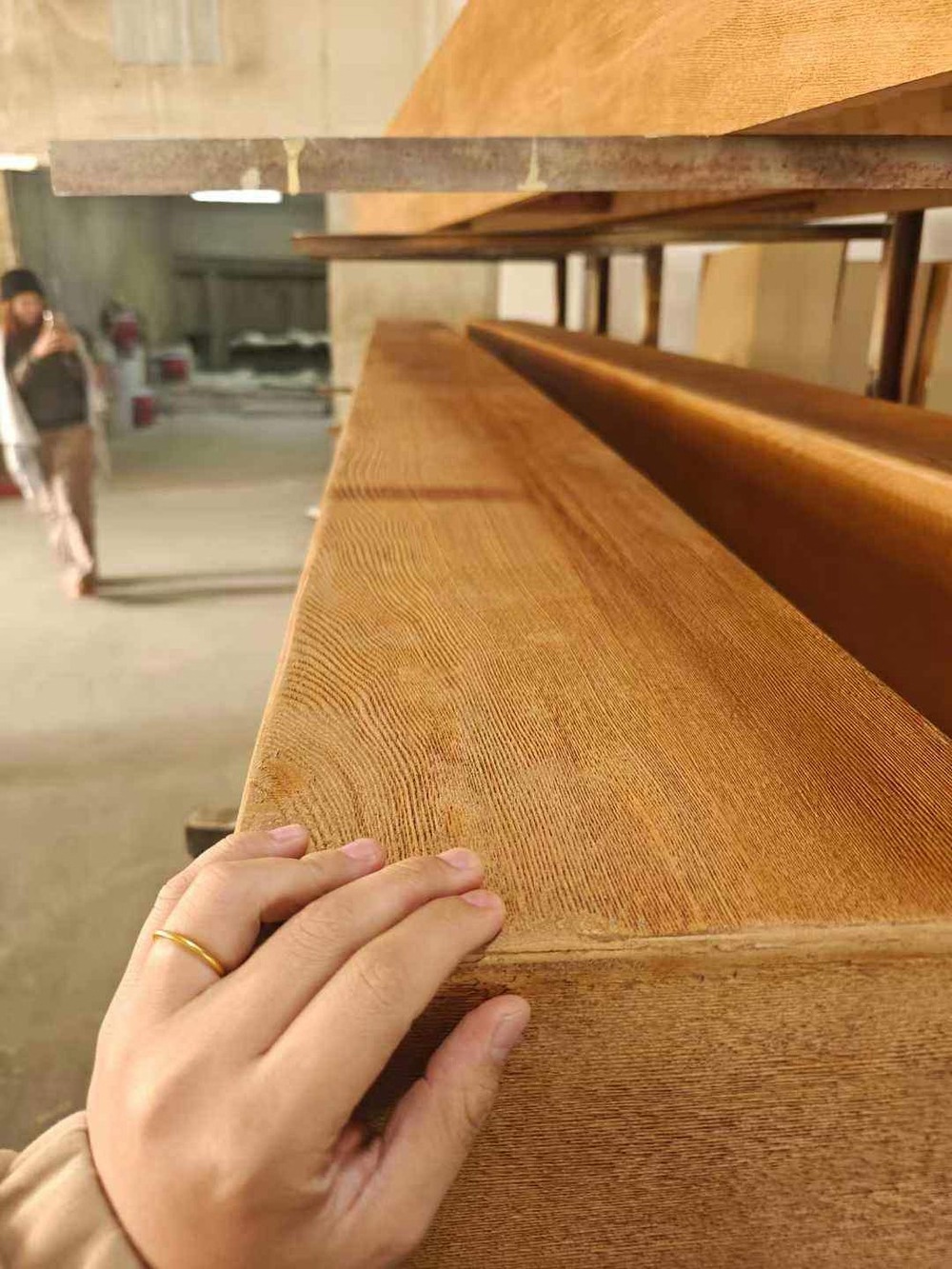
Proper storage and handling preserves the quality of polyurethane faux beams from manufacturing through installation, preventing damage that would otherwise diminish appearance or performance. Despite polyurethane's resilience compared to natural wood, improper storage creates problems ranging from surface contamination to structural deformation that compromise installation quality. Professional handlers develop systematic approaches that protect product value throughout the supply chain while minimizing damage-related costs and customer dissatisfaction.
These guidelines address the complete material lifecycle, from warehouse receipt through jobsite delivery and installation preparation, recognizing that each stage presents distinct challenges requiring appropriately adapted procedures. Attention to these details distinguishes professional supply chains from those where damage becomes accepted cost of doing business.
Warehouse Storage Environment
Climate-controlled storage provides optimal protection for polyurethane beams, though the material tolerates broader environmental ranges than many alternatives. Temperature extremes beyond approximately -20°C to +60°C should be avoided, with moderate, stable conditions preventing any thermal stress that might cause dimensional changes. Relative humidity levels below 80% prevent moisture accumulation that could affect surface coatings or create slip hazards.
UV protection prevents surface degradation during extended storage, with warehouse windows requiring UV-filtering treatments or beam positioning away from direct sunlight exposure. Products stored near loading dock doors may receive significant UV exposure during出入, potentially causing surface chalking or color shift before installation. Darker-colored beams prove particularly susceptible to UV-induced fading during prolonged storage.

Physical separation from other materials prevents damage from impact, vibration, or chemical exposure during storage. Chemicals including solvents, adhesives, and cleaning products should maintain minimum separation distances from beam storage areas, with spill containment preventing accidental exposure. Heavy items should never be stacked atop beam storage locations, regardless of packaging robustness.
Packaging Integrity and Inspection
Factory packaging provides intended protection during normal transport and storage, but damage during handling may compromise this protection before reaching final destinations. Inspecting packaging condition upon receipt identifies issues that might indicate rough handling or extended adverse exposure. Damaged packaging should prompt closer product inspection before accepting delivery or placing into inventory.
Polyurethane beams typically ship in cardboard containers or stretch-wrapped bundles, with individual beam separation using cardboard dividers or foam padding. Maintaining packaging integrity during storage preserves these protective features, with any repackaging following manufacturer recommendations or equivalent protection standards. When original packaging proves insufficient for storage duration, upgrading to heavier-gauge wrapping or enclosed containers provides additional protection.
Label preservation enables inventory management and installation planning, with product identification enabling accurate selection and order fulfillment. Labels should remain visible and legible throughout storage, with any damaged labels receiving replacement identification that maintains traceability to original production information.
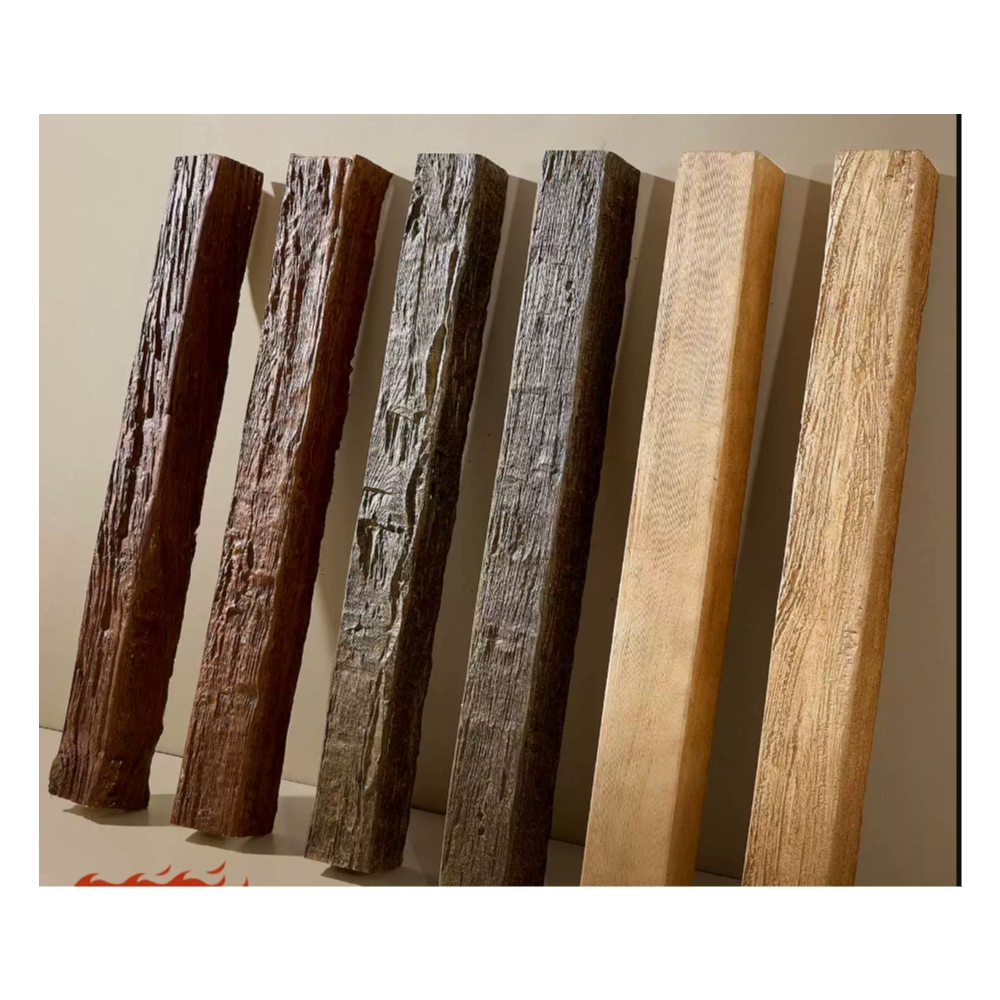
Handling Procedures and Equipment
Manual handling limits depend on beam dimensions and physical capability of handlers, with maximum single-person weight limits typically around 25-30 kilograms for comfortable handling. Longer beams may fall below this weight limit but exceed manageable length for single-person maneuvering, requiring two-person handling regardless of weight. Training handlers to recognize these limits prevents injury and damage from overloaded attempts.
Material handling equipment including forklifts, pallet jacks, and hand trucks should feature appropriate load ratings and lifting attachments for beam geometry. Standard pallet forks may prove inadequate for long beam bundles that require outrigger supports preventing cantilever bending. A-frame beam carts enable controlled movement of multiple beams through doorways and around corners, with locking casters providing stability during loading and unloading operations.
During handling, beam profiles should remain oriented to prevent side-loading that could cause cracking or permanent deformation. Lifting from below with single-point contact creates stress concentrations that may not manifest immediately but can cause delayed failure. Using multiple contact points distributes loads appropriately, particularly for longer beams where bending stress becomes significant.
Transport and Loading Procedures
Vehicle selection should match load requirements, with flatbed trucks suitable for long beams but requiring strapping that prevents movement during transport. Enclosed vehicles provide protection from weather and road debris, particularly important for beams with premium finish surfaces that scratches would compromise. When flatbed transport remains necessary, protective covering with tarps or soft covers shields exposed surfaces from wind-blown contamination and UV exposure.
Load securing prevents transit damage from shifting, with beam bundles strapped to pallets or appropriate load points that distribute securing forces without concentrated pressure points. Cross-strapping prevents barrel-shaped bulging that could cause beam contact and surface damage. Padding at contact points between beams and load barriers prevents impact damage during vehicle acceleration and braking.
Long transport distances increase exposure to vibration fatigue, particularly for beams with molded textures where repeated low-amplitude stress can cause surface microcracking. Reducing transport speed on rough roads and using suspension-equipped vehicles minimizes vibration exposure. Air-ride suspension vehicles provide meaningful protection for premium products where surface quality justifies the additional transport cost.
Jobsite Receiving and Staging
Jobsite delivery inspection verifies product condition against order documentation, identifying any transit damage before accepting delivery and signing transport documents. Documenting visible damage on delivery receipts preserves recourse options against carriers for damage occurring during transport. Photographs of delivered products and packaging provide valuable reference if damage claims require substantiation later.
On-site storage locations should mirror warehouse environment ideals where practical, with beams stored indoors in clean, dry locations away from construction traffic and other trades. When indoor storage proves impossible, covered outdoor storage on smooth surfaces prevents ground moisture infiltration and allows drainage that prevents water pooling. Elevating beams on dunnage promotes airflow beneath stored products while preventing ground moisture absorption.
Installation staging positions beams near their installation locations while protecting them from damage during surrounding work. Temporary covering prevents dust, debris, and paint overspray from accumulating on beam surfaces, with coverings secured against displacement by wind or inadvertent contact. Scheduling beams to arrive as installation approaches minimizes storage duration and associated exposure risks.
Technical References
ASTM standards cited in every specification
Test Data
Lab results from internal testing program
Updated 2026
Reviewed against current product specs