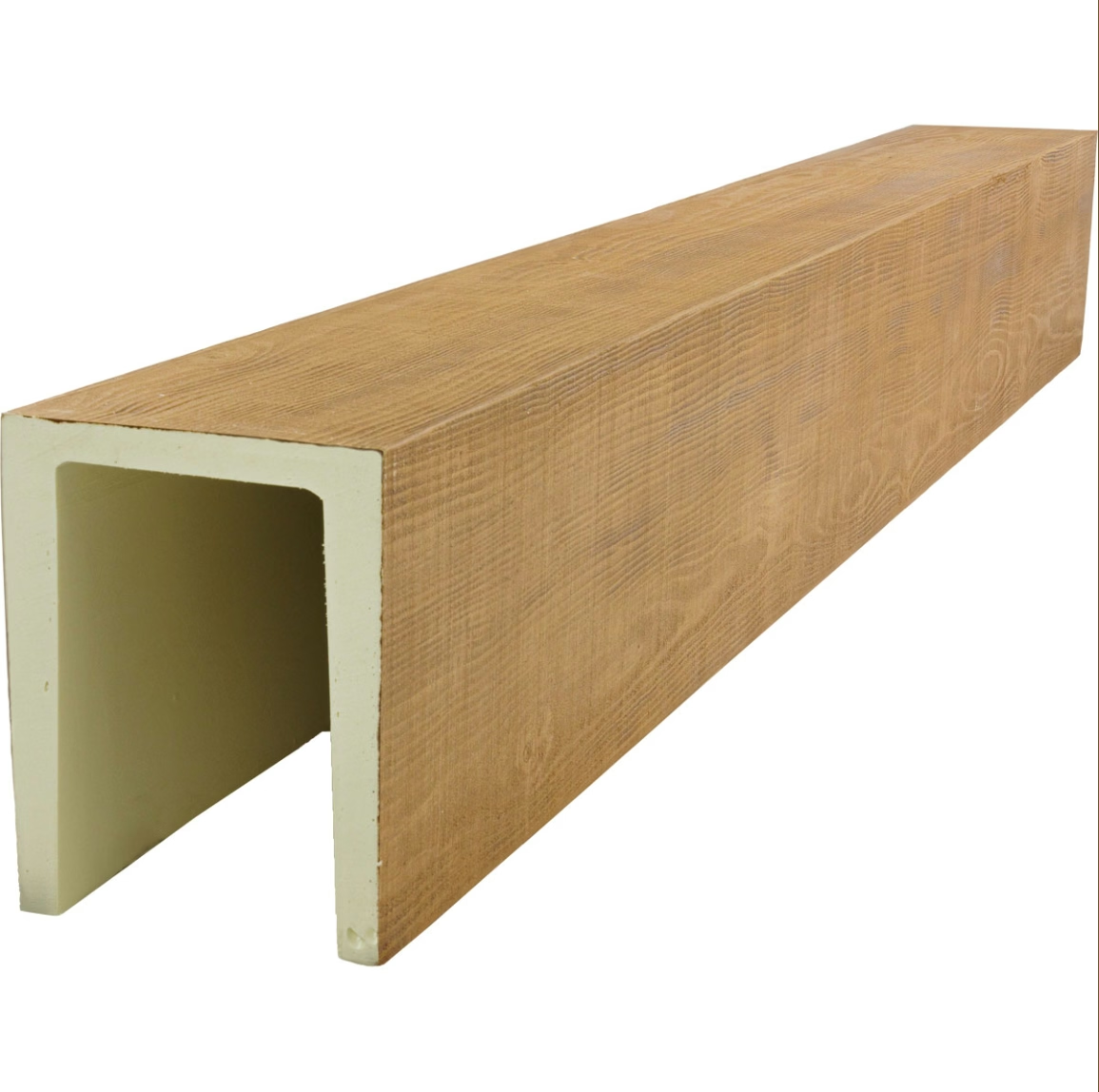
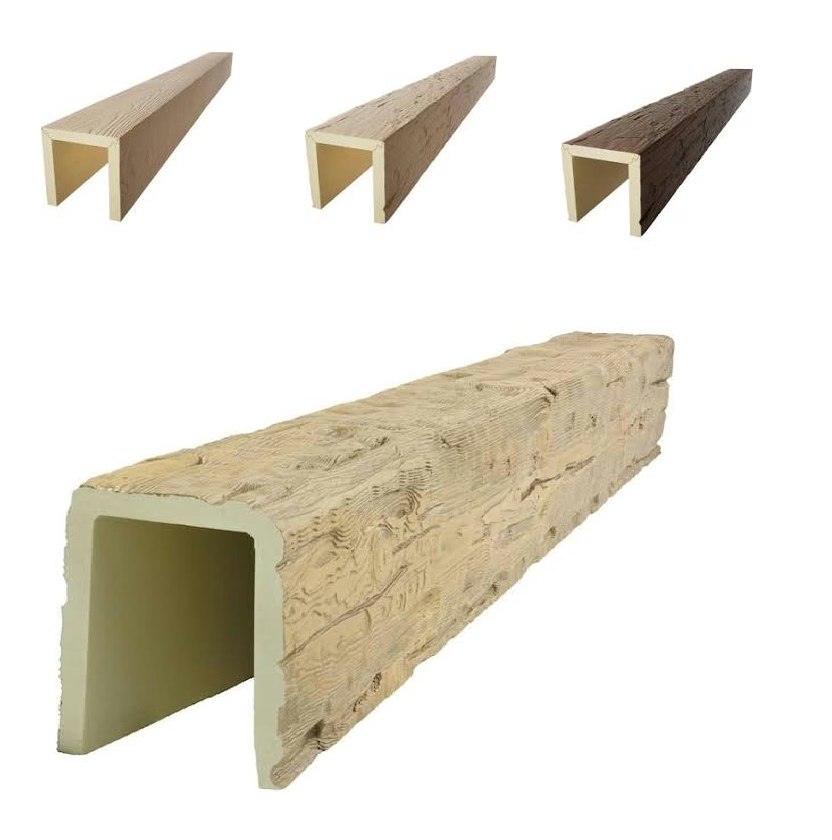
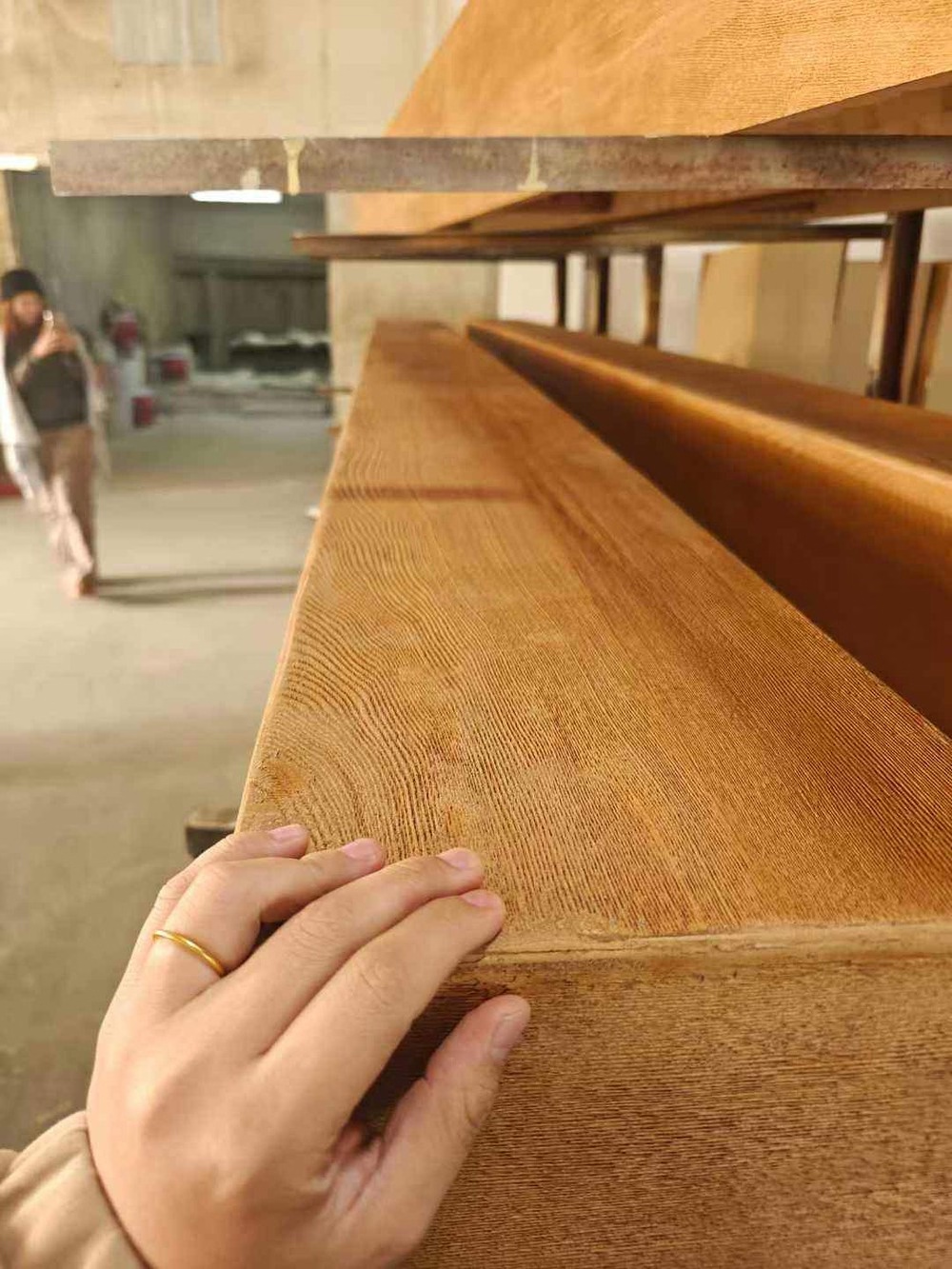
When architects and contractors begin evaluating decorative beam options for large-scale projects, they need reliable data at their fingertips. Polyurethane faux wood beams have emerged as a preferred choice in modern construction and renovation, primarily because they combine aesthetic appeal with predictable performance characteristics that simplify specification and installation.

The foundation of any professional specification begins with understanding core material properties. High-density polyurethane, the primary substrate for quality faux wood beams, typically exhibits a density range of 240 to 320 kilograms per cubic meter. This compares favorably with natural wood species commonly used for structural and decorative purposes, while offering superior consistency in manufacturing. Unlike natural timber, which varies significantly between boards based on grain patterns, growth conditions, and moisture content, polyurethane beams deliver uniform density across every unit produced. This predictability translates directly into more accurate cost estimating and eliminates surprises during installation.
Physical Properties and Performance Metrics
Beyond basic density, professional documentation must address thermal performance characteristics that affect building envelope calculations. Polyurethane faux wood beams demonstrate a thermal conductivity rating of approximately 0.025 to 0.035 watts per meter-kelvin, making them effectively neutral in thermal transfer scenarios. This means beams will not conduct significant heat or cold through the building structure, an important consideration when beams span conditioned and unconditioned spaces. In exterior applications or climate-controlled interiors with exposed beams, this stable thermal behavior prevents condensation issues and maintains consistent interior temperatures near the beam installation.
Moisture resistance represents another critical performance category. Unlike natural wood, polyurethane does not absorb water, swell, warp, or develop rot when exposed to humid conditions. The material achieves this through its closed-cell structure, which prevents moisture penetration even under sustained exposure. Documentation for projects in coastal regions, pool enclosures, or bathrooms should highlight this advantage clearly. Natural wood alternatives require extensive sealing and ongoing maintenance to achieve comparable performance, while polyurethane beams maintain their dimensional stability and appearance indefinitely with minimal care.
The material also demonstrates excellent resistance to common construction chemicals and cleaning agents. This chemical resistance proves valuable in commercial kitchens, healthcare facilities, and industrial settings where beams may be exposed to cleaning protocols involving various solutions. Specifiers should still review specific chemical exposure scenarios, as certain solvents can affect polyurethane surfaces, but routine cleaning presents no concerns.
Structural Considerations and Load Specifications

While decorative faux wood beams are not typically specified as load-bearing elements, understanding their structural characteristics matters for mounting system design. The compressive strength of high-density polyurethane ranges from 150 to 300 kilopascals depending on formulation, sufficient to support their own weight plus standard finishing materials and modest accessory loads. For installations involving light fixtures, signage, or holiday decorations, the mounting substrate must provide the primary support, with the beam itself serving as a cosmetic covering.
Impact resistance testing reveals that polyurethane beams handle normal construction handling and accidental impacts without damage that would require replacement. The material absorbs energy through slight deformation rather than cracking or shattering like some composite alternatives. This toughness during transport and installation reduces material waste and callbacks for damaged pieces, a consideration that affects total project cost beyond the initial material purchase price.
Dimensional stability under temperature cycling deserves documentation attention for projects in regions with significant seasonal variation. Polyurethane demonstrates minimal expansion and contraction across typical interior temperature ranges. The coefficient of thermal expansion is approximately 50 to 70 micrometers per meter-kelvin, meaning a three-meter beam would expand less than half a millimeter across a 30-degree temperature swing. This dimensional stability ensures that joint alignments and surface finishes remain consistent regardless of seasonal conditions.
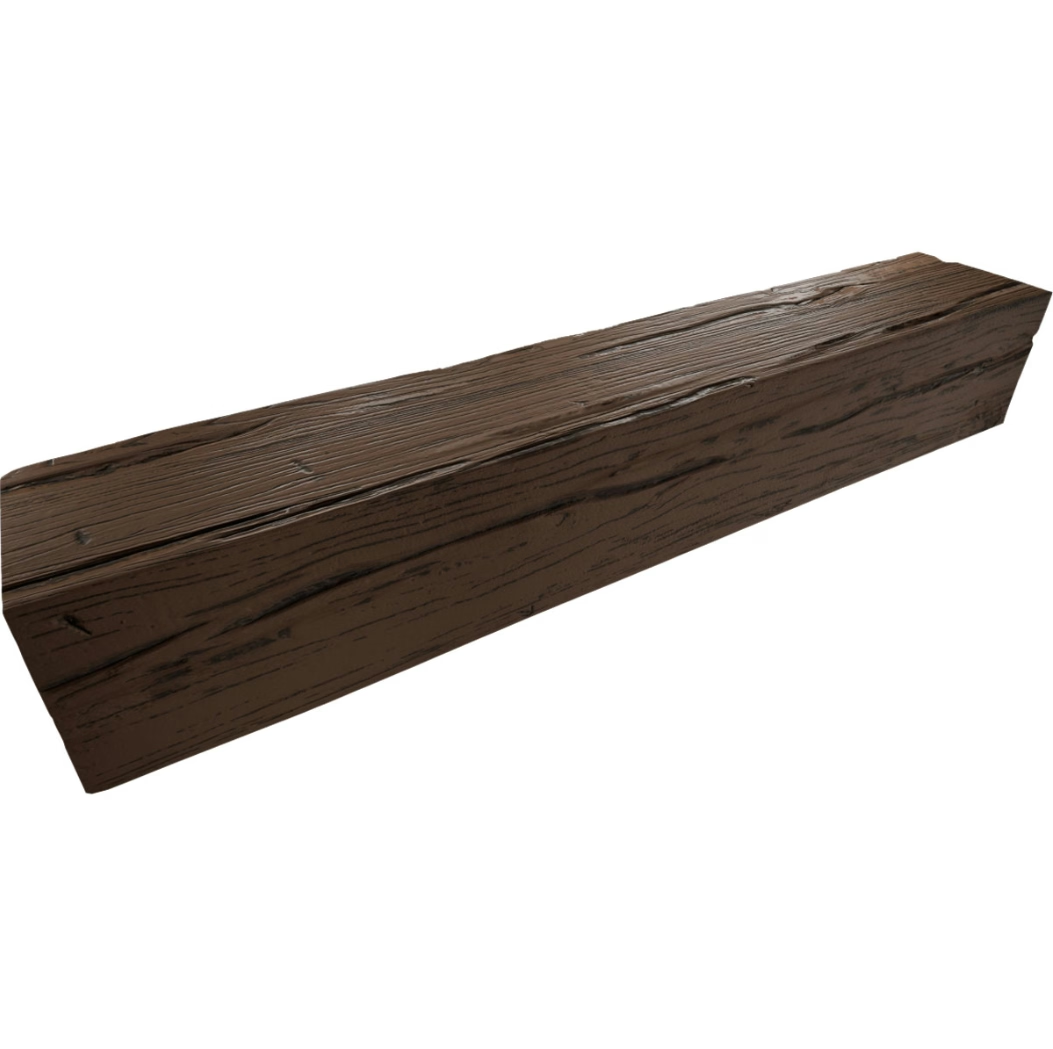
Fire Performance and Safety Ratings
Building codes increasingly influence beam material selection, making fire performance documentation essential for specification. Polyurethane faux wood beams are available with various fire ratings depending on formulation and any applied finishes. Standard formulations typically achieve Class C fire ratings, while fire-retardant versions can reach Class A ratings when tested according to ASTM E84 standards. These ratings apply to the finished assembly including any paint or stain coatings, so specifiers must document the complete system rather than base ratings on raw material alone.
Smoke development and flame spread indexes provide the data points architects need for code compliance documentation. Quality manufacturers provide third-party testing documentation that specifiers can reference in permit submittals and building department reviews. For projects requiring specific fire performance, early coordination with manufacturers ensures available product configurations meet project requirements without costly redesigns late in the specification process.
Dimensional Tolerances and Quality Standards
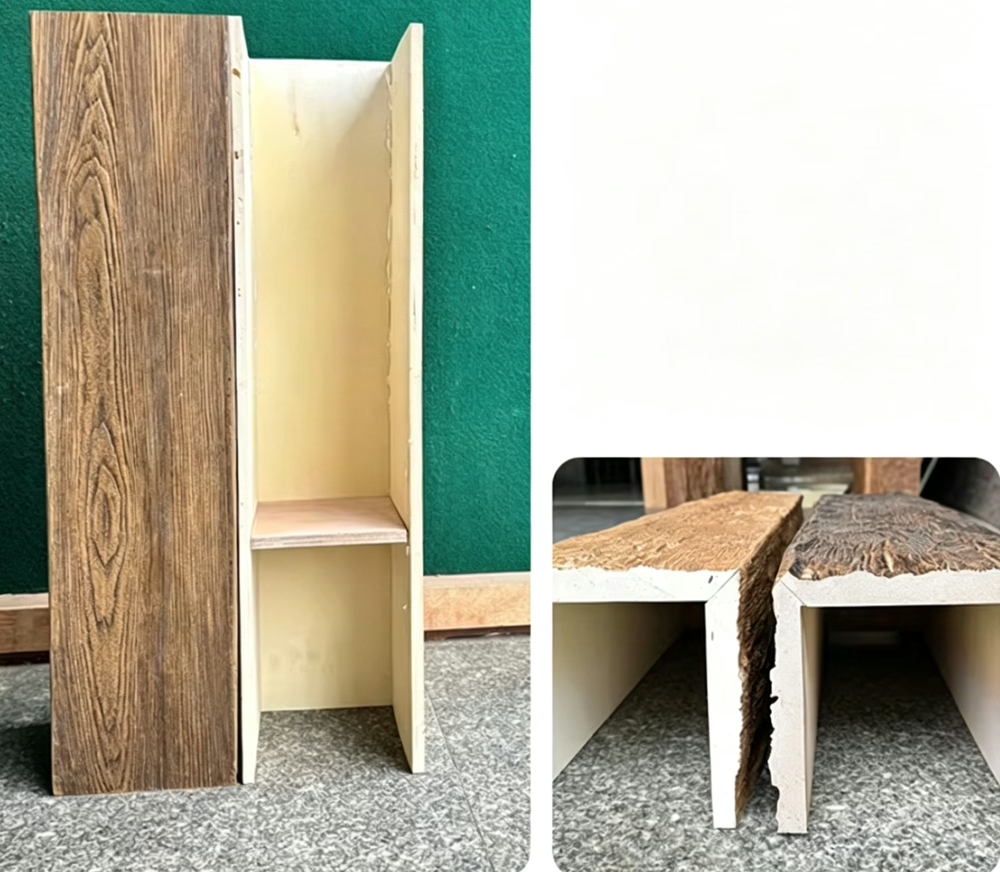
Professional documentation addresses the precision achievable with molded polyurethane products. Unlike wood, which cuts and machines to exact dimensions but then moves with moisture changes, polyurethane beams maintain their as-manufactured dimensions throughout their service life. Standard tolerance specifications typically allow ±1.5mm on cross-sectional dimensions and ±3mm on length, with some manufacturers offering tighter tolerances for premium applications.
Surface finish quality varies by manufacturing process and price point. High-quality molds produce beams with consistent texture replication and minimal flash or parting lines. Documentation should specify minimum surface finish requirements for visible versus concealed installations. Quality control procedures during manufacturing, including random sampling and dimensional verification, provide the consistency that specification professionals require for predictable project outcomes.
The technical documentation package for polyurethane faux wood beams should include material safety data sheets, installation guidelines, cleaning recommendations, and warranty information alongside the core performance data. Projects involving multiple trades or phased installations benefit from consistent documentation packages that ensure all parties work from the same information baseline. This comprehensive approach to technical documentation distinguishes professional specification from casual product selection and supports successful project delivery across commercial and residential applications.
Technical References
ASTM standards cited in every specification
Test Data
Lab results from internal testing program
Updated 2026
Reviewed against current product specs