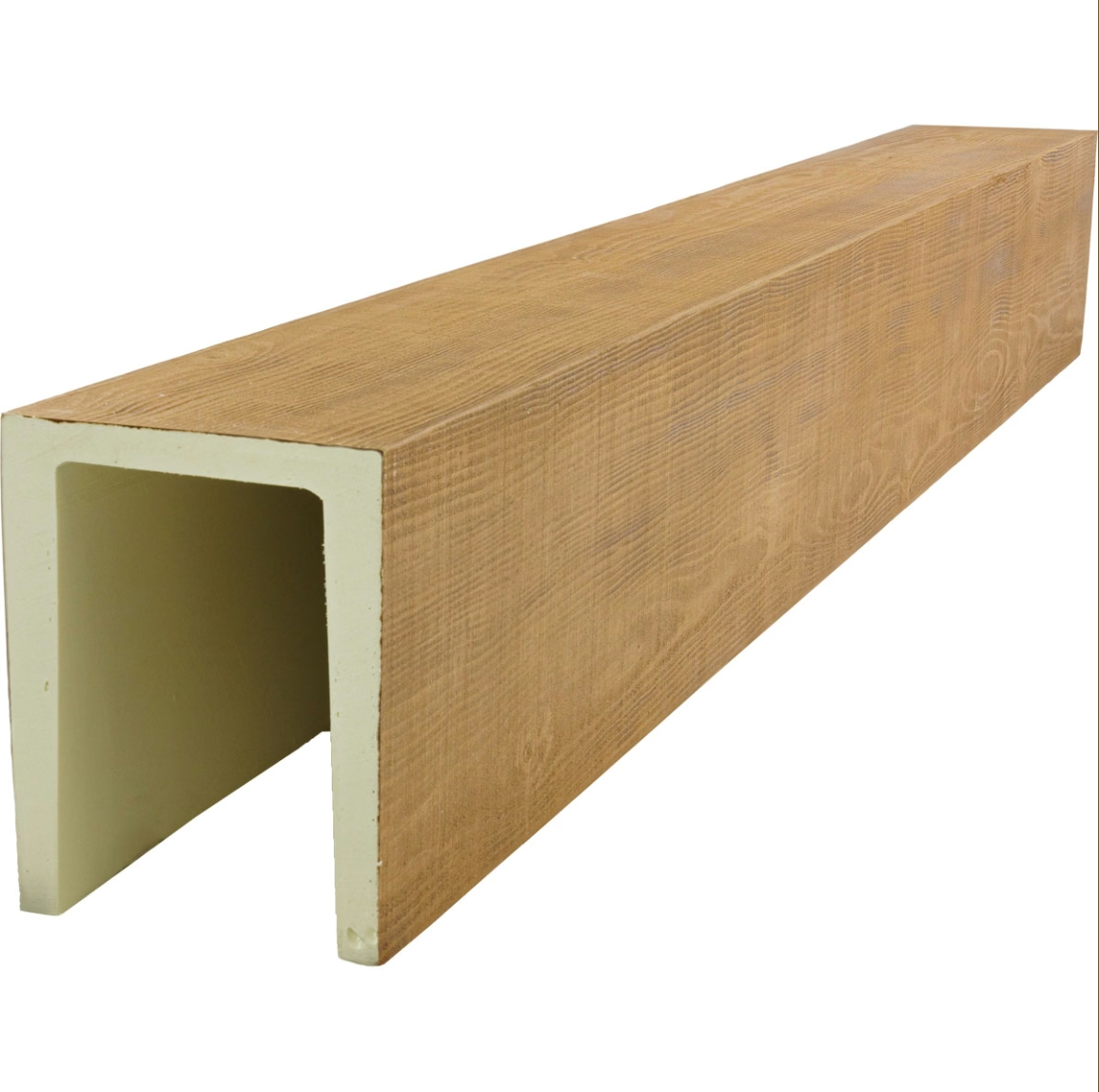
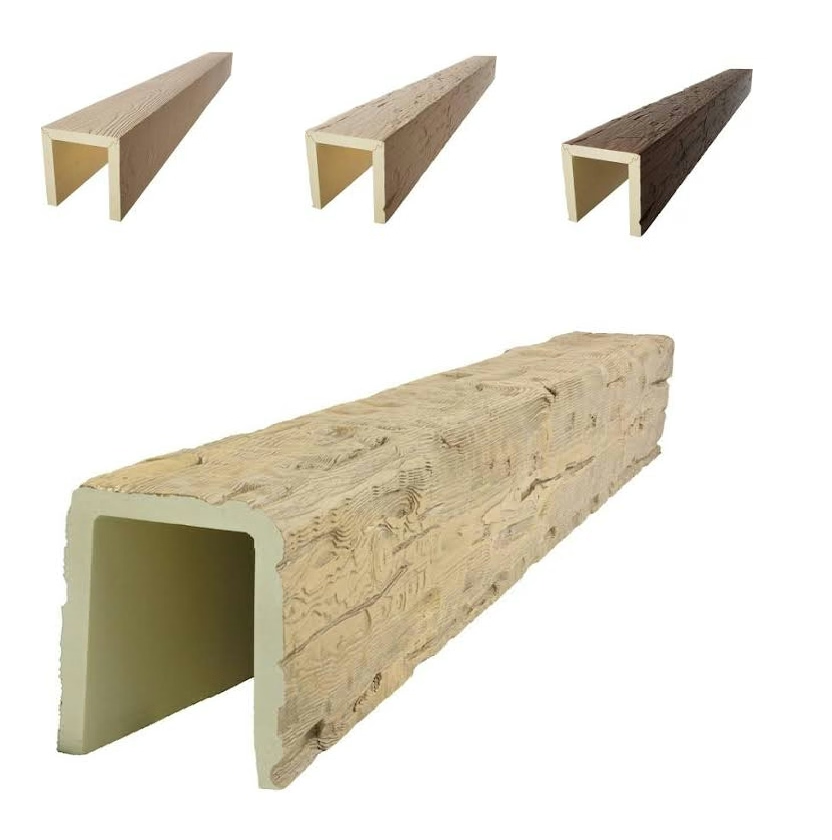
Writing specifications for decorative beam installations requires balancing aesthetic requirements with performance standards that ensure consistent results across complex projects. When polyurethane faux wood beams entered the market, specification writers faced the challenge of creating language that captured the unique characteristics of this composite material while establishing clear acceptance criteria for quality verification.
The specification process begins with material identification that distinguishes polyurethane from similar-sounding alternatives. Expanded polystyrene beads or low-density foam cores wrapped in veneer look similar to casual observers but perform quite differently over time. A precise specification names the material chemistry explicitly, requiring high-density polyurethane with a minimum density of 240 kg/m³. This baseline prevents cost-driven substitutions that would compromise long-term performance and appearance retention.

Material Requirements and Testing Standards
The specification section should establish baseline material properties that certified products must meet. These include density, compressive strength, thermal resistance, and moisture resistance values that can be verified through standard testing. Referencing established test methods such as ASTM D1622 for density and ASTM D695 for compressive strength provides clear verification protocols for quality assurance personnel.
Fire performance requirements often drive specification language, particularly for commercial applications. The spec writer must determine applicable building codes and translate them into specific test requirements. Class A fire ratings typically require testing to ASTM E84 or UL 723, with maximum flame spread and smoke development indexes defined numerically. Products meeting these requirements should be documented through third-party testing rather than manufacturer self-certification, providing an independent verification layer.
Accelerated weathering tests demonstrate how beams will perform after years of exposure to ultraviolet light, temperature cycling, and humidity variation. ASTM G155 or similar protocols subject samples to extended cycles that simulate years of real-world conditions. Specifications requiring minimum 500-hour or 1000-hour weathering testing ensure that color retention and surface integrity meet expectations for long-term installations.
Finish Standards and Appearance Criteria

The visual appearance of decorative beams requires specification language that acknowledges the subjective nature of aesthetics while establishing objective measurement criteria where possible. Color matching specifications typically reference the Natural Color System or Munsell notation, providing numerical targets rather than relying solely on physical samples that can vary or fade over time. For projects requiring color matching to existing elements, include physical samples in the submittal process with approved reference specimens retained on site.
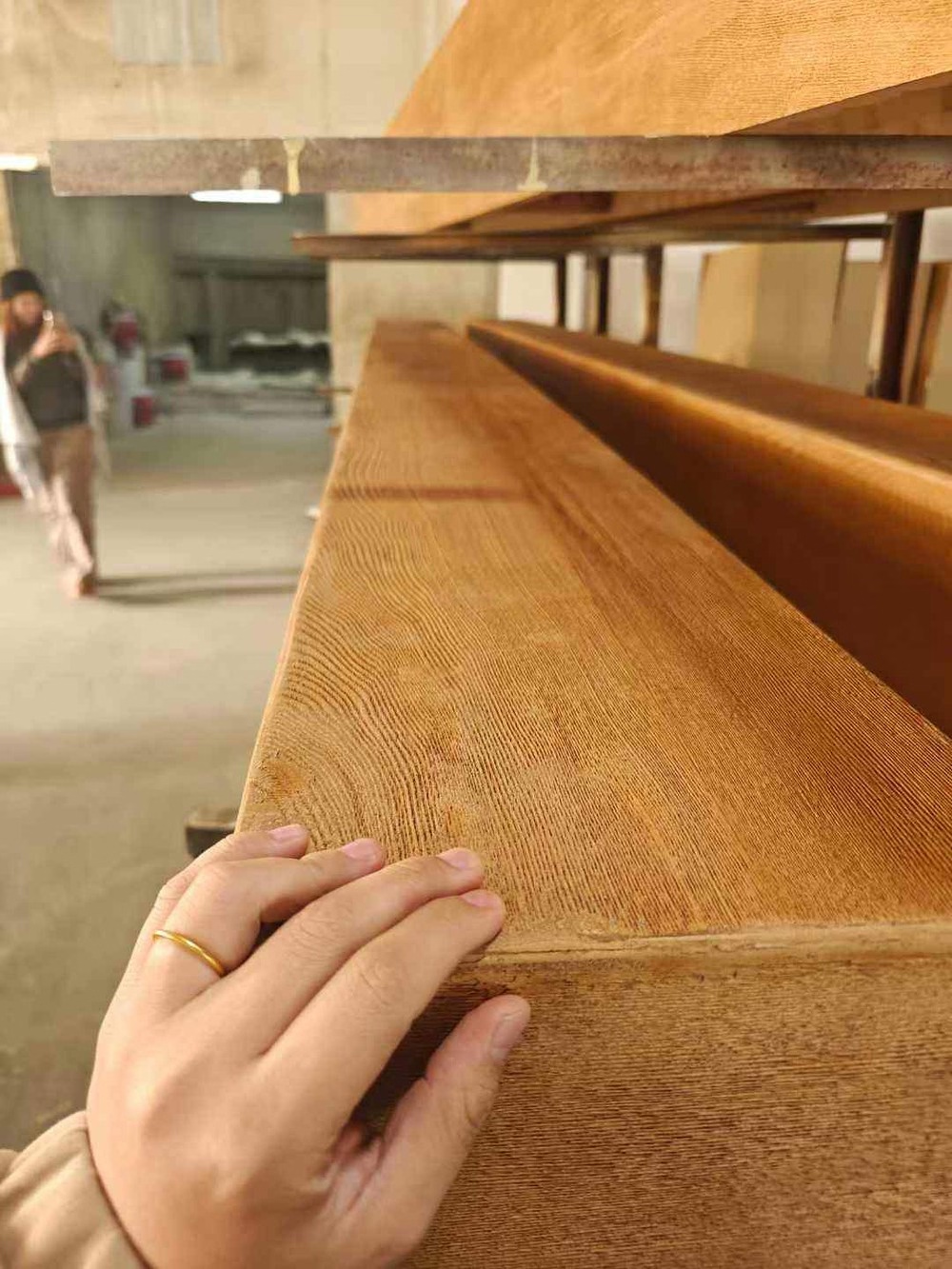
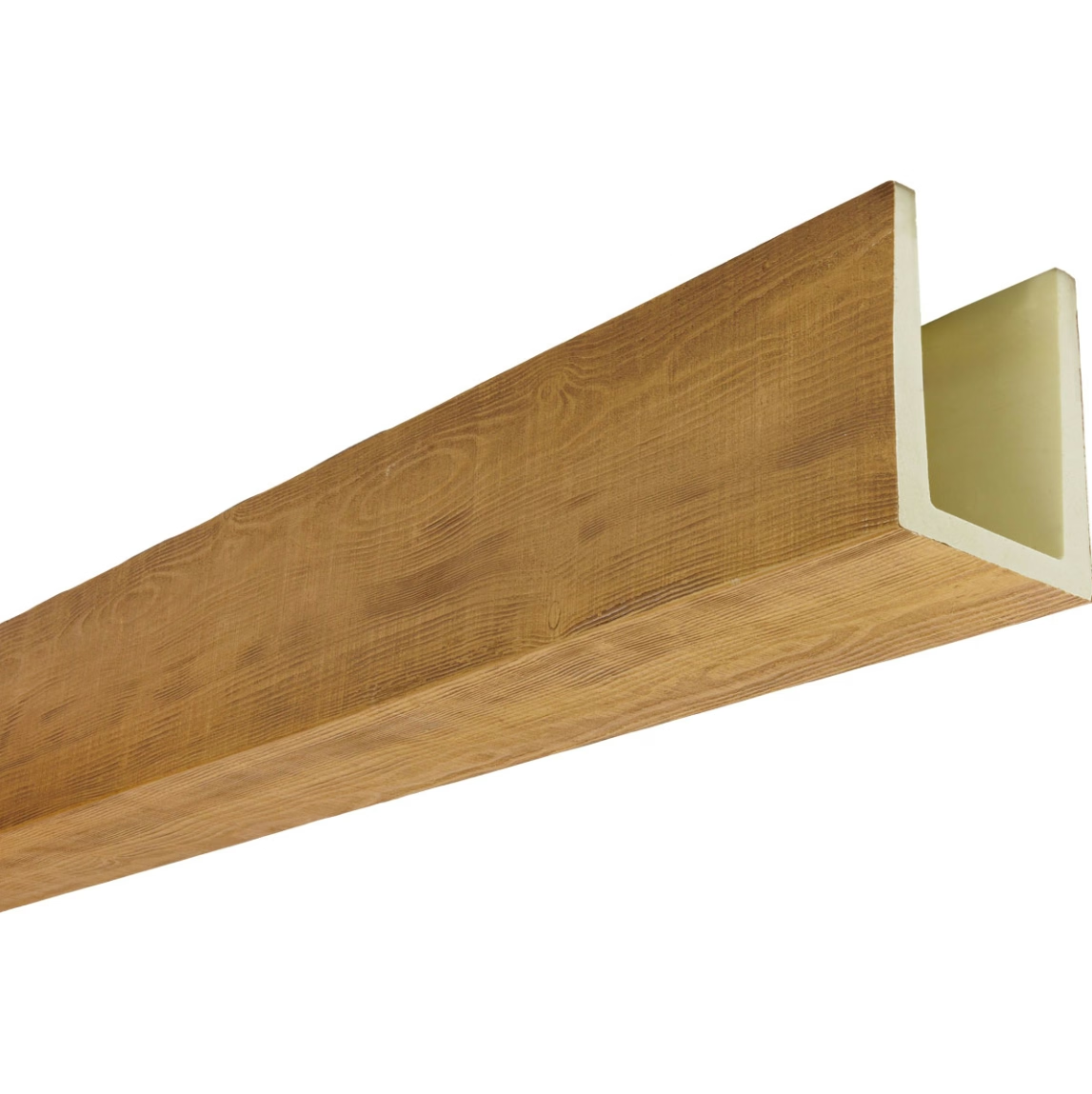
Texture specifications describe the wood species replication and surface treatment. Options range from smooth machine-finished surfaces to heavily distressed treatments with saw marks, nail holes, and weathering effects. The specification should reference manufacturer texture designations or describe the desired appearance in terms of relief depth, pattern frequency, and overall character. Standard tolerance for texture depth typically allows ±15% variation from the reference sample.
Dimensional tolerances for cross-section and length ensure that beams arrive fitting the design intent. Standard tolerances of ±1.5mm on major dimensions and ±3mm on length accommodate manufacturing variation while maintaining installation predictability. Tighter tolerances may be specified for premium applications but typically incur additional cost and longer lead times.
Installation Requirements and Substrate Preparation
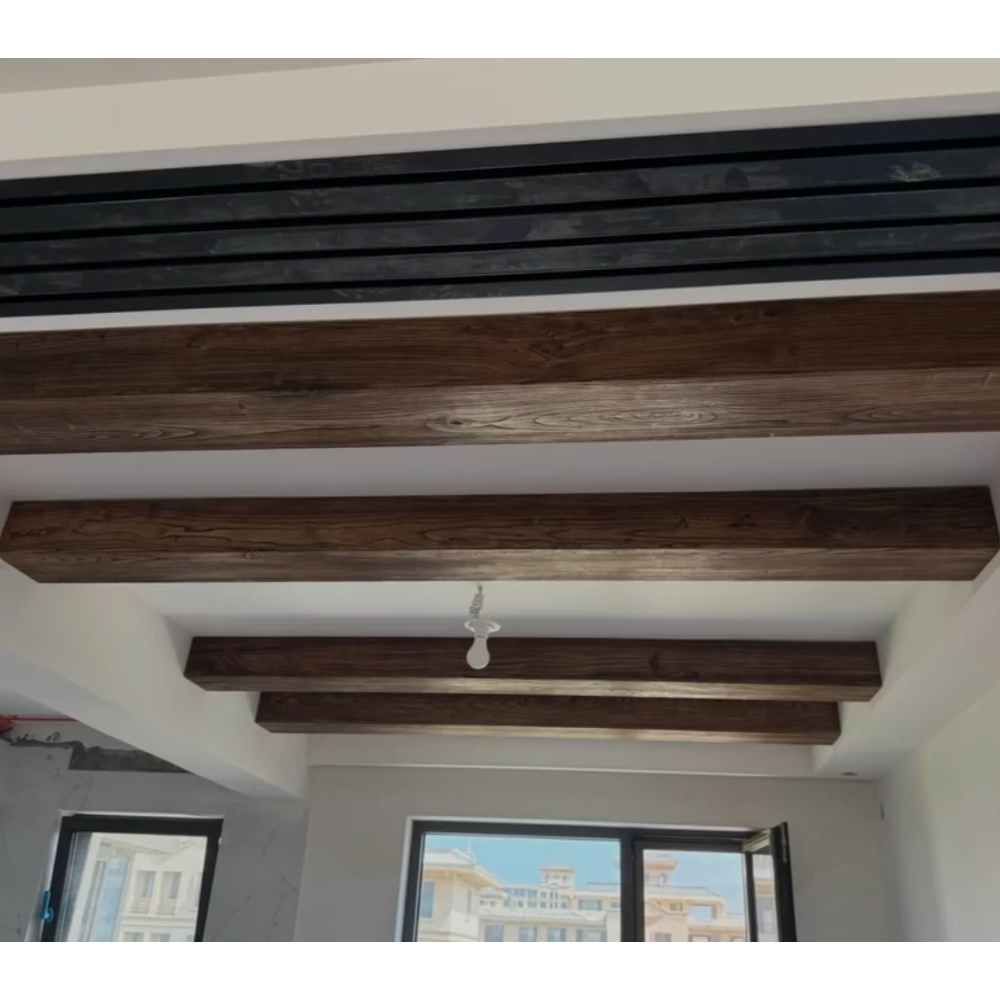
The specification must define installation methodology to ensure proper performance. The specification should reference manufacturer installation guidelines as a baseline, supplemented by project-specific requirements for unusual conditions. Seismic areas, high-wind regions, or extreme temperature environments may require additional fastening specifications beyond standard recommendations.
The specification must define substrate requirements clearly, stating what blocking, backing, or structural elements must be in place before beam delivery. Wood blocking specifications should reference appropriate wood species, minimum dimensions, and fastener schedules. Steel substrate specifications should address weldability, coating requirements, and connection methods compatible with the beam mounting system.
Joint treatment specifications describe how beam ends will meet at corners, along continuous runs, or at penetrations. The specification should indicate whether joints should be mitered, butt-cut, or use manufactured connector pieces. Caulking or sealant specifications for joint areas must be compatible with both the beam material and any applied finishes.
Quality Assurance and Acceptance Criteria
The specification concludes with inspection and acceptance criteria that define how installed work will be evaluated. Visual inspection requirements should be written objectively, referencing the approved sample or mockup as the standard. Lighting conditions for inspection, typically including both natural daylight and artificial lighting, affect perceived appearance and should be specified accordingly.
Performance testing requirements might include random sampling for density verification, pull-out testing for fastener strength, or other measures appropriate to the project scope. The specification should identify who performs testing, what happens when tests fail, and how disputes are resolved. These provisions prevent arguments during project closeout when aesthetic or performance issues arise.
A well-written technical specification for polyurethane faux wood beams serves as a contract document that guides material selection, installation, and acceptance. By establishing clear requirements upfront, the specification writer protects the owner's interests while providing contractors with unambiguous guidance that prevents callbacks and disputes.
Technical References
ASTM standards cited in every specification
Test Data
Lab results from internal testing program
Updated 2026
Reviewed against current product specs