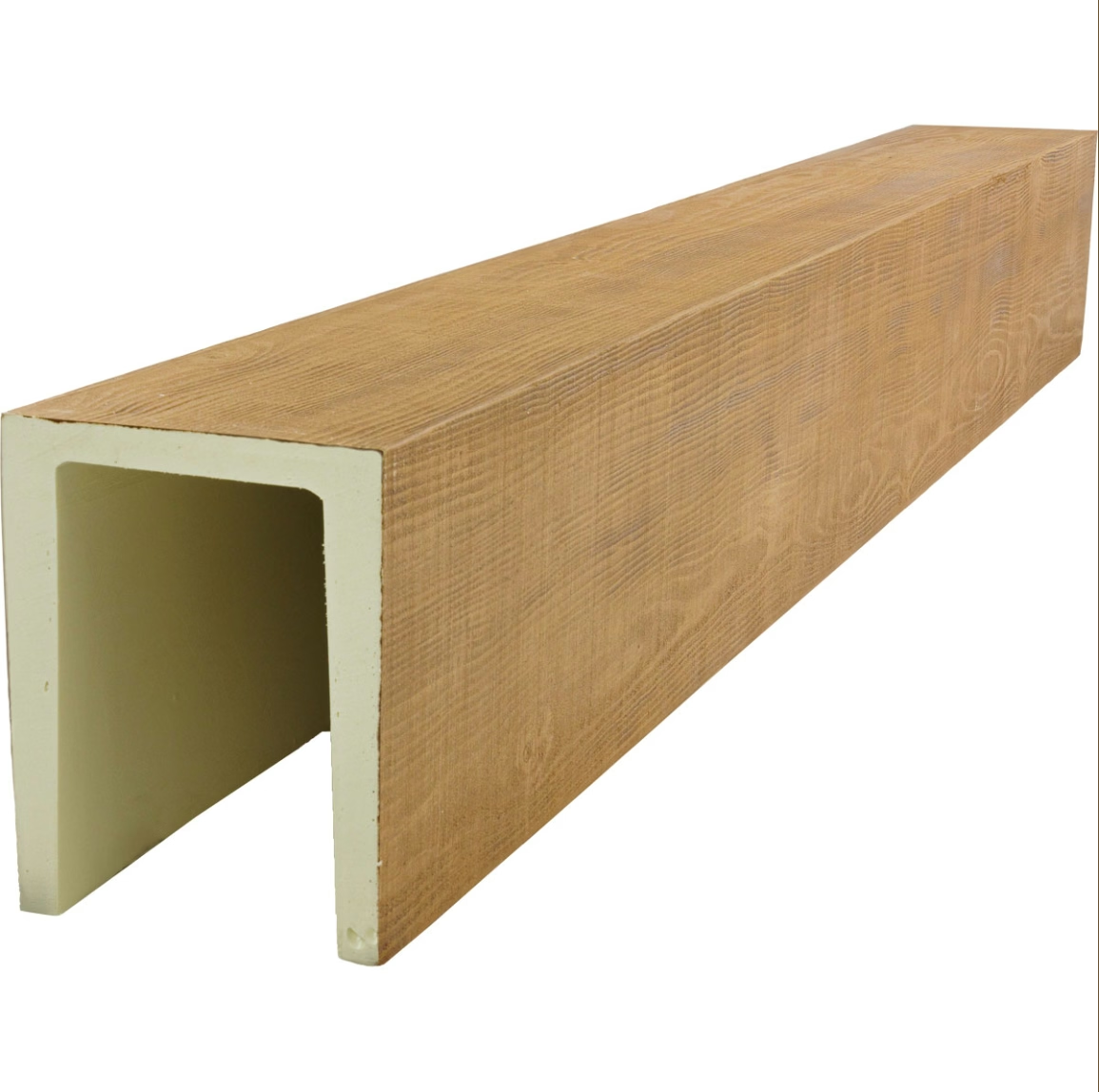
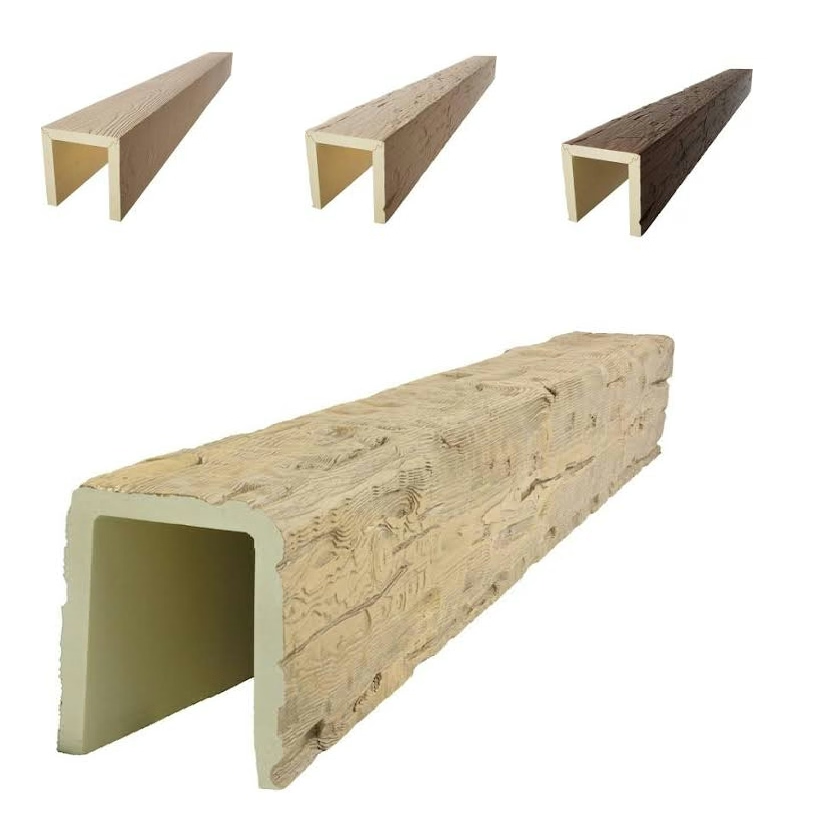
The faux wood beam market includes materials ranging from premium high-density polyurethane to budget-oriented polystyrene options. While these products may appear similar at first glance, significant performance differences affect long-term satisfaction and total project cost. Understanding these differences enables informed material selection that aligns with project requirements and budget constraints.
The fundamental distinction lies in manufacturing processes and resulting material properties. High-density polyurethane beams are molded or extruded as solid pieces with consistent density throughout. Polystyrene beams typically consist of expanded beads bonded together, creating a foam structure with different physical characteristics. These different structures manifest in performance variations that matter for various applications.

Physical Properties and Durability
Density directly correlates with impact resistance and surface durability. High-density polyurethane, typically 240 to 320 kg/m³, withstands normal handling, accidental impacts, and the rigors of installation without damage. Polystyrene beams, often 30 to 60 kg/m³, dent and crumble more easily when struck. This difference matters significantly in commercial applications where installations may be accessed for maintenance or where accidental impacts cannot be completely prevented.
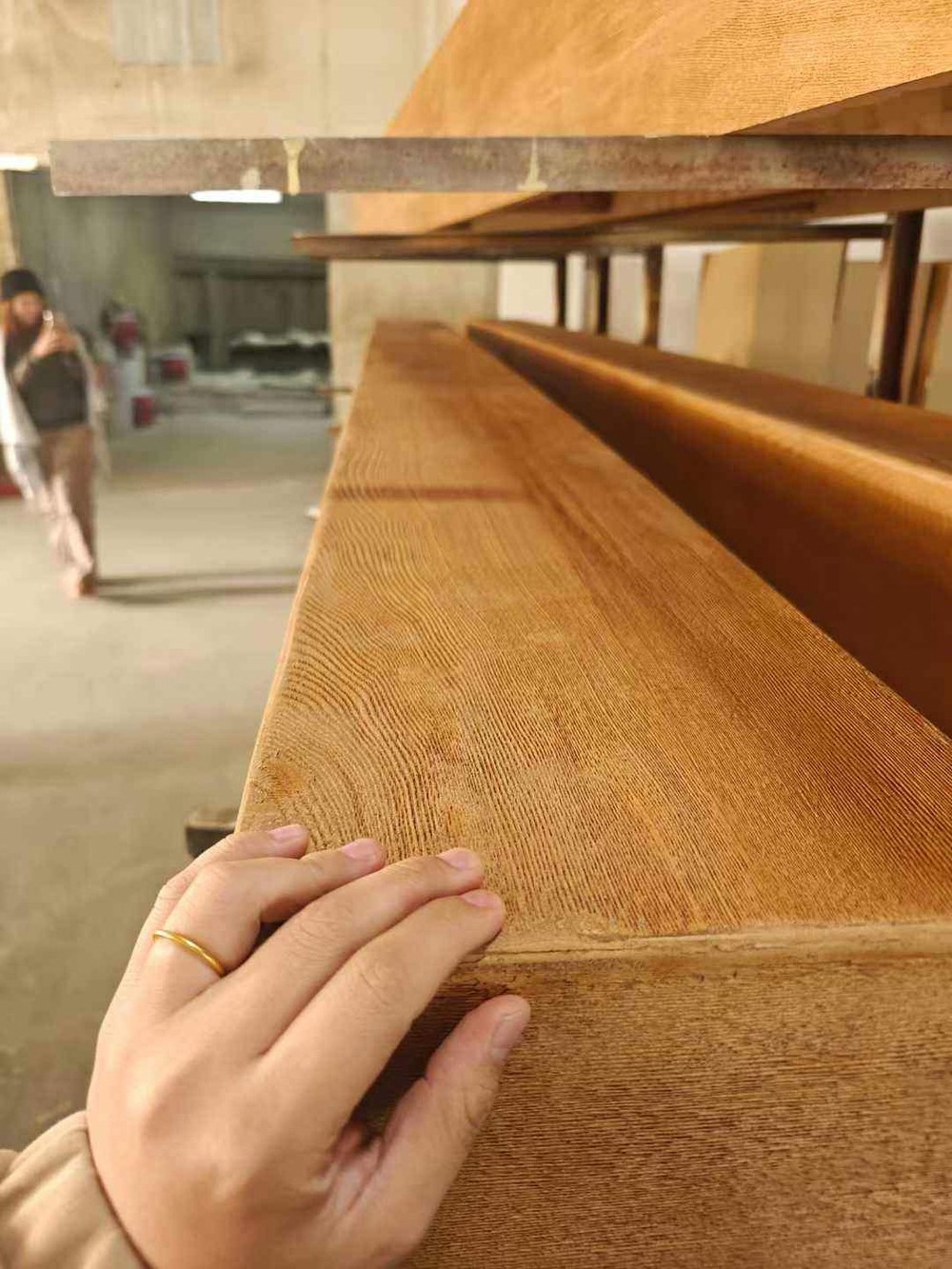
Surface integrity affects both appearance and longevity. The smooth, consistent surface of molded polyurethane accepts paint and finishes evenly and resists the surface irregularities that can develop over time. Polystyrene's bead structure may show through thin finishes or may develop gaps between beads that collect dirt and resist cleaning. These surface differences become more pronounced as installations age.
Thermal stability differs between materials. Polyurethane maintains its dimensions across temperature ranges encountered in typical building environments. Polystyrene can soften at elevated temperatures and may exhibit dimensional changes that affect joint integrity. This thermal sensitivity limits polystyrene beam applications in areas with significant heat exposure.
Installation Characteristics

Fastening approaches differ based on material strength. High-density polyurethane accepts screws securely without special provisions, allowing standard mounting hardware to function reliably. The material holds fasteners tight over time, maintaining clamping force even with seasonal building movement. Polystyrene requires specialized mounting approaches, as standard screws may strip out or pull through the soft material. This often means concealed mounting systems that add complexity and cost.
Cutting behavior differs noticeably during field modification. Polyurethane cuts cleanly with standard saw blades, producing smooth surfaces that accept finishing. Polystyrene tends to crumble along cut lines, leaving rough edges that require additional finishing work. This cutting difference matters for on-site adjustments that are often necessary in real-world installations.
Weight affects handling and mounting requirements. While both materials are lightweight compared to natural wood, polystyrene is significantly lighter. This weight difference offers some handling advantages but also means polystyrene beams may require more substantial mounting systems to resist movement from air currents or building sway.
Long-Term Performance Considerations
Moisture resistance distinguishes these materials significantly. Polyurethane's closed-cell structure resists water absorption completely, preventing the swelling, rotting, and finish failure that affects water-susceptible materials. Polystyrene can absorb water through gaps between beads or at damaged areas, leading to deterioration over time. This moisture sensitivity makes polystyrene less suitable for humid environments or areas with potential water exposure.
UV stability affects exterior applications and sun-exposed interiors. Standard polystyrene degrades rapidly when exposed to sunlight, becoming brittle and chalky within months of exposure. UV-stabilized formulations extend service life but still typically fall short of polyurethane's resistance. Polyurethane with UV inhibitors maintains appearance for years in sun-exposed applications, though no material is completely immune to eventual UV effects.
Repairability differs between materials. Damage to polyurethane beams can often be repaired with standard wood filler and paint, matching the original finish closely. Polystyrene damage may expose the foam core, creating visible differences that are difficult to repair invisibly. This repair consideration affects maintenance costs and long-term appearance maintenance.
Cost Analysis and Value Considerations
Initial cost differences between materials can be substantial. Polystyrene beams often cost significantly less per linear foot than comparable polyurethane products. This cost advantage can be attractive for budget-sensitive projects, particularly when appearance is the primary consideration and durability concerns are secondary.
However, total installed cost analysis often favors polyurethane. The durability advantages translate to reduced damage during installation and maintenance. The straightforward mounting reduces installation labor. The longevity advantages reduce replacement frequency and maintenance costs. These factors compound over the service life to often make polyurethane the more economical choice despite higher initial costs.
For short-term applications or temporary installations, polystyrene's lower cost may provide genuine value. Events, trade shows, and temporary displays may not justify premium materials when the installation will be short-lived. Understanding the intended service life helps select appropriate materials for each application.
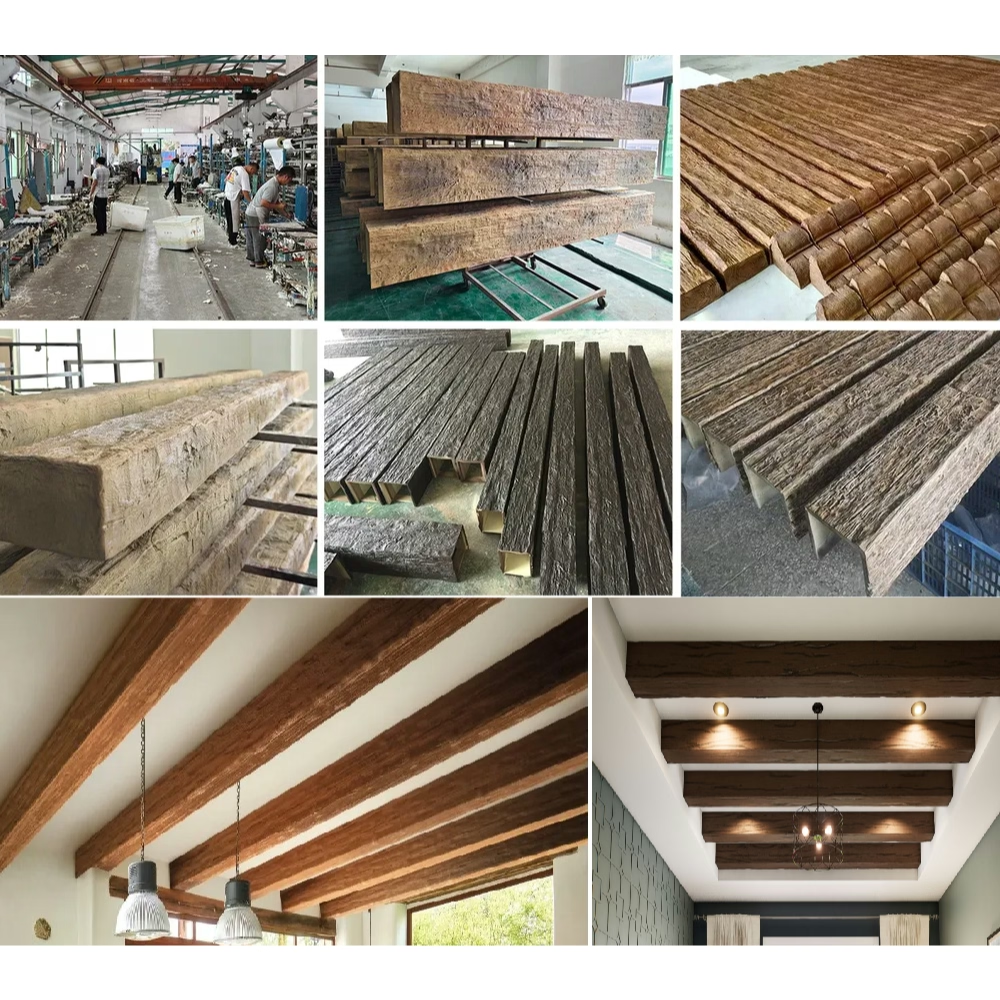
Application Recommendations
Residential applications in climate-controlled interiors suit both materials when properly selected. For primary living spaces where long-term satisfaction matters, high-density polyurethane typically provides better value. For less critical spaces like storage areas or garages where appearance matters less, polystyrene may provide acceptable results at lower cost.
Commercial applications generally favor polyurethane due to the higher traffic, greater maintenance access needs, and longer expected service life. Restaurants, retail spaces, hospitality venues, and office buildings benefit from polyurethane's durability and easier maintenance. The higher initial investment pays back through reduced callbacks and replacements.
Exterior applications should always use high-density polyurethane with UV stabilizers. Polystyrene's UV sensitivity makes it unsuitable for exterior use regardless of cost considerations. The exposure conditions accelerate degradation that would require frequent replacement if polystyrene were used.
High-humidity environments also favor polyurethane. Pool areas, spas, bathrooms, and exterior structures under overhangs all experience moisture exposure that threatens polystyrene integrity. Polyurethane's moisture resistance provides reliable performance in these challenging conditions.
Technical References
ASTM standards cited in every specification
Test Data
Lab results from internal testing program
Updated 2026
Reviewed against current product specs