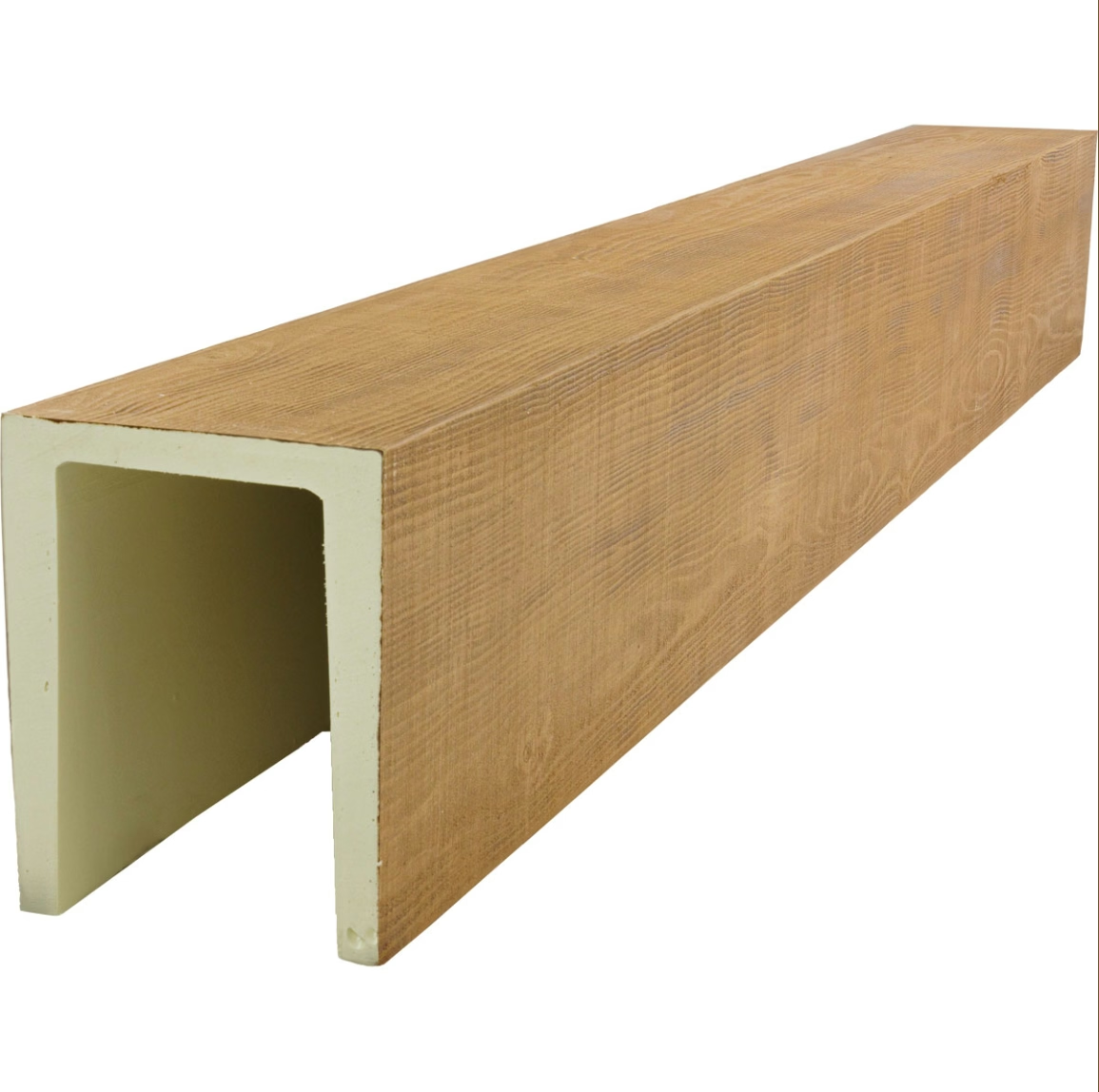
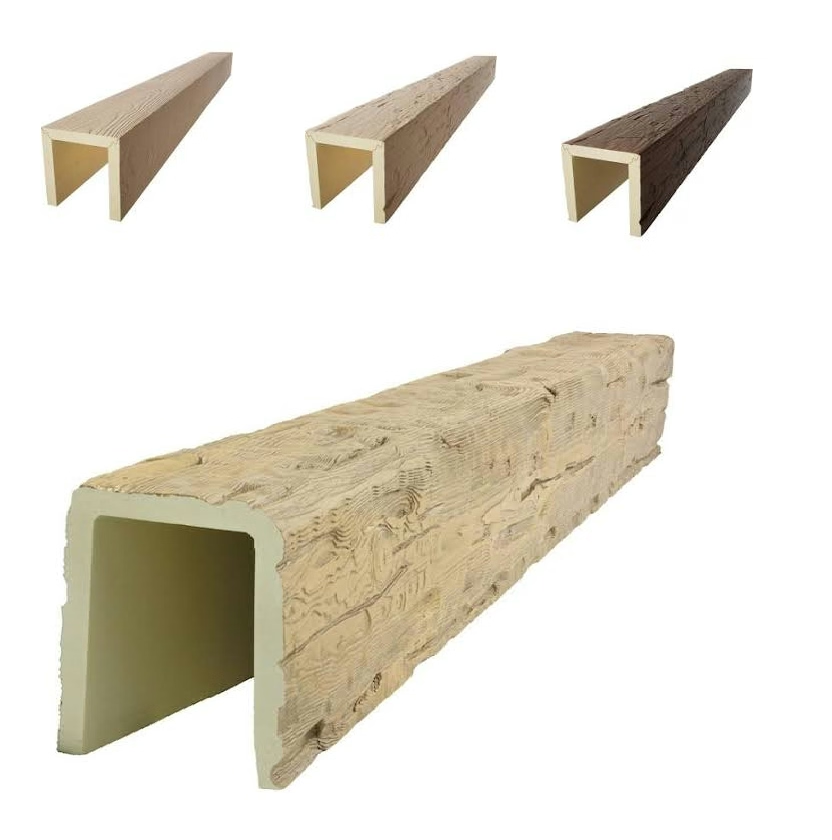
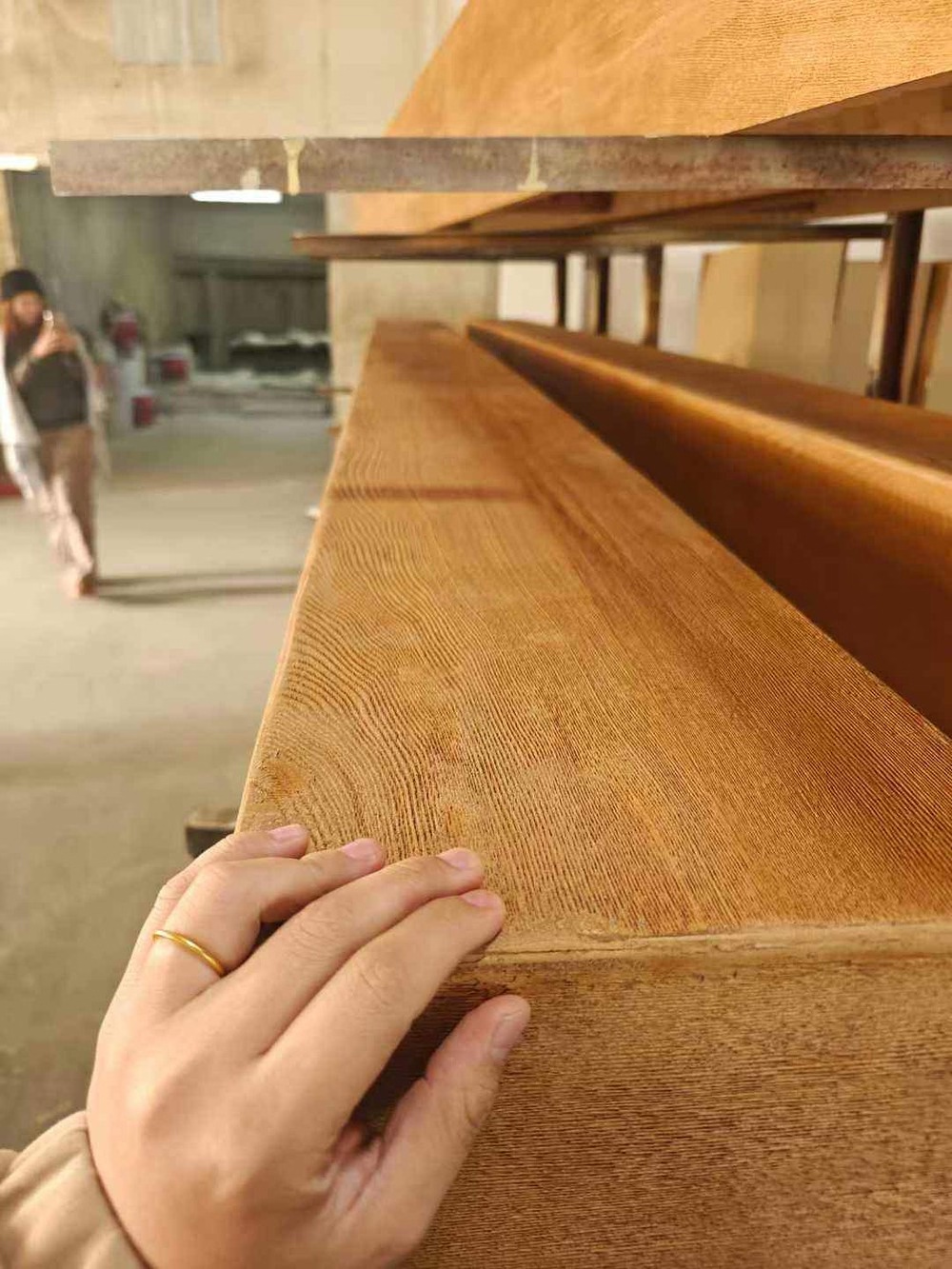
Semi-exterior and covered exterior applications place unique demands on beam covering systems. Unlike fully interior environments, these spaces experience temperature variations, humidity fluctuations, and occasional moisture exposure that challenge many finishing materials. External polyurethane faux wood covers address these conditions while delivering the warm, natural aesthetics that designers and property owners prefer.
The distinction between interior and external applications influences material selection significantly. Standard interior beam covers may perform adequately in climate-controlled environments but fail rapidly when exposed to the more challenging conditions found in covered patios, breezeways, or semi-enclosed pool areas. Specifying appropriate products for specific conditions prevents premature failures and associated replacement costs.
Weather Resistance Properties
Polyurethane formulations suitable for external applications incorporate additives that enhance UV resistance, moisture tolerance, and temperature stability. These modified formulations resist the degradation mechanisms that limit standard polyurethane performance in challenging environments. Understanding these formulation differences helps specifiers select appropriate products for each application.
UV radiation causes color fading and surface degradation in many materials exposed to sunlight. External beam covers receive sustained UV exposure in many semi-exterior applications, making UV resistance essential for maintaining appearance over time. Quality external covers incorporate UV inhibitors that significantly slow degradation processes.
Moisture exposure represents another critical factor in external applications. While polyurethane resists water absorption better than natural wood, standing water or sustained humidity can cause problems in lower-quality products. Proper installation techniques that prevent water accumulation and ensure adequate ventilation extend service life in moisture-prone applications.
Installation in Semi-Exterior Environments
Semi-exterior installation presents challenges not encountered in fully interior applications. Temperature variations during installation affect adhesive curing and material handling. Wind complicates working with large cover sections. Lighting conditions may differ from finished environment appearance, affecting color matching and finish decisions.
Substrate conditions in semi-exterior applications often differ from interior ceiling conditions. Exposed structural elements may feature different materials and fastening requirements than interior framing. Concrete, masonry, and metal substrates common in carports, covered walkways, and similar structures demand specialized fastening approaches.
Ventilation considerations influence both installation methods and long-term performance. Adequate air circulation prevents moisture accumulation that could compromise adhesion or encourage biological growth. Installation details should facilitate airflow while maintaining clean appearance requirements.

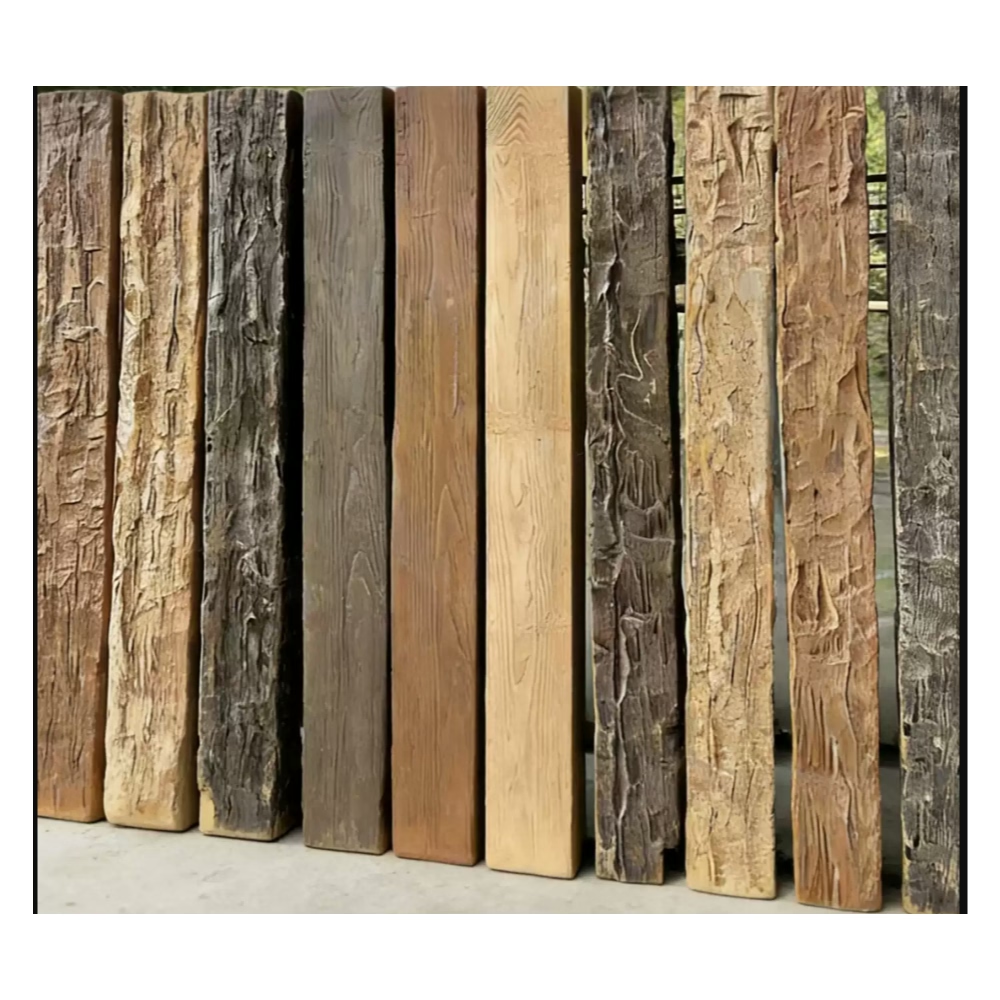
Design Integration for Outdoor-Accessible Spaces
Semi-exterior spaces often connect interior and exterior environments, requiring design approaches that bridge these contexts. Beam covers in these transitional spaces should complement both indoor and outdoor design elements while maintaining functional performance in variable conditions.
Material coordination extends beyond beams themselves to adjacent surfaces and furnishings. Outdoor-rated materials throughout the space create cohesive environments where beam covers feel natural rather than incongruous. This coordination requires attention during material selection and specification phases.
Scale considerations become more prominent in larger semi-exterior spaces. The generous proportions typical of covered patios, porte-cocheres, and similar structures demand correspondingly substantial beam cover dimensions. Undersized covers appear trivial against large structural elements, undermining design intentions.
Performance Comparison with Alternatives
Natural wood covers represent the traditional alternative to polyurethane solutions but present significant maintenance requirements in external applications. Untreated wood decays rapidly when exposed to moisture, while treated wood requires ongoing maintenance to preserve appearance and structural integrity. The labor and material costs for this ongoing care accumulate substantially over service life.
Composite wood materials offer improved moisture resistance but often lack the authentic wood appearance that polyurethane products achieve. The surface textures and color variations that create convincing wood simulation prove difficult to replicate in wood-plastic composite formulations. Visual quality becomes particularly important in design-focused applications.
Metal beam covers provide excellent durability but sacrifice the warm, organic character that wood-like appearances offer. Exposed beam applications in industrial or contemporary contexts might suit metal alternatives, but traditional and transitional designs typically require wood-influenced aesthetics that metal cannot provide.
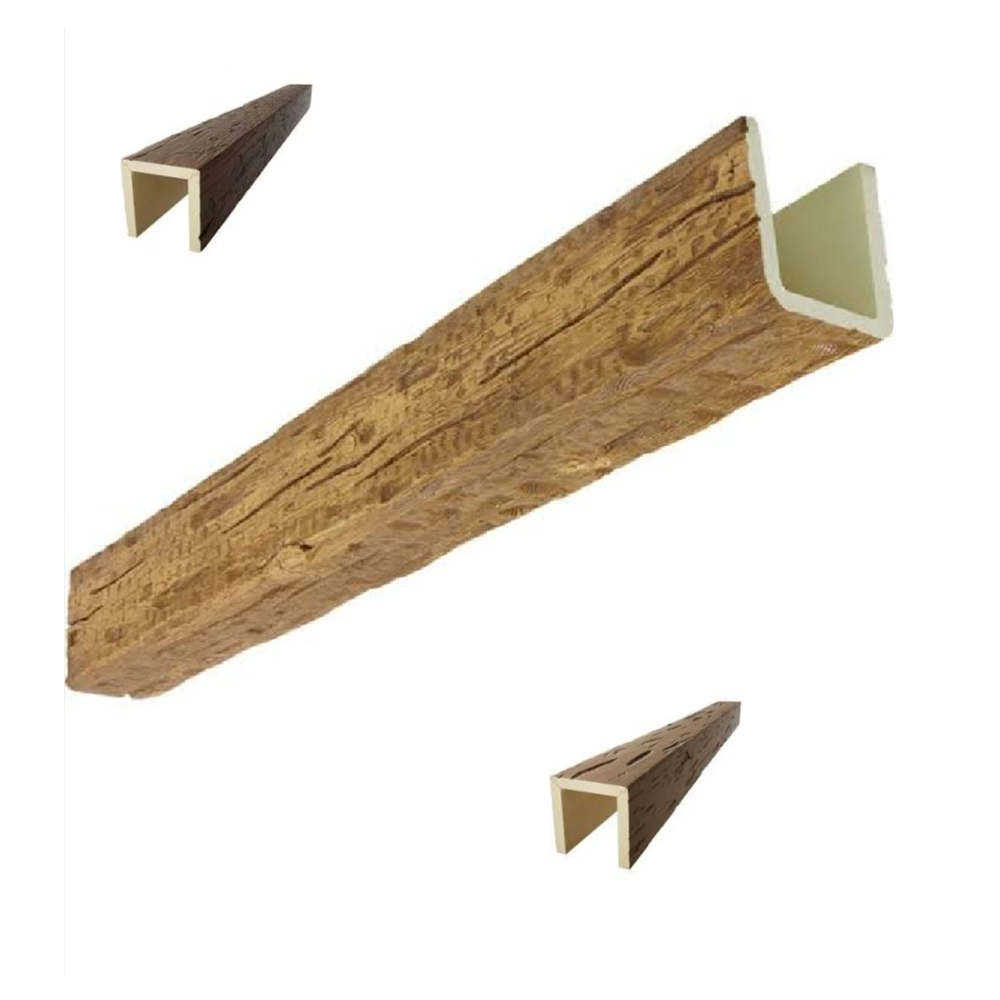
Maintenance Requirements for External Applications
External beam covers require more attention than interior installations due to challenging environmental conditions. Regular cleaning removes accumulated dirt, pollen, and environmental deposits that accumulate on horizontal and sloping surfaces. Pressure washing may be appropriate for heavily soiled installations, though care must be taken to avoid damage from excessive pressure.
Periodic inspection identifies any damage or deterioration requiring attention. UV degradation typically manifests as surface chalking or color changes that cleaning cannot address. These conditions may respond to refinishing or signal the need for replacement depending on severity and aesthetic impact.
Fastener inspection proves particularly important in external applications where thermal movement and moisture exposure stress connections. Loose fasteners should be tightened promptly, with consideration given to whether underlying conditions caused the loosening. Adhesive failure may require complete reinstallation of affected sections.
Long-Term Durability Expectations
Quality external polyurethane beam covers typically provide fifteen to twenty years of service in challenging semi-exterior applications. This service life substantially exceeds natural wood alternatives while requiring far less maintenance investment. The initial premium for quality products proves economical over typical ownership periods.
Climate conditions significantly influence service life expectations. Harsh winter conditions with freeze-thaw cycles, high-humidity tropical climates, and intense sun exposure each accelerate degradation processes. Products should be selected with climate-specific performance characteristics matching application requirements.
Installation quality affects long-term performance substantially. Proper fastening, adequate ventilation, and appropriate joint treatment prevent failure modes that might otherwise compromise systems long before expected service life ends. Professional installation represents a worthwhile investment for applications where replacement would prove costly or disruptive.
Specification Guidance for Professionals
Architects and designers specifying external beam covers should verify manufacturer claims regarding weather resistance. Technical data sheets should confirm UV resistance ratings, temperature range specifications, and moisture tolerance characteristics. Claims without supporting documentation warrant skepticism during product evaluation.
Code compliance verification ensures installed products meet applicable requirements. Fire ratings may be mandatory in certain commercial applications. Structural ratings may apply where beam covers contribute to fire separation or other building code requirements. Documentation review during specification prevents compliance problems during inspections.
Sample evaluation under actual or simulated service conditions provides confidence in product selection. Requesting samples for extended evaluation exposes performance characteristics not apparent from documentation or brief inspection. This due diligence helps prevent specification errors that would prove costly to correct after installation.
Technical References
ASTM standards cited in every specification
Test Data
Lab results from internal testing program
Updated 2026
Reviewed against current product specs