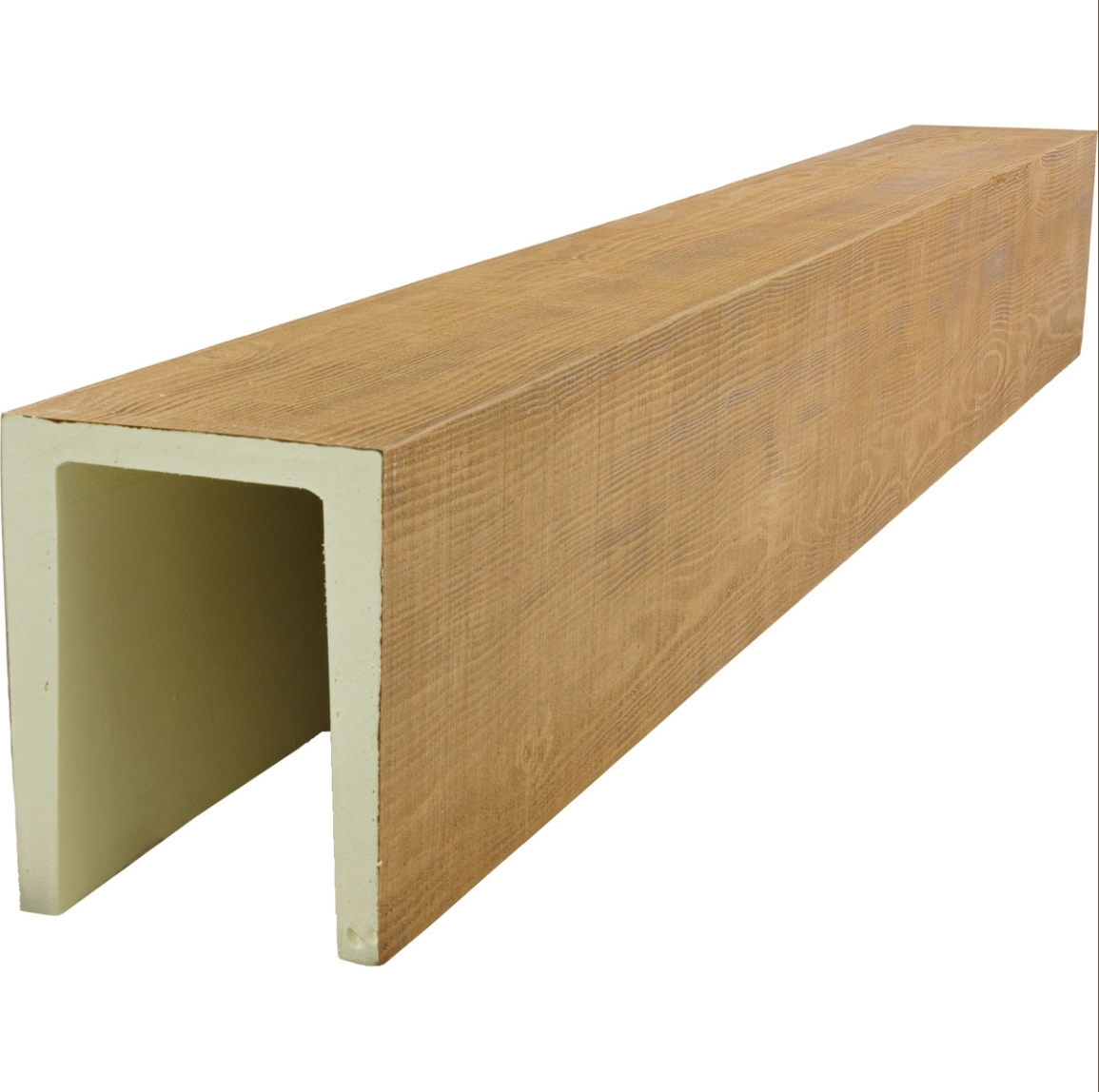
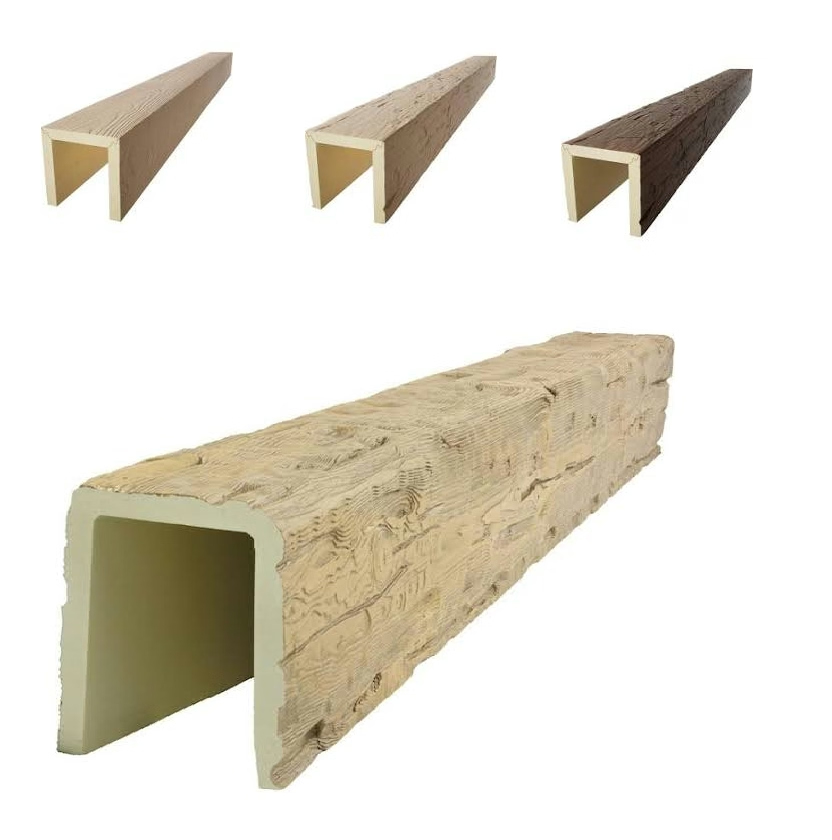
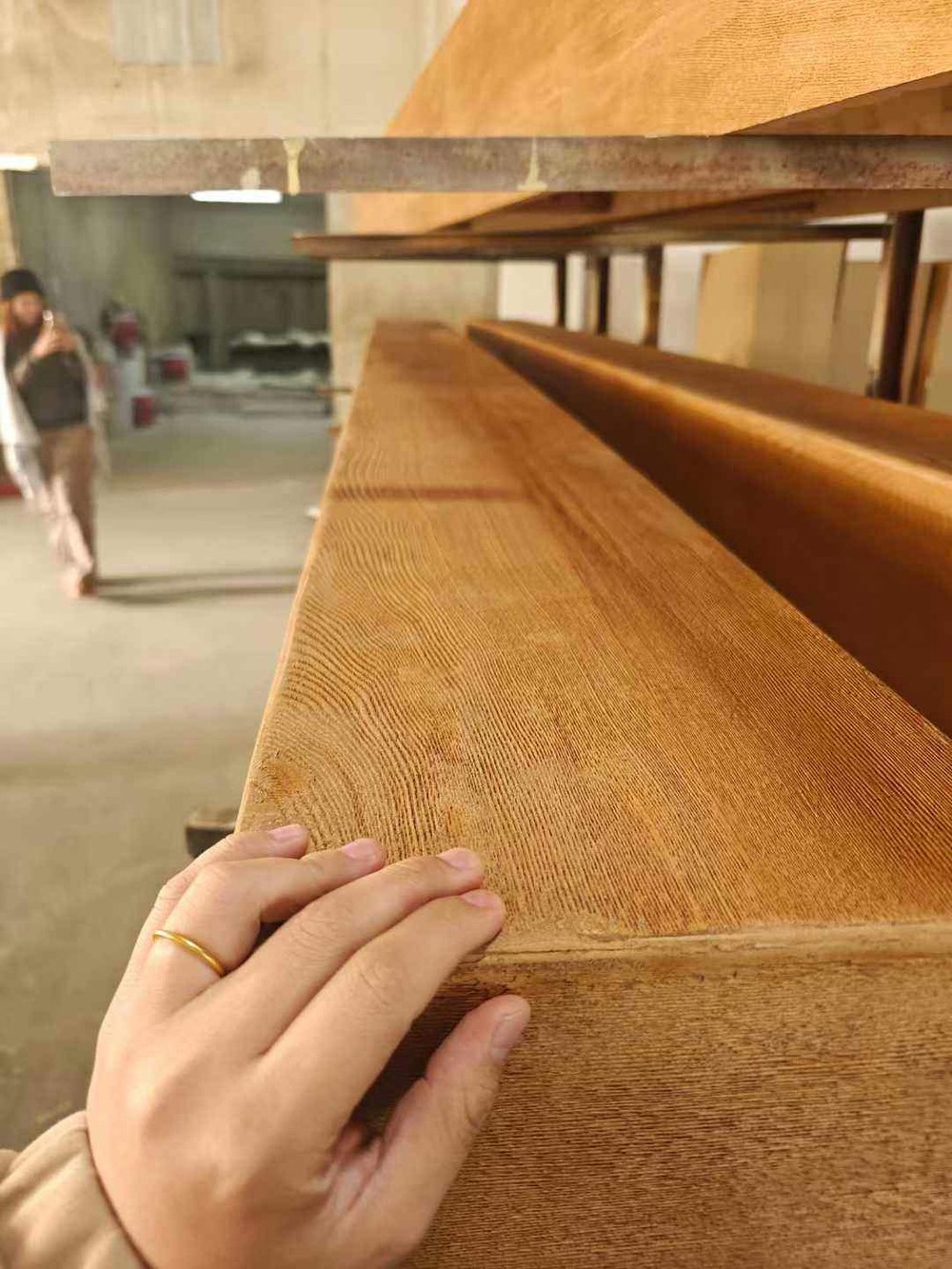
Shipping polyurethane faux wood beams across international boundaries presents packaging challenges that differ significantly from domestic transportation. Extended transit times, multiple handling transfers, and varied environmental conditions all threaten beam integrity during overseas shipment. Our foam packing systems have been engineered specifically for faux beam products, providing protection calibrated to the unique vulnerabilities these materials present during long-distance freight transportation.
The typical international shipment journey involves ocean freight container loading, vessel transit, port handling, customs inspection, and final delivery to the project site. Each stage presents potential hazards: container loading employs heavy equipment that can drop or crush packages; vessel motion creates shifting loads that generate internal forces; port operations subject packages to additional handling; customs inspections may require package opening and reclosing. Effective foam packing addresses all these hazards through comprehensive protection strategies.
Foam Technology for Beam Protection
Polyurethane foam serves as the primary cushioning material in our packing systems, selected for its energy-absorption characteristics and consistency of performance. Closed-cell polyethylene foam provides impact resistance and moisture barrier properties, while cross-linked polyethylene offers enhanced cushioning for fragile finish surfaces. Different beam types and finish treatments receive appropriately matched foam specifications.
Foam density selection balances protection effectiveness against material costs and weight considerations. Higher density foam provides superior impact protection but adds weight that increases shipping costs. Our engineering team has developed density specifications optimized for typical beam profiles and finish sensitivities, with heavier cushioning reserved for beams with premium or fragile surface treatments. Custom packing specifications are available for projects with unusual requirements.
Custom-cut foam inserts position beams precisely within shipping containers, preventing movement that could cause damage during transit. The inserts cradle beam surfaces, distributing forces across broad contact areas rather than concentrating stress at specific points. This cradling approach proves particularly effective for beams with complex profiles, where foam can be shaped to match every contour of the beam surface.
Container Loading and Securement
Container loading procedures significantly impact the effectiveness of foam packing systems. Our warehouse team follows detailed loading sequences that position beams to minimize exposure to the harshest transit conditions. Heaviest packages load first, with subsequent layers providing additional protection for packages positioned above. This layering approach uses the structural strength of lower packages to shield upper loads.
Interior blocking and bracing prevent beam packages from shifting during transit. Steel straps, wooden dunnage, and foam blocks work together to create a stable load configuration that resists the forces generated by vessel motion. Container walls receive protective padding that prevents beam ends from contacting metal surfaces during loading operations or transit movement. Every precaution reduces the probability of damage occurring despite the foam cushioning provided.
Humidity control within shipping containers addresses the moisture exposure that occurs during ocean transit. Desiccant packets placed throughout the load absorb moisture that might otherwise condense on beam surfaces during temperature fluctuations. VCI (vapor corrosion inhibitor) treated paper provides additional protection for any metal attachment hardware included with the shipment. These measures ensure that beams arrive in the same condition they left our facility.
Documentation accompanies each shipment, including packing lists, handling instructions, and inspection records. The documentation enables receiving parties to verify shipment contents and identify any concerns requiring attention before accepting delivery. Digital photographs of packages before container loading provide visual reference that can assist in damage assessment if issues are discovered upon delivery.

Quality Verification and Damage Prevention
Pre-shipment inspection verifies that each beam meets quality standards before packing begins. Our inspection process checks dimensional accuracy, surface finish quality, and structural integrity, rejecting any items that fall below acceptable standards. Only beams passing inspection enter the packing process, ensuring that transit protection is applied to products worthy of the protection they receive.
Packing operations follow standardized procedures documented in our quality management system. Each step in the packing sequence is recorded, creating traceability that connects finished packages to the specific beams and packing materials they contain. This traceability proves valuable if questions arise about specific packages or if damage investigation becomes necessary.
Loading supervision ensures that procedures are followed correctly even when warehouse staffing varies. Experienced supervisors oversee container loading, confirming that blocking and bracing meet specifications before containers are sealed. Photographs of loaded containers document the final arrangement, providing reference material if questions arise about loading conditions.
Receiving and Unpacking Guidance
Receiving procedures at destination locations should include inspection of all packages before accepting delivery. Any visible damage should be documented on the delivery receipt, with photographs taken as evidence. Prompt notification of shipping damage enables us to coordinate with freight carriers on claims processing and arrange replacement materials if necessary.
Unpacking should proceed carefully, removing packaging materials in reverse order of application. This approach prevents accidentally damaging beams while accessing interior packages. Cutting straps before removing foam wrapping prevents beams from springing free and potentially suffering impact damage. The gradual revelation of beam contents allows inspection of each piece before it is removed from the shipping container.
Storage of unpacked beams should occur in clean, dry environments protected from direct sunlight and temperature extremes. Beams should be supported on smooth surfaces that won't dent or scratch finish surfaces, with adequate spacing between pieces to allow air circulation. Proper storage preparation ensures that beams are ready for installation when project schedules require them.
Our foam packing systems represent years of refinement based on shipping experience across hundreds of international destinations. Continuous improvement processes incorporate lessons learned from transit damage investigations, updated packaging specifications when new hazard patterns emerge, and technology advances in foam materials and application methods.

Technical References
ASTM standards cited in every specification
Test Data
Lab results from internal testing program
Updated 2026
Reviewed against current product specs