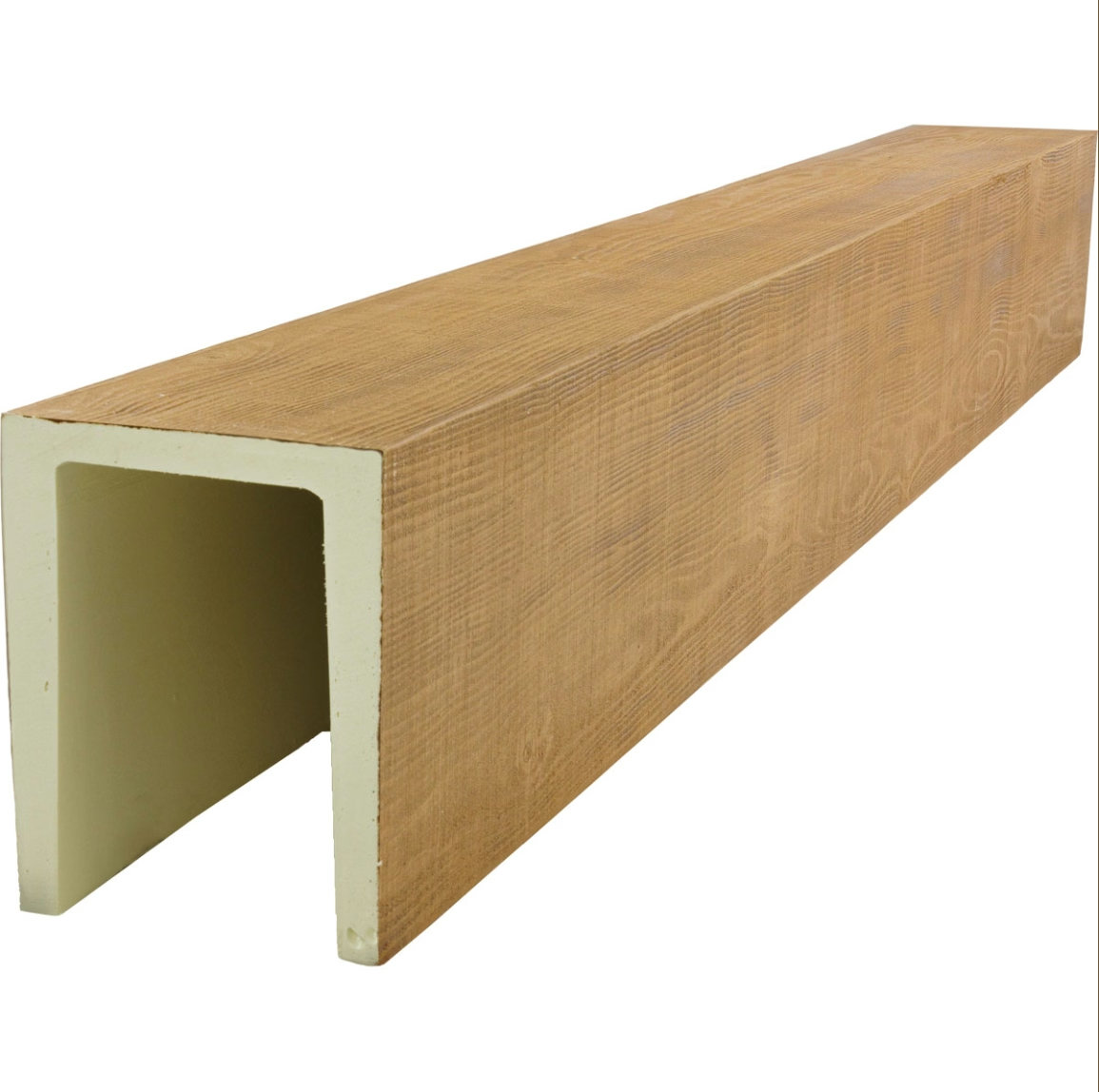
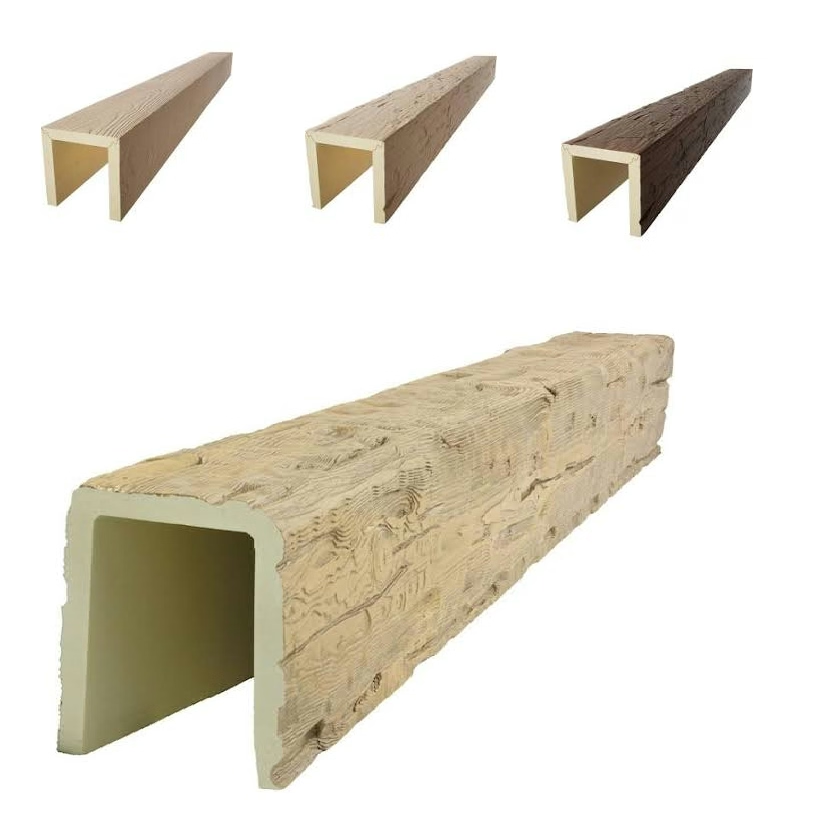
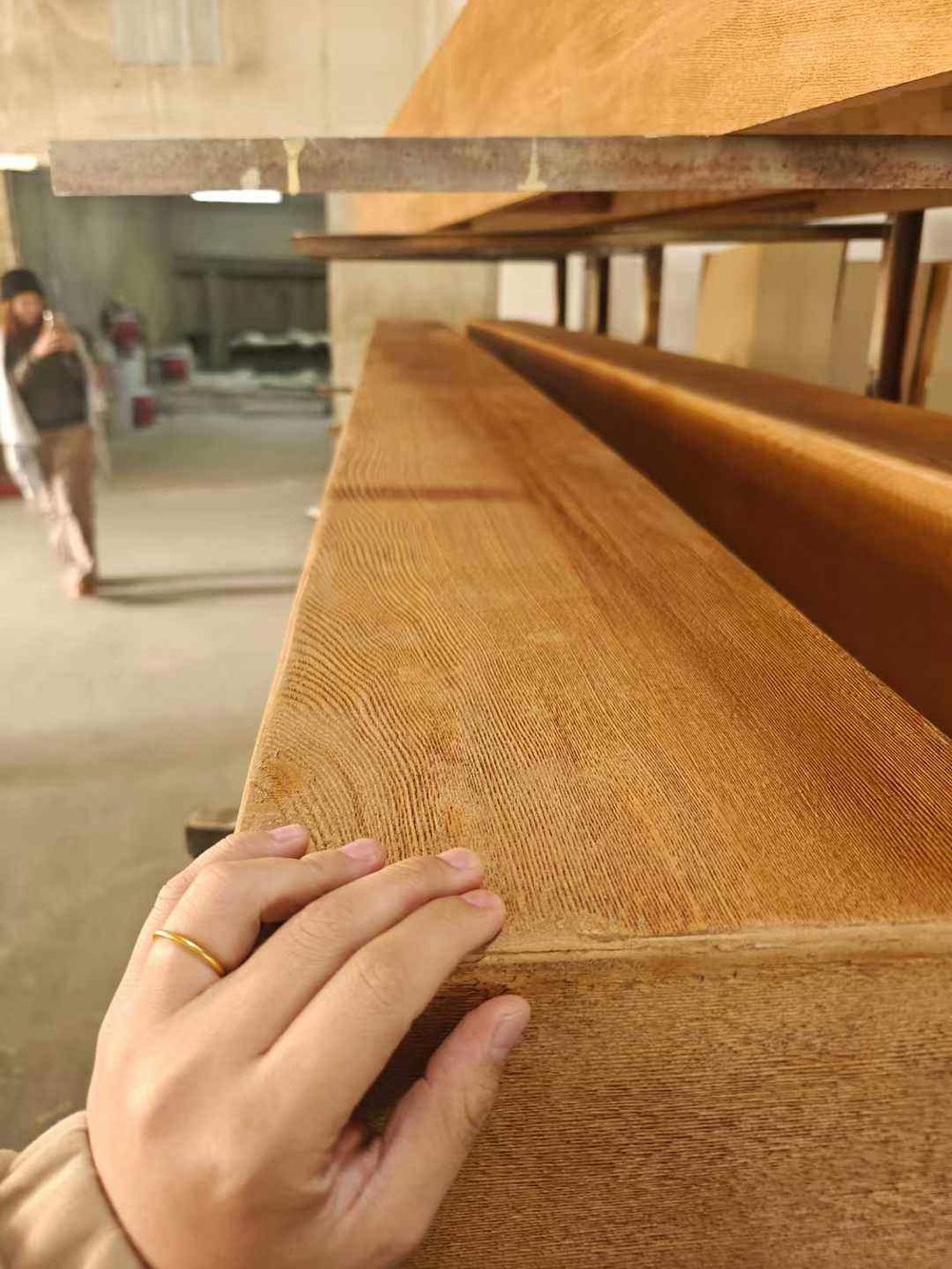
The art of creating convincing wood simulations has advanced dramatically through polyurethane casting technology. Modern manufacturing techniques capture the subtle complexities of natural timber—its grain patterns, color variations, texture nuances, and dimensional irregularities—in products that function superbly while appearing remarkably authentic. Understanding these manufacturing approaches helps specifiers appreciate why quality PU cast molded beams achieve appearances that challenge casual inspection.
The casting process begins with master patterns that capture authentic wood characteristics. These patterns may derive from actual timber samples selected for exceptional beauty, engineered composites combining attractive elements from multiple sources, or digitally designed surfaces that optimize wood aesthetics computationally. The resulting master patterns then generate production molds that replicate these characteristics consistently.
Manufacturing Process Overview
Liquid polyurethane components combine according to precise formulations that determine final product characteristics. These two-part systems react to create solid materials with properties engineered for specific applications. The chemistry controls hardness, flexibility, surface quality, and environmental resistance of finished products.
Mold filling techniques ensure complete replication of pattern details while minimizing defects. Proper filling prevents air entrapment, incomplete replication, and surface imperfections that would compromise appearance. Vacuum-assisted filling and controlled curing cycles address these concerns in quality manufacturing operations.
Post-molding operations finish production parts for installation. These secondary operations may include surface preparation, edge treatment, trimming, and finishing applications. The extent of post-molding work depends on product type and quality level, with premium products receiving more extensive attention.
Surface Detail Capture
Wood grain reproduction requires careful attention to the elongated patterns that characterize natural timber. Casting molds must capture these directional elements while accommodating the natural variations that make wood appearances convincing. Computer-controlled machining of master patterns ensures precision that hand-crafting cannot achieve consistently.
Knot representations present particular challenges due to their irregular shapes and positions. Natural knots vary dramatically in size, color, and surrounding grain disturbance. Production techniques must accommodate this variation while maintaining believable appearances. Premium products may feature individually cast knots positioned during assembly.
Edge and end grain textures differ from face grain, requiring separate attention during pattern development. The exposed cellular structure of end cuts creates visual distinctions that realistic simulations must address. Proper end treatment distinguishes quality products from budget alternatives that ignore these details.
Color Application Techniques
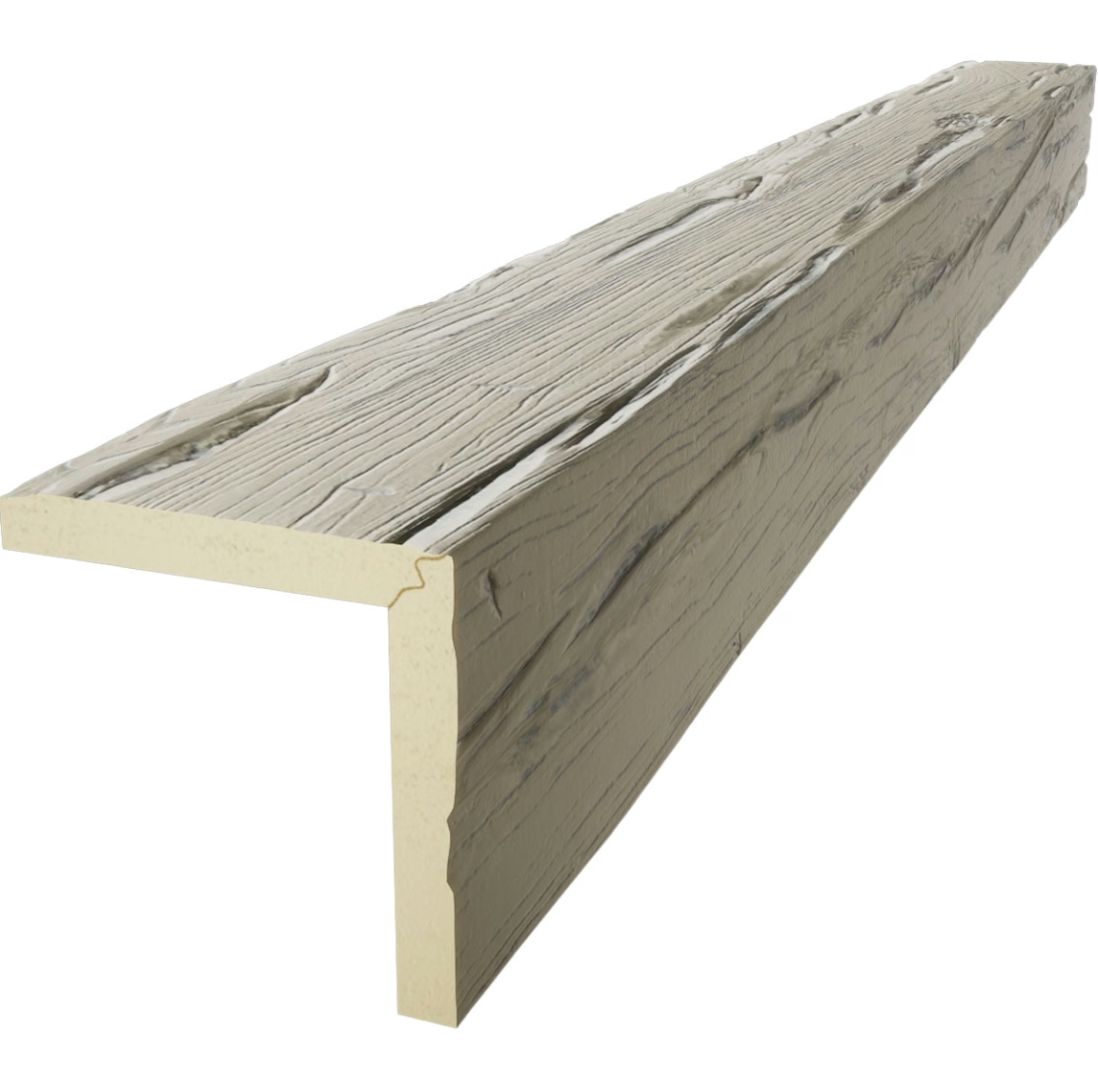
Multi-color application processes create the natural variations that characterize authentic wood. Rather than uniform single-color application, quality finishing involves multiple color layers that combine to produce convincing appearances. The specific techniques depend on product styles and manufacturer capabilities.
Hand-painting operations apply color variations individually, creating unique appearances on each piece. This artisan approach produces the most natural results but limits production efficiency. The labor intensity of hand-painting explains premium pricing for products featuring this technique.
Spray application with masking techniques enables production-scale color variation. Stencils and sequential applications create predictable variations efficiently. This approach sacrifices some natural irregularity for production consistency, suitable for applications where uniform quality matters more than unique character.

Texture Optimization
Surface texture directly affects how light interacts with beam surfaces, creating perceptions of depth and material authenticity. Smooth surfaces reflect light uniformly, creating plastic appearances that betray synthetic origins. Properly textured surfaces scatter light more randomly, producing the visual complexity that wood exhibits.
Relief depth influences both appearance and tactile perception. Deep textures create obvious three-dimensionality that some applications may not desire. Subtle textures that read primarily visually without strong tactile presence often prove more versatile. The selection depends on design intentions and authenticity requirements.
Texture consistency across production runs ensures that additional pieces ordered later match original installations. Quality manufacturers maintain tight process controls that preserve pattern integrity over extended periods. This consistency enables project expansion and repair work without appearance mismatches.
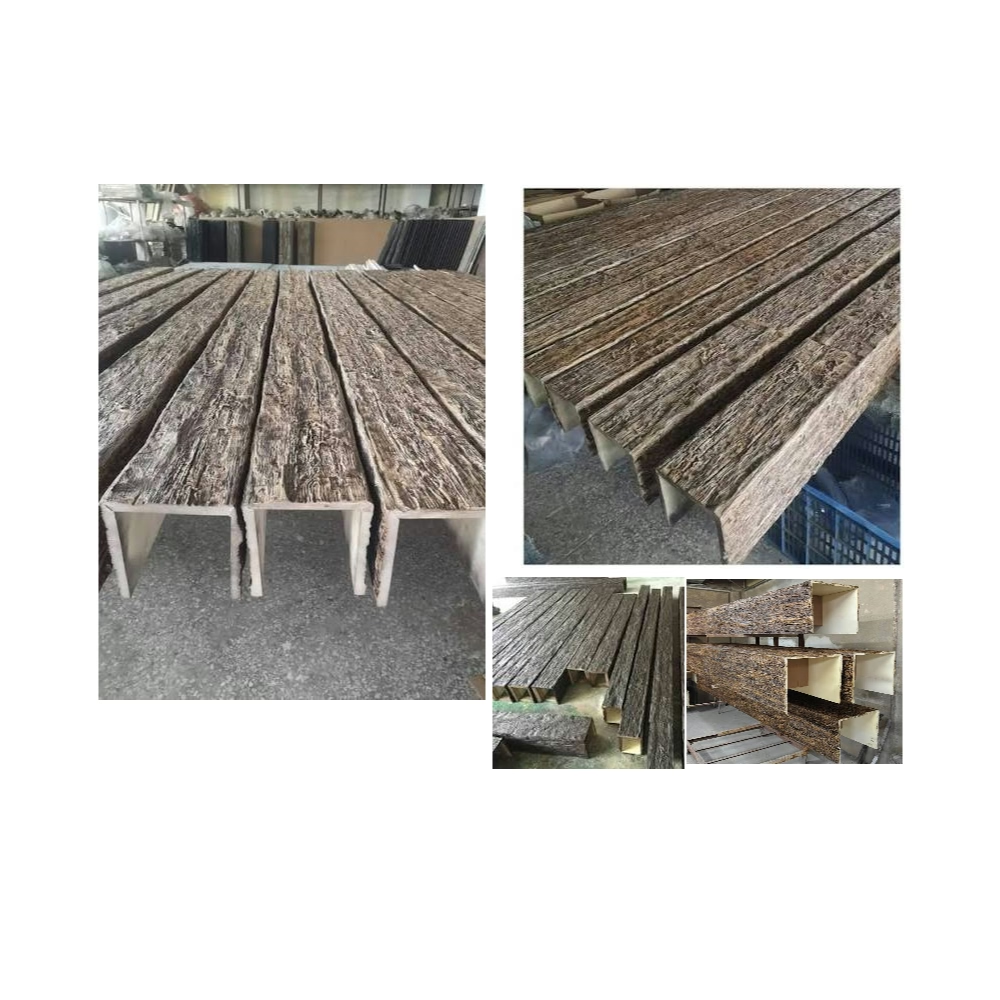
Profile Consistency and Tolerances
Dimensional accuracy enables installation efficiency and quality results. Beams that vary significantly from specified dimensions create fitting problems, joint gaps, and alignment issues. Quality manufacturing maintains tolerances that ensure consistent fit and appearance across beam sets.
Profile reproduction ensures that molded shapes match intended designs throughout production. The specific contours that define beam character must reproduce consistently, whether the profile features simple rectangular forms or elaborate decorative profiles. tooling maintenance and quality control procedures maintain this consistency.
Angular accuracy at joints and intersections affects how seamlessly multiple pieces connect. Miter cuts that do not align properly create visible gaps or misalignments. Quality beams maintain angular accuracy that supports clean, professional joint appearance.
Quality Control Procedures
Visual inspection verifies that surface details, colors, and textures meet quality standards. Human inspectors evaluate appearances that automated systems cannot fully assess, ensuring that subjective quality measures align with expectations. The inspection intensity depends on product quality levels and defect risks.
Dimensional verification confirms that critical measurements fall within tolerance specifications. Customary measurements include overall dimensions, wall thicknesses, and profile geometry. Statistical process control identifies trends that might indicate developing problems before defect levels increase.
Performance testing validates that production samples exhibit required physical properties. Impact resistance, surface hardness, and environmental stability testing confirms that products will perform acceptably in service. Documentation of test results supports quality assurance and customer confidence.
Finish Durability Considerations
Surface coating systems protect color and texture while enabling cleaning and maintenance. Quality coatings resist scratching, staining, and environmental degradation that might otherwise compromise appearance. The specific coating chemistry affects durability characteristics significantly.
UV resistance proves particularly important for beams exposed to significant light. Sunlight exposure causes color changes in many materials, including polyurethane. UV-stable formulations maintain original colors longer, extending service life before refinishing becomes necessary.
Cleaning compatibility ensures that routine maintenance does not damage finishes. Most mild cleaning agents work safely on quality polyurethane surfaces, but aggressive chemicals may cause damage. Understanding appropriate cleaning methods helps maintain appearance throughout service life.
Selecting Quality Cast Molded Beams
Product samples enable evaluation before commitment to purchases. Examining actual products reveals details that photographs cannot capture, including texture depth, color consistency, and surface quality. This evaluation investment prevents disappointing results from products that looked better in marketing images.
Manufacturer reputation indicates likely product quality and support. Established manufacturers with established quality systems typically deliver consistent results. Newer or unknown suppliers may offer lower prices but carry higher quality risks.
Warranty coverage reflects manufacturer confidence in product performance. Comprehensive warranties that cover appearance defects indicate quality commitments. Limited or absent warranties suggest concerns that suppliers have about their products.
Technical References
ASTM standards cited in every specification
Test Data
Lab results from internal testing program
Updated 2026
Reviewed against current product specs