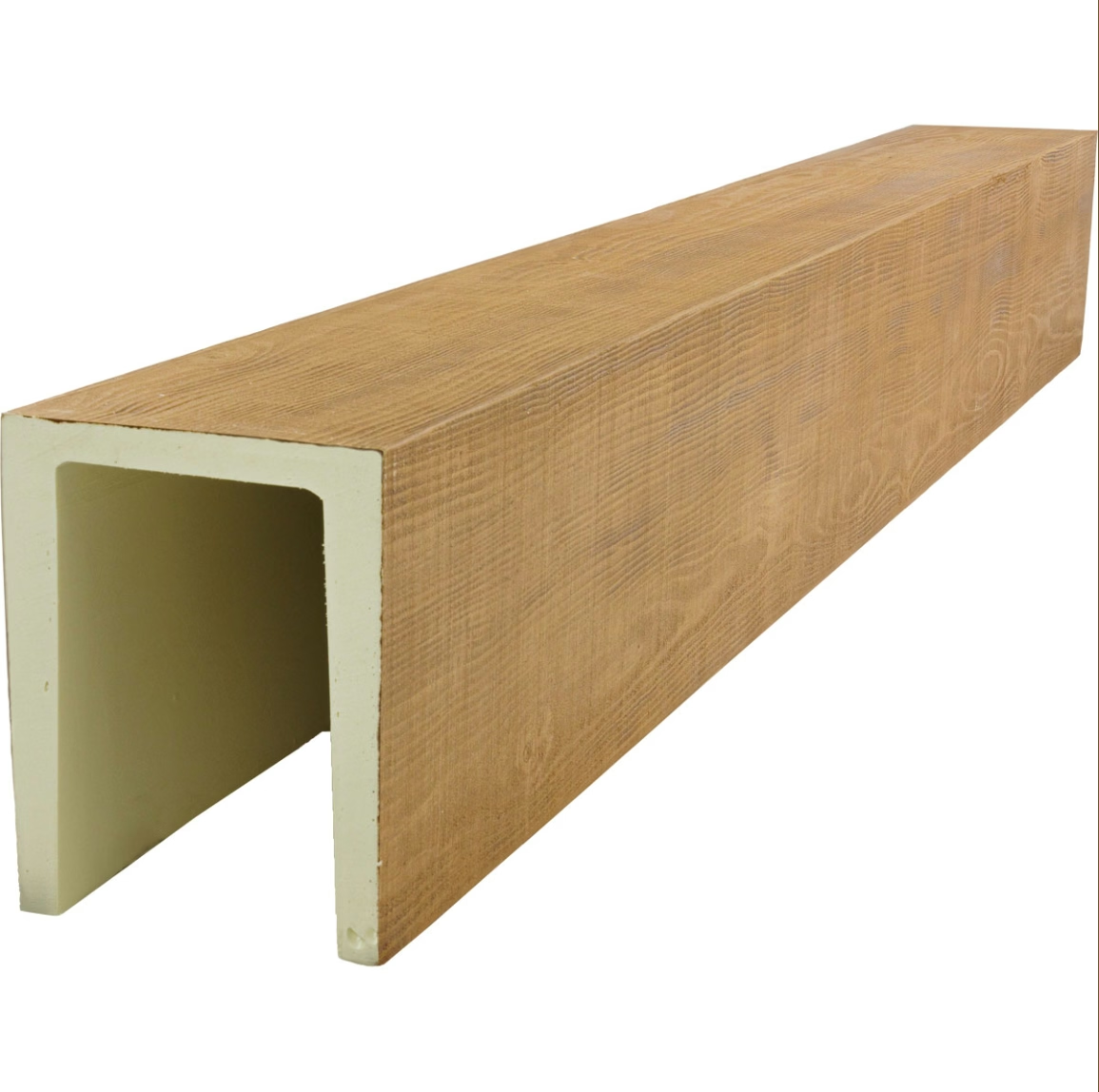
Interior design projects increasingly specify composite materials that deliver wood aesthetics alongside performance characteristics unavailable from natural timber. PU composite simulation wood beams exemplify this approach, providing the warmth and character of wood without the maintenance demands and durability limitations that organic materials present. The result enables design visions that perform reliably throughout extended service periods.
The composite designation refers to material formulations that combine polyurethane with additives enhancing specific properties. These additives may improve UV resistance, surface hardness, fire performance, or other characteristics relevant to specific applications. The resulting composite materials offer tailored performance that pure polyurethane alone cannot achieve.
Composite Material Advantages
Enhanced durability extends service life significantly compared to standard polyurethane or natural wood. The additive packages incorporated during manufacturing address specific failure modes, creating materials optimized for challenging conditions. This optimization translates to products that maintain appearance and performance over years of service.
Dimensional stability under environmental stress ensures that composite beams maintain fit and appearance despite changing conditions. Temperature fluctuations, humidity variations, and UV exposure all stress materials in ways that composite engineering addresses. This stability proves particularly valuable in environments with significant environmental swings.
Surface performance improvements benefit both appearance and practical use. Scratch resistance, stain resistance, and cleanability all improve with composite formulation refinements. These practical advantages translate to easier maintenance and longer appearance retention.
Design Aesthetic Options
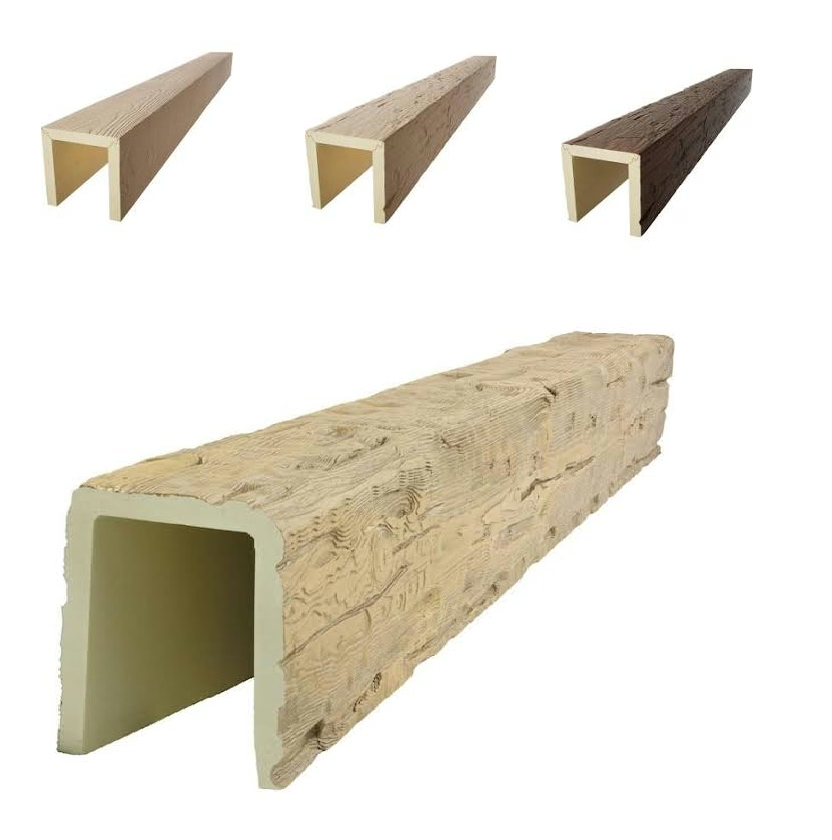
Wood species simulations span diverse timber types from around the world, enabling appearance selection that suits specific design intentions. Oak, walnut, maple, and cherry appearances provide classic options with established design associations. Exotic species including mango, acacia, and teak offer distinctive appearances for applications requiring unique character.
Finish options range from natural matte surfaces through high-gloss lacquered treatments. Each finish creates different aesthetic effects and practical characteristics. Matte finishes conceal minor surface imperfections and suit casual, relaxed environments. Gloss finishes create more formal appearances but show wear more readily.
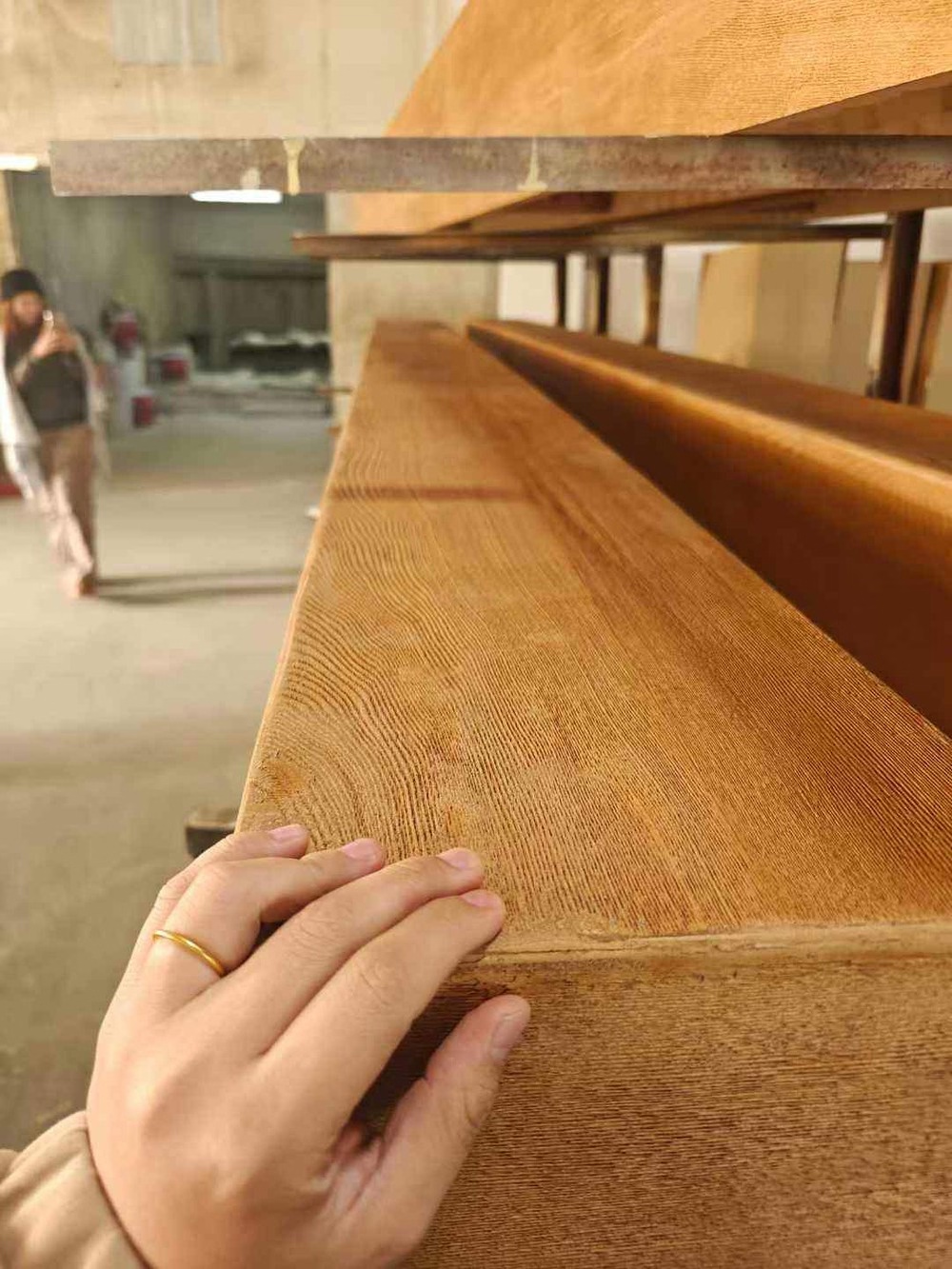
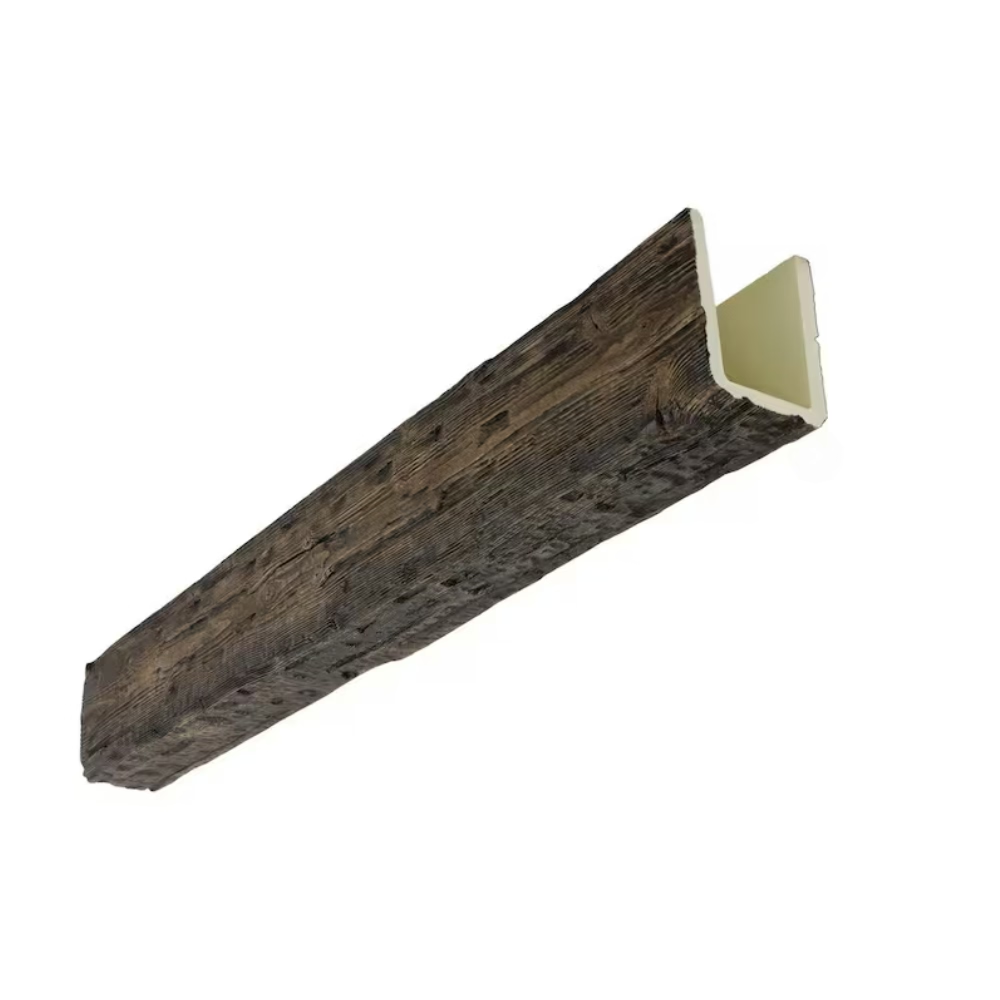
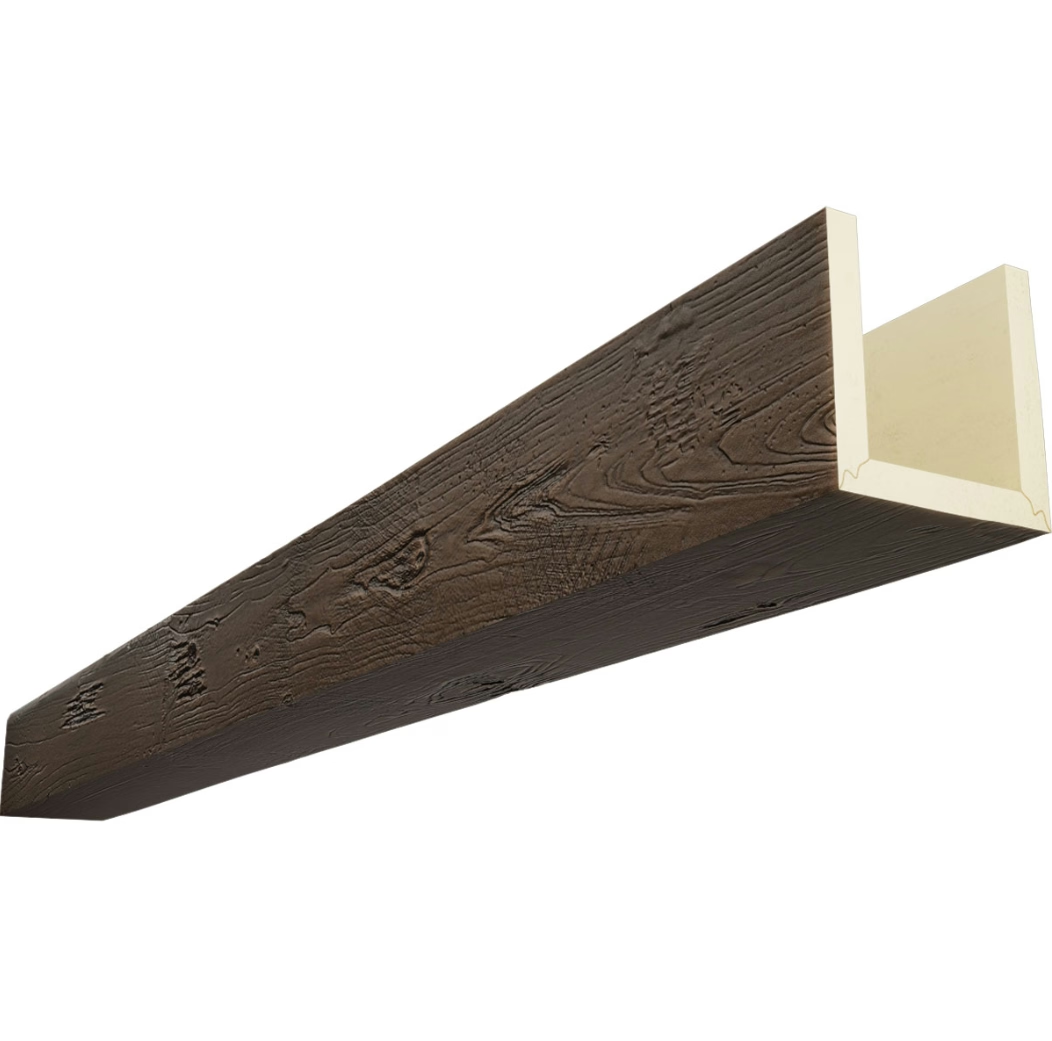
Texture variations affect both visual and tactile perception. Wire-brushed textures create rustic character by exposing grain patterns through soft wood removal. Hand-scraped textures suggest traditional craftsmanship. Smooth surfaces provide contemporary aesthetics that coordinate with minimalist design approaches.
Application Versatility
Residential applications benefit from the durability and low maintenance that composite beams provide. Kitchens, bathrooms, and other demanding areas present conditions where wood alternatives might suffer. Composite beams handle these conditions without the special care that natural materials require.
Commercial interiors with high-traffic patterns and frequent cleaning benefit from composite durability. The sustained use and maintenance that commercial spaces impose would quickly degrade wood alternatives. Composite beams maintain appearance despite these demanding conditions.
Hospitality environments present unique challenges including potential moisture exposure, heavy use, and design requirements that wood aesthetics typically address. Composite beams satisfy both aesthetic and practical requirements in restaurants, hotels, and entertainment venues where appearance directly impacts business success.

Performance Characteristics
Impact resistance determines how beams handle the accidental impacts that occur in active spaces. Composite formulations can be engineered for enhanced impact resistance, reducing visible damage from furniture contact, equipment handling, and daily activities. This resistance preserves appearance despite the inevitable accidents of occupied spaces.
Moisture tolerance enables applications that wood products cannot handle effectively. Bathrooms, pool areas, and exterior-adjacent spaces all present moisture challenges that composite beams address without special treatment. This tolerance eliminates concerns that limit wood product applications.
Temperature tolerance enables composite beams in challenging thermal environments. Spaces with significant temperature variations, including sunrooms and exterior-adjacent areas, stress materials that composite engineering addresses. This capability expands application possibilities beyond what wood alternatives can handle.
Installation Considerations
Installation procedures for composite beams generally parallel those for standard polyurethane products. The similar weight and handling characteristics mean that familiar techniques apply without modification. This consistency simplifies installation for contractors experienced with polyurethane beam products.
Fastening approaches work with standard hardware and methods. The material properties that composite engineering enhances do not interfere with standard fastening procedures. Adhesive bonding, mechanical fastening, and hybrid approaches all function effectively with composite beams.
Coordination with other building elements follows conventional practices. Electrical, HVAC, and other ceiling systems integrate with composite beams as they would with any ceiling-mounted elements. No special accommodations are required for composite materials.
Maintenance and Care
Routine cleaning for composite beams involves simple procedures that maintain appearance without special effort. Dusting, dry mopping, and occasional damp cleaning address accumulated contaminants. The stain-resistant surfaces that composite formulations provide simplify cleaning further.
Spot treatment addresses localized soiling or damage. The cleanability that composite surfaces provide means that most stains wipe away with mild cleaning agents. More stubborn issues may require specialized cleaning products appropriate for specific stain types.
Repair capabilities depend on damage extent and location. Minor surface damage may respond to touch-up finishing. Significant damage might require section replacement. The repairability considerations should inform material selection and installation approach.
Cost-Benefit Analysis
Initial costs for composite beams may exceed standard polyurethane alternatives due to enhanced formulation and manufacturing complexity. This premium reflects the added value that composite performance provides. Understanding the performance benefits helps justify investment decisions.
Lifecycle cost analysis reveals long-term advantages for composite products. The extended service life, reduced maintenance, and preserved appearance all contribute to lower ownership costs over time. These factors often offset higher initial investment for applications where they apply.
Total value assessment considers factors beyond direct cost. The professional appearance that quality composite beams provide enhances property value and customer perception. These indirect benefits may prove as significant as direct cost considerations for some applications.
Environmental Considerations
Manufacturing impacts vary between composite formulations depending on component materials and processes. Some composites incorporate recycled content that reduces virgin material requirements. The environmental profile should be considered during product evaluation alongside performance characteristics.
Service life extension reduces replacement frequency, which decreases cumulative manufacturing impacts over time. Products that last longer generate less waste and require fewer resources for replacement. This lifecycle perspective provides environmental benefits beyond initial production considerations.
End-of-life options influence overall environmental impact. Recycling capabilities for composite materials remain limited compared to some alternatives. Landfill disposal represents the most common end-of-life pathway currently. These limitations merit consideration during product selection.
Technical References
ASTM standards cited in every specification
Test Data
Lab results from internal testing program
Updated 2026
Reviewed against current product specs