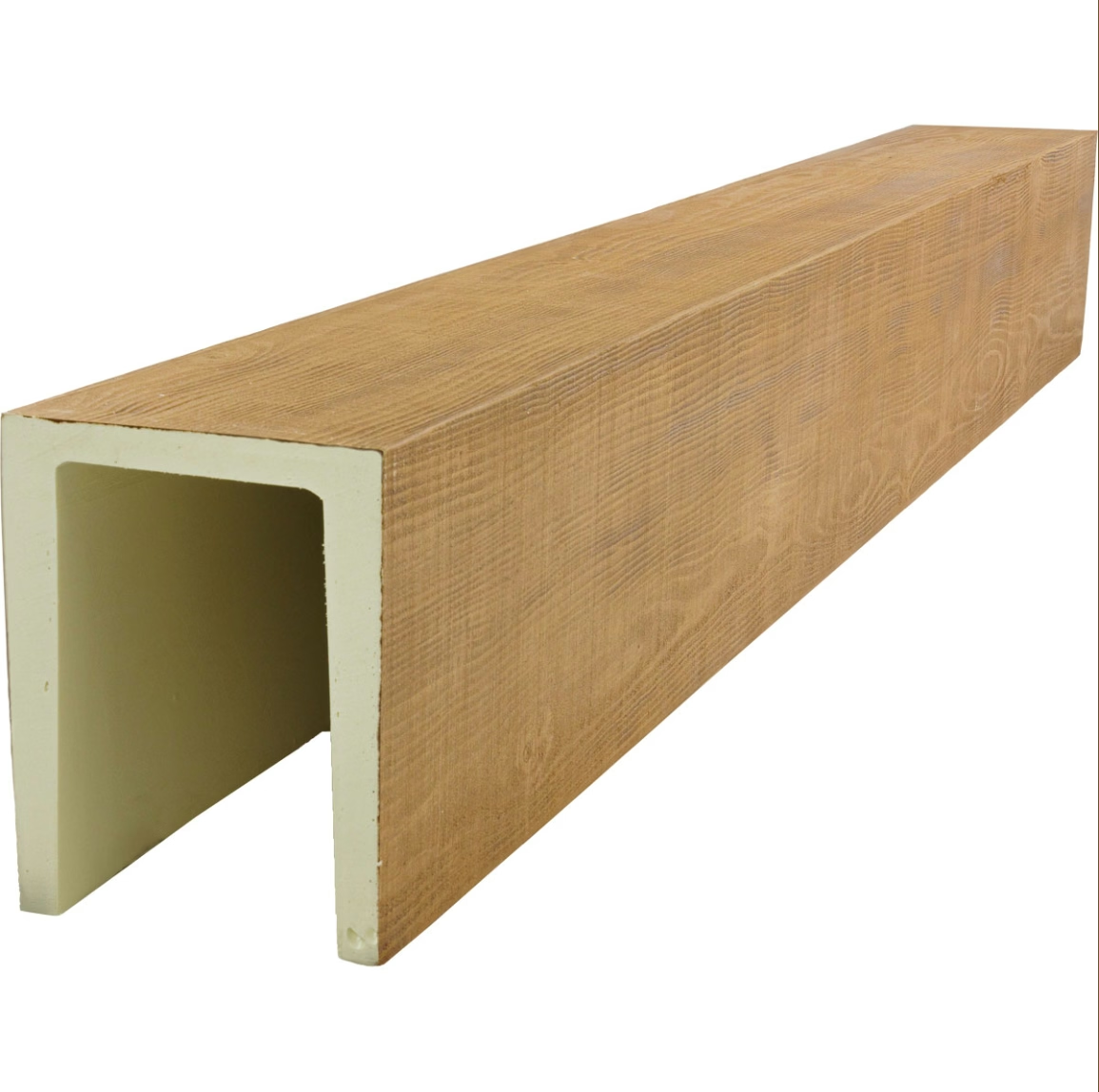
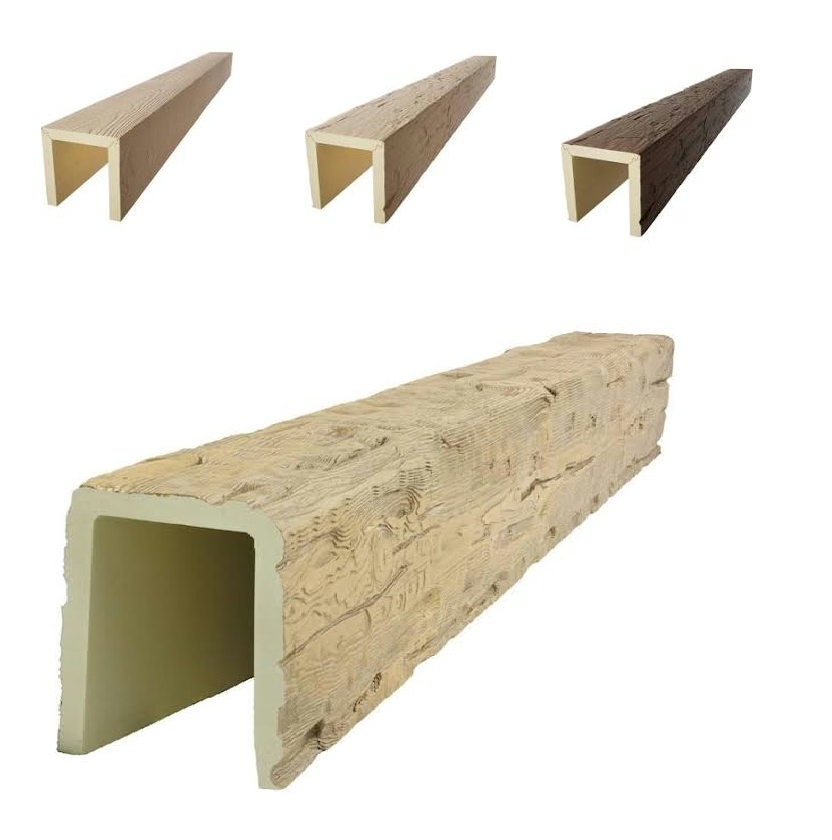
The gap between specification and delivery represents one of the most persistent challenges in construction and interior design. Products that look perfect in catalogs or on screen sometimes disappoint when they arrive on-site, appearing differently than expected due to printing limitations, screen calibration, or simply the difficulty of translating two-dimensional images into three-dimensional material judgments. For beam installations where appearance carries significant weight, swatch sample evaluation provides the bridge between abstract specification and confident ordering.
Swatch samples serve multiple essential functions in the beam selection process. They enable tactile evaluation that images cannot provide—feeling the texture, assessing the surface quality, and understanding how the material responds to light from different angles. They allow comparison with adjacent materials on-site, verifying that selected finishes harmonize with flooring, trim, furniture, or other elements that share the visual field. They provide reference points for quality assessment, revealing the manufacturing precision and finish quality that distinguish premium products from economy alternatives.
The sampling process begins with identifying which samples best represent the options under consideration. Most manufacturers maintain extensive collections spanning the range of available finishes, from natural wood tones through painted and stained options. Reviewing sample collections narrows consideration to the most promising candidates before requesting specific samples for detailed evaluation. This preliminary screening saves time and focuses attention on realistic options.
Sample receipt timing affects project schedules in ways that merit planning attention. International shipping introduces transit times that domestic delivery does not require. Projects on compressed schedules should account for sample shipping and evaluation periods when establishing procurement timelines. Building this buffer into planning prevents the pressure that arises when sample evaluation must be rushed to meet installation deadlines.
Physical sample evaluation should follow systematic procedures that ensure thorough assessment. Begin with overall appearance under normal lighting conditions—fluorescent, LED, or natural light depending on the intended installation context. Rotate the sample to observe how appearance changes with viewing angle and light direction. Note any inconsistency in color distribution, texture pattern, or surface quality that might indicate production variability.
Texture assessment deserves particular attention because surface feel significantly affects perceived quality. Run fingers across the sample surface to evaluate texture intensity and consistency. Heavy-handed texturing might look dramatic in catalogs but feel rough or collect dust excessively in service. Subtle textures may appear flat in photos while providing satisfying tactile quality that enhances perceived craftsmanship.
The relationship between samples and surrounding materials requires evaluation in the actual installation context. What appears harmonious in a showroom or office might clash with other elements in the target space. The best evaluation approach involves bringing samples to the installation site and comparing them directly against adjacent materials under actual lighting conditions. This on-site comparison reveals relationships that isolated evaluation cannot capture.
Photography introduces variables that complicate color matching across digital channels. Camera sensors, monitor calibration, and display settings all affect how colors render in digital communication. The sample in hand may differ subtly from the image that communicated its availability. Relying exclusively on digital representation risks specification errors that physical samples prevent.
Finish consistency across sample surfaces indicates manufacturing capability that translates to production runs. Samples showing uneven color application, inconsistent texture, or visible seams suggest production processes that may not deliver uniform results across full project quantities. Premium manufacturers maintain tighter tolerances that their samples accurately reflect.
Custom color matching expands the possibilities beyond standard catalog offerings. When standard finishes do not satisfy specific requirements, manufacturers can develop custom formulations that reproduce target colors, match existing elements, or create entirely unique appearances. This capability requires time for color development and approval, but it enables outcomes that catalog limitations would otherwise prevent.
The comparison process benefits from consistent methodology. Evaluate multiple samples under identical conditions—same lighting, same background, same viewing angle. Compare each candidate against the primary reference material, whether that is existing woodwork, flooring, or a color specification. Document observations in writing or photography for future reference during ordering.
Color accuracy expectations should account for material differences between samples and installed products. PU beam surfaces may appear slightly different from natural wood or painted surfaces they are meant to match, even when color formulations target exact coordinates. The visual relationship between different materials—rather than absolute color matching—determines whether results satisfy expectations.
Samples serve as reference standards throughout the procurement and installation process. Retaining approved samples during production enables quality verification that delivered products match the approved specification. This comparison prevents acceptance of substandard products and provides documentation supporting claims if disputes arise.
The warranty implications of sample evaluation deserve consideration. Products selected based on sample approval typically fall under standard warranty terms that do not cover appearance preferences that differ from samples. Understanding warranty coverage limits ensures realistic expectations about recourse if delivered products fail to match samples in ways that affect satisfaction.
Material samples also provide opportunities for installation testing. Applying fasteners, adhesives, or finishing materials to sample surfaces reveals how these products interact with the beam material. This testing prevents surprises during installation and identifies potential compatibility issues before they affect project timelines.
Sample Size and Representation
Sample size affects how accurately samples represent full-scale products. Small swatches may not convey the full texture pattern or color variation that larger surfaces display. Larger samples that show complete profile cross-sections and extended surface areas provide more complete representation. Understanding these limitations helps evaluators adjust expectations appropriately.
Pattern repetition in manufactured products affects visual interest in ways that small samples may not reveal. Natural wood exhibits unique grain patterns that manufactured products must simulate through pattern repetition. Quality products engineer this repetition to feel natural rather than mechanical. Samples showing extended surface areas or multiple pieces reveal whether pattern repetition creates acceptable or objectionable visual repetition.
Communication of Sample Evaluation Results
Translating physical evaluation into ordering specifications requires clear communication with manufacturers or suppliers. Written descriptions supplement visual samples by documenting specific observations, concerns, or requirements that images cannot convey. This documentation creates shared understanding that reduces misinterpretation during order processing.
Digital photography of samples, annotated with specific notes, provides useful reference material during ordering discussions. These images preserve the approved sample appearance for comparison during production and delivery. Reference images help ensure that delivered products match expectations, particularly when orders are placed weeks or months after sample approval.
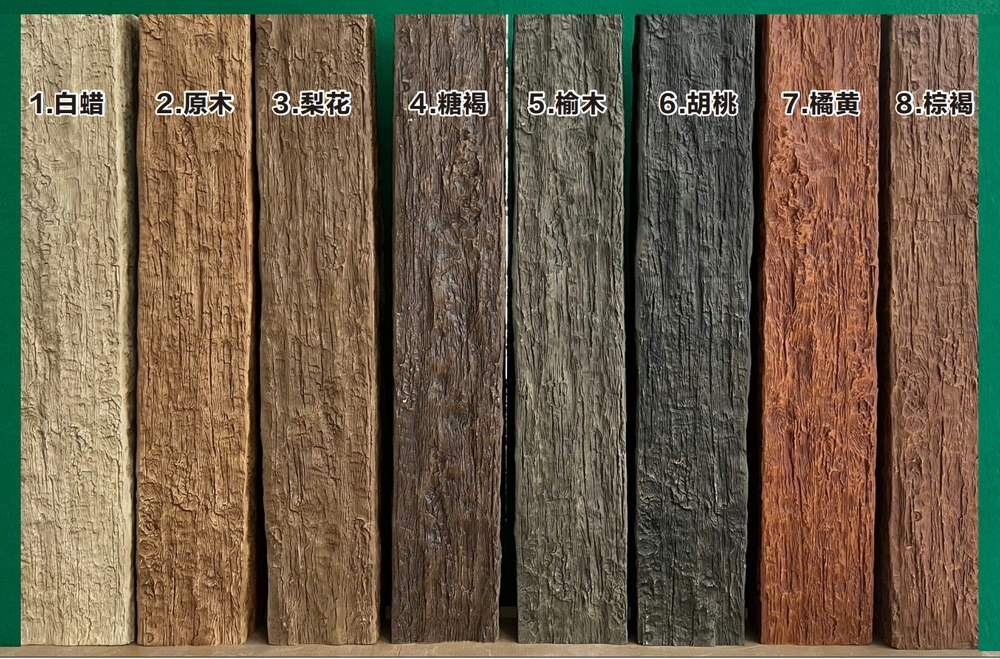
Managing Sample Collection
Projects with extensive beam installations may require multiple sample types—different profiles, various finishes, mounting hardware, and connection details. Organizing these samples logically prevents confusion during evaluation and ordering. Label each sample with relevant information: product code, finish designation, source supplier, and evaluation date.
Storage of approved samples protects their utility throughout project duration. Samples stored improperly may degrade, collect dust, or sustain damage that compromises their reference value. Appropriate storage—protected from light, contamination, and physical damage—preserves sample utility for final verification before installation.
Technical References
ASTM standards cited in every specification
Test Data
Lab results from internal testing program
Updated 2026
Reviewed against current product specs