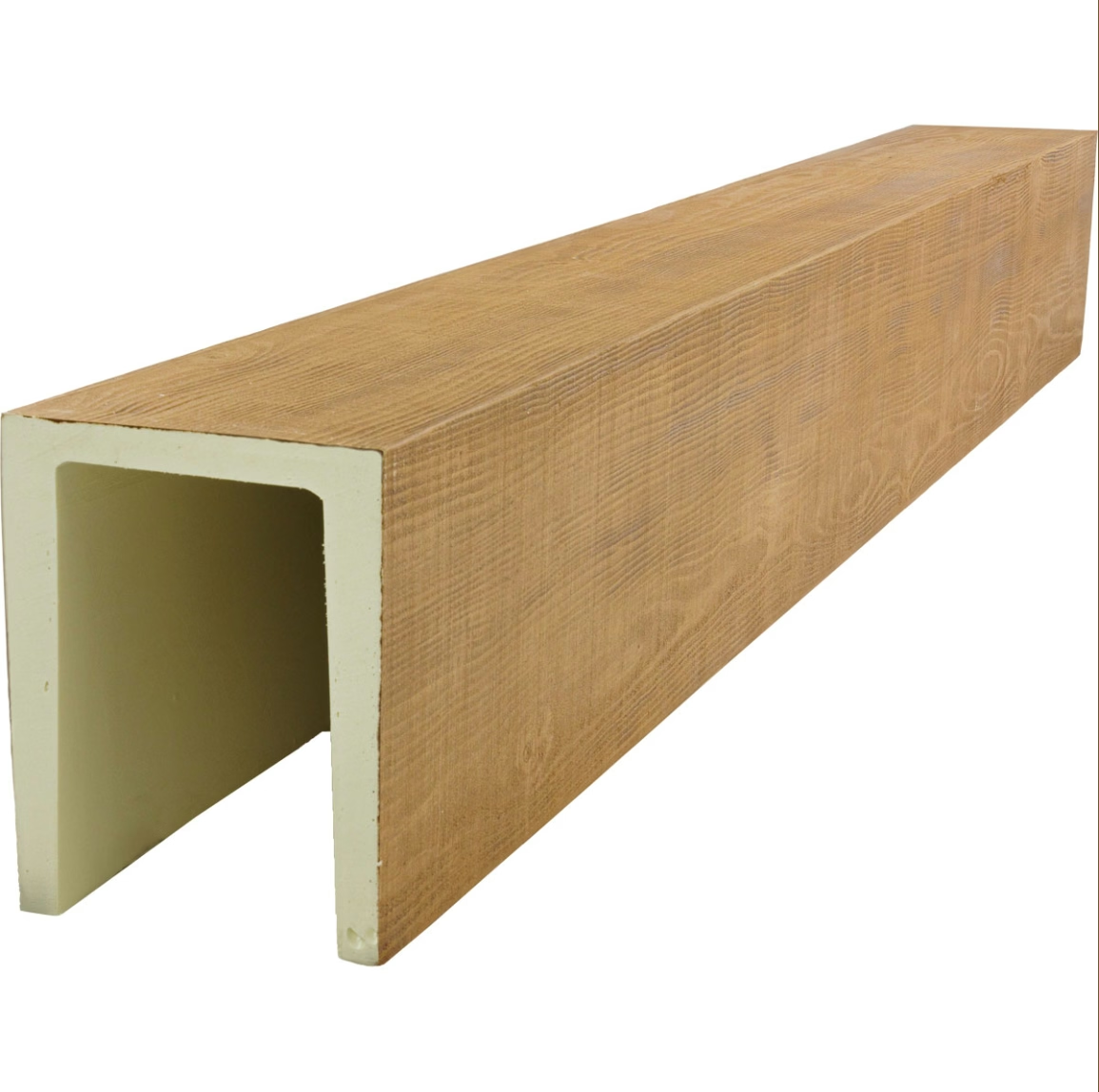
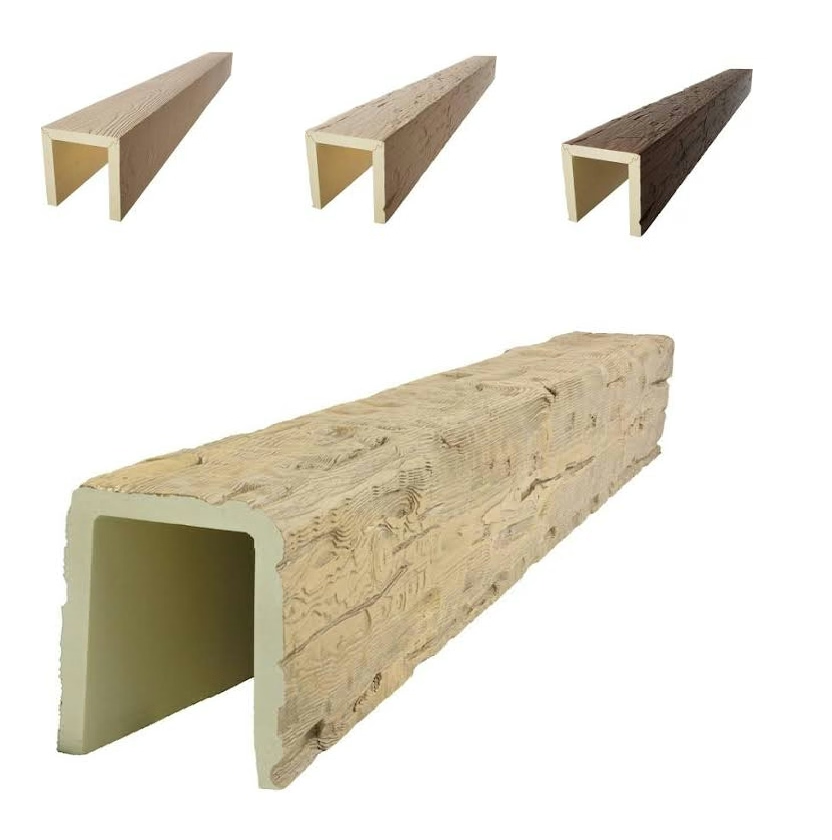
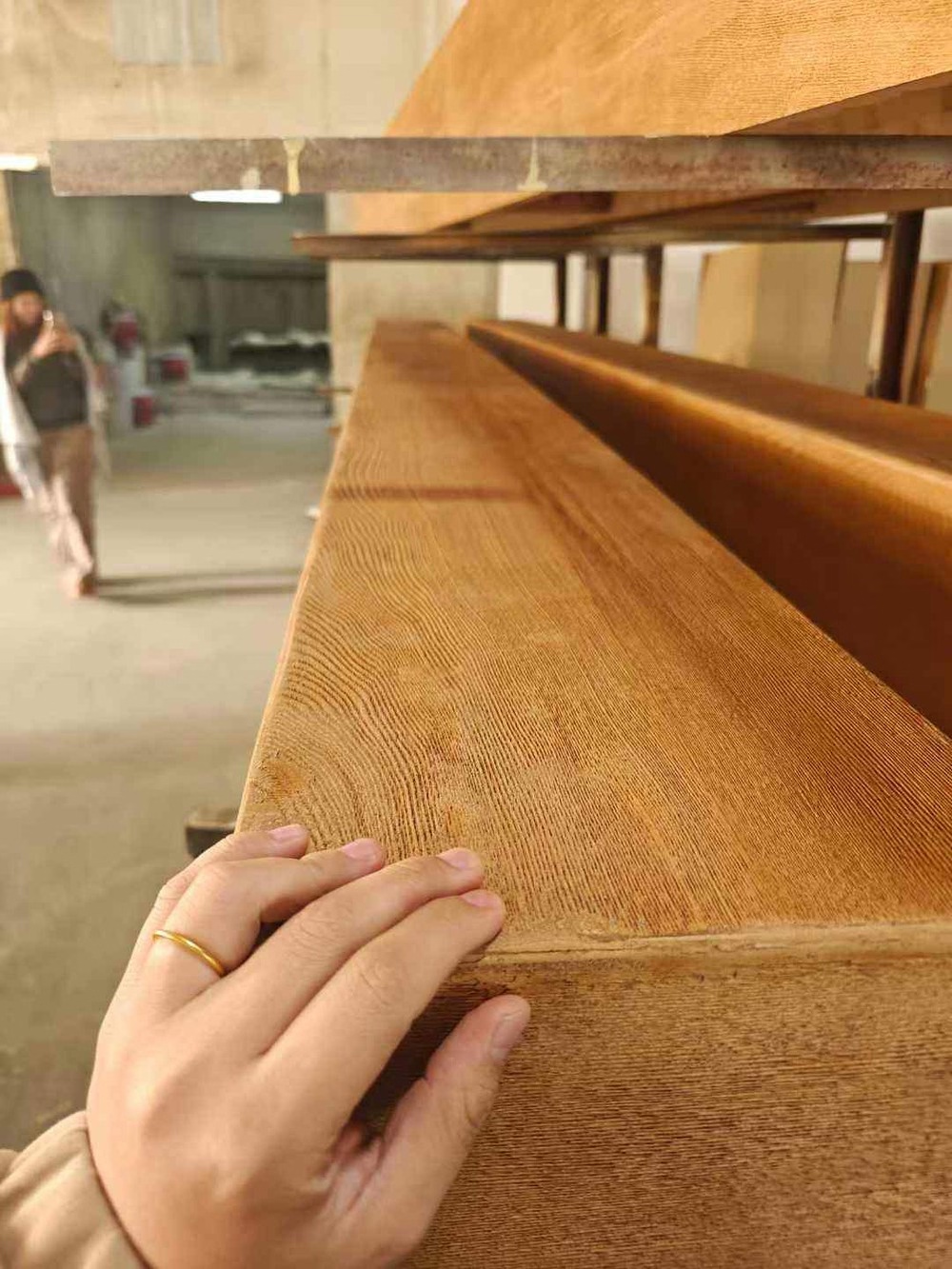
Selecting beam materials requires understanding the full implications of each option across project lifecycle. Apparent savings at purchase may evaporate when lifecycle costs accumulate, while initial expense may prove worthwhile over extended service periods. A thorough comparison between PU faux beams and real wood alternatives illuminates these relationships, enabling decisions that serve project goals effectively across immediate and long-term horizons.
Acquisition costs for real wood beams involve multiple components that compound beyond simple material pricing. Timber selection from lumberyards or specialty suppliers includes grade considerations, species availability, and dimensional constraints that affect per-unit costs. Delivery logistics for heavy timber require specialized equipment that smaller materials do not demand. These factors create total acquisition expenses that often exceed initial material quotes substantially.
Faux beam acquisition follows more predictable cost structures with fewer variables. Factory pricing typically includes material, finishing, and quality control, with delivery costs quoted based on shipment size and distance. The comprehensive nature of factory pricing simplifies budget planning and eliminates surprise expenses that timber procurement often creates. Project managers appreciate this predictability when coordinating multiple budget items.
Installation labor differences between materials affect total project costs significantly. Natural timber requires handling equipment, potentially multiple installers, and longer positioning times due to weight and irregularity. Faux beams install with standard tools, often by single workers, with positioning times measured in minutes rather than hours. These installation efficiency differences translate directly to labor cost savings that favor manufactured alternatives.
Structural preparation costs that precede installation affect real wood projects disproportionately. Engineered drawings, engineering review, and potentially structural modifications to support timber weight add expenses that faux beam projects avoid entirely. These preparatory costs often go underestimated in timber project budgets, creating budget overruns that damage project economics unexpectedly.

Finish quality comparison reveals meaningful differences between materials that affect long-term appearance maintenance. Factory-finished faux beams achieve consistent quality that site finishing cannot match reliably. Spray application in controlled environments produces even coverage without brush marks, roller texture, or drying variations that affect site-finished timber. This quality advantage persists throughout beam service life as factory finishes resist wear more effectively than site-applied alternatives.
Moisture-related durability differs substantially between materials in challenging environments. Real wood responds to humidity fluctuations through dimensional changes that create gaps, checks, and eventual decay in wet or humid conditions. PU faux beams maintain dimensional stability regardless of atmospheric conditions, eliminating the maintenance interventions that wood requires in problem environments. This advantage proves particularly valuable in bathrooms, kitchens, pools, and exterior applications.
Thermal performance creates comfort and efficiency implications that material selection influences. Wood's insulating properties provide some thermal resistance that manufactured materials may not match. However, the weight and installation requirements that genuine timber demands often make these marginal thermal differences irrelevant to overall building performance. Engineering analysis typically reveals that beam material contributes minimally to total thermal envelope performance.
Maintenance cost projections over typical ownership periods reveal significant differences that initial cost comparisons obscure. Real wood beams in average residential applications might require refinishing every five to ten years, with associated labor and material costs that accumulate substantially. Faux beam maintenance typically involves occasional cleaning that costs nothing beyond routine housekeeping time. Over twenty or thirty year periods, these maintenance differences often exceed initial material cost differences.
Replacement considerations influence lifecycle cost calculations for longer ownership periods. Real wood beams can provide century-scale service with appropriate maintenance, potentially outliving buildings they occupy. Faux beam service life typically extends decades under normal conditions but may eventually require replacement. This longevity difference partially compensates for maintenance cost advantages, though actual value depends on specific application conditions and ownership horizons.
Resale value implications affect property owners considering material selection from investment perspectives. Real wood may appeal to prospective buyers who value authentic materials and traditional craftsmanship. However, many buyers prioritize appearance over material authenticity, responding equally well to high-quality faux alternatives. Regional preferences and buyer demographics influence how material choices affect resale positioning.
Warranty coverage differs substantially between material categories. Quality faux beam manufacturers provide warranties covering appearance and structural performance for extended periods. Real wood typically carries no warranty, with performance depending entirely on maintenance practices and environmental conditions. This coverage difference provides meaningful risk mitigation that manufactured materials offer.
Environmental lifecycle analysis presents complex tradeoffs that resist simple conclusions. Real wood sequesters carbon during tree growth, providing environmental benefit that manufactured materials cannot claim. However, sustainable forestry practices required for genuine environmental benefit are not universal, and transportation distances for specialty timbers add carbon costs. Manufactured faux beams avoid forestry concerns while depending on petroleum-derived inputs. Neither material offers unambiguous environmental superiority; informed choices require examining specific product sources and manufacturing practices.
Sustainability certifications available for both material categories enable environmentally conscious selection. FSC-certified timber provides verified sustainable sourcing, while Greenguard and similar certifications address manufacturing emissions for faux beams. Project teams prioritizing environmental performance can select certified products in either category, reducing but not eliminating concerns about material origins and production practices.
Total cost of ownership analysis across project lifecycle provides the most accurate comparison framework. Initial costs, installation expenses, maintenance requirements, replacement timelines, and disposal considerations all factor into comprehensive ownership costs. Detailed analysis typically reveals that apparent cost advantages for real wood disappear when full lifecycle costs are considered, though specific project conditions may alter these general patterns.
Comprehensive comparison between PU faux beams and real wood alternatives reveals that material selection involves complex tradeoffs beyond simple cost comparisons. Initial pricing favors neither material universally; appropriate selection depends on specific project conditions, ownership horizons, and priority weighting among the multiple factors this comparison examines. Thorough analysis enables decisions that serve project goals effectively across all relevant dimensions.
Technical References
ASTM standards cited in every specification
Test Data
Lab results from internal testing program
Updated 2026
Reviewed against current product specs