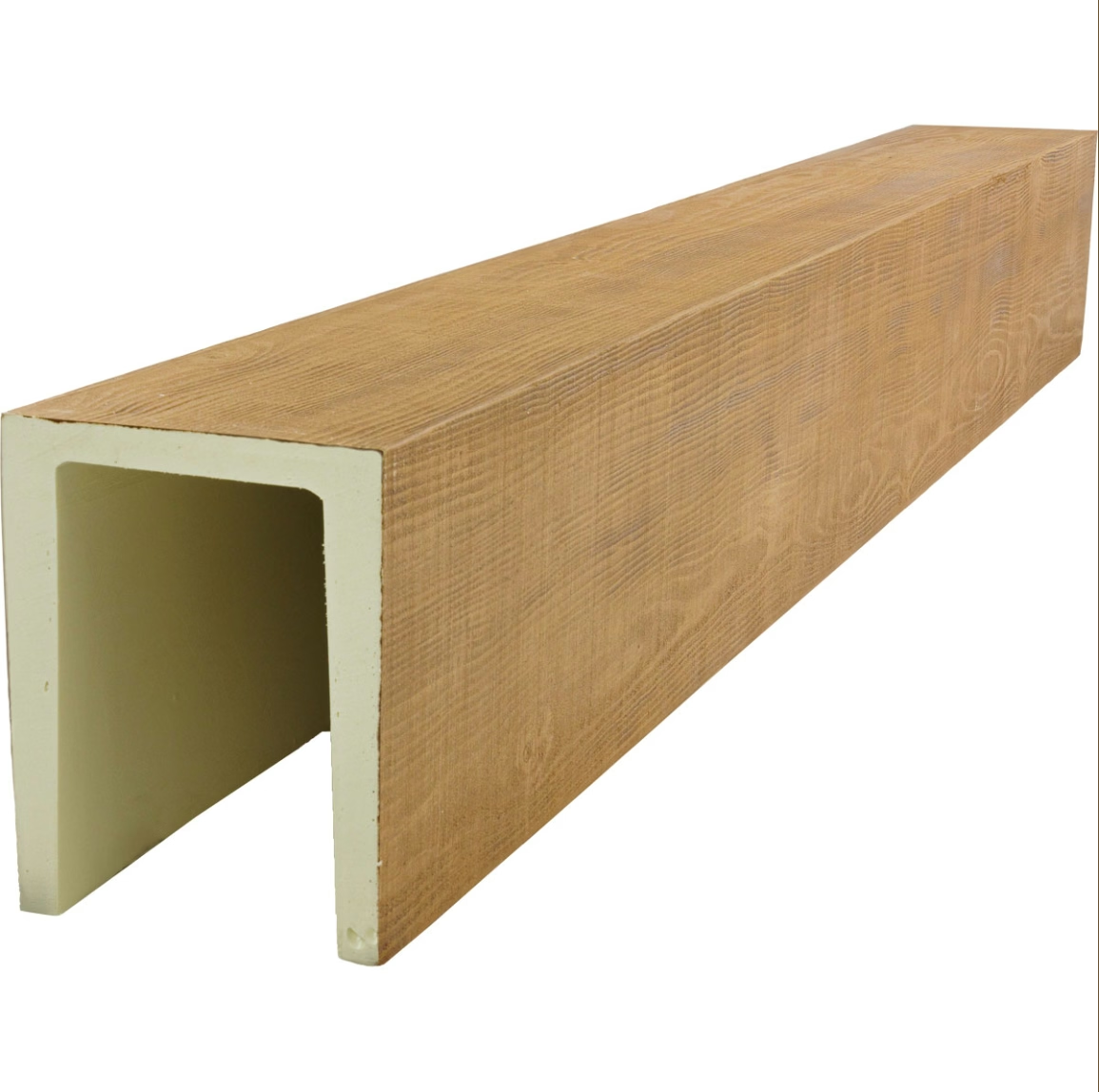
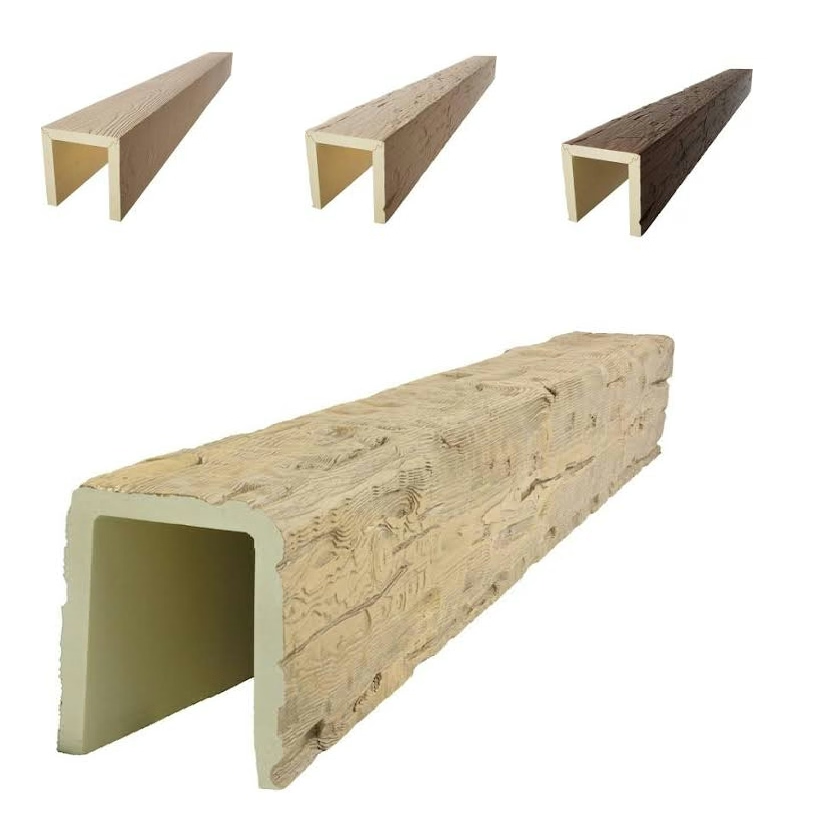
Shopping for faux wood beams can reveal surprising complexity. The market offers products ranging from premium high-density polyurethane to basic expanded foam, with substantial variation in quality, performance, and appropriate applications. Buyers who don't understand these differences may find themselves disappointed with results that seem superficially similar to better products. Understanding what separates quality PU faux beams from traditional foam alternatives helps ensure satisfying project outcomes.
The materials share a synthetic origin but differ dramatically in their characteristics and capabilities. Making informed purchasing decisions requires understanding these distinctions clearly. What follows examines the practical differences that matter most to buyers and installers.
Density Determines Durability
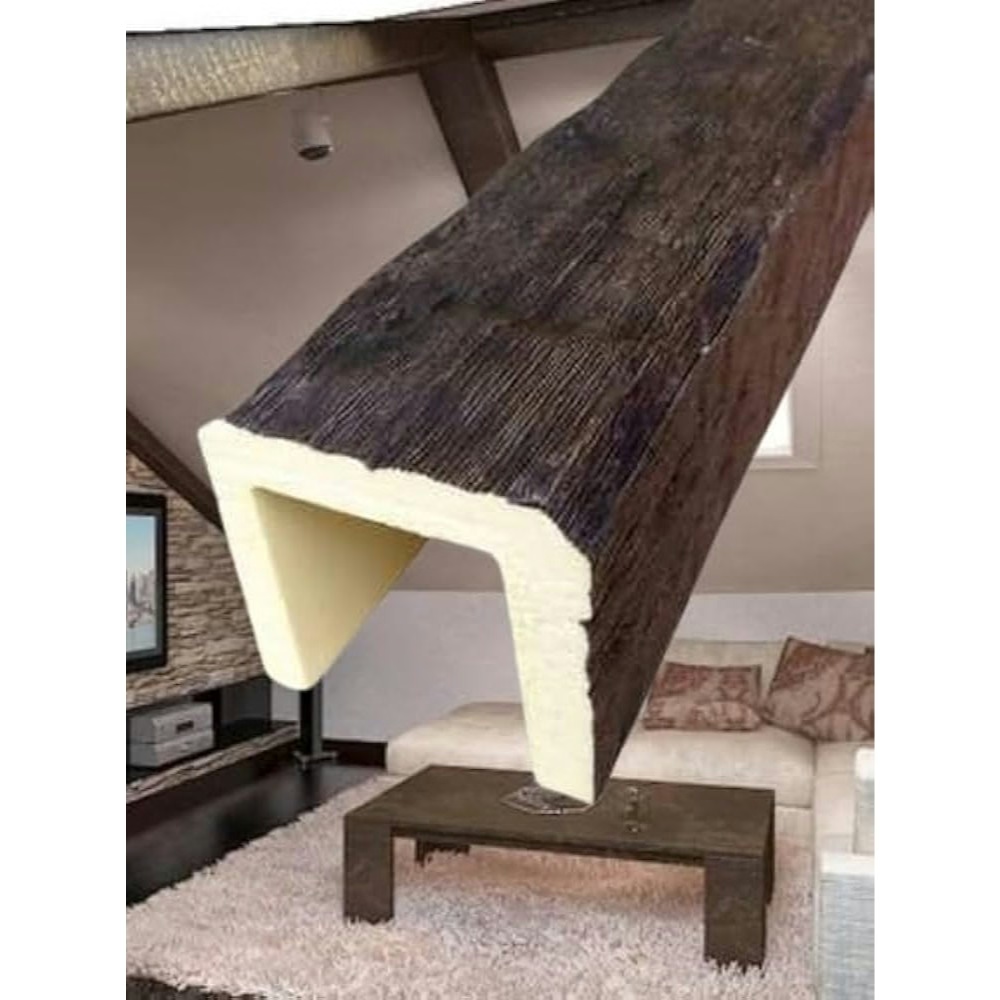
Traditional foam beams derive their name from expanded foam cores—typically polystyrene or polyurethane foam cut to shape and wrapped in a wood-grain veneer. The foam itself is lightweight and relatively soft, providing minimal resistance to impact damage. A careless bump from a ladder, a child's thrown toy, or even routine cleaning can dent or puncture these surfaces.
High-density polyurethane faux beams use solid material throughout rather than a foam core with veneer coating. The density provides genuine structural substance rather than hollow appearance. This material resists impacts that would permanently damage traditional foam products. The surface rebounds from moderate contact rather than showing dents and scratches.
The practical implications become apparent over time. Traditional foam beams installed in active households often show wear within months—dents where vacuum cleaners bump, scratches from furniture movement, chips from accidental contact. PU beams in identical situations maintain pristine appearance year after year. The initial cost premium pays dividends through extended service life.

Surface Detail and Authenticity
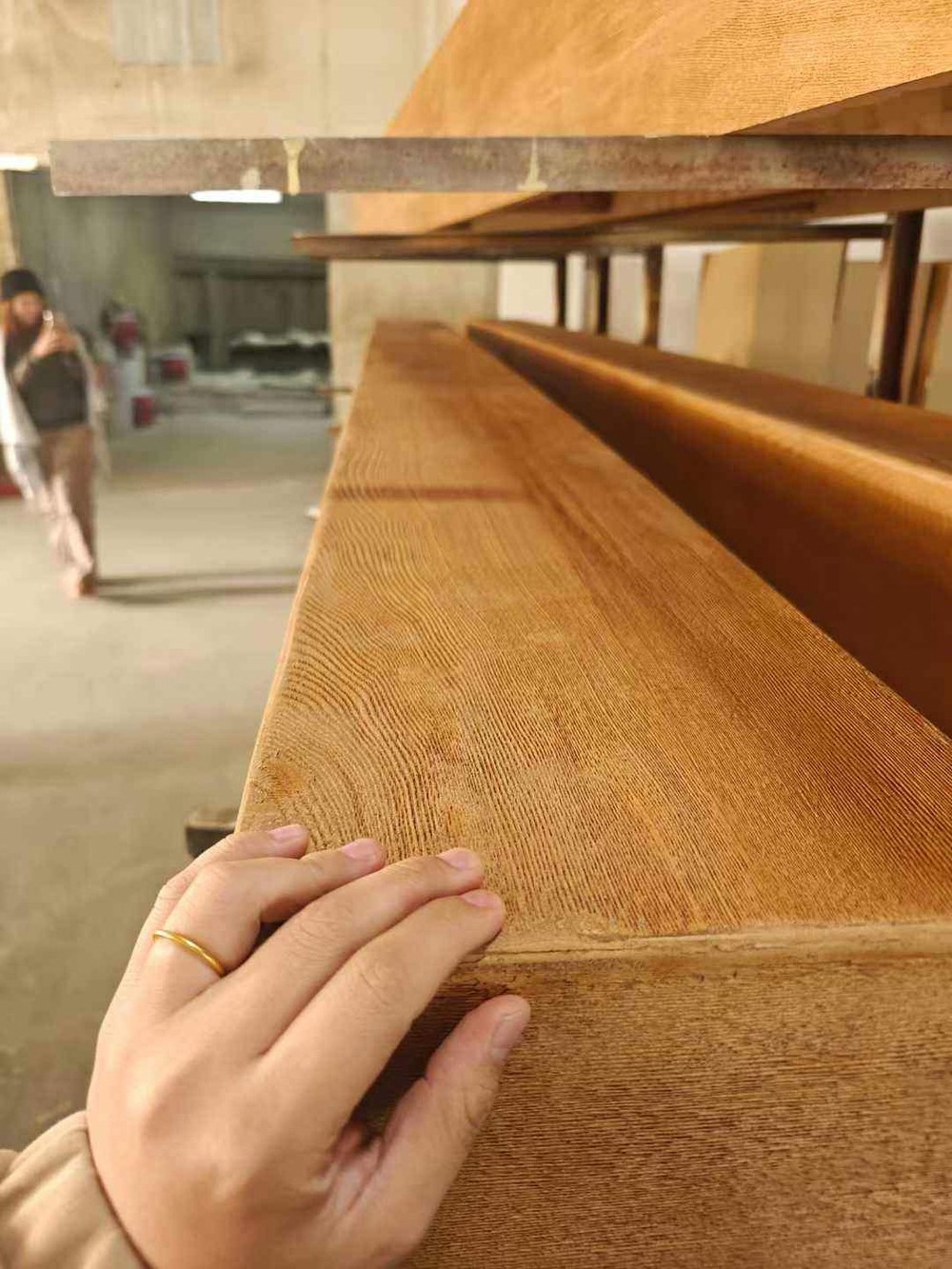
Traditional foam beams achieve wood appearance through embossed or printed surfaces that mimic grain patterns. While these surfaces can look convincing from a distance, close inspection reveals their synthetic nature. The texture feels wrong to touch—too smooth, too uniform, lacking the subtle variation of real wood. The embossed pattern repeats obviously, lacking the random character that makes natural materials appealing.
PU faux beams capture wood authenticity through sophisticated mold-making processes that transfer genuine wood grain and texture to the surface. The resulting product looks authentic even under scrutiny, with the kind of subtle variations and character marks that define natural wood appearance. Touch the surface and it feels like real timber, not a cheap imitation.
This authenticity matters most in two situations: close viewing and photography. Living spaces where people can examine ceiling details up close benefit from beams that withstand close inspection. Marketing photography for real estate listings and design portfolios requires surfaces that photograph convincingly rather than revealing their synthetic nature in close-up images.
Weight Bearing and Installation Requirements
Traditional foam beams are genuinely lightweight—their hollow construction minimizes material usage and keeps shipping costs low. However, this lightweight nature also limits installation options. These beams cannot support any real weight, eliminating options for hanging items or using beams as structural elements.
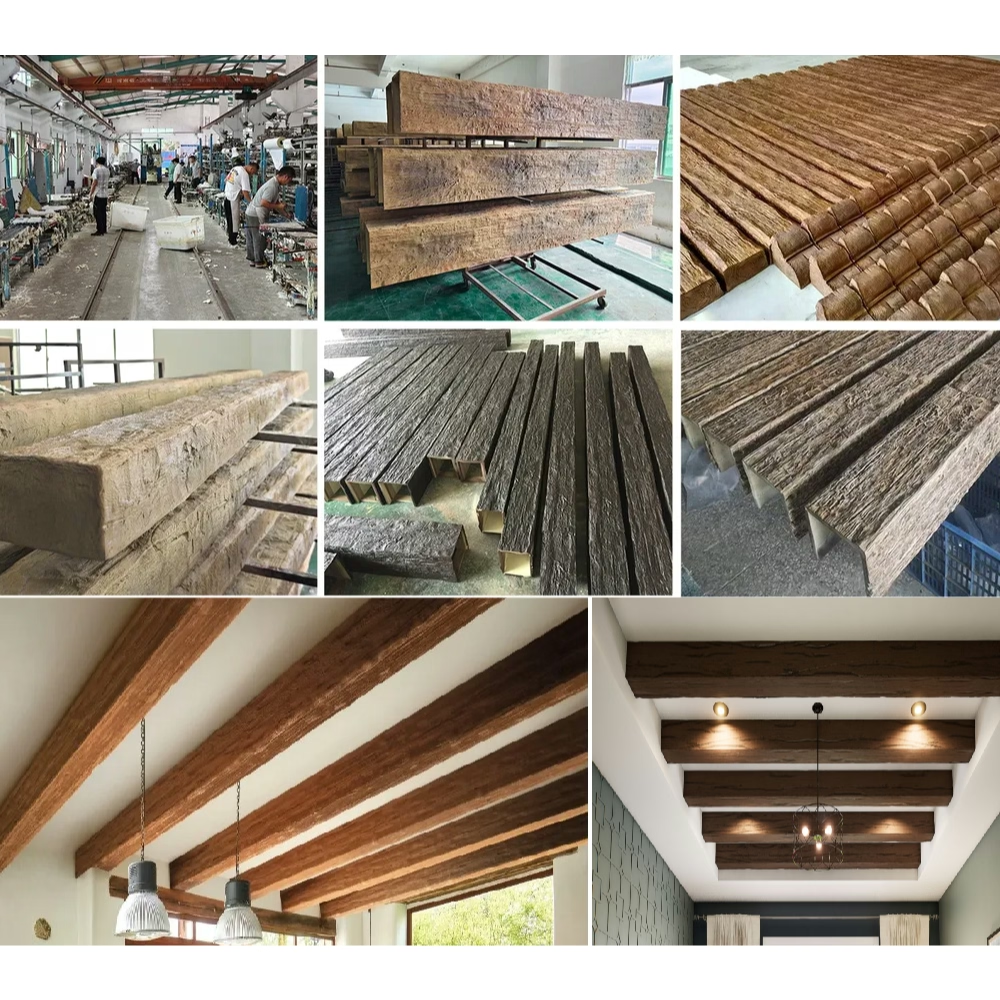
PU beams achieve their durability through solid construction rather than lightweight foam cores. While heavier than traditional foam alternatives, they remain dramatically lighter than solid wood. This middle-ground weight supports practical installation scenarios including the ability to mount items from beams if needed. The structural substance also allows more reliable fastening without worrying about pull-out or fastener failure.
Installation methods differ accordingly. Traditional foam beams typically require adhesive bonding or specialized clips that distribute loads across larger surface areas. PU beams accept standard fasteners more reliably, simplifying installation and expanding mounting options. The ability to drive screws directly into beam surfaces opens possibilities for mounting fixtures, fans, or decorative elements.
Temperature and Environmental Tolerance
Expanded foam materials have temperature limitations that affect their usability. Extreme cold makes foam brittle and prone to cracking. High temperatures can cause softening or deformation. Direct sun exposure on dark-colored foam beams can create surface temperatures that exceed safe operating ranges.
These limitations create application restrictions that may not be immediately obvious. Beams in unconditioned spaces like covered porches, garages, or sunrooms may experience temperature extremes that challenge foam products. South-facing installations with direct afternoon sun create heat buildup that can damage sensitive materials.
PU faux beams tolerate temperature extremes without the same concerns. The material maintains consistent properties across a wide temperature range, from below freezing to typical summer heat. UV-resistant formulations resist the degradation that breaks down foam surfaces under sun exposure. These characteristics expand the range of suitable applications, including exterior covered installations where traditional foam would fail quickly.
Moisture Response
Traditional foam beams typically have foam cores covered with wood-grain veneer or coating. Any moisture that penetrates the surface—whether through cracks, damaged edges, or failed seals—can be absorbed by the foam core. Wet foam loses structural integrity, may grow mold, and typically cannot be dried and restored to original condition.
The response to moisture damage differs fundamentally between products. Foam beams that get wet often require replacement, as drying doesn't restore original appearance and structural characteristics. Hidden damage may not become apparent until problems become severe. This vulnerability makes traditional foam beams poor choices for moisture-prone environments.
Quality PU beams are inherently moisture-resistant throughout, not just at the surface. Even if damaged edges expose interior material, moisture cannot be absorbed or cause the same catastrophic failures seen with foam cores. This characteristic makes PU beams suitable for kitchens, bathrooms, and other humid environments where traditional foam would require careful protection or would simply fail over time.
Long-Term Appearance Maintenance
Traditional foam beams require careful handling to maintain appearance throughout their service life. The soft surface shows marks readily, and once damaged, repairs are difficult or impossible. Cleaning requires gentle methods—harsh scrubbing can remove or damage the surface veneer. Eventually, replacement becomes the only option for restoring appearance.
The durable surface of PU beams tolerates normal cleaning without concern. Mild soap and water, soft cloths, gentle brushing—these methods keep beams looking fresh without risk of damage. Minor scratches can sometimes be repaired with touch-up materials. The overall resilience means beams stay looking good with minimal special attention.
This difference in maintenance requirements affects long-term ownership costs. Traditional foam beams may need to be replaced every few years in high-traffic or high-use situations. PU beams in identical conditions typically last decades without replacement. The total cost of ownership strongly favors higher-quality PU products despite their initial price premium.
Value Assessment
Comparing prices between traditional foam and PU faux beams requires understanding what you're actually purchasing. A foam beam that costs half as much but lasts one-quarter as long represents false economy. The per-year cost of ownership often strongly favors the more expensive initial option.
Consider typical replacement cycles when evaluating bids. If foam beams require replacement every five years while PU beams last thirty years, the true cost comparison shifts dramatically. Installation labor costs repeat with each foam beam replacement. Disposal costs accumulate similarly. The full lifecycle analysis typically reveals that quality PU beams are actually the more economical choice.
Reputable suppliers of PU faux beams often provide warranties that reflect confidence in product longevity. These warranties—often extending ten years or more—represent meaningful protection that traditional foam products cannot match. The warranty itself signals the manufacturer's expectation of long-term performance, backed by actual financial commitment.
The differences between PU faux beams and traditional foam alternatives span material properties, installation requirements, environmental tolerance, and long-term value. Savvy buyers recognize that apparent similarities mask significant quality variations that affect project outcomes substantially.
Investing in quality PU faux beams means choosing a product designed for lasting performance rather than lowest initial cost. The benefits in durability, appearance, and value accumulate throughout the ownership experience, rewarding the initial decision with years of satisfying service.
Technical References
ASTM standards cited in every specification
Test Data
Lab results from internal testing program
Updated 2026
Reviewed against current product specs