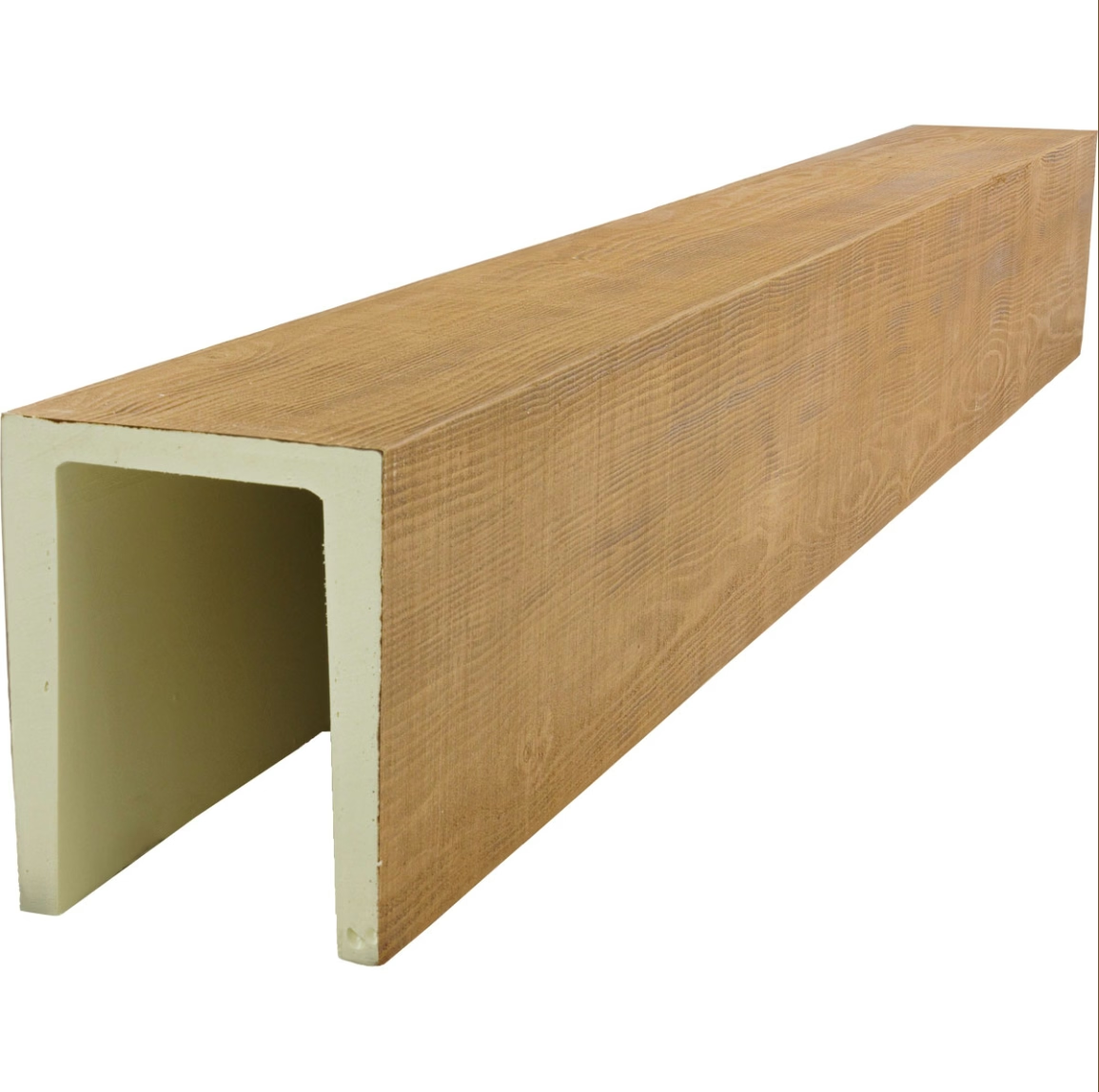
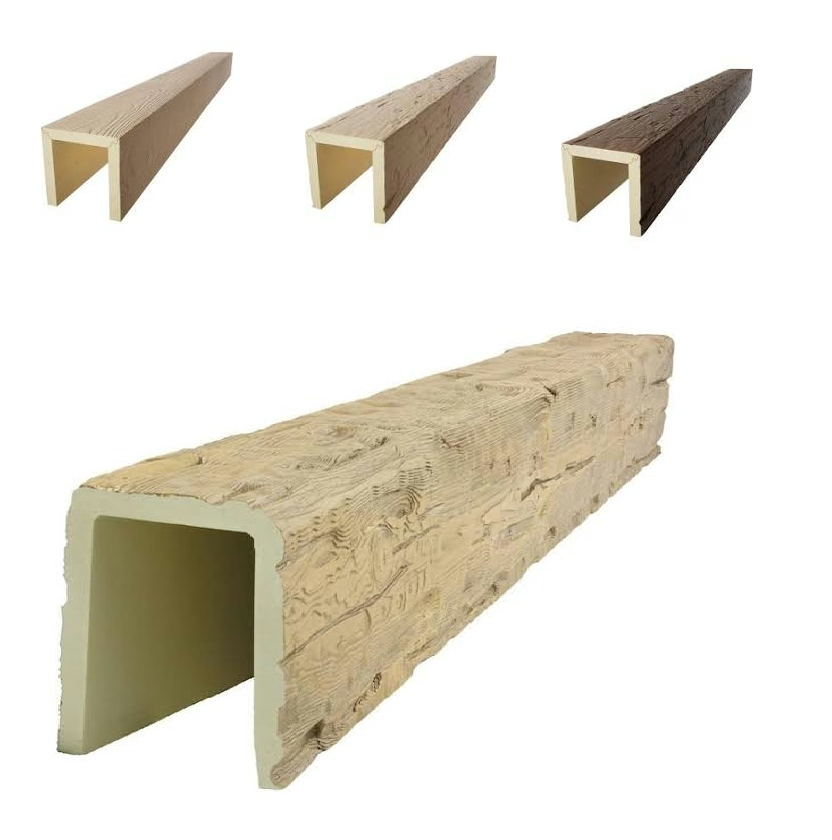
The specification of finish materials for architectural projects involves translation between abstract descriptions and concrete expectations. When stakeholders select beam finishes from catalogs, photographs, or digital displays, they necessarily rely on representation that may not accurately predict how products will appear in their actual applications. Mockup sample boards bridge this gap, providing physical reference points that enable confident decisions before production commitment.
Mockup sample boards typically display multiple elements that collectively communicate beam appearance and quality. Cross-sectional profiles show the three-dimensional geometry that distinguishes different beam shapes—rectangular, hand-hewn, coffered, or custom profiles. Surface samples display grain patterns, texture depth, and finish application quality. End cap treatments demonstrate how beam terminations appear when viewed from angles that expose the beam cross-section.
The end cap effect deserves particular attention in mockup evaluation. Unlike wall or floor surfaces where only the flat plane is visible, beams present visible ends where they terminate against walls, corners, or other beams. These end caps reveal the beam's internal structure—typically showing layered construction or solid core depending on manufacturing approach. Poor end cap treatment creates an obviously manufactured appearance that undermines the authentic timber look that most beam installations seek.
Quality mockup boards present end cap treatment alongside face and edge surfaces, enabling evaluation of how these different views relate. The best products achieve end caps that integrate seamlessly with surrounding surfaces, maintaining consistent appearance across all visible faces. Products with obvious seams or color variation between faces and ends fail to achieve the authentic appearance that justifies faux beam investment.
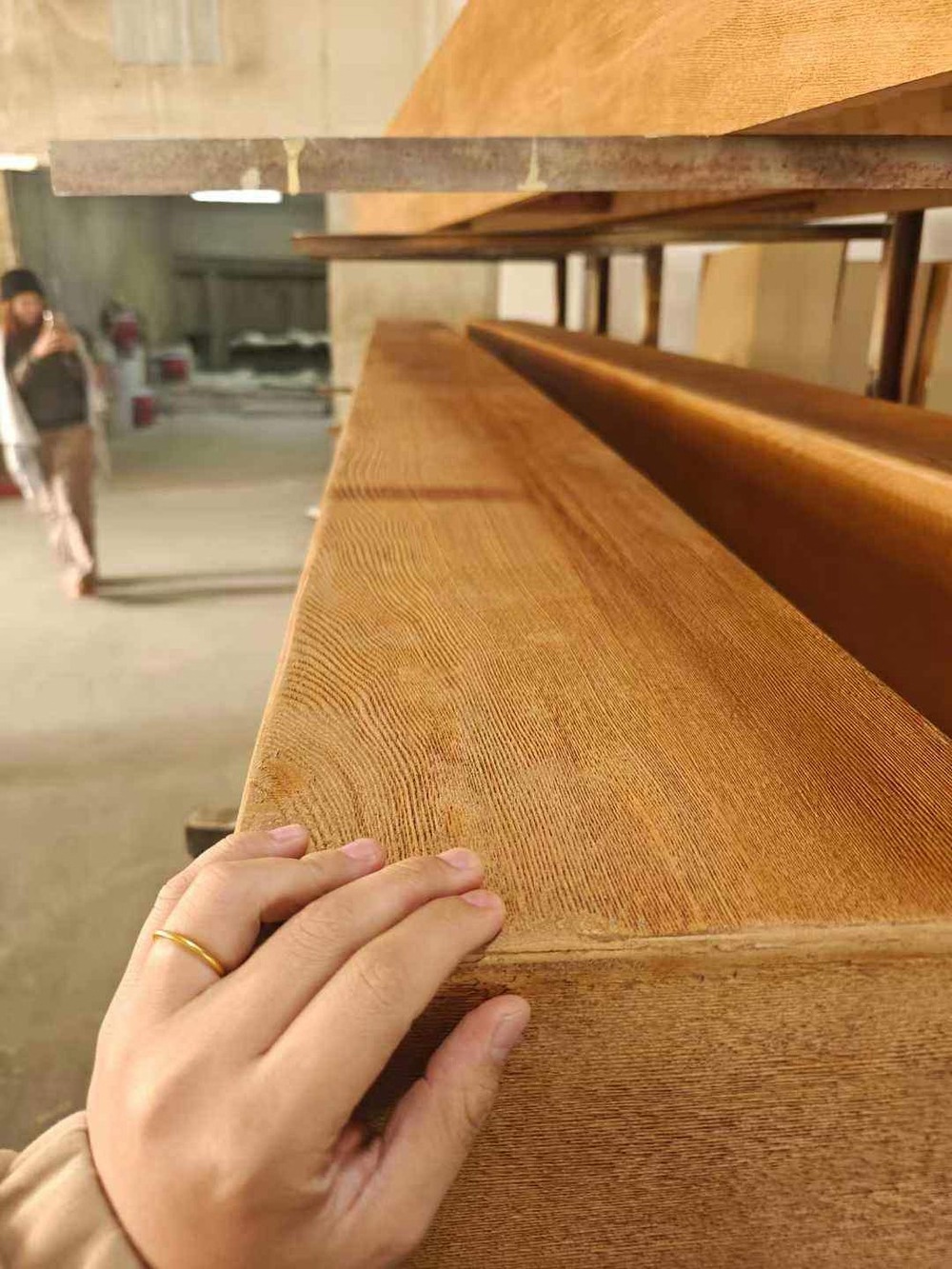
Grain pattern evaluation benefits from viewing larger surface areas than small swatches provide. The rhythm and repetition of manufactured grain patterns becomes apparent only when viewing substantial surfaces. Sample boards should include enough surface area to reveal whether grain patterns feel natural or mechanically repetitive. Natural variation that mimics authentic timber indicates quality manufacturing; obvious repetition signals inadequate process control.
Color consistency across sample board surfaces indicates manufacturing quality that translates to production runs. Uneven color application, visible spray patterns, or inconsistent coverage suggest production processes that may not maintain quality across full project quantities. Sample boards demonstrating consistent, uniform color application provide reasonable assurance that ordered products will match.
Texture depth and distribution affect both appearance and practical performance. Heavy-handed texturing that appears dramatic in photographs may feel rough to touch and collect dust excessively in service. Lighter textures provide subtle visual interest without these practical drawbacks. The tactile evaluation that sample boards enable reveals texture qualities that visual inspection alone cannot capture.
The relationship between different beam components requires attention in mockup evaluation. Multi-piece beams—where separate parts assemble to create complete profiles—should demonstrate seamless integration between components. Visible seams, alignment discrepancies, or color mismatches between pieces indicate quality control issues that affect finished installation appearance.
Mounting and attachment details appear on comprehensive sample boards, demonstrating how beams attach to substrates and how connections between beam segments work. These details affect installation practicality and finished appearance at joints and transitions. Understanding attachment systems from sample boards enables accurate assessment of installation requirements and potential challenges.
Environmental conditioning of sample boards affects how accurately they represent production products. Samples that have aged naturally demonstrate how finishes respond to UV exposure, temperature cycling, and humidity variation. New samples may appear more vivid than products will appear after installation weathering. Considering both new and aged sample conditions provides more complete understanding of expected long-term appearance.
Scale relationships between sample elements and intended installations merit consideration during evaluation. Small samples may not convey the full visual impact that large beam installations produce. Texture that reads dramatically on small samples may overwhelm in full-scale installations. Conversely, texture barely visible on samples might create adequate visual interest at full scale. Calibrating expectations for scale effects prevents specification decisions that disappoint.
The comparison process benefits from direct evaluation of multiple options side-by-side. When sample boards representing different finishes, profiles, or manufacturers are viewed together, their relative qualities become apparent. Preferences that seem clear when evaluating samples individually may shift when comparison reveals differences that isolated evaluation misses. This comparative approach produces more robust specifications that will satisfy through installation completion.
Documentation of sample approval protects both specifiers and manufacturers from later disputes. Recording which samples were approved, when, and by whom creates reference points for order verification and quality confirmation. This documentation proves valuable if questions arise about whether specific products match approved specifications.
Photographic documentation supplements physical sample retention, preserving visual reference even if physical samples are lost or damaged. Photographs taken under controlled conditions—consistent lighting, neutral backgrounds—provide reliable reference that spontaneous documentation cannot match. These reference images support communication with manufacturers, suppliers, and installation teams throughout project execution.
The durability of sample boards during evaluation affects their usefulness as reference standards. Fragile samples that chip, scratch, or fade during handling provide diminishing reference value as evaluation proceeds. Robust samples that maintain appearance through repeated handling remain useful throughout extended projects where specifications may be revisited multiple times.
Sample board interpretation should account for the viewing conditions that will differ between evaluation and installation contexts. Showroom lighting differs from installation space lighting. Horizontal display orientation differs from vertical installation appearance. Reflection and shadow characteristics vary with viewing angle. Understanding these differences enables appropriate calibration of sample observations to expected installation conditions.
The approval process for mockup sample boards should involve all stakeholders who will contribute to final acceptance decisions. Designers, property owners, and installation contractors may have different priorities that sample evaluation reveals. Early identification of concerns enables resolution before production commitment, preventing delays and cost impacts that late-identified issues might otherwise cause.
Production Verification Through Sample Comparison
Delivery inspection should include comparison between received products and approved mockup samples. This verification confirms that production maintains the quality that samples represented. Any deviation from approved samples—color differences, texture variation, dimensional discrepancy—warrants investigation and potentially rejection until issues resolve.
Systematic inspection procedures ensure thorough evaluation without overlooking potential issues. Sampling plans that specify which products to inspect and what characteristics to evaluate create consistent processes that reduce inspection variability. Documentation of inspection results supports quality improvement and provides evidence for any claims that might later prove necessary.
Long-Term Sample Retention
Retaining approved samples throughout installation provides reference for quality verification at each project phase. Samples that remain available during installation enable spot-checking that products continue matching specifications. This ongoing verification prevents accumulated drift that might produce final installations diverging significantly from approved mockup appearance.
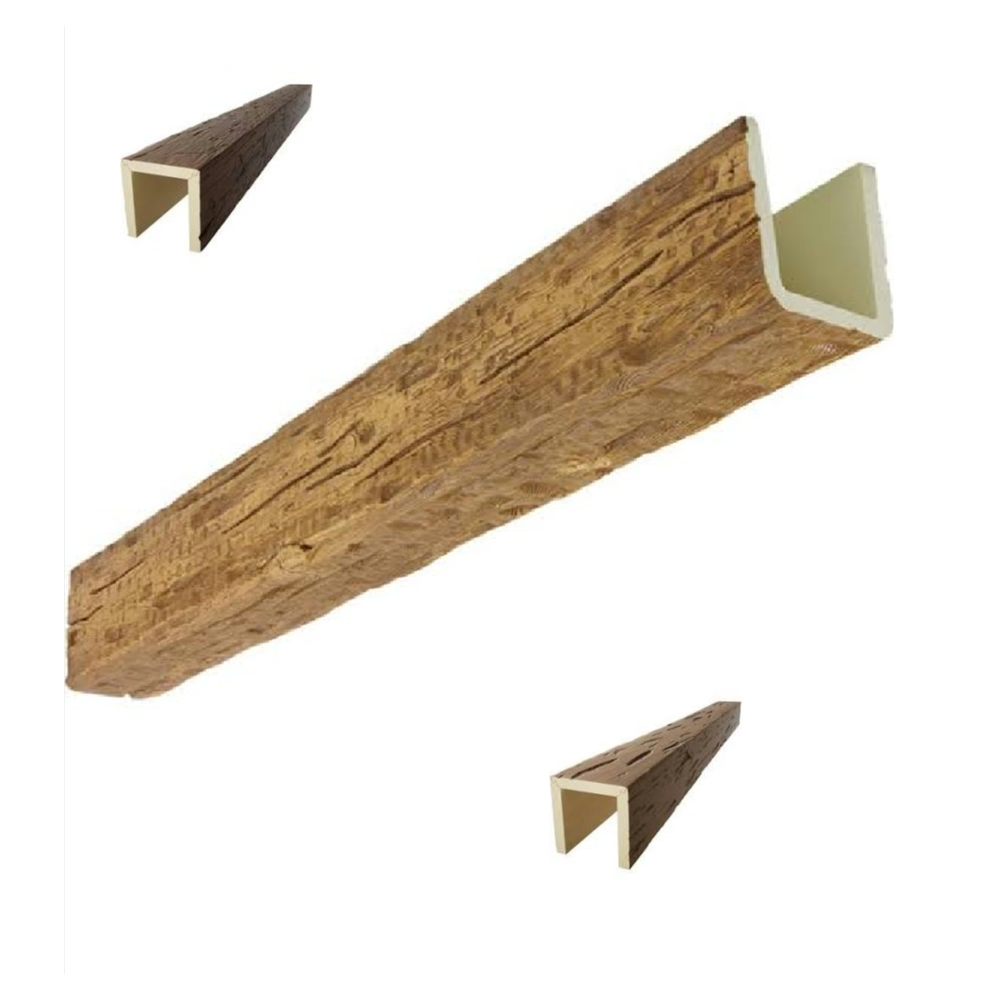
Technical References
ASTM standards cited in every specification
Test Data
Lab results from internal testing program
Updated 2026
Reviewed against current product specs