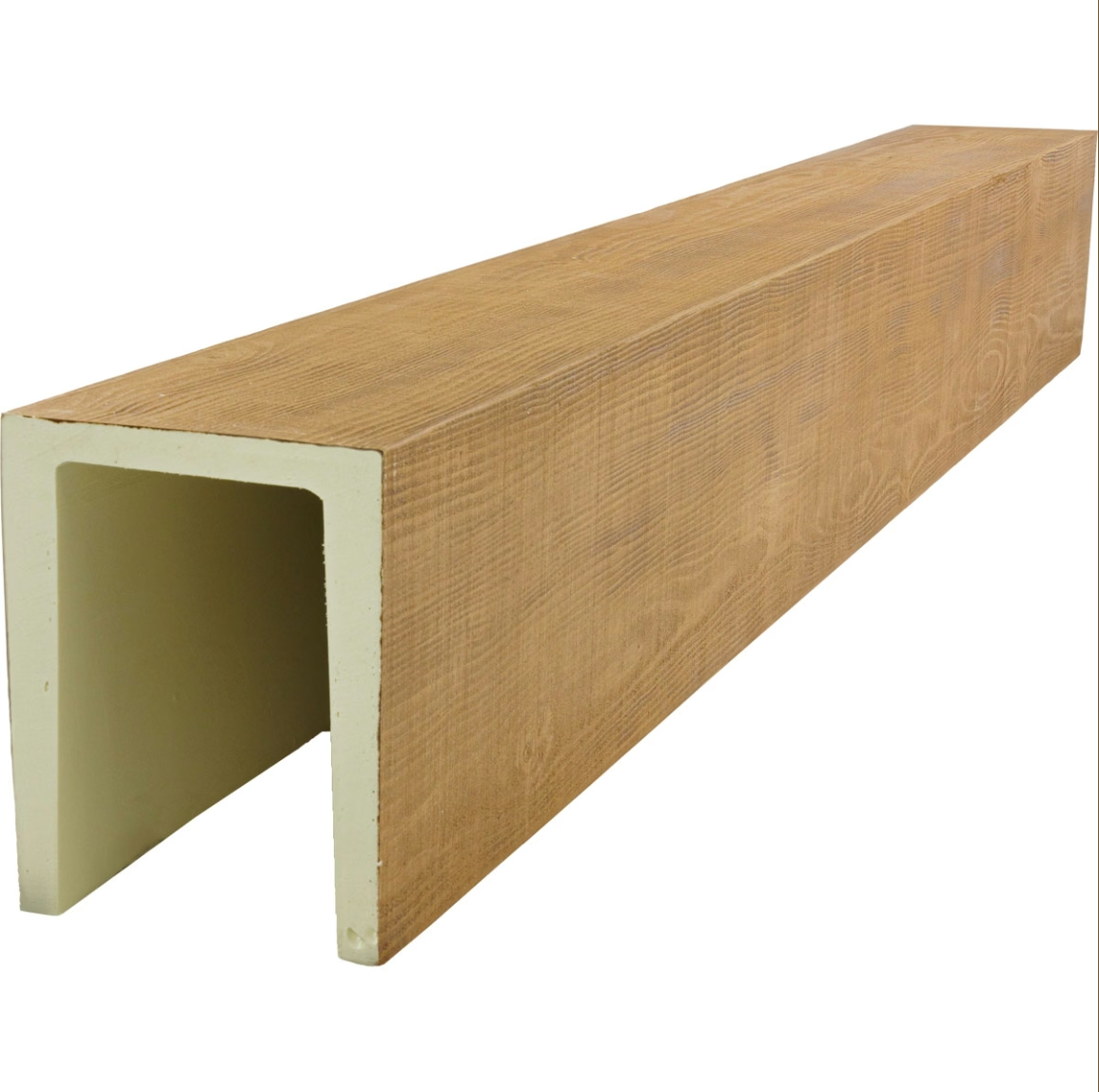
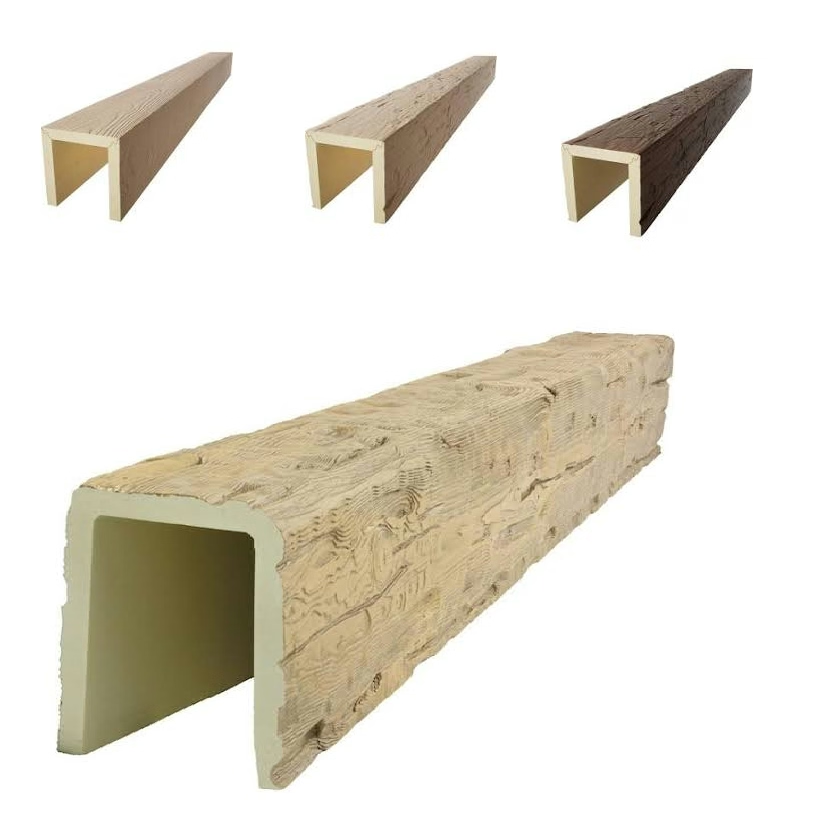
The world of interior design has shifted dramatically over the past two decades, and nowhere is this more evident than in the treatment of ceilings. What was once considered an afterthought—a flat expanse of drywall to be painted white and forgotten—has become a canvas for texture, warmth, and architectural drama. At the center of this transformation is the PU resin cast system for decorative ceiling beams, a manufacturing approach that has fundamentally changed how designers, builders, and homeowners approach ceiling decoration.
Understanding the PU Resin Cast System
Polyurethane resin casting is a specialized manufacturing process that produces architectural moldings, trim pieces, and faux structural elements with remarkable precision. The system relies on a two-component liquid polyurethane resin that, when mixed in precise ratios and poured into carefully crafted molds, cures into a solid, dimensionally stable material capable of faithfully reproducing the most intricate surface details.
The process begins with the creation of master patterns—typically carved from hardwood or machined from engineering plastics—that capture every nuance of the desired wood grain, knot pattern, and surface texture. These master patterns are then used to produce silicone rubber molds capable of withstanding the exothermic reaction of the curing resin while maintaining the fine detail of the original pattern. The resulting polyurethane parts can be produced at scale with consistency that natural timber simply cannot match.
What makes this system particularly valuable for ceiling beam applications is the material's favorable strength-to-weight ratio. Cured polyurethane resin used in architectural applications typically densities between 200 and 400 kilograms per cubic meter—roughly one-tenth the density of natural hardwood. This means a 3-meter decorative beam that would weigh 80 kilograms in solid oak can be produced in polyurethane at just 8 to 12 kilograms. The implications for installation are profound: lighter beams reduce structural loading, simplify handling, and allow mounting methods that would be impossible with traditional timber.
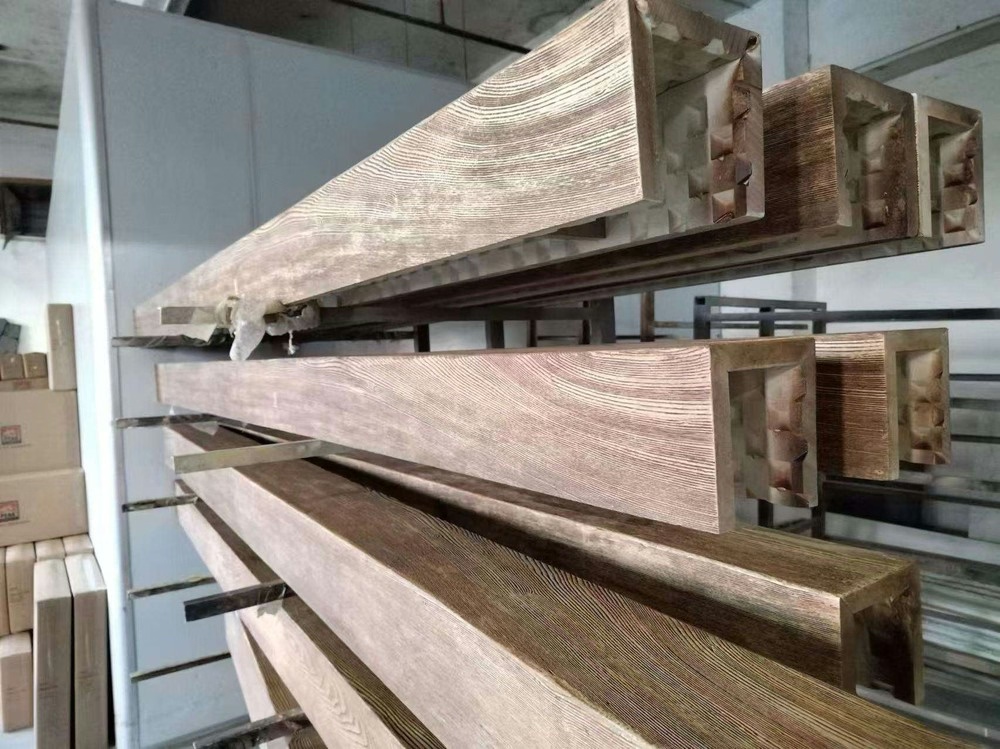
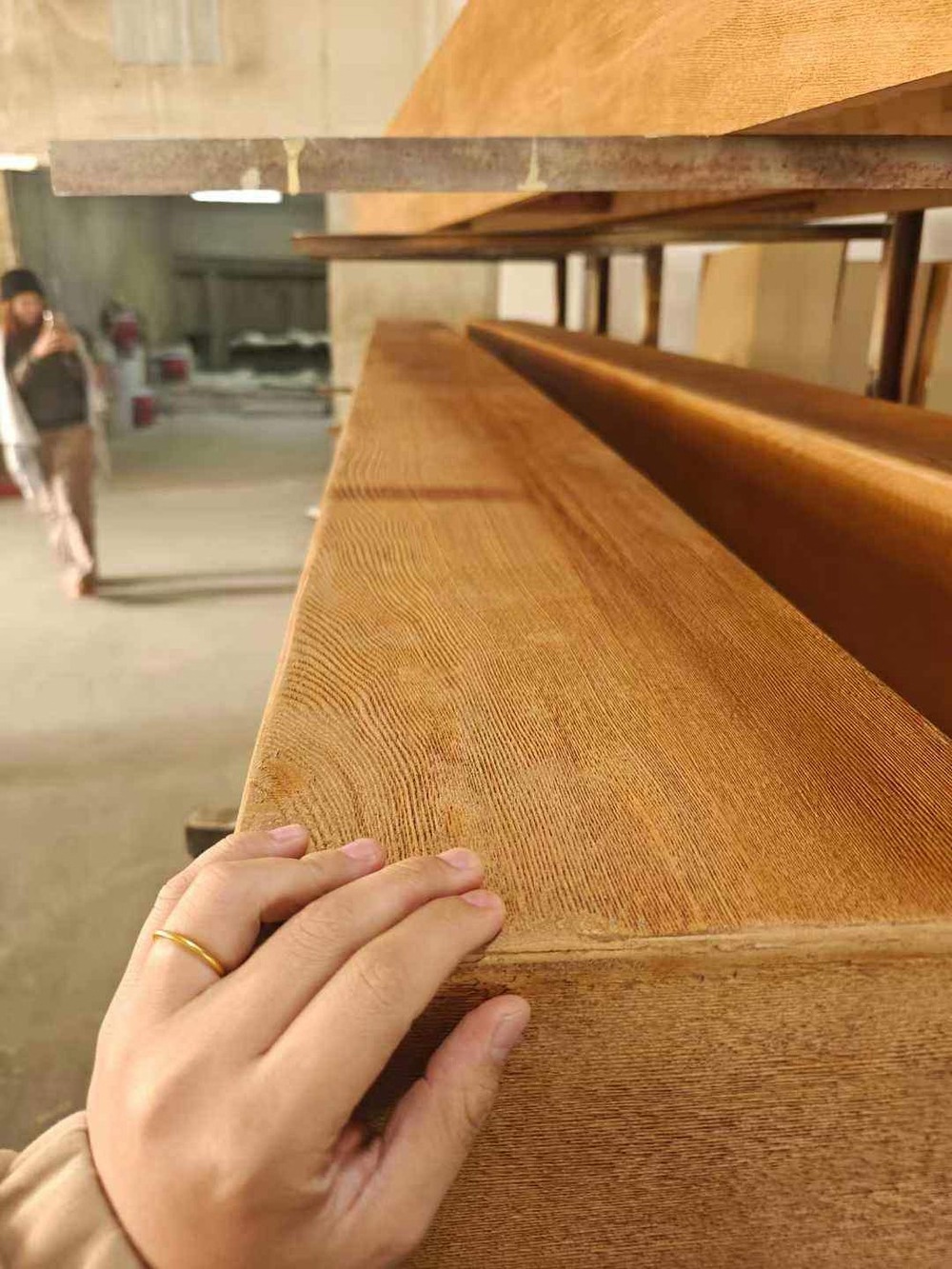
The chemical composition of the resin system also provides inherent moisture resistance. Unlike natural wood, which absorbs water and is susceptible to rot, warping, and insect damage, cured polyurethane does not absorb moisture. This characteristic expands the range of environments where these beams can be used, from climate-controlled interior spaces to covered exterior applications where the beams are exposed to ambient humidity but shielded from direct rainfall.
Key Components of a Complete Cast System
A fully equipped PU resin cast system for architectural beam production includes several essential components that work together to ensure consistent quality and efficient output. Understanding these elements helps manufacturers, contractors, and project specifiers appreciate what goes into producing a premium faux wood beam.
The resin formulation itself is the foundation. Most architectural PU casting systems use a prepolymer based on methylene diphenyl diisocyanate (MDI) combined with a polyol blend and proprietary additives. The ratio of isocyanate to polyol determines the final material's hardness, flexibility, and density. For ceiling beam applications, formulations that produce a semi-rigid foam with a density around 280 to 350 kg/m³ strike the ideal balance between surface detail reproduction and structural integrity.
Mold materials represent the second critical component. Platinum-cure silicone rubber is the preferred choice for high-detail architectural casting due to its excellent release properties, tear resistance, and dimensional stability across multiple pour cycles. A well-maintained silicone mold can produce hundreds of identical parts before requiring replacement, making the per-part mold cost highly favorable at production scale.
The release agent system ensures clean part extraction without damaging either the mold or the cast piece. Modern水性 release agents provide excellent release properties while being safer to apply than solvent-based alternatives. The release agent must be applied uniformly and allowed to flash dry before each pour to achieve consistent demolding.
Catalyst and pigment systems round out the core materials. Colorants can be introduced at the mixing stage to produce through-colored parts, or the cured surface can be finished post-molding with stains, paints, or protective coatings. For faux wood beams, the finishing process typically involves multi-stage painting to build up grain patterns, knot details, and surface color gradients that convincingly replicate specific wood species.
Design Flexibility and Aesthetic Options
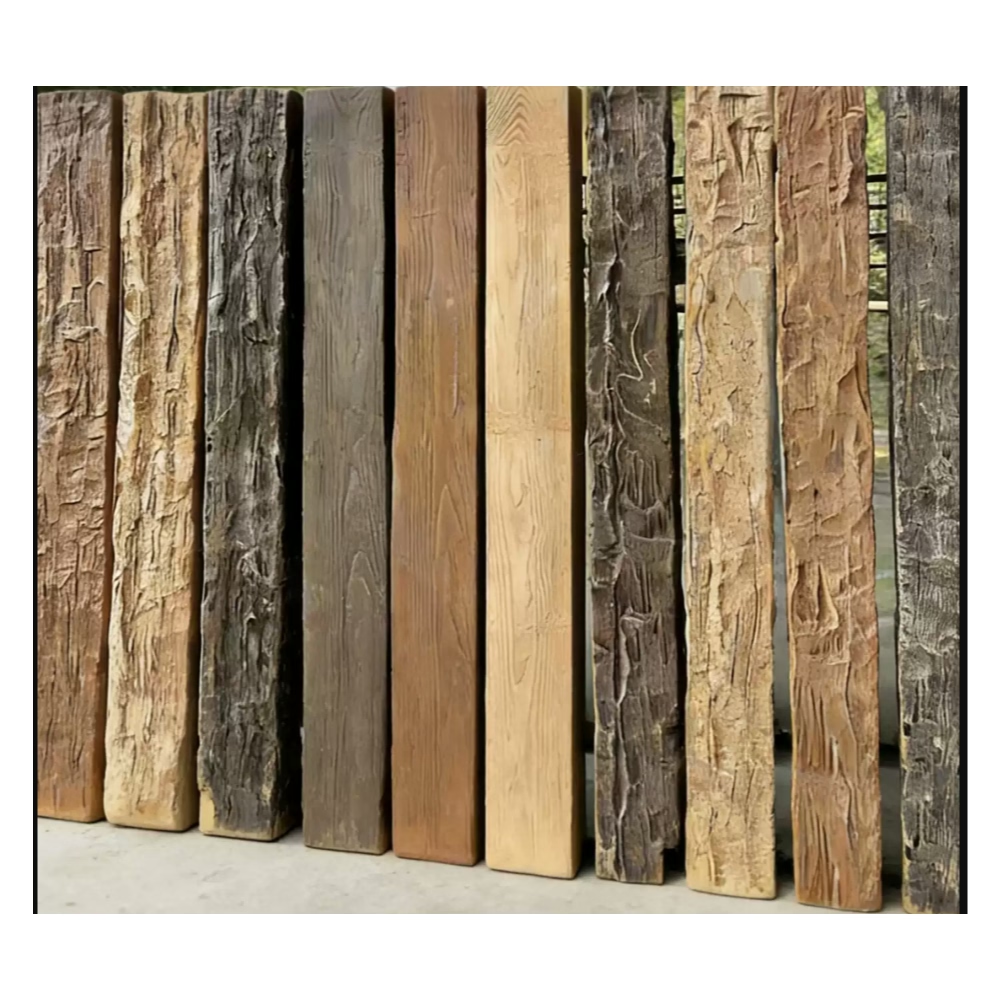
The PU resin cast system unlocks design possibilities that would be impractical or impossible with natural timber or even traditional woodworking methods. Because the mold captures every detail of the master pattern, beams can feature deeply pronounced grain textures, sharp arrises, complex profile geometries, and decorative embellishments that would require hours of hand carving in wood.
Beam profiles can be specified to match historical architectural styles—the heavy, rough-hewn aesthetics of rustic farmhouse beams, the refined proportions of Craftsman-era timbers, or the elegant taper and chamfered edges of contemporary minimalist designs. A single production mold can generate thousands of identical beams, ensuring uniformity across large commercial installations where visual consistency is critical.
Surface texturing options are equally broad. The master pattern determines the base texture—smooth planed, hand-scraped, wire-brushed, or deeply sculpted—and this texture is faithfully reproduced in every cast piece. Wire-brushed finishes, which reveal a subtly eroded surface pattern in natural wood, translate particularly well to the casting process since the silicone mold accurately captures even the finest scratches and grooves.
For projects requiring fire-rated materials, intumescent coatings can be applied to the cured beam surface to meet building code requirements for interior ceiling applications. These coatings expand when exposed to heat, forming a protective char layer that slows flame spread. Many PU resin beam manufacturers offer products with tested fire ratings, and specifiers should confirm compliance with local building codes before specifying materials.
Installation Methods for Cast PU Ceiling Beams
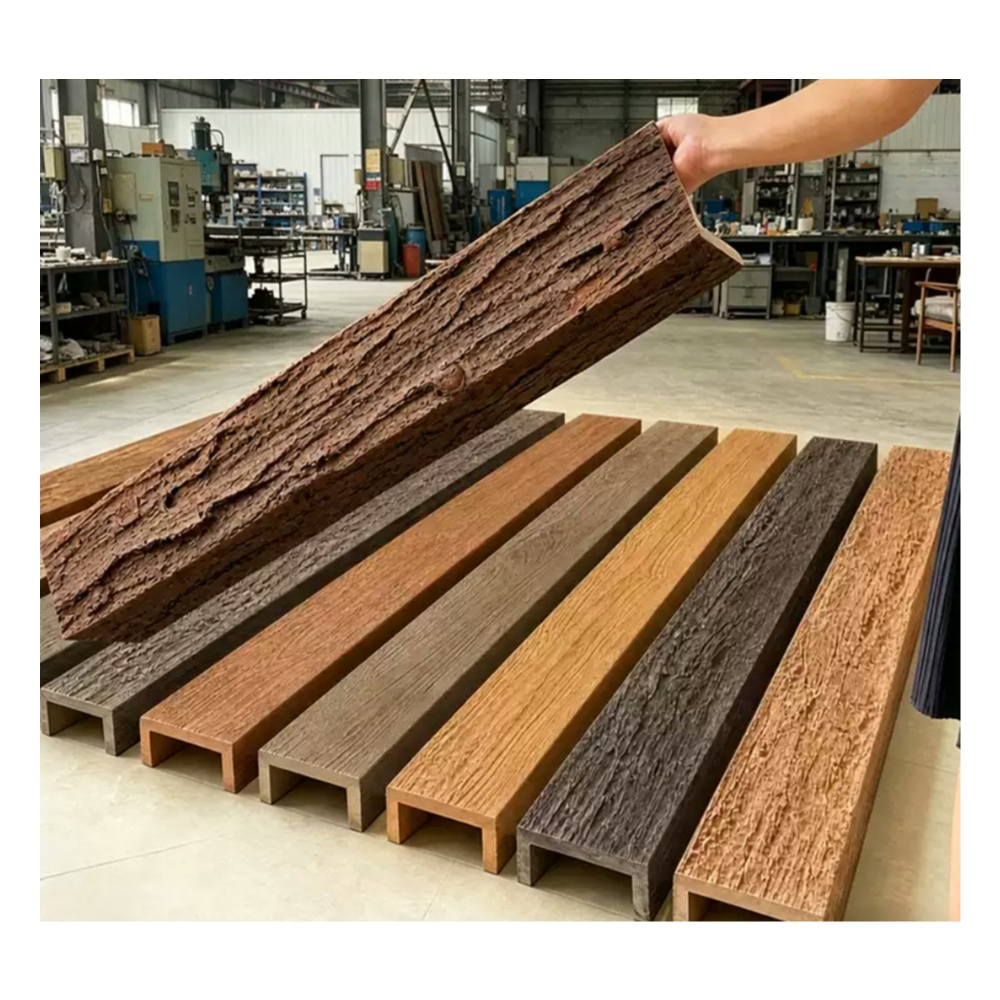
Installing polyurethane cast beams differs substantially from installing structural timber. The lightweight nature of the material means that mechanical fastening to ceiling structures can often be accomplished with fewer attachment points than would be required for a real beam of equivalent size. However, the hollow construction of most faux beams also means that attachment hardware must be properly distributed to prevent localized stress concentrations.
The most common installation approach involves a combination of wooden mounting blocks or ledger boards affixed to the ceiling structure and mechanical fasteners that secure the beam from within. The beam is typically supplied as hollow sections that can be fitted over the mounting hardware, with the fastener heads concealed by decorative trim pieces, end caps, or paint finishing. This approach produces clean sight lines with no visible hardware.
For suspended ceiling installations, specialized bracket systems allow beams to be hung from overhead structural elements using aircraft cable or threaded rod. The hanging system is designed so that the attachment hardware is hidden within the beam's interior cavity or behind decorative plates, preserving the appearance of a beam that appears to rest directly on the ceiling plane.
Adhesive bonding can supplement mechanical fastening, particularly for beams installed against flat ceiling surfaces where the contact area is large. Construction-grade polyurethane adhesive applied in a continuous bead along the mounting surface provides additional shear resistance and helps distribute loads evenly. The adhesive must be compatible with both the beam material and the ceiling substrate—typically drywall, plaster, or wood.
Choosing a System for Your Project
Whether you are a manufacturer evaluating production equipment, a contractor selecting materials for a commercial installation, or a designer specifying products for a high-end residential project, understanding the fundamentals of the PU resin cast system helps you make informed decisions.
For manufacturers entering the market, entry-level casting systems are available that combine resin supplies, basic molds, and mixing equipment into starter packages suitable for producing sample quantities and small production runs. As demand grows, investment in dedicated mixing equipment, climate-controlled curing spaces, and automated finishing systems can increase throughput while maintaining quality consistency.
For contractors and specifiers, the key considerations when selecting PU cast beams include the manufacturer's quality control processes, the specific density and material formulation used, the availability of tested fire ratings, and the range of available profiles and finishes. Requesting physical samples before committing to a large order allows you to evaluate surface quality, color accuracy, and physical characteristics firsthand.
The PU resin cast system represents one of the most versatile and cost-effective approaches to producing decorative ceiling beams that combine the aesthetic warmth of natural wood with the practical advantages of modern polymer technology. By understanding how the system works and what it can produce, architects and designers can specify these elements with confidence, and contractors can install them efficiently to deliver results that meet the highest standards of visual quality and structural performance.
Technical References
ASTM standards cited in every specification
Test Data
Lab results from internal testing program
Updated 2026
Reviewed against current product specs