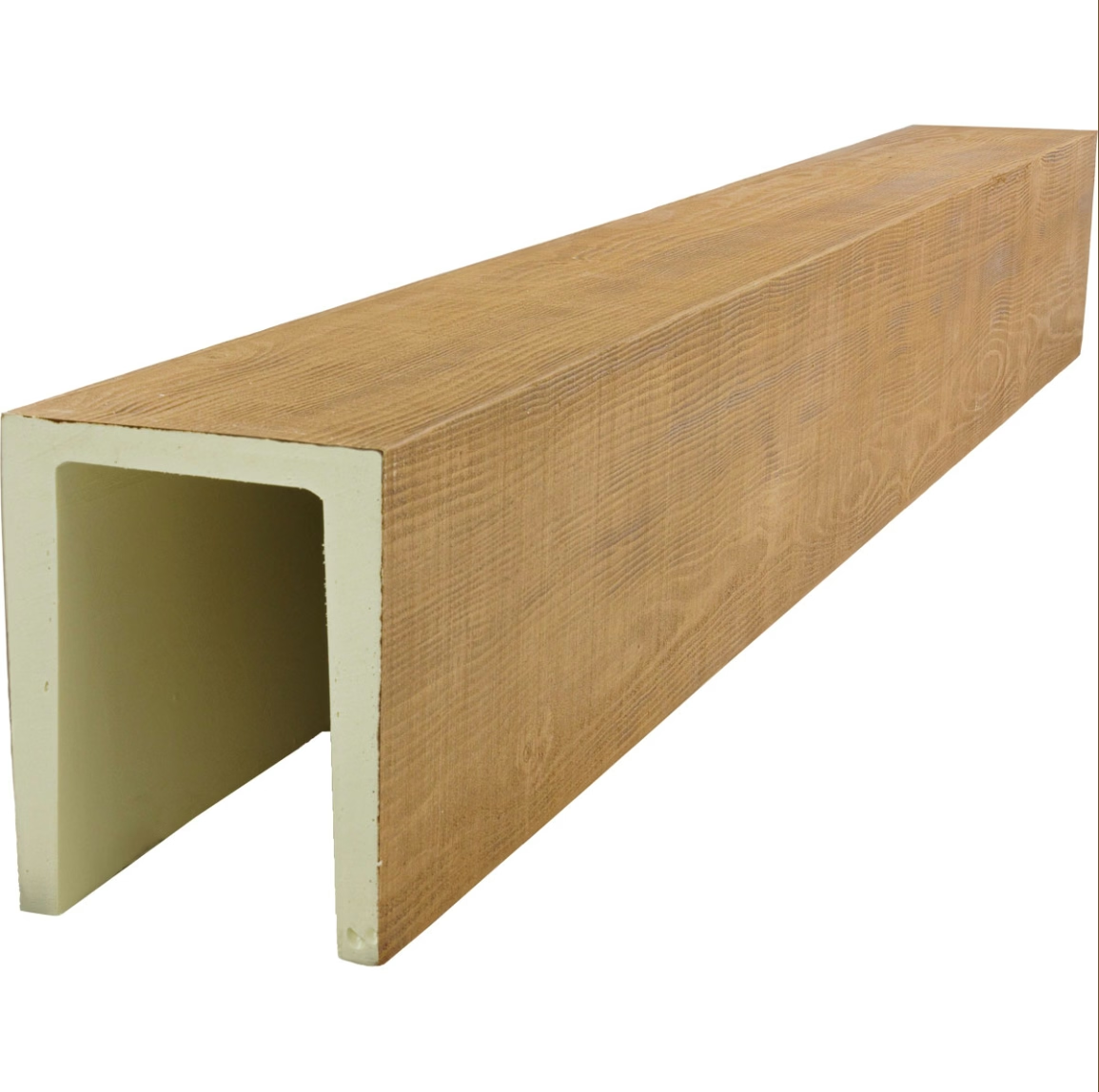
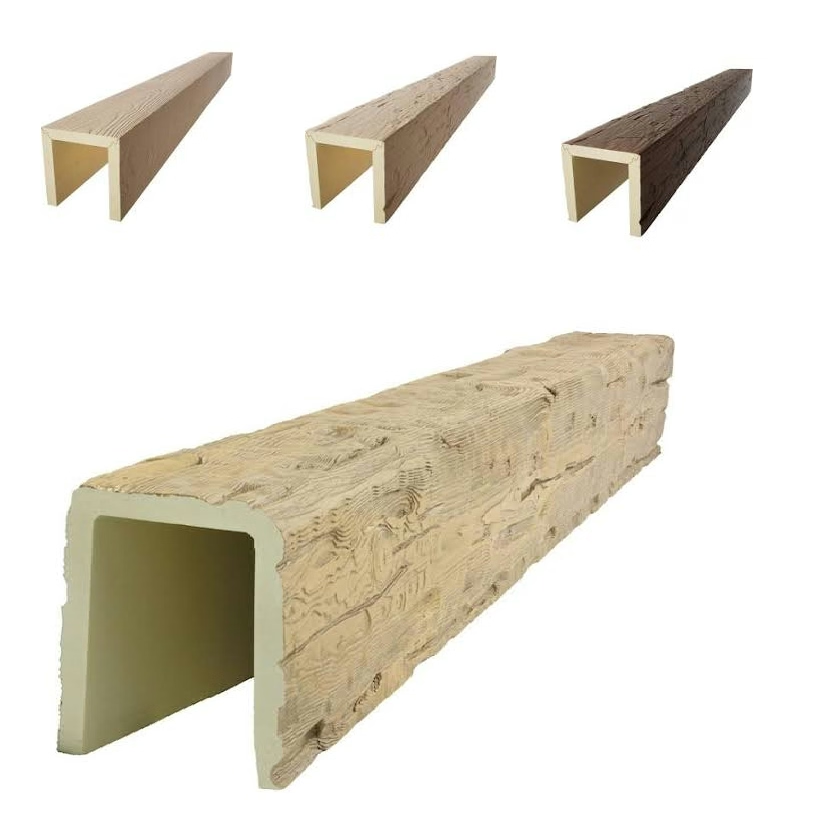
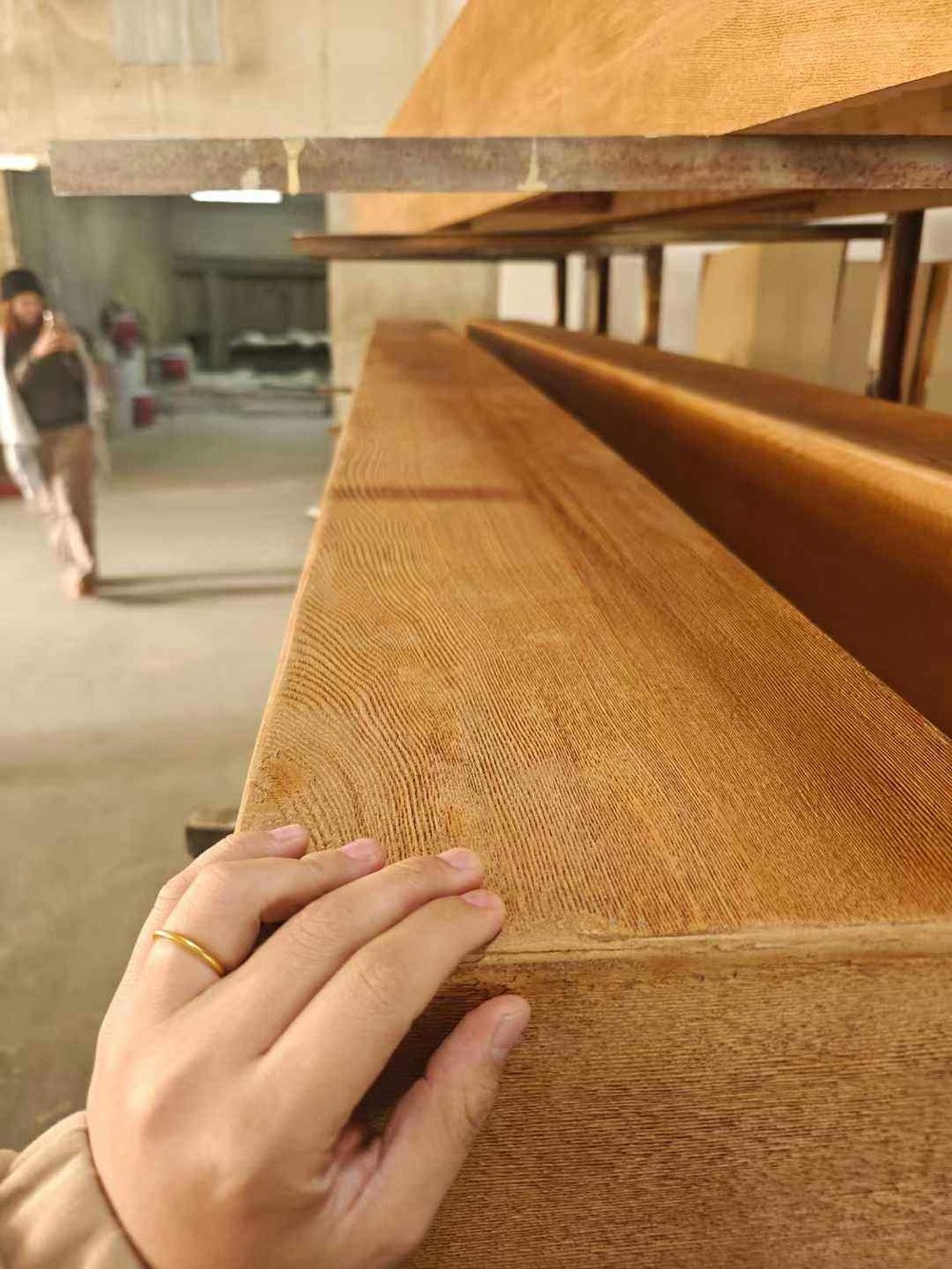
Radiant ceiling heating systems create comfortable, efficient warmth by circulating heated fluid through tubes mounted behind ceiling surfaces. The gentle, even heating they provide has made them increasingly popular in both residential and commercial applications. However, the continuous thermal exposure these systems create presents challenges for ceiling materials that were not designed with radiant heat in mind. Standard polyurethane products may not perform adequately in these conditions, leading to our development of radiant heat compatible formulations specifically engineered for heated ceiling applications.
The technical requirements for radiant heat compatibility extend beyond basic thermal resistance. The sustained low-level heat exposure differs from the brief high-temperature events that standard testing addresses. Additionally, the thermal gradient through beam thickness creates internal stresses that could cause delamination or distortion in materials not designed for these conditions. Our radiant heat compatible products address these specific challenges through formulation and construction refinements.
Thermal Performance Requirements
Temperature resistance specifications for radiant heat applications must account for the actual conditions beams will encounter rather than theoretical worst cases. Radiant heating systems typically maintain surface temperatures in the 85-120°F range, significantly lower than the temperatures that cause immediate damage to most materials. However, sustained exposure to these temperatures can degrade materials that lack appropriate thermal stability. Our radiant heat compatible formulations maintain integrity at temperatures substantially exceeding typical operating conditions.
Heat dissipation considerations affect how beams perform when mounted over radiant heating systems. The airflow space between heating tubes and beam backing influences thermal transfer rates, with tighter spacing creating higher localized temperatures. Our specification guidance addresses spacing requirements that ensure beam temperatures remain within acceptable ranges regardless of system configuration.
Thermal expansion effects in radiant heat environments differ from those in conventionally heated spaces. The gradual, even heating creates different expansion patterns than the rapid temperature swings encountered at exterior walls or near heating vents. Radiant heat compatible formulations have been selected for minimal expansion coefficients that prevent dimensional changes large enough to affect appearance or attachment integrity.
Long-term thermal aging represents the most significant concern for materials in heated ceiling applications. Even when temperatures remain below damage thresholds, sustained thermal exposure can degrade polymers over time, leading to embrittlement, discoloration, or surface degradation. Our accelerated aging testing simulates years of thermal exposure in compressed timeframes, validating that radiant heat compatible products maintain performance throughout expected service life.

Formulation and Construction Differences
Enhanced thermal stabilizers incorporated into radiant heat compatible formulations provide protection against the long-term degradation that affects standard products. These additives absorb and dissipate thermal energy that would otherwise break down polymer chains, maintaining material integrity despite continuous exposure. The stabilizer package represents a significant formulation investment that justifies the premium pricing of radiant heat compatible products.
Core density optimization addresses the specific structural demands of heated ceiling applications. Higher density formulations provide improved thermal mass that moderates temperature fluctuations, reducing peak temperatures during system operation. This density also improves impact resistance that might be compromised by thermal cycling in standard products.
Finish systems for radiant heat applications incorporate heat-resistant topcoats that maintain appearance despite continuous thermal exposure. Standard finishes may discolor or degrade when subjected to the temperatures encountered in heated ceiling installations. Our radiant heat finish formulations have been tested at elevated temperatures to confirm that appearance remains acceptable throughout product service life.
Bond integrity between layers receives particular attention in radiant heat compatible construction. Multi-layer beams feature enhanced adhesive systems that maintain bond strength despite thermal exposure that might degrade standard adhesives. This construction discipline ensures that beams remain structurally unified despite the continuous heating that characterizes radiant ceiling systems.
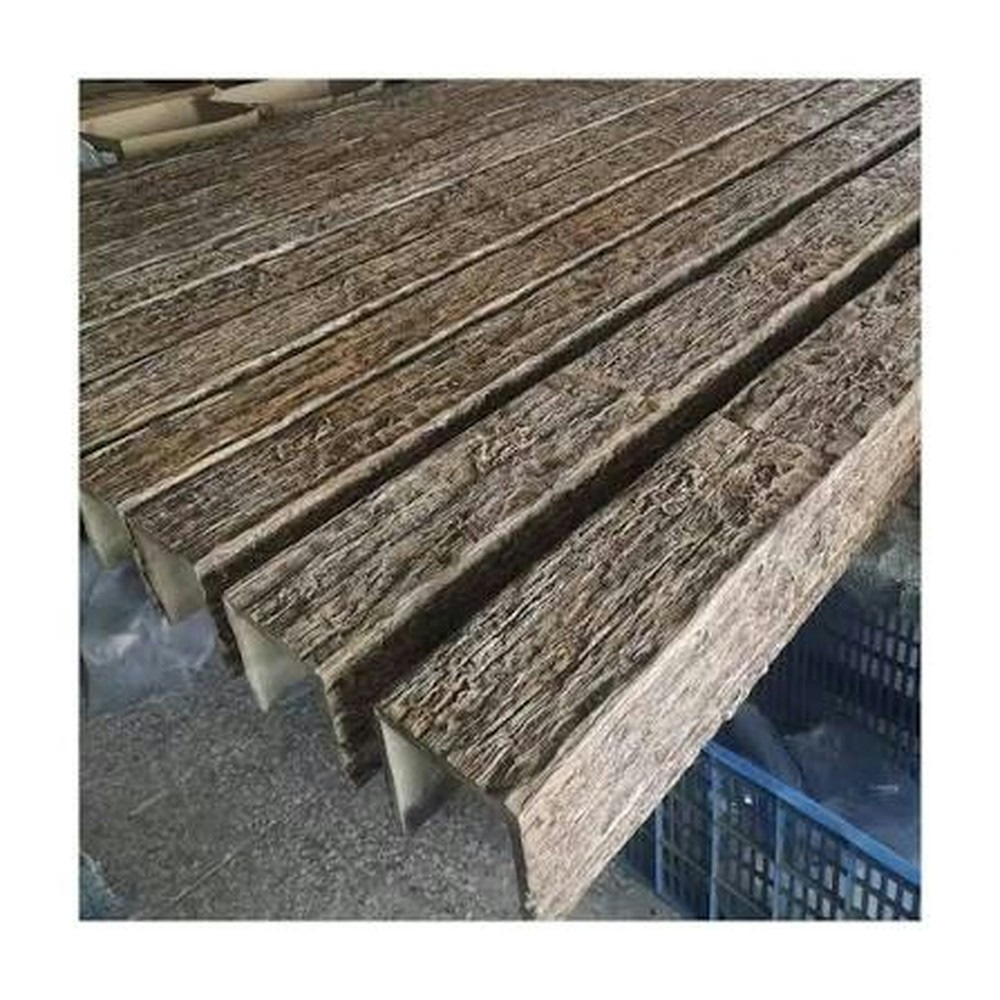
Installation Considerations for Heated Ceilings
System coordination between beam installer and radiant heating contractor ensures that both systems are designed for compatibility. Heating tube spacing, temperature settings, and control algorithms all affect the thermal environment that beams will experience. Early coordination prevents problems that might result from incompatible system specifications.
Clearance requirements between heating tubes and beam mounting surfaces ensure adequate thermal dissipation. Specifications for radiant heat compatible beams include minimum clearance requirements based on system operating temperatures and beam thermal ratings. Following these requirements maintains beam temperatures within acceptable ranges regardless of system operating conditions.
Temperature monitoring during system startup provides verification that actual operating conditions match design assumptions. Sensors positioned near beam installations record temperatures throughout the heating season, confirming that peak temperatures remain within specified limits. Any readings approaching limits should trigger investigation and potential system adjustment.
Long-term monitoring recommendations address the reality that system conditions may change over time. Regular temperature verification ensures continued compatibility as heating systems age and control settings are adjusted. This monitoring investment protects the beam installation by identifying thermal conditions that might compromise long-term performance.
The availability of radiant heat compatible polyurethane faux timber beams expands the design possibilities for heated ceiling applications. Projects can now incorporate the warmth and character of timber beam aesthetics without compromising the performance of radiant heating systems. This compatibility represents another example of how engineering innovation extends the applicability of polyurethane beam technology into applications that were previously impractical.

Technical References
ASTM standards cited in every specification
Test Data
Lab results from internal testing program
Updated 2026
Reviewed against current product specs