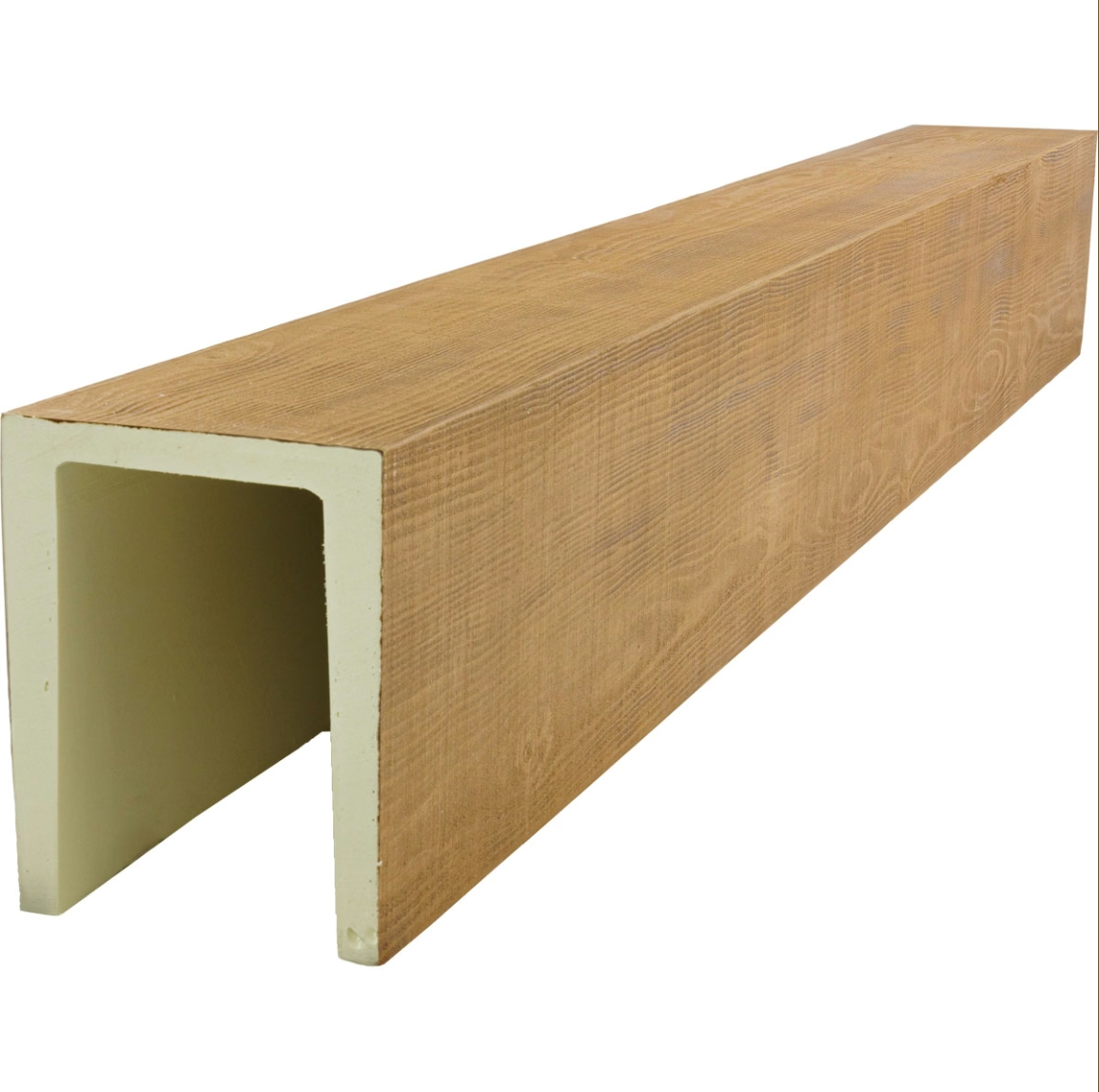
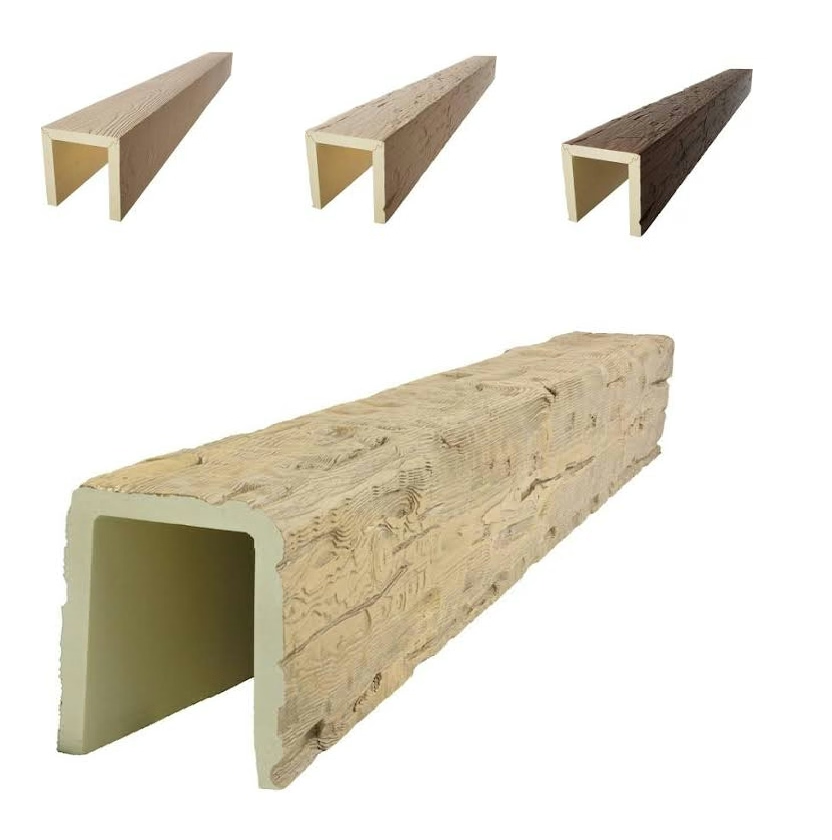
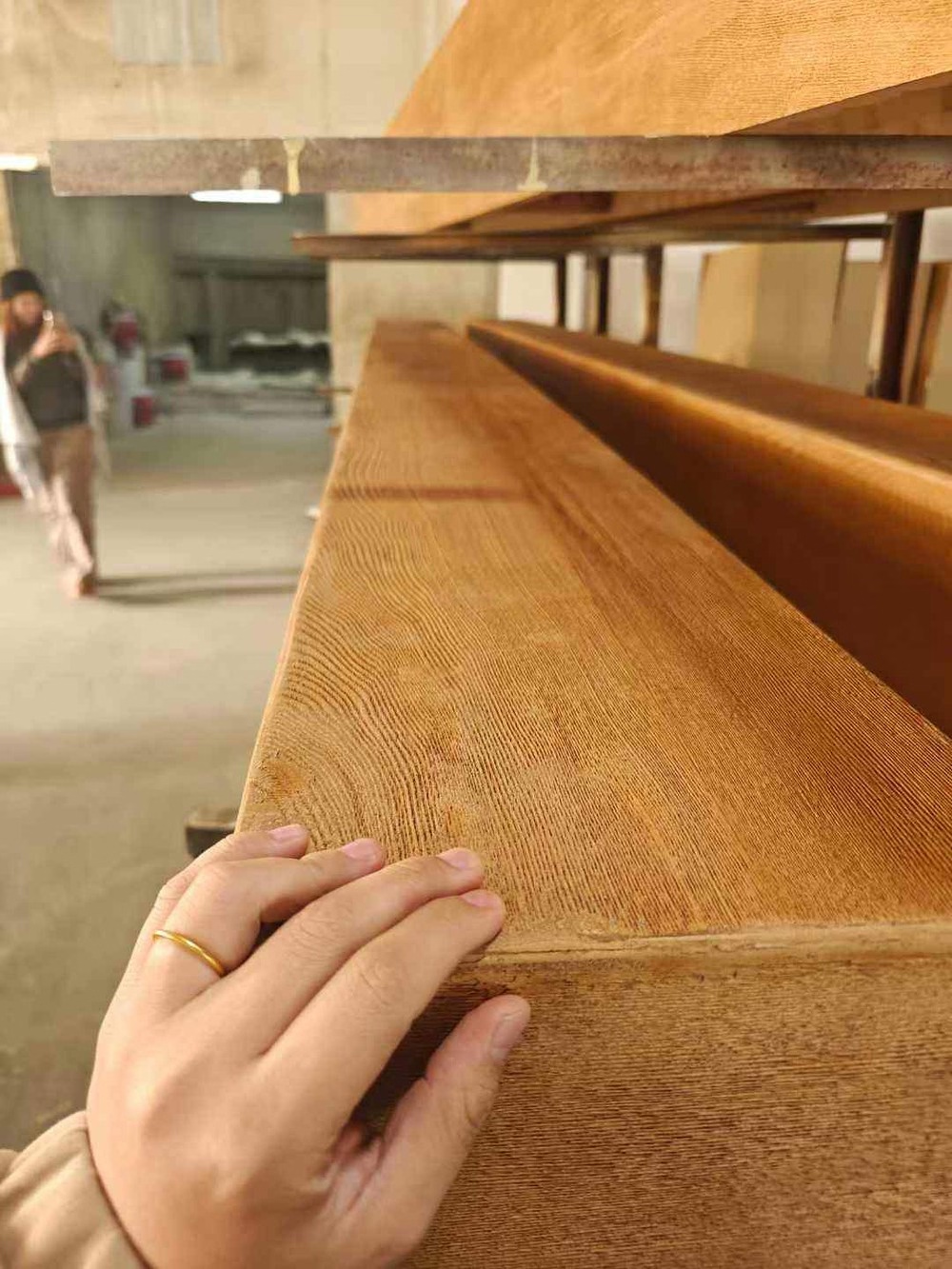
The quest for authenticity in faux timber has driven manufacturing innovation toward increasingly sophisticated techniques. Among these, real-wood molding represents a significant advancement—using genuine timber samples as the basis for mold creation. This approach captures organic characteristics that purely synthetic reproduction cannot achieve, resulting in beams of exceptional visual accuracy.
Understanding the real-wood molding process reveals why these products achieve such convincing results. The technique leverages authentic timber's natural complexity rather than attempting to recreate it artificially. Each mold becomes a faithful negative of actual wood, preserving details at scales from visible grain to microscopic texture.

The Real-Wood Molding Process
The process begins with timber sample selection—choosing representative examples of target species and visual characteristics. Manufacturers examine numerous samples to identify those embodying ideal grain patterns, color distribution, and surface qualities. These selected samples become the reference originals for mold creation.
Silicone rubber compounds capture the timber's surface in minute detail. The rubber cures around the sample, creating a flexible negative that preserves every scratch, dent, and grain variation. This faithful reproduction becomes the template for subsequent polyurethane casting.
Polyurethane casting fills the mold cavities, assuming the exact surface characteristics of the original timber. Modern formulations ensure faithful detail capture while providing the durability and handling properties that genuine timber lacks. The resulting beams appear virtually identical to the originals that inspired them.
Capturing Authentic Characteristics
Genuine timber exhibits characteristics that resist artificial reproduction. Growth rings create depth and dimension that flat color cannot convey. Medullary rays produce the distinctive figure found in quarter-sawn oak. Knots and abnormalities contribute authentic character that synthetic patterns struggle to replicate naturally.
The real-wood molding process captures these characteristics automatically. Each natural variation transfers perfectly to the resulting faux beam without interpretation or artistic license. The authenticity emerges from faithful reproduction rather than skilled imitation.
Surface chemistry of genuine wood affects how finishes adhere and appear. The microscopic interaction between finish and wood cell structure creates the distinctive luster of aged timber. Real-wood molded polyurethane inherits surface properties that accept finishes naturally, enhancing authenticity beyond mere visual appearance.
Species Variety and Custom Molding
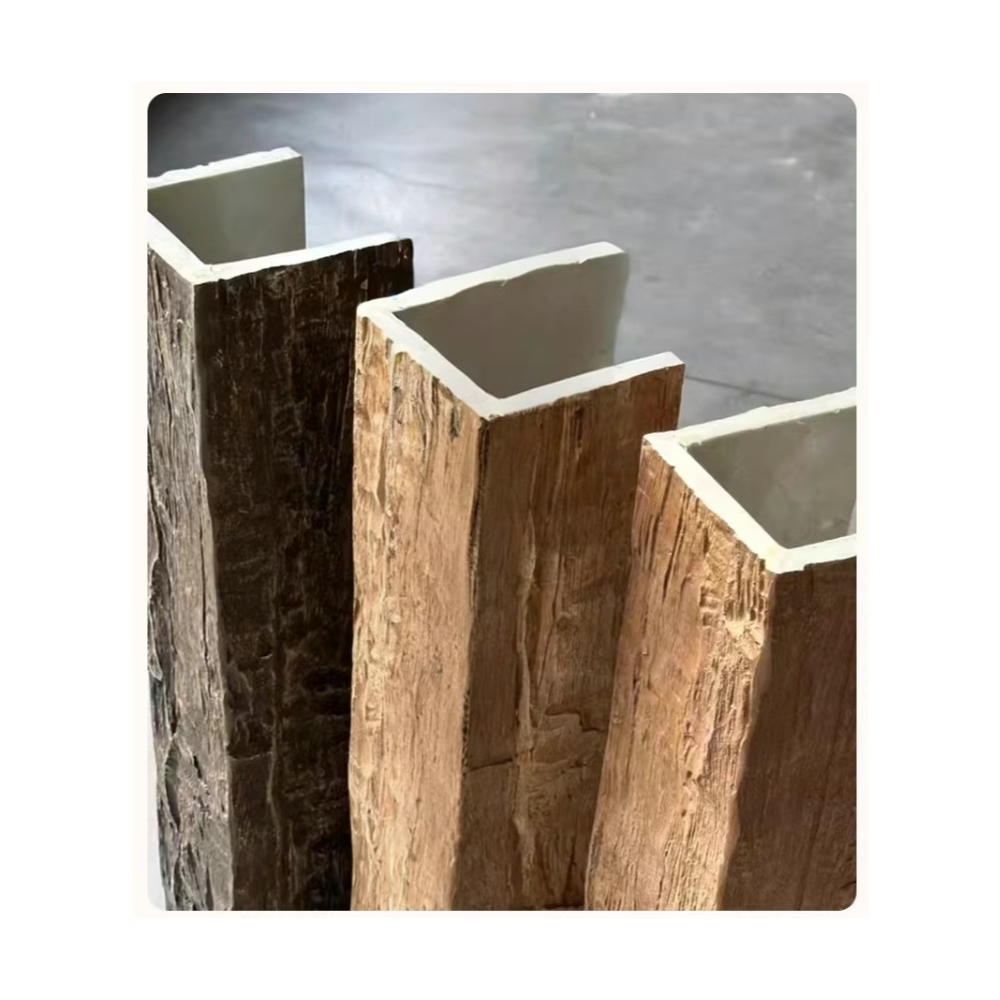
The range of species available through real-wood molding continues expanding as manufacturers invest in mold development. Common architectural species like oak, maple, and walnut appear in most product lines. Specialty species—birdseye maple, curly maple, spalted timber—provide distinctive options for projects requiring unique aesthetics.
Custom mold development addresses project-specific requirements beyond standard offerings. Architects specifying unusual species or seeking particular character within a species can commission custom molds. While involving higher cost and longer lead times, custom development enables visions that stock products cannot fulfill.
Mold aging and replacement affect long-term availability of authentic characteristics. Molds wear through repeated use, gradually losing the sharp detail that produces convincing results. Quality manufacturers monitor mold condition and replace worn molds before quality degrades perceptibly. This maintenance ensures consistent quality across production periods.

Quality Verification
Third-party testing validates that real-wood molded products meet performance standards beyond visual quality. Physical property testing confirms density, hardness, impact resistance, and fire performance. Documentation supports specification compliance for commercial and code-required applications.
Consistency testing verifies that individual beams within a production run match acceptably. The variation inherent in genuine timber creates challenges when matching multiple pieces—too much variation appears artificial while too little lacks authentic character. Quality control processes establish acceptable variation ranges that satisfy both consistency and authenticity requirements.
Accelerated aging testing predicts long-term appearance stability. UV exposure, humidity cycling, and temperature variation tests simulate years of service conditions. Results inform warranty terms and help manufacturers identify formulation improvements that extend product life.

Application Suitability
Real-wood molded beams serve applications ranging from subtle architectural detail to dramatic feature installations. The visual authenticity supports premium applications where discriminating observers might examine materials closely. This quality level justifies higher pricing that premium projects can absorb.
High-visibility installations particularly benefit from authentic detail. Main entrances, feature walls, and areas visible from approach paths establish impressions that affect how spaces are perceived. The investment in premium authenticity pays through improved first impressions and enhanced perceived quality.
Renovation projects matching existing timber benefit from real-wood molding's ability to capture specific character. When extending existing timber installations, the authentic reproduction ensures cohesive results. This matching capability enables expansions that would otherwise require replacing complete installations.
Specification Recommendations
Document species and finish requirements clearly in project specifications. Reference specific product lines or manufacturer part numbers where possible. Include appearance standards that verify authentic character rather than relying on generic descriptions.
Sample approval procedures should examine multiple beams to assess consistency. Visual evaluation under actual lighting conditions validates that products meet expectations. Document approval signatures and dates for reference if disputes arise later.
Installation specifications should address handling and finishing requirements unique to real-wood molded products. While similar to standard polyurethane in most respects, specific products may have unique requirements that general specifications might overlook.
Technical References
ASTM standards cited in every specification
Test Data
Lab results from internal testing program
Updated 2026
Reviewed against current product specs