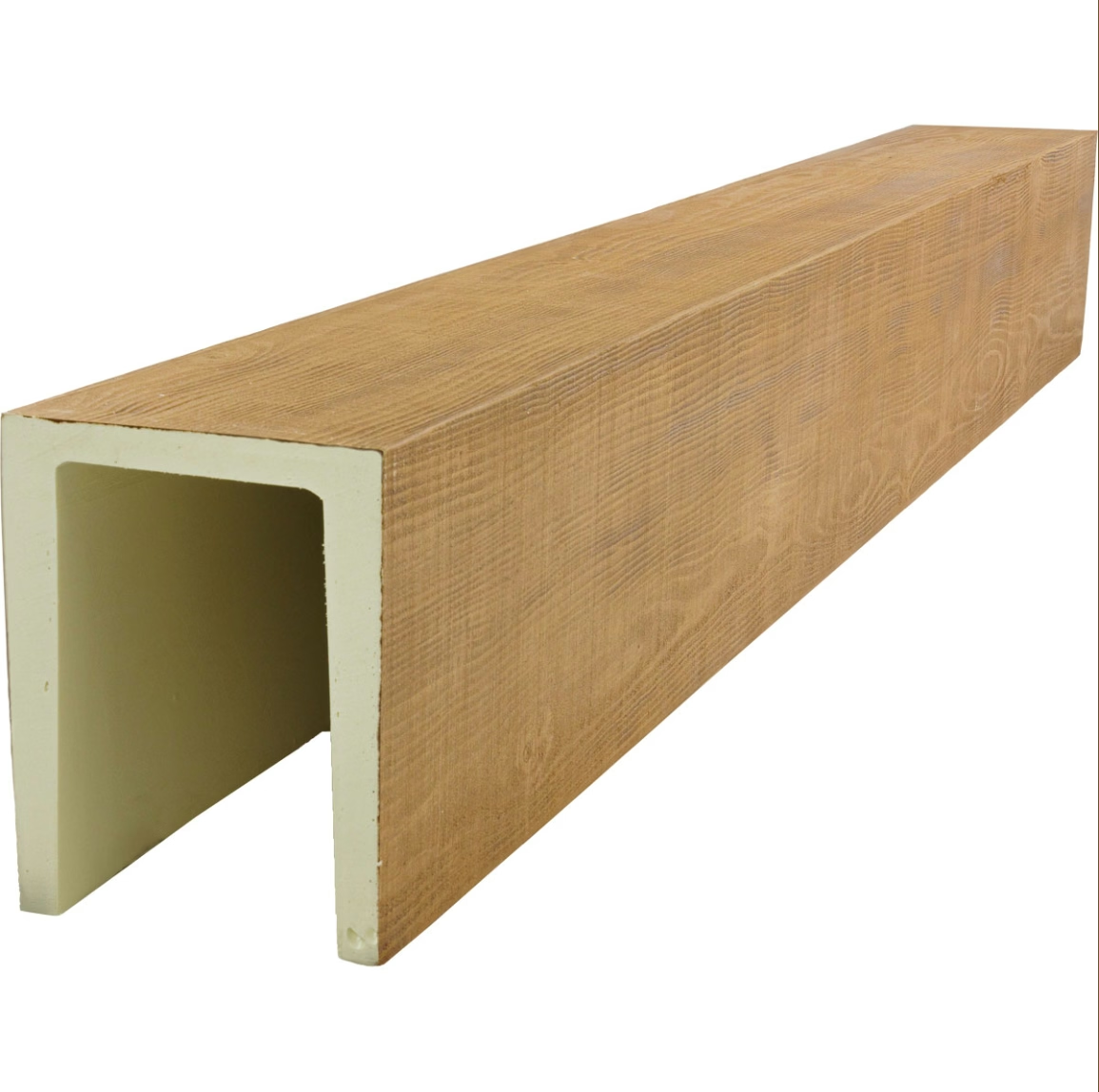
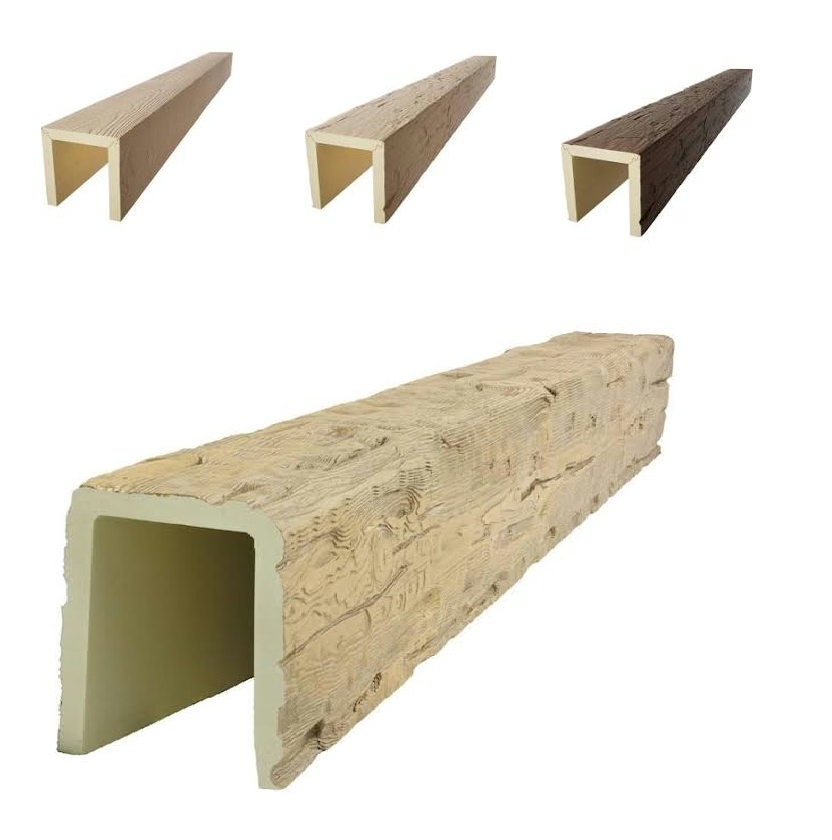
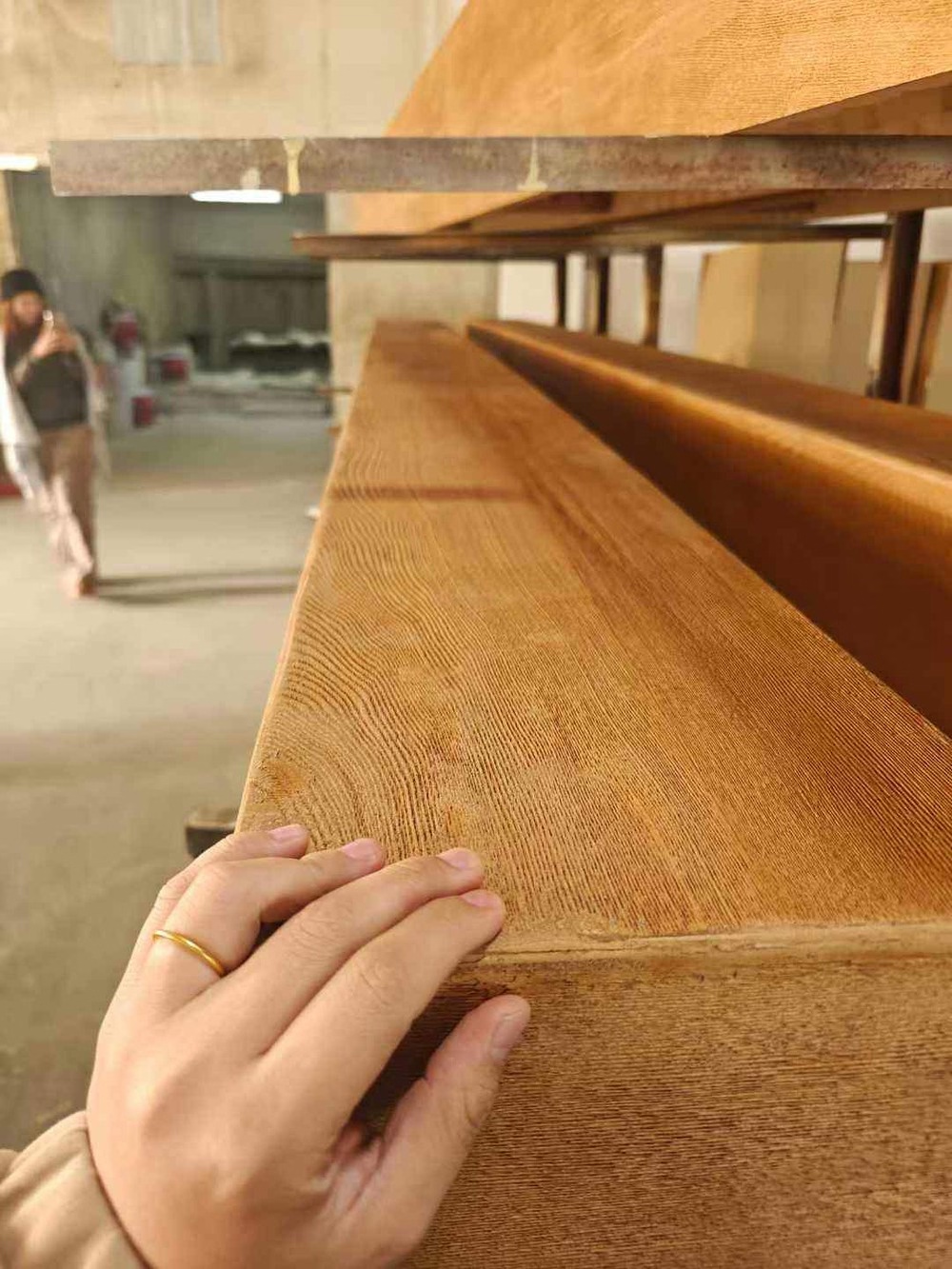
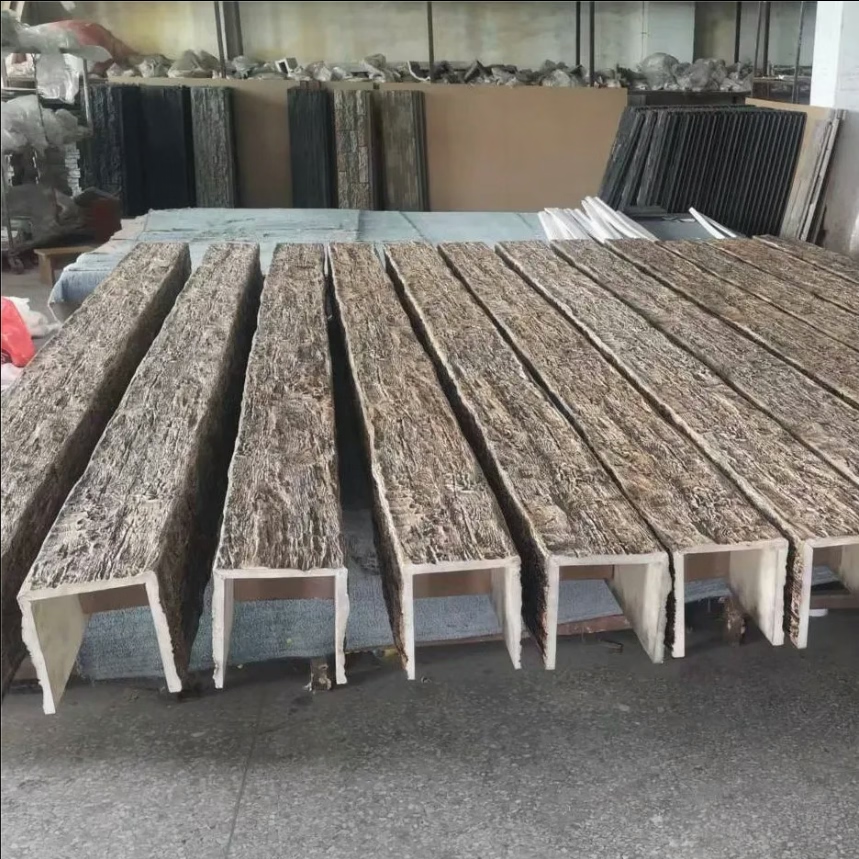
The appeal of cedar wood transcends trends, maintaining consistent popularity across residential and commercial design because it genuinely satisfies human preferences for organic materials. When authentic timber proves impractical for a project, synthetic alternatives must work harder to deliver comparable emotional impact. Realistic cedar texture polyurethane faux beams accomplish this through manufacturing techniques that capture what makes cedar visually distinctive: its characteristic grain figure, natural color variations, and occasional knotty authenticity.
Texture depth distinguishes premium faux products from budget alternatives more clearly than color matching or profile accuracy. Running a hand across a well-made polyurethane beam should reveal the same subtle undulations felt on genuine timber. This tactile authenticity affects how spaces feel to occupants, creating subconscious impressions of genuine material despite synthetic composition.
The Science of Texture Reproduction
Authentic wood texture results from cellular structure visible at multiple scales. Large-scale patterns reflect growth ring configurations visible from normal viewing distances. Medium-scale textures emerge from individual cell arrangements creating fine grain patterns. Micro-scale surface variations result from tooling marks, natural wear, and finishing techniques applied to genuine lumber.
Capturing this multi-scale complexity requires sophisticated imaging and machining processes. High-resolution photography under controlled lighting documents grain patterns across entire board surfaces. This documentation informs CNC programs that mill production molds with precision measured in thousandths of an inch. The resulting surfaces exhibit texture depth invisible to casual observation but essential for convincing realism.
Different cedar varieties present unique texture challenges. Western red cedar shows pronounced growth ring contrast creating bold figure patterns. Eastern red cedar features tighter grain with smaller, more numerous knots. Incense cedar exhibits subtler characteristics requiring different scanning and reproduction approaches. Quality manufacturers maintain multiple mold families addressing these species variations.
Color Development and Consistency
The warm reddish-brown palette defining cedar aesthetics emerges from natural extractives concentrated in heartwood regions. Replicating this coloration requires careful pigment selection and application methodology. Surface coatings must deliver accurate color while allowing textured surface detail to remain visible and tactile.
Production finishing involves multiple application stages designed to build depth and realism. Base coats establish foundational coloration while ensuring substrate uniformity. Grain highlighting follows, with darker tones applied to recessed areas and lighter tones to raised grain. Protective topcoats preserve this layered color work while providing durability against handling and cleaning.
Batch-to-batch color consistency challenges manufacturers working with natural materials in variable conditions. Quality control processes compare production samples against reference standards under standardized lighting. Pigment adjustments compensate for minor variations in substrate absorption or application conditions, ensuring customers receive products matching catalog representations.

Knot Presentation and Variation
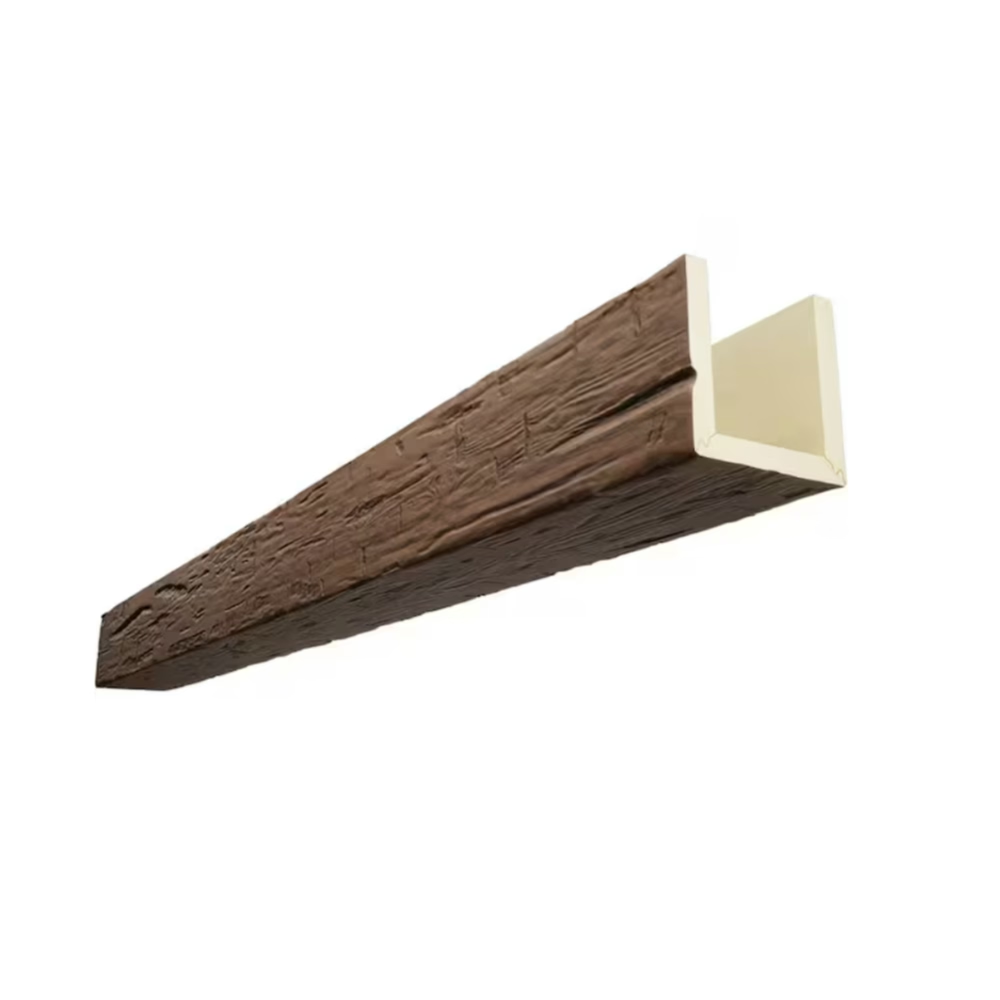
The random placement of knots across cedar surfaces creates visual interest that distinguishes wood from uniformly textured alternatives. Faux beam production must capture this natural randomness while avoiding obviously repetitive patterns. Production techniques using multiple molds with varying knot placements ensure authentic variation across beam installations.
Knot color and definition require special attention during finishing. Living knots surrounded by clear grain differ from dead knots surrounded by distorted grain. This relationship between knot and surrounding wood texture affects visual authenticity significantly. Premium faux products replicate these contextual variations rather than applying uniform knot treatments regardless of position.
Size and frequency variations across beam lengths prevent the obviously manufactured feel of consistent knot distribution. Long beam runs might feature several prominent knots in concentrated areas followed by extended clear grain sections. This natural clustering contributes to realistic appearance that uniform spacing cannot achieve.
Integration With Interior Design Schemes
Rustic decor achieves coherence when all elements reinforce the organic, relaxed aesthetic. Cedar-toned beams serve as anchor points that establish warmth and natural character throughout spaces. Furniture selection, textile choices, and accessory styling should complement rather than compete with beam treatments for successful integration.
Layered wood treatments add depth to rustic interiors without overwhelming visual complexity. Shiplap walls, exposed brick, and wooden beam ceilings create compositions where different wood treatments establish relationship rather than confusion. Coordinating color temperatures and grain scales across these elements produces interiors feeling curated rather than accumulated.
Lighting design significantly affects how textured surfaces appear throughout the day. Natural light streaming through windows creates ever-changing patterns across textured beam surfaces. Artificial lighting in evening hours establishes different moods requiring thoughtful fixture selection and placement. Comprehensive lighting plans consider these variations when specifying beam treatments.
Performance in Demanding Environments
High-traffic commercial spaces demand materials capable of maintaining appearance despite constant exposure to occupants and activities. Cedar texture polyurethane beams meet these requirements through impact-resistant compositions and durable finishes that resist scratching and scuffing. Hospitality venues, restaurants, and retail environments benefit from these performance characteristics.
Temperature fluctuations challenge many materials in commercial applications. Loading docks, entry vestibules, and inadequately insulated spaces experience conditions that stress materials not designed for such variation. Polyurethane's dimensional stability handles these conditions without the seasonal movement affecting natural wood or the cracking possible with some composites.
Moisture exposure in pool areas, spas, and humid climates requires specific material considerations. Cedar texture polyurethane beams with appropriate formulations resist moisture absorption and the subsequent issues of swelling, delamination, or surface degradation. Specifying products designed for intended environmental conditions ensures satisfactory long-term performance.
Weight and Handling Advantages
The lightweight nature of polyurethane faux beams affects every aspect of project planning and execution. Shipping costs decrease due to reduced weight, particularly significant for remote project locations or international destinations. Warehousing and material handling require less equipment and fewer workers than equivalent timber volumes would demand.
On-site maneuvering through doorways, around corners, and into position proves manageable for individual workers or two-person teams. Natural timber beams of comparable visual impact might require three or four workers or mechanical assistance. This handling advantage expands installation possibilities to properties where heavy beam installation would be impractical or impossible.
Ceiling structure requirements diminish proportionally with reduced weight. Natural timber beam installation often requires structural engineering assessment and potential reinforcement. Faux beam installations typically attach to existing structures without modification, avoiding engineering fees and construction disruption associated with structural upgrades.
Long-Term Appearance Maintenance
Factory-applied finishes provide protection exceeding what site-applied coatings typically achieve. Controlled application conditions, proper surface preparation, and optimized cure cycles produce finishes more durable than field application can match. These factory finishes resist the scratching, marring, and finish failure that eventually affect natural wood surfaces.
Routine cleaning maintains appearance with minimal effort. Soft dusting, occasional wiping with damp cloths, and periodic cleaning with mild detergents removes accumulated soil without damaging protective coatings. Avoiding abrasive cleaners, harsh chemicals, and aggressive scrubbing preserves surface integrity through years of regular care.
Damage repair options exist for occasional issues requiring attention. Minor scratches respond to buffing with appropriate compounds. Small chips fill with color-matched repair putties. Professional refinishing addresses more significant damage when repairs prove inadequate. The repairability of quality faux products exceeds that of natural wood in many scenarios.
Environmental and Sustainability Perspectives
Contemporary consumers increasingly consider environmental implications when selecting building materials. Polyurethane faux beams offer several sustainability advantages compared to natural timber alternatives, though the full picture involves nuanced considerations beyond simple comparisons.
The extended service life of quality faux products reduces replacement frequency and associated resource consumption. A beam lasting forty years without replacement ultimately impacts less than multiple timber replacements over equivalent periods. Manufacturing efficiency and waste reduction programs at progressive producers further improve environmental profiles.
Recycled content in polyurethane formulations addresses some environmental concerns associated with virgin petroleum-based materials. Bio-based polyols derived from renewable resources replace portions of traditional petroleum-derived components in some products. These formulations evolve as manufacturing technology advances, offering progressively improved environmental performance.
Selecting Appropriate Products
Quality assessment begins with physical examination of available samples. Surface texture should exhibit depth and variation consistent with natural wood. Color should appear natural rather than artificially uniform. Edges and ends should show proper finishing rather than bare substrate. Any samples revealing deficiencies indicate production quality concerns warranting supplier reconsideration.
Warranty terms provide meaningful differentiation between competitive offerings. Extended coverage periods indicate manufacturer confidence in product durability. Clear terms specifying covered defects and claim procedures protect purchaser interests. Products lacking meaningful warranty coverage often reflect producer uncertainty about performance expectations.
Supplier reputation and customer service quality matter beyond product specifications. Responsive communication, accurate order fulfillment, and problem resolution when issues arise distinguish reliable suppliers from those offering only competitive pricing. Building relationships with dependable suppliers simplifies future project planning and reduces procurement risk.

Installation Best Practices
Proper installation begins with accurate measurement and planning. Ceiling dimensions, beam placement, and clearance requirements all affect product selection and mounting approach. Detailed planning prevents mid-installation discoveries requiring product returns or improvised solutions that compromise appearance.
Structural attachment must address both weight support and seismic or wind loading requirements in appropriate regions. Local building codes may specify requirements for ceiling-mounted elements based on occupancy type and building construction. Compliance ensures safe installations that perform reliably throughout building service life.
Finish protection during installation prevents damage that would require repair before project completion. Covering beams during construction activity, using appropriate handling techniques, and protecting finished surfaces from adjacent work all contribute to successful outcomes. These precautions cost little but prevent the frustration of damaged finished materials.
Technical References
ASTM standards cited in every specification
Test Data
Lab results from internal testing program
Updated 2026
Reviewed against current product specs