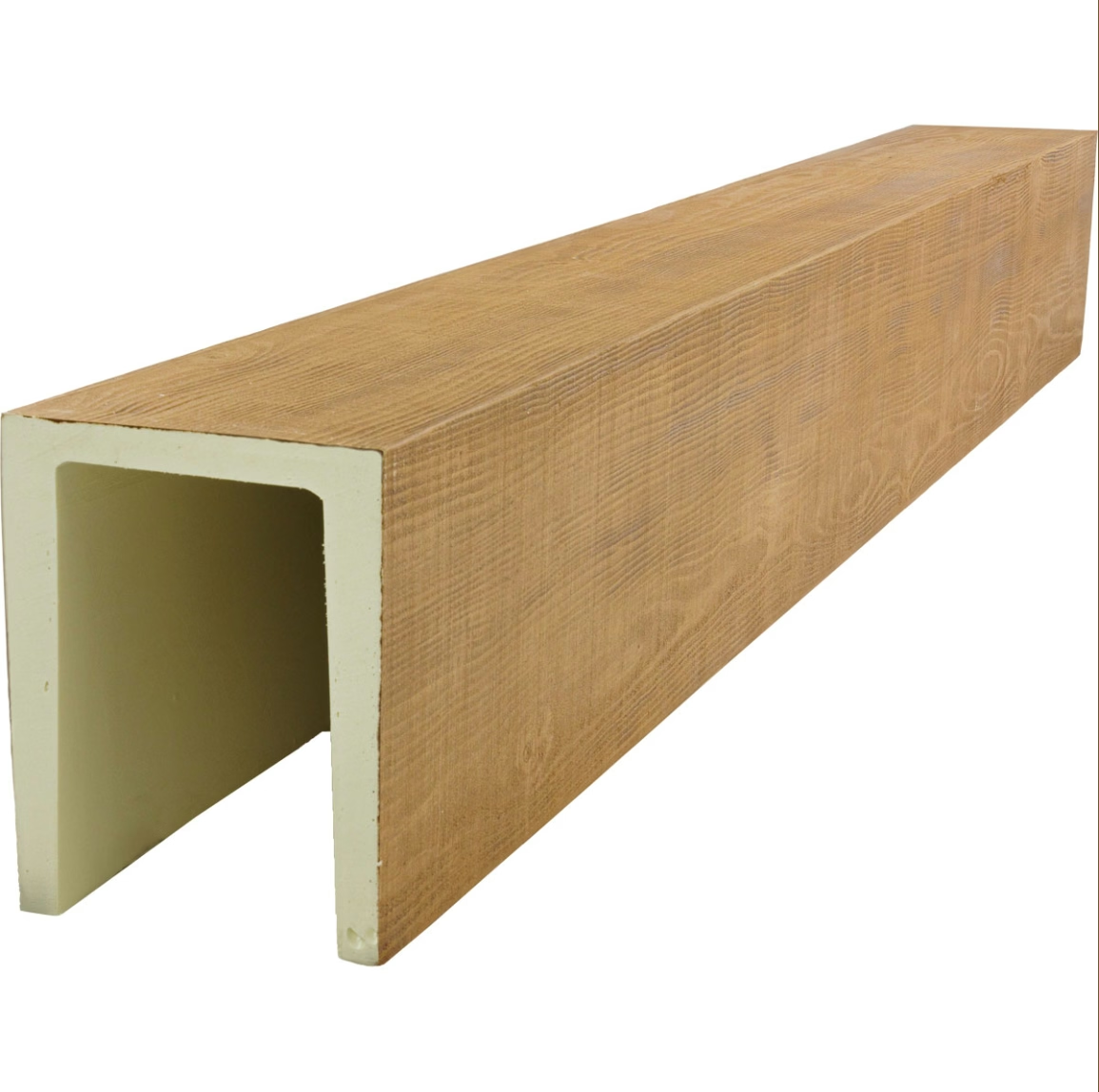
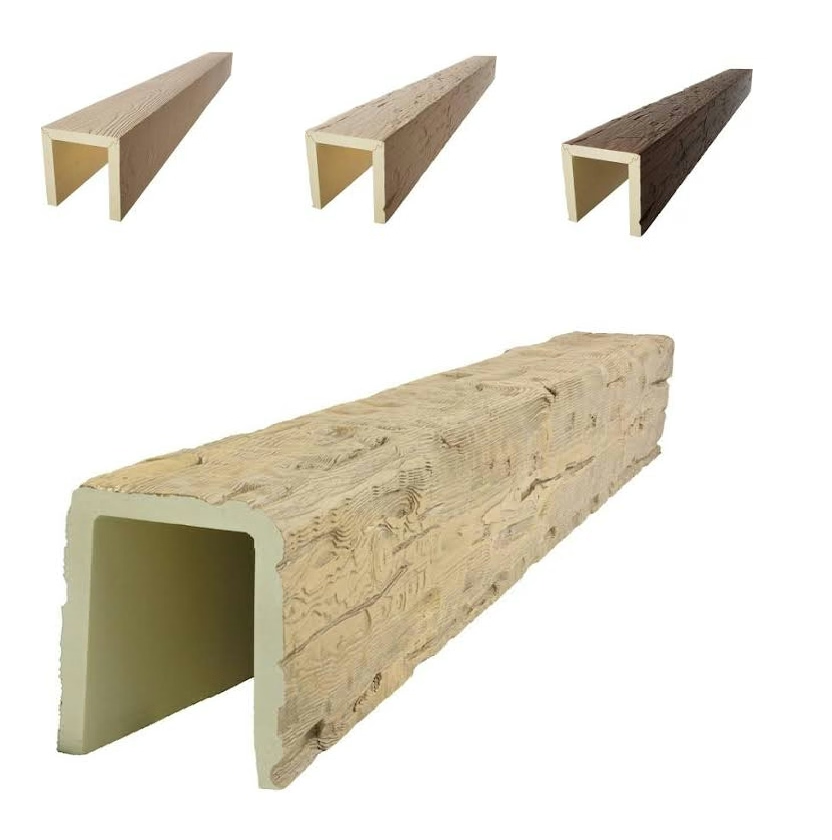
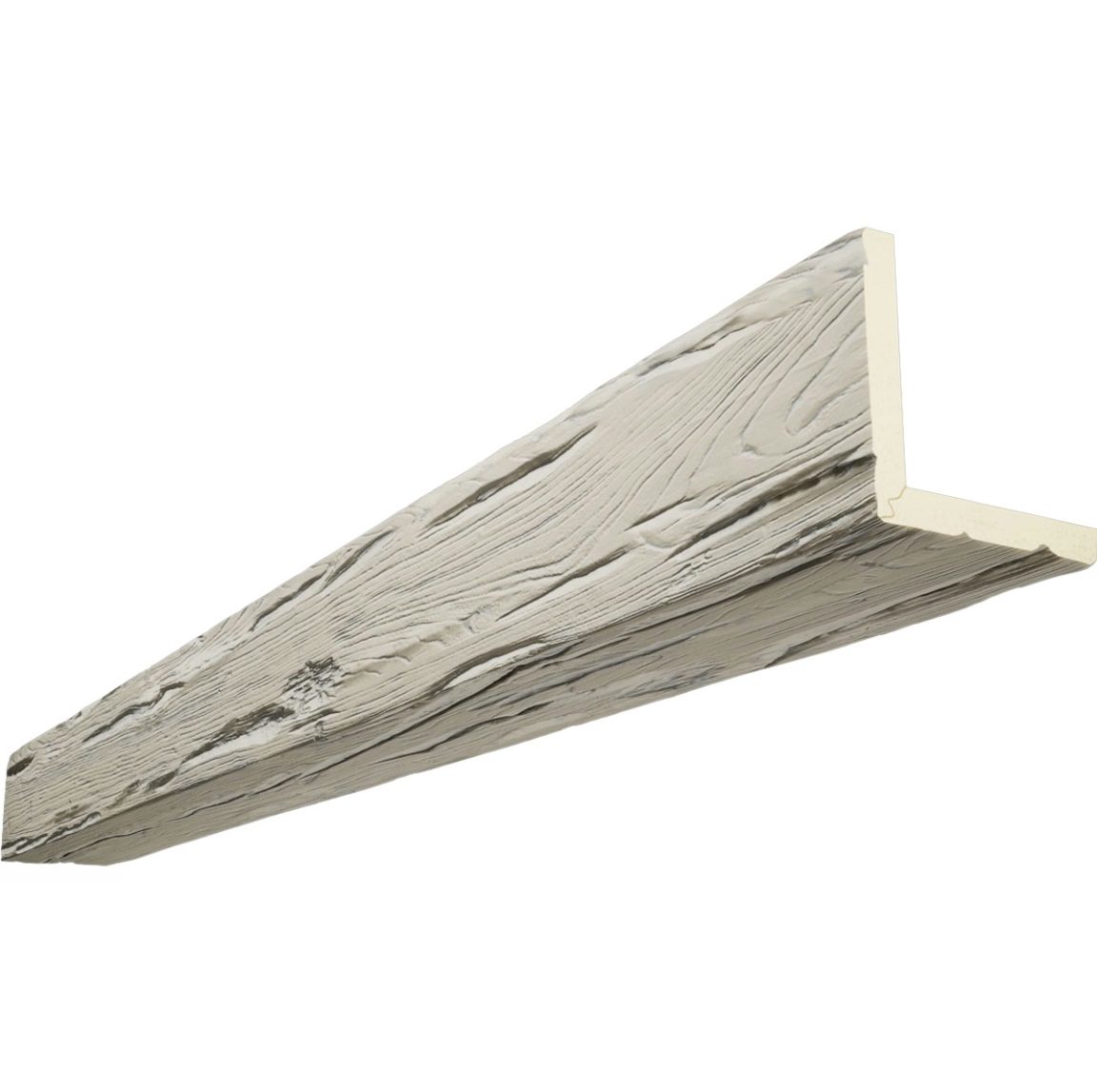
Some design visions demand bold statements rather than subtle suggestions. When spaces call for pronounced texture that announces itself from across rooms, deep grain textured polyurethane resin beams deliver the dramatic presence required. These products feature exaggerated surface relief that creates shadows, depth, and visual complexity impossible to achieve with smoother alternatives.
The manufacturing challenge involves balancing dramatic texture against authentic appearance. Overly aggressive embossing produces obviously artificial patterns that fail to convince. The goal involves creating surfaces where deep grain appears natural rather than manufactured, satisfying design ambitions while maintaining convincing realism. Modern production techniques accomplish this balance through refined processes developed over years of experimentation and refinement.
Engineering Texture Depth and Authenticity
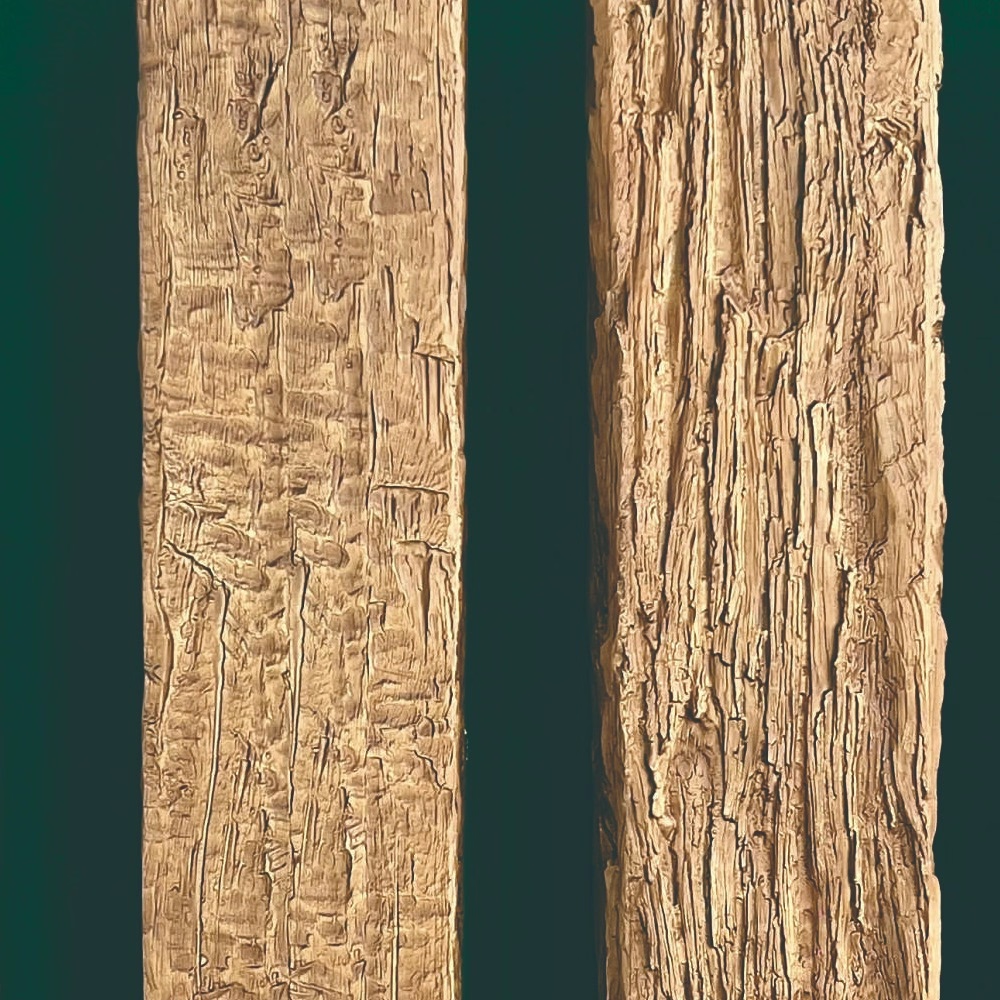
Natural wood grain results from cellular structure and growth patterns that vary by species and growing conditions. Capturing this organic variation in synthetic materials requires sophisticated mold technology that reproduces surface characteristics at multiple scales simultaneously. Deep grain products emphasize certain characteristics while maintaining overall coherence.
Premium deep grain production begins with careful species selection, choosing woods known for pronounced figure and dramatic grain patterns. Oak varieties with dramatic ray fleck, walnut with flowing figure, and ash with bold growth ring patterns all provide excellent source material for texture development. The selected species guides subsequent mold creation and finishing protocols.
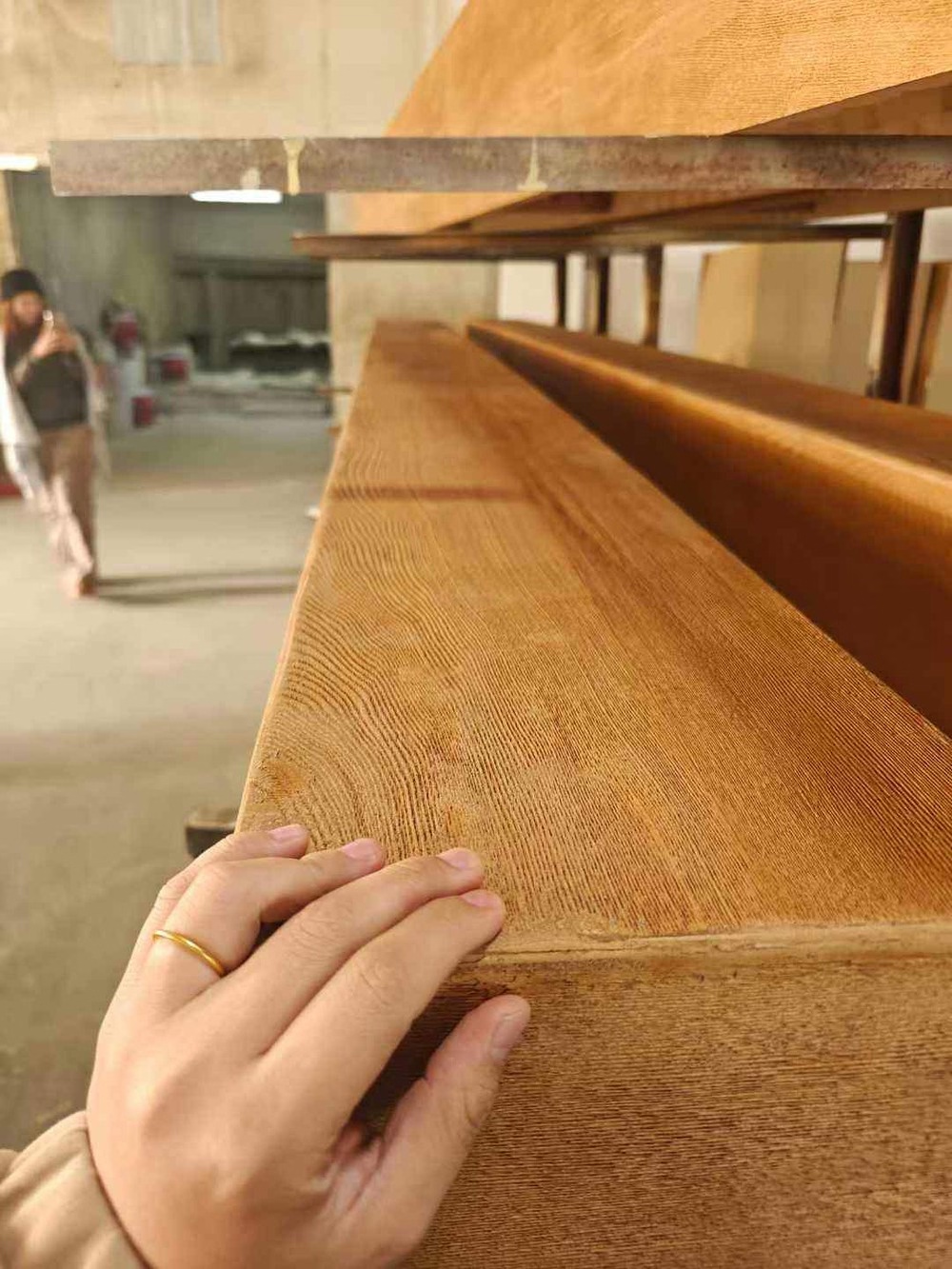
Mold surface preparation significantly affects final texture quality. CNC machining creates the foundational relief, but subsequent hand finishing refines these surfaces to eliminate machining artifacts and enhance natural variation. This combination of precision technology and skilled hand work produces textures that read as authentic despite synthetic origin.
Visual Impact in Large Spaces
Grand scale installations showcase deep grain texture to greatest effect. Vaulted ceilings, great rooms, and commercial atriums provide backdrops where pronounced surface detail contributes to overall impression rather than overwhelming smaller environments. The texture creates visual interest that draws attention without demanding it.
Natural light plays across deep grain surfaces differently throughout the day, creating subtle but continually evolving shadow patterns. Morning light from eastern windows rakes across grain patterns differently than afternoon western light. This natural animation adds life to spaces that static smooth surfaces cannot provide, contributing to environments that feel dynamic rather than merely decorated.
Evening lighting creates different effects, with artificial sources revealing grain detail through shadow and highlight interplay. Recessed lighting positioned to graze across rather than illuminate surfaces directly maximizes texture visibility. Comprehensive lighting design considers these effects when planning fixture placement relative to beam installations.
Contrast With Contemporary Materials
Modern interiors featuring concrete, steel, and glass benefit from organic texture that introduces warmth without compromising contemporary aesthetics. Deep grain polyurethane beams placed in these environments provide necessary counterpoint to industrial materials, creating spaces that feel human rather than merely functional.
The juxtaposition of rough-hewn texture against sleek contemporary surfaces creates visual tension that keeps spaces interesting. Concrete floors, steel stair rails, and glass partitions all gain warmth context when paired with organic wood textures. This balance between industrial and organic characterizes successful contemporary design that avoids sterile minimalism.
Exposed structural elements in contemporary architecture provide natural integration points for textured beam treatments. Steel trusses, laminated veneer lumber beams, and concrete ribs all accept decorative beam applications that enhance rather than compete with underlying structure. Strategic placement emphasizes architectural features while adding visual warmth.

Profile Selection for Dramatic Effect
Square profiles maximize surface area available for texture display, making them natural choices for deep grain applications. The four visible faces each contribute texture variation, creating multiple surfaces that draw attention from different viewing angles. Chamfered or rounded profiles reduce visible texture area but may suit applications requiring subtler presence.
Beam width significantly affects perceived texture depth. Wide beams allow grain patterns to develop fully across surfaces, creating substantial visual impact. Narrow beams may appear busy when heavily textured, particularly in close proximity to viewing positions. Sample placement helps establish appropriate width selections for specific applications.
Paired and grouped installations create rhythm that complements deep grain texture. Parallel arrangement introduces repetition that structures space without competing with individual beam texture. Intersecting configurations add complexity appropriate for larger spans or more ambitious design visions.
Installation Techniques for Heavy Textures
Deep grain surfaces require careful handling during installation to prevent damage to pronounced relief. Padding beams during transport, protecting textured surfaces during mounting, and avoiding impact during positioning all contribute to successful completion. The investment in careful handling protects finished appearance that aggressive handling might compromise.
Mounting hardware must accommodate both beam weight and profile complexity. Standard bracket systems designed for smooth profiles may not seat properly against heavily textured surfaces. Manufacturer recommendations for specific products should guide hardware selection to ensure secure attachment throughout beam service life.
Positioning accuracy becomes more critical with textured surfaces. Visible seams or gaps that might pass unnoticed on smooth beams become obvious when textured edges meet or when misalignment creates obvious discontinuities. Precision installation techniques ensure seamless appearance in textured applications.
Maintenance of Deep Grain Surfaces
Dust accumulation in textured grooves requires more thorough cleaning than smooth surfaces demand. Soft brushes reach into grain depressions that cloths cannot access, and compressed air loosens accumulated particles before vacuum removal. Establishing regular cleaning routines prevents buildup that becomes increasingly difficult to address.
Deeper cleaning occasionally addresses accumulated grime in high-exposure applications. Soft brushes with mild detergent solutions followed by thorough rinsing removes contaminants that dusting cannot address. Avoiding excessive moisture and ensuring complete drying prevents issues that might arise from liquid penetration into textured crevices.
Surface damage in deep grain applications often proves less noticeable than on smooth surfaces due to inherent irregularity. Minor chips and scratches may blend into existing texture rather than creating obvious defects. This forgiving nature represents practical advantage of textured over smooth surfaces in demanding environments.
Cost Considerations for Premium Texture
Deep grain textured products typically command premium pricing compared to smoother alternatives. The additional manufacturing complexity and finishing time required for pronounced texture justifies higher per-unit costs. However, the visual impact achieved often justifies this investment when design goals demand dramatic presence.
Installation complexity affects total project costs beyond material pricing. Careful handling, precise positioning, and finishing adjustments may extend installation time compared to smoother beam applications. Budgeting appropriate installation allowances ensures projects complete within financial constraints.
Long-term value considerations favor quality textured products when appearance maintenance is weighed. The forgiving nature of textured surfaces regarding minor damage and the visual interest they provide throughout service life often justify premium initial investment.
Application in Commercial Spaces
Hospitality venues seeking memorable environments employ deep grain textured beams to create distinctive atmospheres. Restaurants, hotels, and entertainment venues benefit from the visual interest these products provide, supporting brand identities that emphasize craftsmanship and organic materials despite synthetic composition.
Retail environments use textured beams to add warmth and character to spaces that might otherwise feel commercial. High-end boutiques, furniture showrooms, and lifestyle stores incorporate textured ceiling treatments that support merchandise presentation through appropriate environmental context.
Office environments increasingly embrace textured ceiling treatments that soften corporate aesthetics. Co-working spaces, creative studios, and executive boardrooms all benefit from organic texture that makes professional environments feel more human and less institutional.
Design Planning and Coordination
Successful textured beam installations require coordination with other design elements. Lighting fixture selection should address texture visibility through appropriate fixture placement and light direction. Furniture arrangements should consider beam visibility and how texture contributes to views throughout spaces.
Finish color selection interacts with texture depth to affect overall visual weight. Darker finishes in deep grain applications create substantial presence suitable for dramatic applications. Lighter finishes appear more refined but may not maximize texture visibility. Samples under actual lighting conditions inform these important decisions.
Acoustic considerations sometimes influence texture specifications. Deep grain surfaces contribute to acoustic absorption that improves sound quality in large spaces. While not replacing dedicated acoustic treatment, textured beams provide incidental acoustic benefits that enhance overall environment quality.
Environmental Performance and Sustainability
Polyurethane resin beams offer environmental advantages beyond their extended service life. The lightweight nature reduces transportation emissions, while manufacturing efficiency minimizes waste compared to timber processing. Progressive manufacturers incorporate recycled content and bio-based materials that further improve environmental profiles.
The durability of quality textured products contributes to sustainability through reduced replacement frequency. Beams maintaining appearance for decades through normal use consume fewer resources than alternatives requiring periodic replacement. This longevity factor increasingly influences specification decisions among environmentally conscious designers.
End-of-life considerations continue evolving as recycling infrastructure develops. Some manufacturers offer take-back programs or recycling guidance for products at service life completion. These programs provide responsible disposal options that support circular economy principles gaining traction in the building materials industry.

Future Trends in Textured Beam Design
Emerging manufacturing techniques continue advancing texture realism while expanding design possibilities. Digital scanning of exceptional wood specimens captures characteristics previously difficult to reproduce. 3D printing technologies enable mold production with unprecedented detail and complexity.
Custom texture development addresses project-specific requirements that standard products cannot satisfy. Designers seeking unique appearances work with manufacturers to develop proprietary textures that support distinctive brand identities or specific aesthetic visions. These collaborations expand available options beyond catalog offerings.
Sustainability-driven innovation introduces materials and processes that reduce environmental impact while maintaining or enhancing quality. Bio-based polyols, recycled content integration, and manufacturing efficiency improvements all contribute to products that satisfy both design and environmental requirements.
Technical References
ASTM standards cited in every specification
Test Data
Lab results from internal testing program
Updated 2026
Reviewed against current product specs