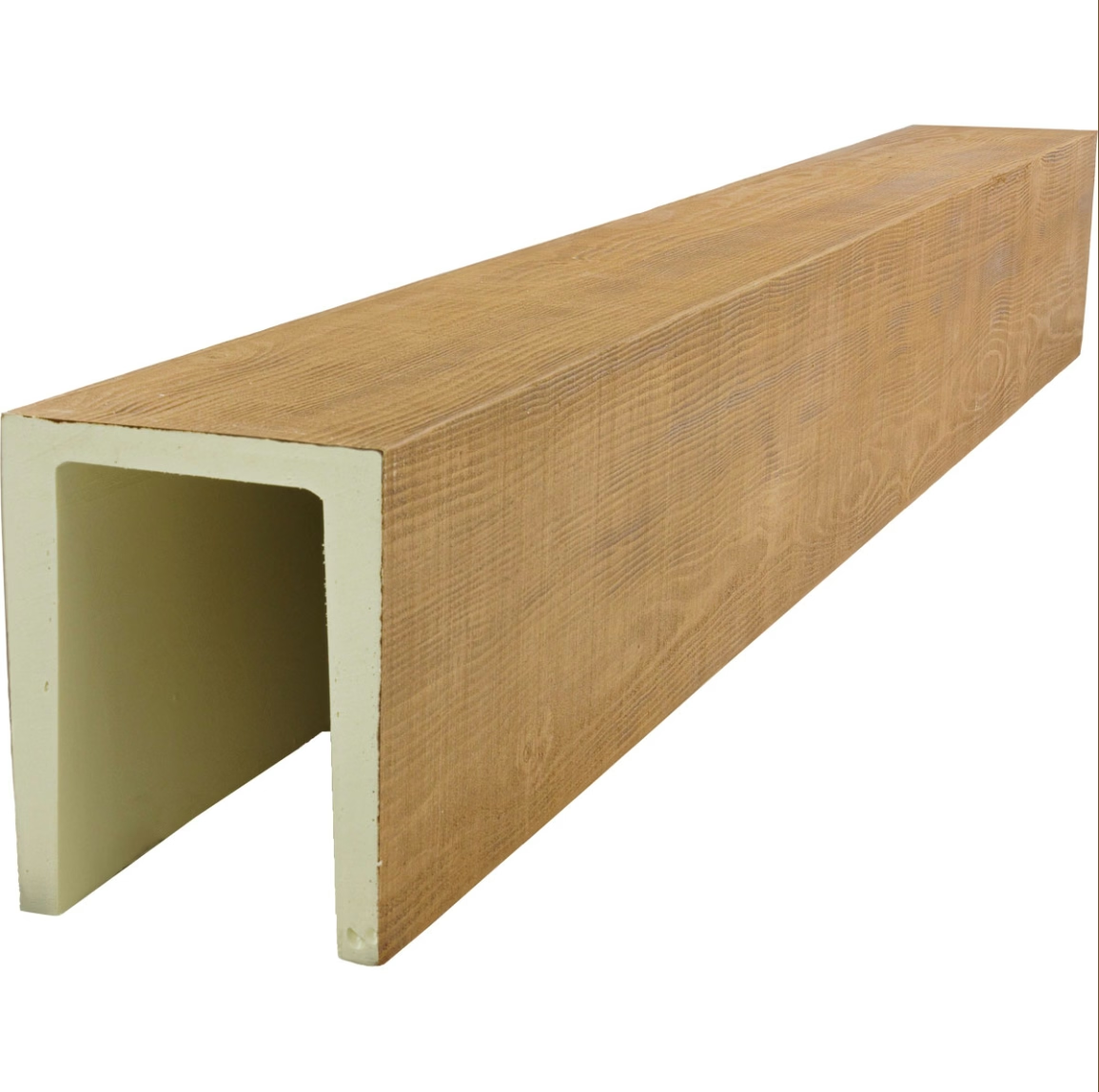
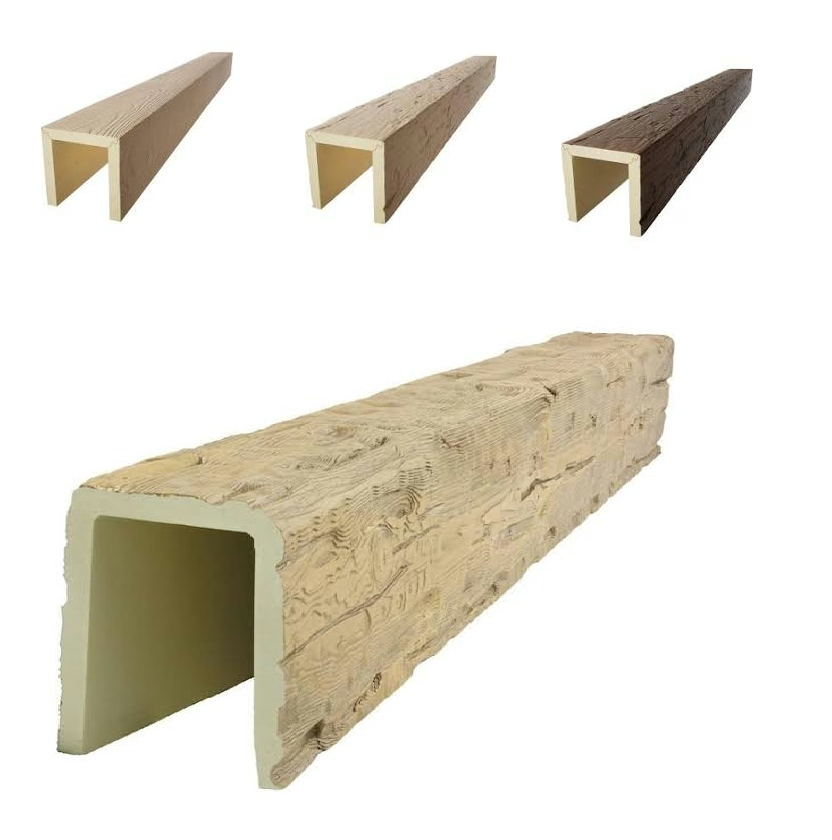
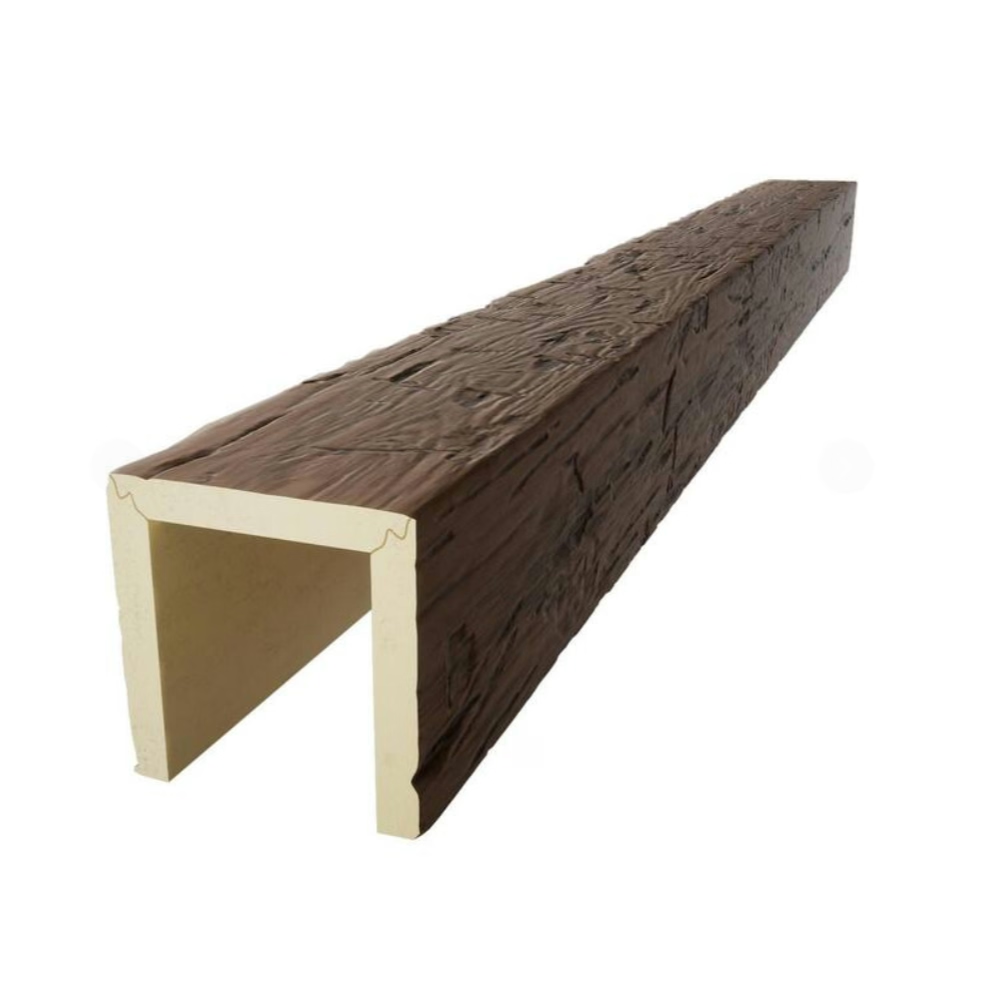
Oak has maintained its position as one of the most beloved wood species in interior design through centuries of changing tastes and evolving styles. Its strong grain character, attractive color range, and remarkable durability make it suitable for everything from antique furniture to contemporary flooring. Realistic fake oak texture polyurethane faux beams bring these qualities to ceiling applications where genuine timber would challenge budgets, structures, or practical considerations.
The appeal of oak extends beyond aesthetics to practical characteristics that made it historically valuable for construction. The wood's strength-to-weight ratio allowed substantial beams from relatively modest timbers, while its durability ensured longevity that competing species could not match. These practical virtues complement visual appeal in ways that synthetic reproduction must honor.
Oak's Distinctive Visual Character
White oak and red oak present different aesthetic qualities that affect faux reproduction approaches. White oak exhibits tighter grain with subtle ray fleck that creates understated elegance. Red oak displays more pronounced grain with stronger figure and warmer undertones. Both require distinct reproduction strategies that capture species-specific characteristics rather than generic wood appearance.
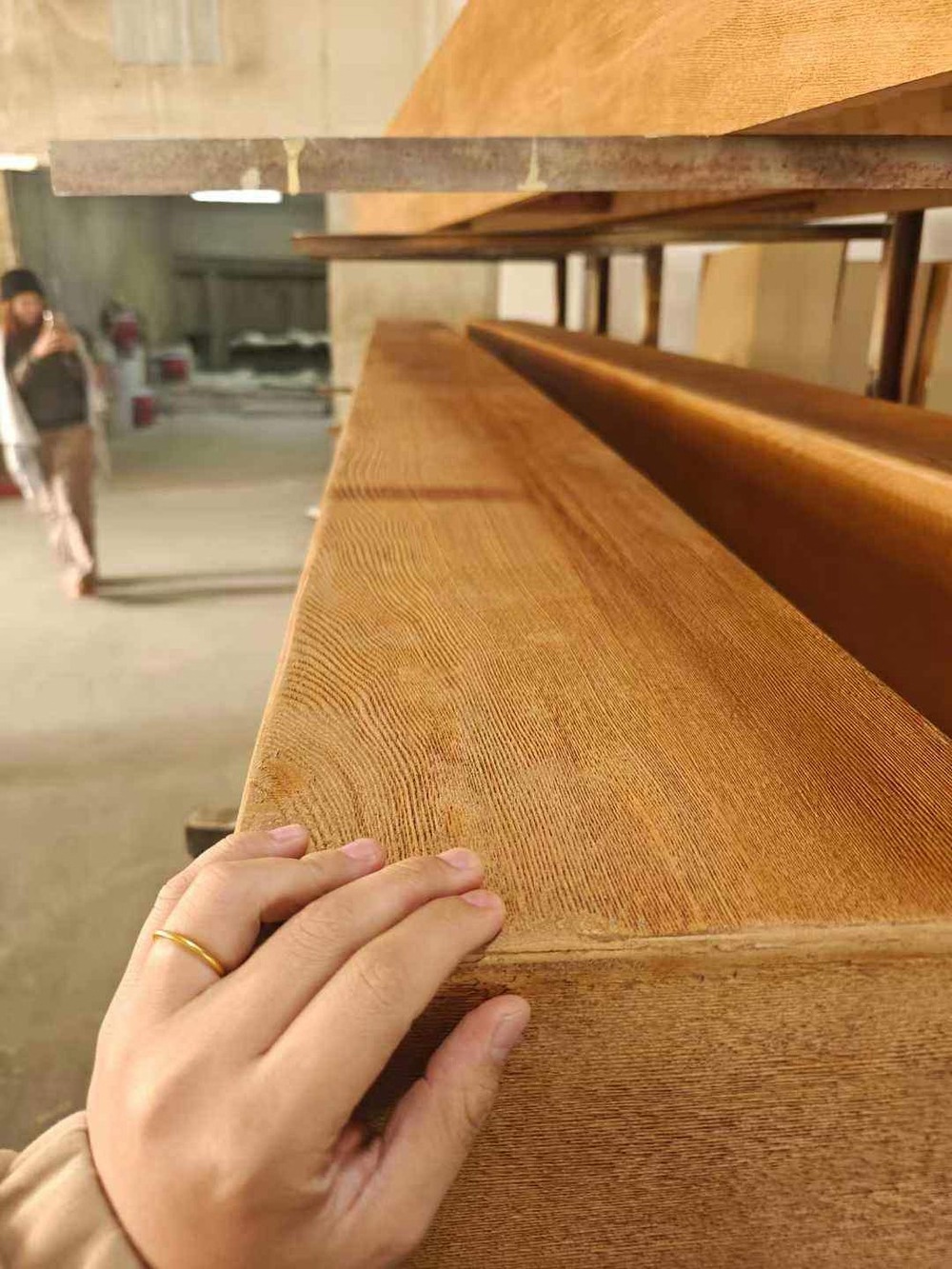
Growth ring visibility in oak creates the distinctive grain patterns that define the species' visual character. These concentric patterns trace annual wood formation, with density variations creating visible bands across longitudinal surfaces. Quality faux reproduction captures this structural detail rather than merely applying wood-like coloration to featureless surfaces.
Medullary rays appear as distinctive flecks perpendicular to grain direction in quarter-sawn oak, creating visual interest that enhances rather than complicates overall appearance. These anatomical features distinguish oak from species lacking this characteristic, contributing authenticity that casual observers might not consciously recognize but that affects overall convincing appearance.
Reproduction Technologies and Quality Factors
Modern faux oak production begins with detailed documentation of genuine oak surfaces. High-resolution scanning captures grain patterns, figure variations, and surface characteristics at resolutions exceeding visual acuity thresholds. This documentation informs precision manufacturing that reproduces captured characteristics consistently across production runs.
Mold quality determines texture fidelity more than any other production factor. Premium manufacturers employ multi-stage mold preparation that refines CNC-produced surfaces through skilled hand work. This combination of precision technology and traditional craftsmanship produces textures that read as authentic rather than manufactured.
Multi-layer finishing builds realistic appearance through sequential color application. Base coats establish foundational coloration, while subsequent applications address grain highlighting, shadow depth, and protective topcoats. Each stage requires quality control that ensures consistent results across pieces and production batches.
Traditional Interior Applications
Period-appropriate homes provide natural settings for oak-toned faux beams. Colonial, Craftsman, and Traditional styling throughout the twentieth century featured oak extensively, creating expectations that oak beam treatments help satisfy. The species' historical use in these styles provides authenticity that alternative selections might lack.
Formal dining rooms benefit from oak's established elegance. The wood's refined character complements formal furniture, chandeliers, and architectural details that characterize these spaces. Beams in formal applications should coordinate with any existing oak woodwork, including flooring, millwork, and built-in cabinetry.
Living rooms and great rooms accommodate oak beams in more relaxed expressions. The wood's warmth creates inviting atmospheres appropriate for family gathering spaces, while its visual character provides sufficient interest without demanding attention. These versatile applications suit the transitional designs common in contemporary homes.

Color Matching and Coordination
Achieving convincing appearance requires understanding how oak finishes appear across various lighting conditions. Natural daylight reveals warm golden tones, while artificial lighting might emphasize different undertones. Quality manufacturers calibrate finishes to appear natural under multiple lighting scenarios rather than optimized for single conditions.
Coordination with existing oak elements demands careful color assessment. Wood samples should be compared under actual installation lighting before commitment. Slight differences between faux and existing wood often appear more convincing than perfect matching, which can create obvious discontinuity that slight variation avoids.
Floor and ceiling oak coordination creates unified wood palette that expands visual perception. Matching tones throughout open floor plans establishes color continuity that connects separate functional zones. Alternatively, contrasting floor and ceiling treatments creates intentional separation between levels or areas.
Profile Selection for Traditional Spaces
Traditional architectural styles suggest appropriate beam profiles that maintain period authenticity. Chamfered edges, subtle detailing, and proportions referencing historical construction all contribute to convincing appearance in period-appropriate applications. Modern minimalist profiles might feel jarring regardless of finish quality.
Scale relationships should reference historical precedents appropriate to each style. Victorian homes featured elaborate proportions reflecting the era's ornamentation values. Craftsman interiors employed simpler proportions with exposed joinery details appropriate to the style's handcraft aesthetics. Understanding these contextual differences guides appropriate selection.
Trim and molding coordination completes traditional treatments. Crown moldings meeting beam ends, cornice returns, and baseboard connections all require attention that ensures seamless appearance. Professional finish carpentry often proves valuable in these detailed applications.
Transitional and Contemporary Adaptations
Modern interiors adapt oak aesthetics through simplified profiles and clean-lined presentations. The wood's inherent character provides warmth that contemporary minimalism sometimes lacks, creating balance between organic material and geometric forms. These applications should avoid period detailing that would contradict contemporary design values.
Open floor plans require beam selections that accommodate diverse adjacent materials. Oak beams provide warmth counterpoint to steel, glass, and concrete that characterize modern construction. This material dialogue creates visual interest through contrast rather than uniformity.
Sofa groupings, dining arrangements, and workspace configurations all interact with ceiling beam treatments. Sample positioning before installation commitment helps establish appropriate relationships between beams and furniture that might not be apparent from planning alone.
Weather Resistance Advantages
Natural oak in ceiling applications faces humidity challenges that affect appearance over time. Moisture absorption causes expansion and contraction that eventually affects fit and finish. Polyurethane faux beams maintain consistent dimensions regardless of atmospheric conditions, eliminating these concerns.
Coastal environments present particular challenges for wood materials due to salt air humidity and moisture. Oak faux beams specified for these applications resist the degradation that might affect natural wood over extended exposure. This durability expands application possibilities that genuine timber would limit.
Temperature variation affects materials differently, with some expanding and contracting significantly while others remain stable. Polyurethane's dimensional stability throughout normal temperature ranges makes it suitable for applications in unconditioned spaces or locations with inconsistent climate control.
Installation Efficiency and Simplicity
Lightweight polyurethane simplifies installation across every dimension. Reduced weight requires fewer workers, simpler equipment, and less structural support than genuine timber would demand. These practical advantages expand installation possibilities to properties where timber beam installation would prove impractical.
Handling during installation benefits from the material's workability. Cutting to length, drilling for fixtures, and adjusting for site conditions all proceed more easily than with solid timber. This workability reduces installation time and enables adjustments that solid wood might resist.
Mounting systems designed for polyurethane provide secure attachment without specialized techniques. Standard bracket systems, construction adhesives, and combination approaches all produce reliable results. Manufacturer recommendations for specific products should guide system selection to ensure optimal performance.
Maintenance and Long-Term Appearance
Oak faux beams require minimal ongoing care compared to natural wood alternatives. The factory-finished surfaces resist scratching and marring while maintaining color consistency that natural oak cannot match without regular attention. This convenience proves particularly valuable in visible ceiling applications where maintenance access proves challenging.
Cleaning protocols for faux oak surfaces involve routine dusting and occasional washing with mild detergents. Avoiding abrasive cleaners and harsh chemicals preserves protective finishes while removing accumulated soil. The cleaning requirements prove no more demanding than those for other smooth ceiling surfaces.
Damage repair possibilities exist for occasional issues requiring attention. Color-matched repair compounds address chips and scratches, while professional refinishing services restore appearance when damage exceeds repair capabilities. Quality products accept repair work readily when damage occurs.
Cost Analysis and Budget Planning
Material costs for quality oak faux beams typically fall below comparable genuine oak timber alternatives. Beyond direct material pricing, installation expenses decrease due to handling advantages and simplified mounting requirements. These combined savings often enable upgraded specifications or more elaborate configurations within equivalent budgets.
Lifetime cost projections favor synthetic materials when maintenance requirements are considered. Natural oak requires periodic refinishing to maintain appearance, with associated material and labor costs. Faux products essentially eliminate these recurring expenses over extended service lives.
Budget allocation should reserve appropriate funds for quality products that satisfy appearance expectations. Attempting cost reduction through inferior products often produces disappointing results that require eventual replacement. The investment in quality often proves economical through extended service and reduced maintenance.
Environmental and Sustainability Considerations
Sustainability assessments for building materials involve multiple factors beyond simple comparisons. Extended service life of quality faux products reduces replacement frequency and associated resource consumption. Manufacturing efficiency minimizes waste compared to timber processing from forest through finished product.
Recycled content in polyurethane formulations addresses concerns about virgin material use. Progressive manufacturers incorporate recycled materials that reduce environmental impact while maintaining performance standards. These formulations continue evolving as technology advances and availability expands.
Transportation efficiency favors lightweight faux products compared to heavy timber alternatives. Reduced shipping weight translates to lower fuel consumption and emissions regardless of distance traveled. This advantage benefits remote project locations particularly.
Supplier Selection and Quality Assurance
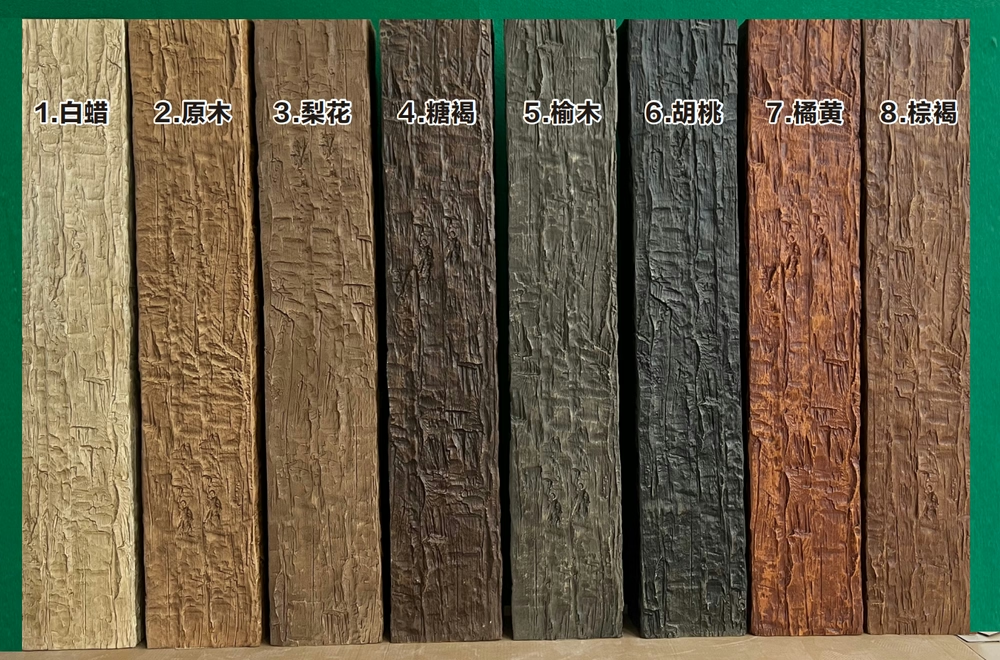
Physical sample evaluation provides essential information for informed purchasing decisions. Requesting samples from multiple suppliers allows direct comparison of texture quality, color accuracy, and finish durability. These samples should be evaluated under actual installation lighting before commitment.
Warranty terms indicate manufacturer confidence in product performance. Extended warranty coverage typically reflects higher production standards and material quality. Clear terms specifying covered conditions and resolution procedures protect purchaser interests.
Supplier reputation and customer service quality matter beyond product specifications. Responsive communication, accurate order fulfillment, and problem resolution capabilities distinguish reliable partners. Building supplier relationships simplifies future project planning and ensures consistent quality.

Future Trends in Wood Grain Reproduction
Emerging technologies continue advancing authenticity in synthetic wood reproduction. Digital scanning captures wood characteristics with increasing precision, while manufacturing techniques improve texture fidelity. These advances narrow distinctions between synthetic and natural materials.
Custom texture development addresses project-specific requirements beyond standard catalog offerings. Designers seeking unique appearances work with manufacturers to develop proprietary treatments. These collaborations expand available options for discriminating applications.
Sustainability-driven innovation introduces materials and processes that reduce environmental impact. Bio-based polyols, enhanced recycled content, and manufacturing efficiency improvements all contribute to improved environmental profiles that satisfy eco-conscious consumers.
Technical References
ASTM standards cited in every specification
Test Data
Lab results from internal testing program
Updated 2026
Reviewed against current product specs