The texture of natural wood grain provides one of the most distinctive visual experiences in interior design, offering organic complexity that no paint or artificial material has successfully replicated until recently. Each species presents its own grain signature—the bold patterns of oak, the subtle figures of maple, the dramatic swirls of walnut—creating a visual vocabulary that connects interior spaces to the natural world. Modern polyurethane faux beams now capture these grain characteristics with sufficient fidelity to satisfy all but the most discerning observers.
The challenge of grain reproduction extends beyond simple pattern copying. Genuine wood grain possesses depth and dimensionality that superficial texturing cannot achieve. Light interacts with grain differently across its contours, creating the subtle shimmer that changes with viewing angle and illumination. This optical complexity, invisible in casual observation but immediately missed when absent, separates convincing reproductions from obviously artificial imitations.
The Science of Grain Formation
Understanding how to reproduce wood grain requires understanding how grain forms in growing trees. The grain pattern we observe on cut surfaces reflects the tree's annual growth cycles, with wider cells forming during rapid spring growth and denser cells during slower summer growth. This alternating density creates the concentric ring patterns visible on end-grain surfaces and the parallel line patterns on longitudinal cuts.
The angle at which wood is cut relative to the growth rings dramatically affects grain appearance. Plain-sawn (tangential) cutting produces the familiar cathedral grain pattern with its characteristic arch shapes. Quarter-sawn cutting, perpendicular to the growth rings, creates straight, parallel grain lines with distinctive ray fleck in species like oak. Rift-sawn cutting, at angles between these extremes, produces intermediate patterns with varying degrees of figure.
Quality faux beam manufacturing incorporates these cutting orientation considerations into texture development. Different grain patterns are available for different wood species and appearance targets, allowing selection of appropriate textures for specific design objectives. The texture depth and character vary appropriately between the more dramatic figures found in quartersawn samples and the subtler patterns of plain-sawn stock.
Species-Specific Grain Characteristics
Oak grain presents perhaps the most reproduced wood texture due to the species' popularity in furniture and architectural applications. The wood's prominent grain pattern, featuring pronounced earlywood-to-latewood transitions, creates strong visual definition even in large scale applications. Quarter-sawn oak displays distinctive ray cells that produce the characteristic flake pattern prized in fine furniture, adding visual interest beyond basic grain lines.
Maple grain, by contrast, presents subtle figures that challenge reproduction quality. The wood's fine, consistent texture includes occasional character marks—small birdsye indentations, gentle figure waves—that require careful reproduction to avoid appearing as surface defects rather than authentic wood characteristics. Maple's challenging reproduction requirements mean that only quality manufacturers achieve convincing results with this species.
Walnut's dramatic grain variation, ranging from nearly straight to wildly contorted, offers both opportunities and challenges for texture reproduction. The wood's rich brown coloration provides excellent contrast for grain patterns, making even subtle figures highly visible. Quality reproductions must capture this range of variation, providing options for both the straight-grained examples prized in contemporary interiors and the more dramatic figures appropriate to traditional settings.
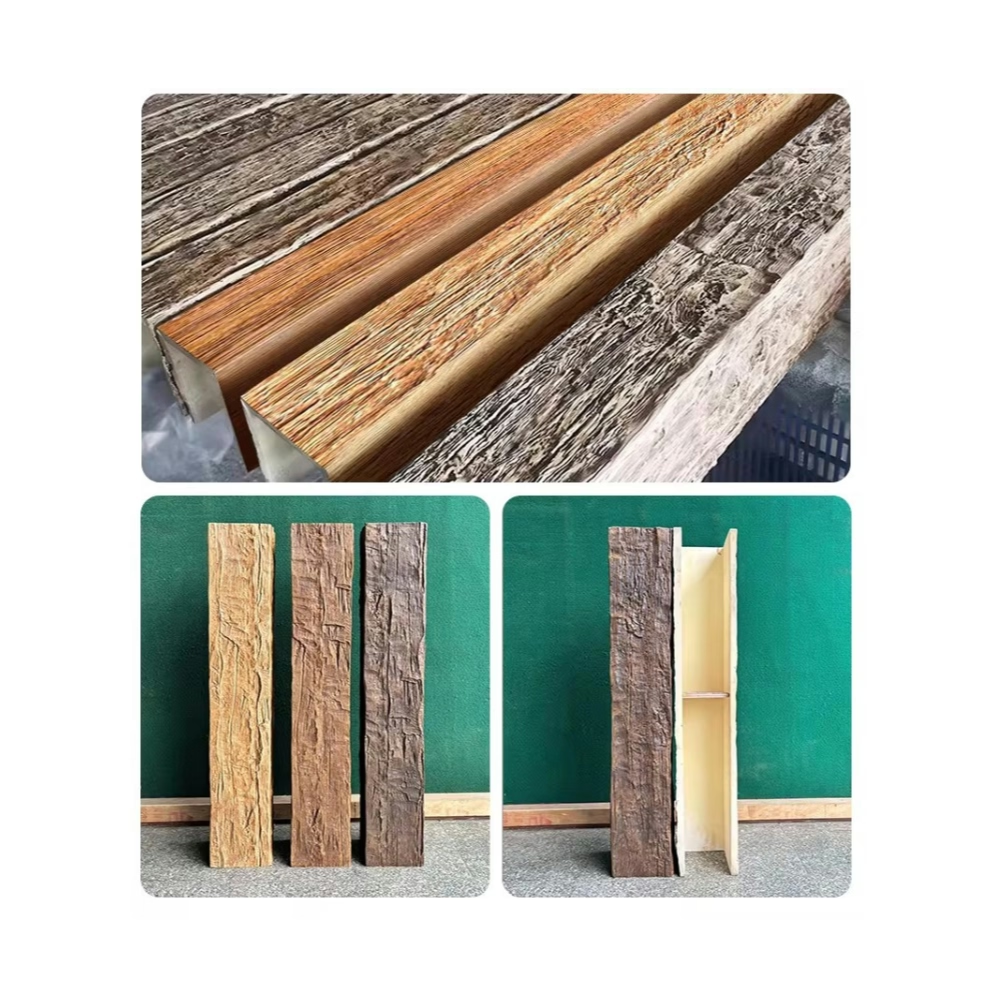
Texture Depth and Light Interaction
The three-dimensional quality of genuine wood grain results from actual surface variations that affect how light reflects from the material. Grain lines represent slight depressions or elevations relative to surrounding wood, creating physical texture that interacts with illumination. This physical component proves essential for convincing grain reproduction.
Premium faux beams achieve appropriate texture depth through manufacturing processes that create genuine surface variations rather than merely visual suggestions of grain. The texture should feel slightly tactile when touched, with subtle ridges and valleys that match the visual pattern. However, texture should not be so pronounced that it catches dust or creates cleaning difficulties; the goal involves authentic appearance rather than extreme surface variation.
The interaction between texture and lighting affects the beam's appearance in different conditions. Direct lighting emphasizes texture dramatically, revealing every contour. Indirect or diffused lighting produces softer appearance with less obvious surface characteristics. Quality installations account for typical lighting conditions, selecting texture levels appropriate to the specific application while maintaining authenticity across expected viewing conditions.
Color Gradation Within Grain
Genuine wood grain includes natural color variation that contributes significantly to its visual appeal. Growth ring boundaries often show subtle color shifts between earlywood and latewood. Knot areas display concentric color rings with characteristic darker and lighter zones. Mineral deposits, stress patterns, and other factors create additional color variations across individual pieces.
Quality faux beams reproduce these color gradations through careful finishing processes that apply pigment variation matching natural wood characteristics. The color patterns should follow grain direction, intensifying along grain lines and creating the natural transitions found in genuine timber. Random or inconsistent color patterns suggest artificial application rather than authentic wood behavior.
The specific color palette varies by wood species and individual specimen, creating the natural variation that makes each piece unique. Quality manufacturers produce multiple variations within each style, ensuring that installations using multiple beams avoid obvious repetition. This variation becomes particularly important in larger installations where repeated patterns would become visually apparent.
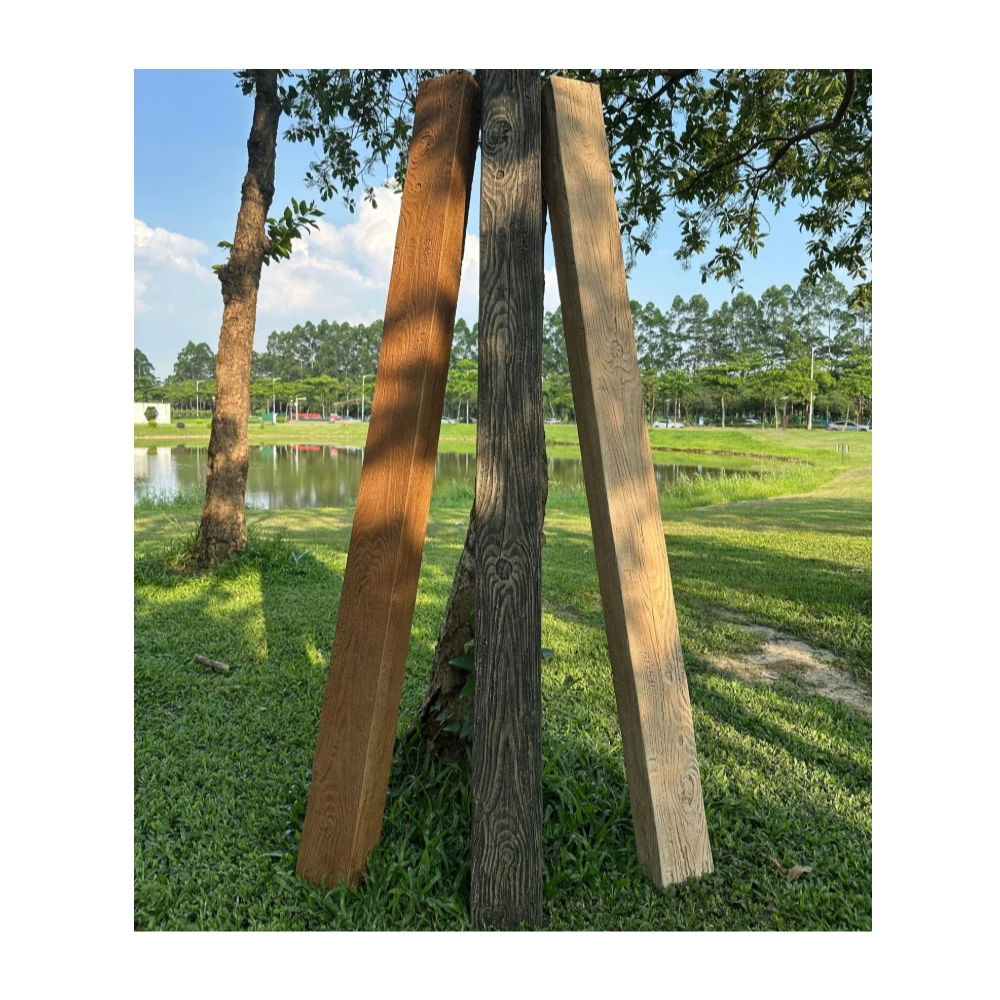
Installation Practices for Grain-Heavy Beams
The visual impact of grain reproduction requires thoughtful installation practices to maximize authenticity. Joint placement between beams should avoid matching grain patterns, as continuous grain flow across joints appears unnatural. Staggered joints with deliberately varied alignment create the impression of separate pieces of timber rather than manufactured repetition.
Orientation affects grain appearance significantly. Beams mounted with grain running perpendicular to viewing angles display different characteristics than those with parallel orientation. This consideration matters less for simple parallel installations but becomes important for crossing beam arrangements where adjacent pieces meet at various angles.
Lighting placement relative to grain direction influences perceived texture depth. Light sources positioned to illuminate across grain rather than along grain emphasize surface contours more dramatically. For installations where texture should read clearly, lighting design should account for beam grain orientation, potentially including adjustable fixtures that allow fine-tuning after installation.
Maintenance of Grain-Heavy Surfaces
The textured surfaces of grain-heavy faux beams require maintenance practices that preserve their authentic appearance. Dust accumulation in grain valleys can eventually compromise visual quality if not addressed through periodic cleaning. However, the cleaning requirements remain modest compared to genuine wood's demanding care schedules.
Regular dusting using soft, dry or slightly damp cloths maintains appearance between more thorough cleanings. The grain texture is typically too fine to trap significant debris, making routine maintenance straightforward. For beams in kitchens or other environments where grease or cooking residues might accumulate, occasional cleaning with mild detergent solutions removes buildup without affecting color or texture.
The maintenance advantage over genuine wood becomes most apparent over extended ownership periods. Natural wood grain collects dust in ways that require careful cleaning to avoid damaging surface finishes. The risk of moisture damage during cleaning affects genuine wood but not polyurethane. These practical differences translate to simpler, more reliable maintenance routines that preserve authentic appearance indefinitely.
Selecting Quality Grain Reproduction
Not all faux beams achieve equal grain reproduction quality, making careful selection essential for satisfying results. The most reliable assessment method involves examining physical samples under varied lighting conditions. Photographs cannot capture the texture depth and color gradation that distinguish quality reproductions from budget alternatives.
Texture uniformity across beam surfaces indicates quality manufacturing processes. Variations in texture depth, inconsistent color application, or visible repeating patterns suggest manufacturing shortcuts that compromise authenticity. Quality beams should display natural variation consistent with genuine wood behavior, including occasional concentrations of figure, areas of relative plainness, and appropriate transitions between these zones.
Warranty coverage and manufacturer reputation provide additional selection criteria. Manufacturers confident in their reproduction quality typically offer substantial warranties covering appearance retention and material defects. Established companies with strong market presence have invested in quality control processes that budget alternatives may not match. These factors should influence selection alongside initial price considerations.
Technical References
ASTM standards cited in every specification
Test Data
Lab results from internal testing program
Updated 2026
Reviewed against current product specs


