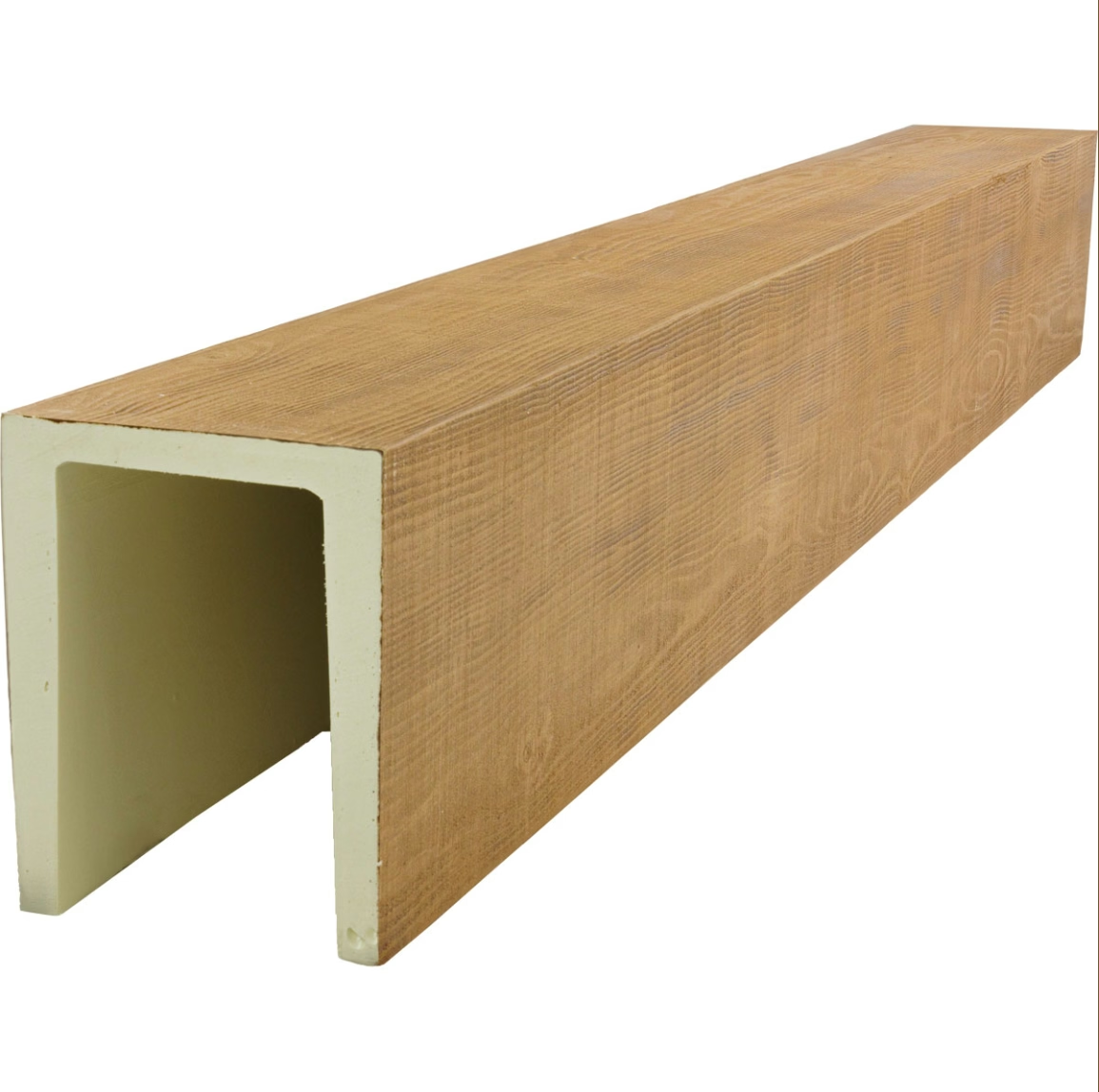
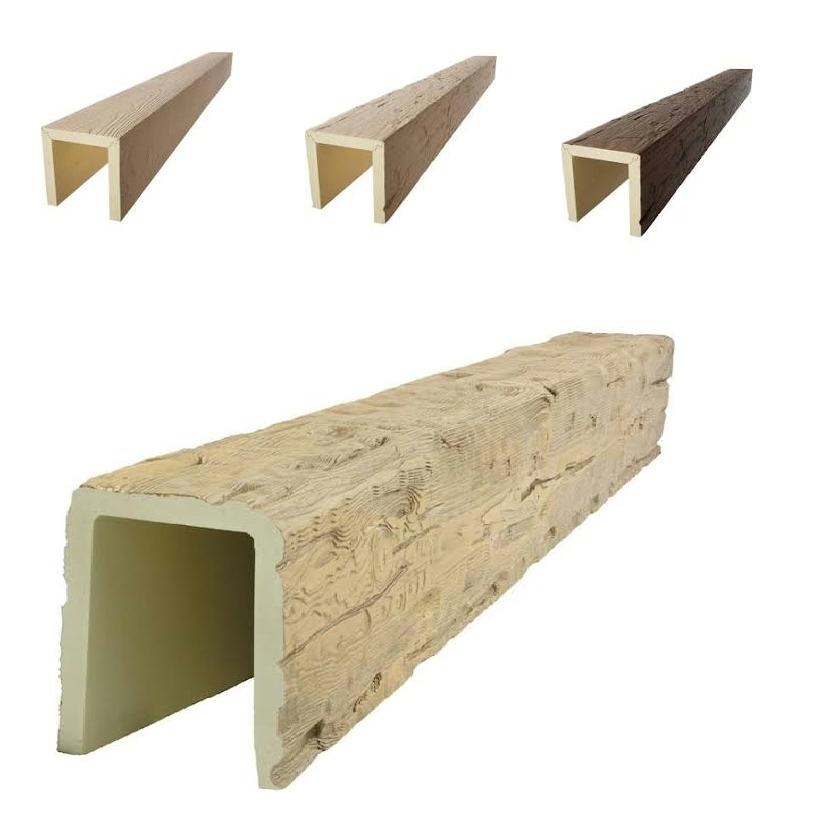
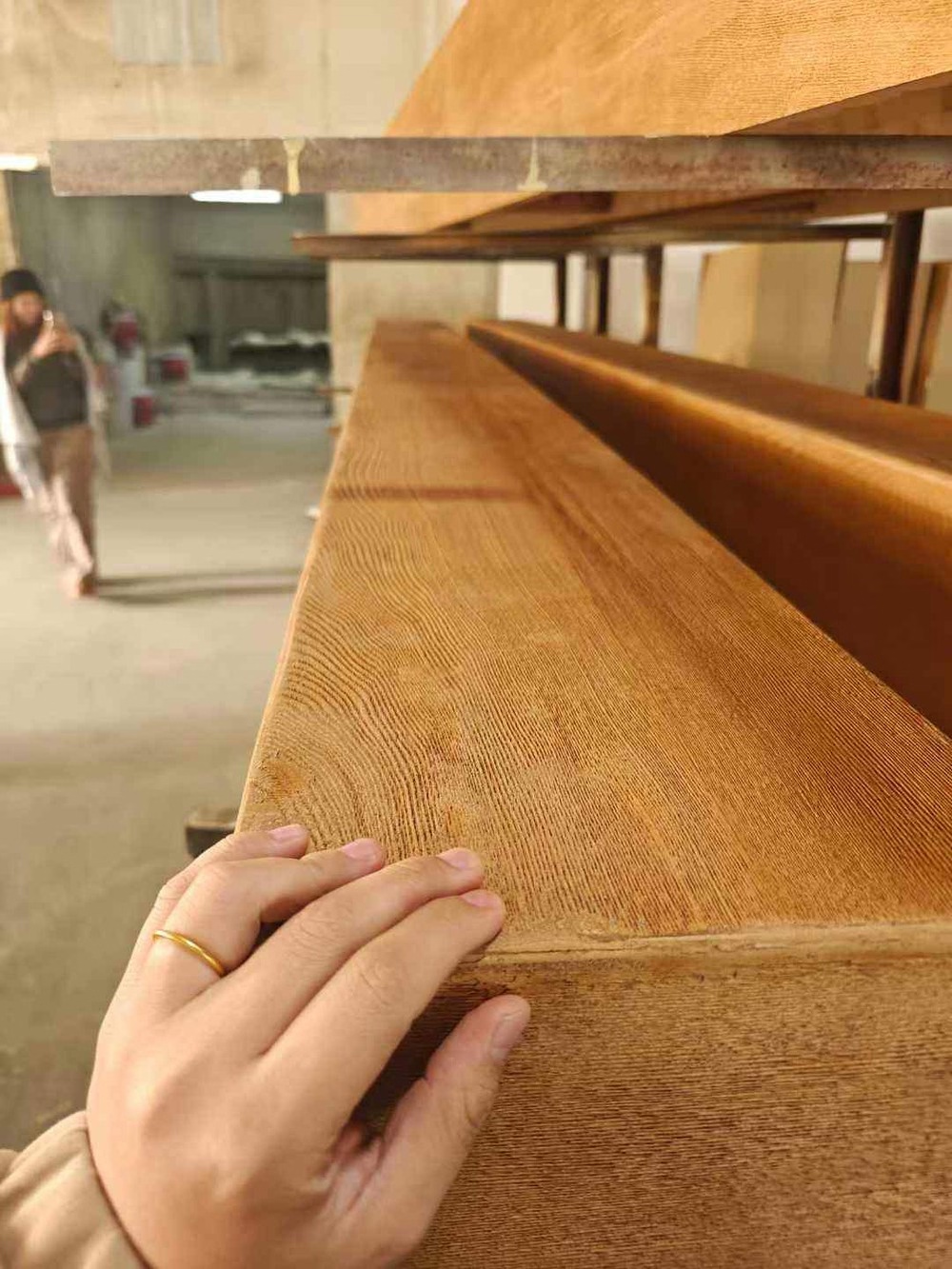
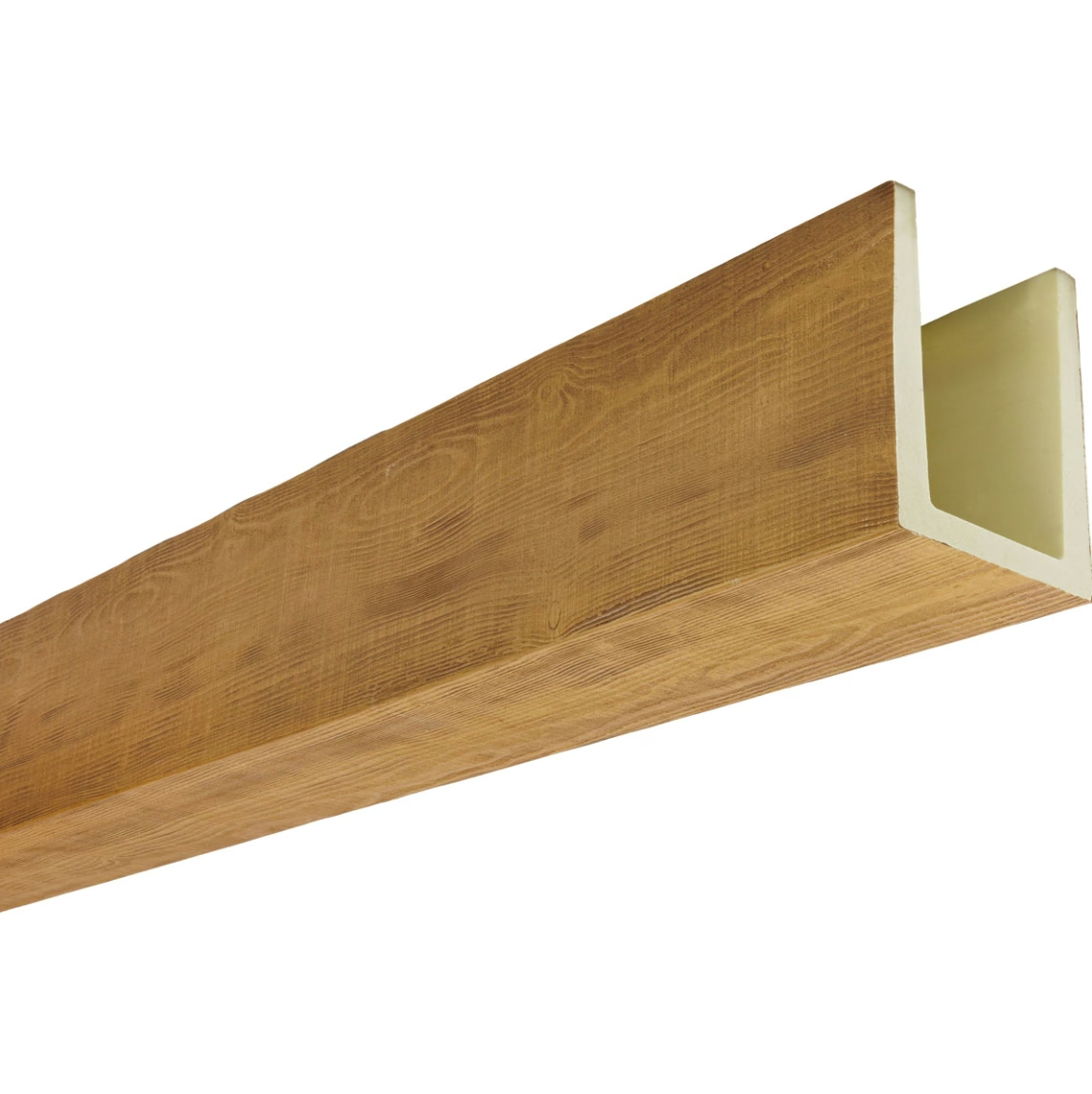
The pursuit of authentic interior aesthetics has driven material innovation across the construction and decoration industries. Homeowners and design professionals seeking natural material appearances face a fundamental tension between aesthetic goals and practical realities—genuine materials often carry installation complexities, maintenance demands, and cost barriers that limit their applicability. Wood simulation technology, particularly in the sophisticated form of modern polyurethane beams, has emerged as a solution that resolves this tension through materials engineered specifically for authentic appearance and practical performance.
Understanding wood simulation requires examining both the artistic challenge of convincing replication and the engineering solutions that make it possible. The goal extends beyond mere visual similarity to encompass the full sensory experience of genuine timber—the way light plays across grain surfaces, the subtle tactile variations that distinguish species and aging patterns, the dimensional characteristics that establish presence and weight. Achieving this complete authenticity requires attention to multiple technical factors that collectively create convincing results.
The Technical Foundation of Wood Simulation
Authentic wood simulation begins with careful study of the materials being replicated. Wood's visual characteristics derive from biological processes that create the distinctive patterns we recognize as grain, figure, and texture. Replicating these patterns convincingly requires understanding what creates them at a fundamental level—the annual growth patterns that create ring structures, the cellular arrangements that create ray patterns, the stress responses that create checking and weathering.
Mold creation captures these natural characteristics with precision that determines ultimate authenticity. Modern manufacturing processes create molds from detailed scans of genuine wood samples, preserving features at multiple scales from obvious grain patterns to microscopic surface variations. The resulting molds transfer these characteristics to polyurethane with fidelity that approaches true reproduction.
Material formulation affects how successfully captured textures translate to finished products. The polyurethane mixture must flow into mold details without leaving bubbles or voids while achieving densities that provide realistic weight and durability. Surface hardness must balance authenticity with practical durability. These competing requirements demand careful formulation and quality control during production.
Species Accuracy and Selection
Different wood species present distinct replication challenges based on their specific visual signatures. Oak's bold, pronounced grain differs fundamentally from maple's subtle figure or walnut's dramatic swirls. Quality wood simulation addresses species-specific characteristics rather than producing generic wood-like surfaces that fail to satisfy observers familiar with specific species.
White and red oak simulations must capture the pronounced earlywood-to-latewood transitions that create the species' characteristic bold grain. Quarter-sawn patterns require attention to ray cell flake patterns that appear at perpendicular viewing angles. The warm color spectrum of both species must be reproduced accurately, avoiding the gray or muddy tones that affect lesser products.
Maple simulation presents different challenges due to the species' more subtle characteristics. The fine, consistent grain pattern provides fewer visual landmarks for recognition, making accuracy more critical. Birdseye maple figure, when targeted, requires reproduction of distinctive small indentations that characterize this sought-after pattern. Quality maple simulation achieves convincing results through careful attention to these subtle details.
Walnut and other premium species require equally careful treatment, with dramatic grain variation and rich color palettes demanding accurate reproduction. These species often appear in higher-end applications where observers are more likely to recognize and appreciate accurate simulation. Quality manufacturers offer premium products addressing these demanding applications.
Texture Reproduction Techniques
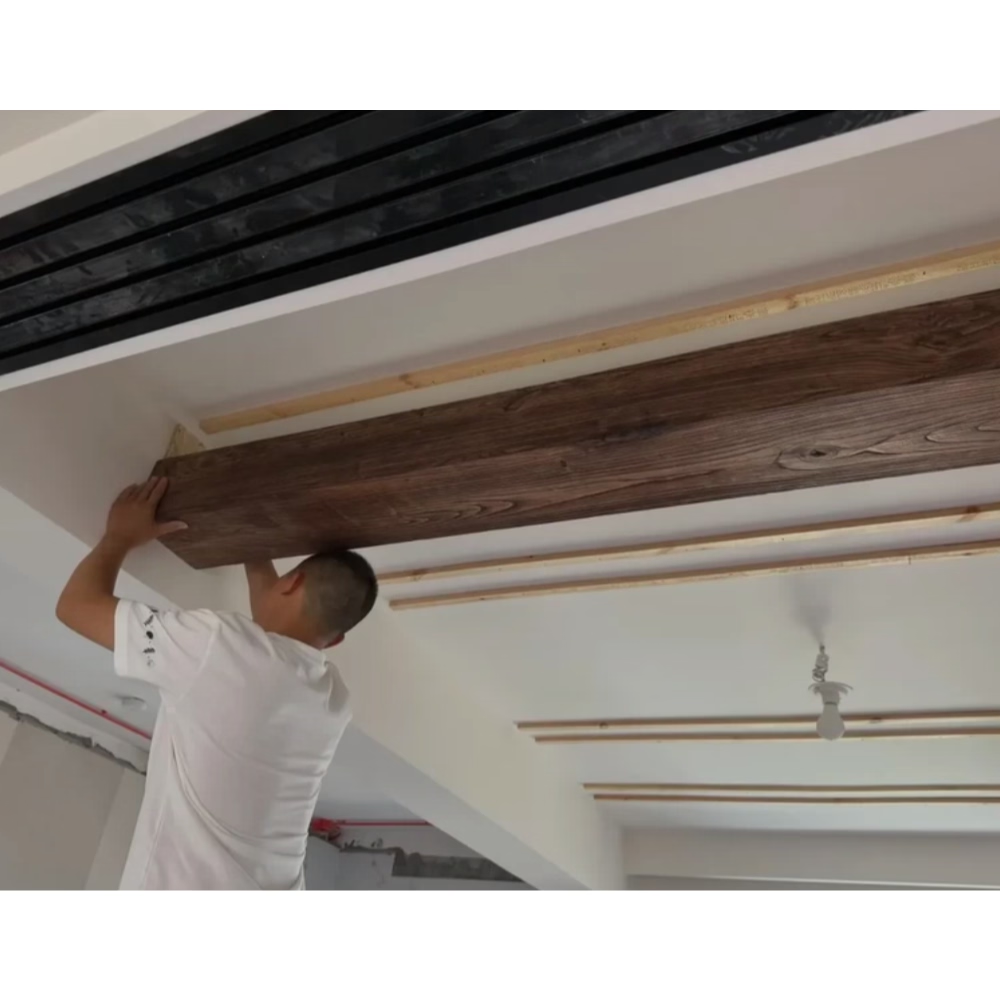
Surface texture fundamentally affects how wood appears and feels, with texture variation across grain lines creating the dimensional quality that distinguishes authentic wood from flat surfaces. Quality wood simulation achieves texture through careful mold design and appropriate material formulation, creating surfaces that feel genuinely textured when touched.
The depth of grain line depression affects both appearance and authenticity. Too shallow, and the surface appears painted rather than textured. Too deep, and the texture catches dust and becomes difficult to clean. Quality products achieve optimal depths that provide authentic appearance while maintaining practical cleanability.
Surface hardness variation across grain lines, mimicking natural wood's differential density between earlywood and latewood, adds further authenticity. This variation creates subtle tactile experiences that reinforce visual impressions of authenticity. The variation should be controlled rather than random, following natural wood behavior rather than manufacturing artifacts.
Finishing for Authentic Appearance
The finishing process completes wood simulation by adding color and protective properties that affect both appearance and durability. Quality finishing involves multiple steps that build depth and complexity through layered application.
Color application should penetrate throughout the material rather than sitting on surfaces where it might wear away. For polyurethane beams, colorants are typically integrated during manufacturing rather than applied as surface finishes, ensuring long-term color retention. Surface finishes, when applied, serve protective functions rather than providing primary coloration.
Finish sheen affects both appearance and authenticity. High-gloss finishes appear artificial, while overly matte finishes may suggest painted rather than natural wood. Quality products achieve the moderate sheen typical of finished timber, providing visual interest through light reflection without appearing obviously synthetic.
Aging effects, when desired, add authenticity through controlled distressing that mimics natural weathering and handling wear. Knot darkening, edge wear, and surface patina create the impression of genuine aged timber. These effects require skill to apply appropriately, avoiding both insufficient treatment that fails to create authenticity and over-treatment that appears theatrical rather than natural.
Installation for Authentic Results
Even the highest quality wood simulation beams can appear artificial if installed inappropriately. Professional installation techniques ensure that authentic materials produce authentic results through careful attention to mounting, joint treatment, and finishing details.
Mounting visibility should be minimized to maintain the appearance of structural authenticity. Fasteners should be concealed within grain patterns, positioned where shadows naturally fall, or hidden behind beam profiles. Exposed fasteners, when necessary, should use hardware appropriate to the simulated wood species and age.
Joint treatment significantly affects installation authenticity. Beam ends meeting at corners require grain pattern continuation that suggests single-piece construction rather than butt joints. Intermediate joints should fall at locations where natural wood would show similar connections. Careful positioning and selection of beam ends for each joint location achieves convincing results.
Integration with surrounding elements—ceiling surfaces, walls, trim—should appear intentional rather than accidental. Gaps between beams and adjacent surfaces, when visible, suggest poor installation rather than authentic timber construction. Quality installations eliminate or minimize visible gaps through careful measurement, fitting, and finishing.
Maintenance of Simulated Wood
One of the primary advantages of polyurethane wood simulation over genuine timber involves maintenance requirements. Understanding appropriate care practices ensures that installations maintain their authentic appearance indefinitely.
Routine cleaning involves dusting or light wiping to remove accumulated debris. The frequency depends on environmental conditions and building use patterns, with typical residential installations requiring cleaning only occasionally. Cleaning methods should avoid harsh chemicals that might affect surface finishes, using mild detergents when necessary.
Inspection and repair, while less frequently required than for genuine timber, may become necessary following unusual events. Impact damage might require patching or section replacement depending on severity. Quality products often include repair compounds designed for their specific formulations, enabling seamless repairs when damage occurs.
The long-term appearance retention of quality simulated wood eliminates the refinishing cycles that genuine timber requires. UV-stable colorants resist fading, maintaining color intensity throughout extended exposure. Moisture resistance prevents dimensional changes and deterioration. These material properties translate directly to maintenance simplification for property owners.
Investment Analysis for Wood Simulation
The economic comparison between wood simulation and genuine timber extends beyond initial purchase prices to encompass lifecycle costs and practical considerations. Comprehensive analysis reveals why quality simulation often provides superior value despite higher initial prices in some cases.
Initial material costs for quality wood simulation typically run forty to seventy percent below comparable genuine timber options. This differential scales with project size, becoming more significant as linear footage increases. For whole-room or whole-house installations, the savings can reach substantial amounts.
Installation costs favor simulated products even more decisively. Handling, mounting, and finishing all benefit from the practical advantages of polyurethane over genuine timber. Professional installation, when required, costs less for simulated products due to reduced complexity and faster installation times.
Lifecycle cost analysis completes the economic picture. Natural wood requires ongoing maintenance expenses—cleaning, refinishing, repair—that accumulate over ownership periods. Quality wood simulation eliminates these ongoing costs, representing a one-time investment that serves indefinitely without additional expense.
Technical References
ASTM standards cited in every specification
Test Data
Lab results from internal testing program
Updated 2026
Reviewed against current product specs