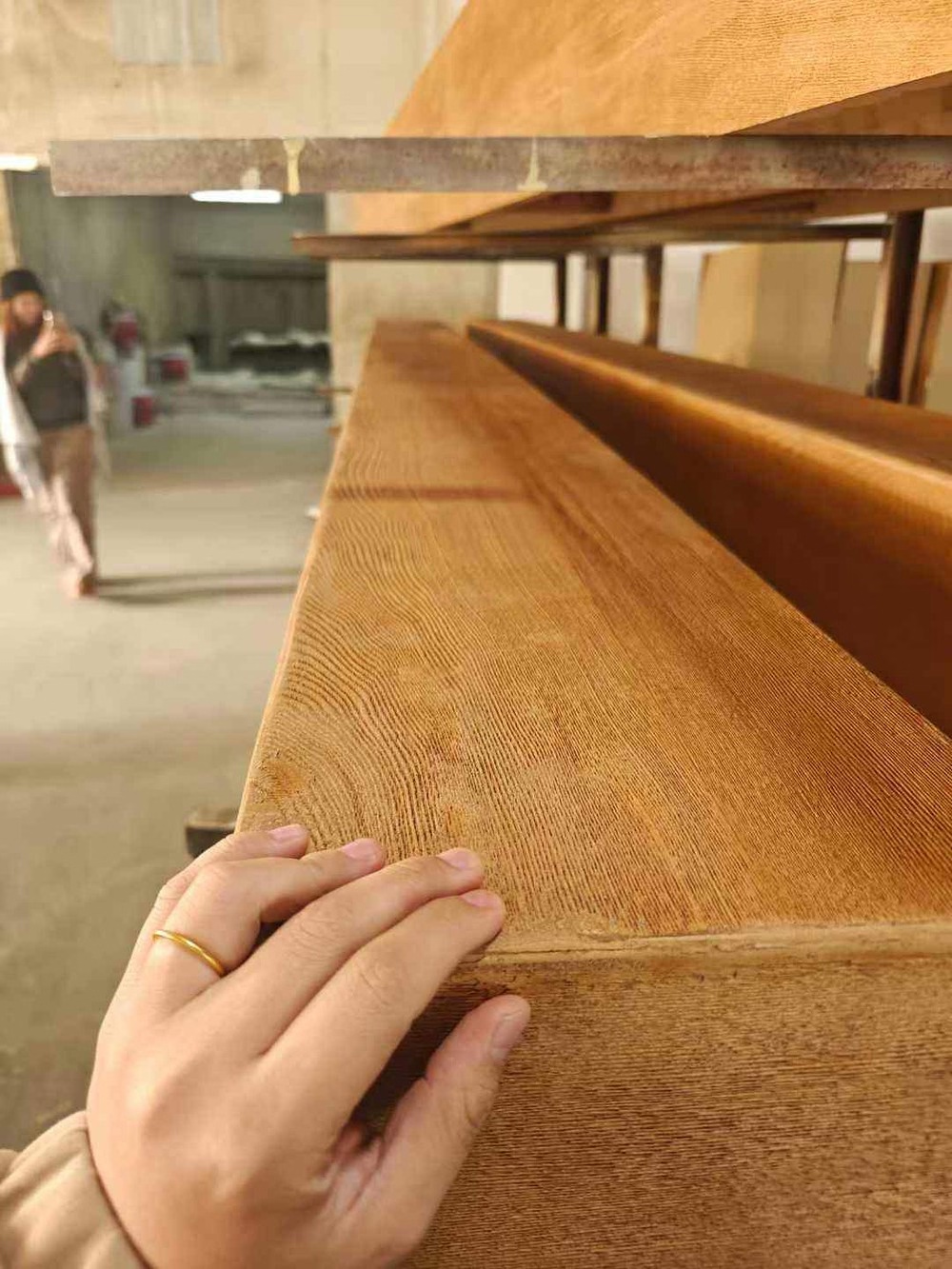
Visual authenticity represents the fundamental promise of quality polyurethane faux beams. Manufacturers invest substantially in research and development to narrow the gap between simulated and genuine timber, employing sophisticated techniques that capture wood's organic complexity. The results have become increasingly difficult to distinguish from authentic materials.
Understanding how manufacturers achieve this level of realism helps buyers make informed purchasing decisions. The materials and processes underlying convincing faux timber involve considerable technical sophistication, even when the final product appears simply beautiful.

The Science of Wood Grain Replication
Natural wood grain patterns emerge from biological growth processes that create unique characteristics in each tree. The concentric rings reflecting seasonal growth variation, the medullary rays creating figure in quarter-sawn wood, and the subtle color gradients within heartwood and sapwood combine to produce timber's distinctive appearance. Replicating these features convincingly requires careful study and advanced molding technology.
Manufacturers begin by selecting representative timber samples that embody the desired aesthetic. These samples serve as the basis for mold creation, with technicians carefully capturing fine detail through silicone rubber impression processes. The resulting molds preserve grain depth, knot locations, and surface texture with precision that enables faithful reproduction.
Multiple molds often capture different portions of the original sample, allowing manufacturers to vary patterns across production runs. This variation prevents the repetitive appearance that would betray a product as obviously manufactured rather than harvested. Each beam section draws from multiple mold areas, creating the natural variation that characterizes authentic timber.
Surface Texture and Tactile Realism
Visual authenticity alone proves insufficient for truly convincing faux timber. Touch contributes significantly to our perception of materials, and surface texture must match visual appearance to achieve complete realism. Polyurethane's ability to capture fine surface detail enables manufacturers to create tactile experiences matching wood's characteristic feel.
Hand-finishing operations add additional realism through subtle surface modifications. Skilled workers introduce micro-variations that break up overly uniform surfaces, creating the subtle imperfections that distinguish real timber from synthetic imitations. This attention to detail occurs at a scale invisible from normal viewing distances but crucial for close inspection.
The hardness of polyurethane relative to softwood timber affects how the material responds to light. Dense oak and maple reflect differently than softer Douglas fir or cypress. Manufacturers calibrate surface formulations to match the reflective properties of specific wood species, ensuring consistent appearance across different lighting conditions.

Color Development and Consistency
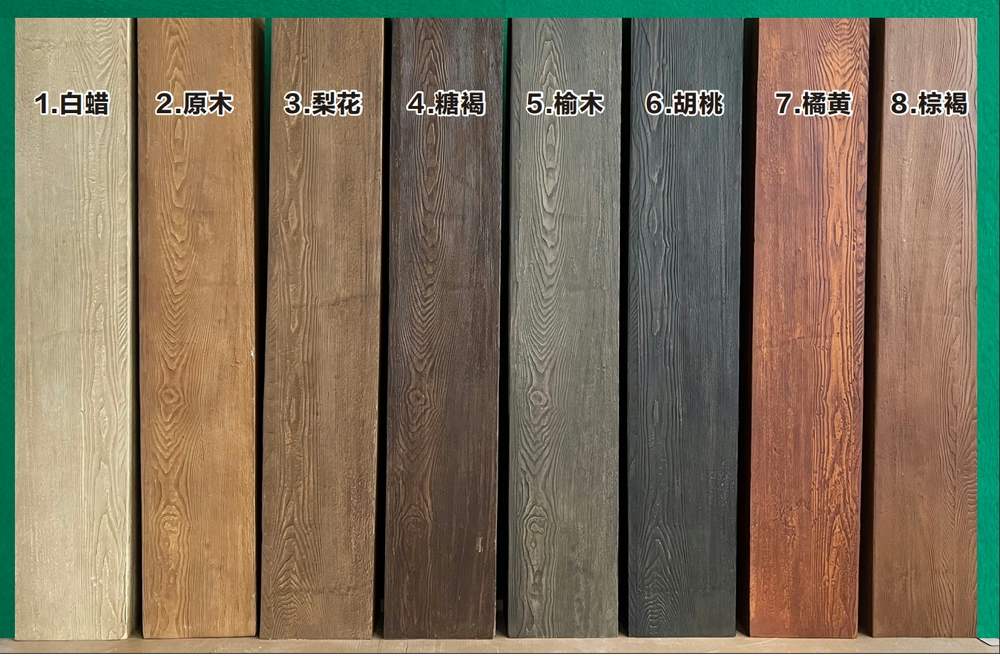
Wood coloration involves complex chemistry within living trees, producing the rich browns, warm ambers, and subtle grays that characterize various species. Polyurethane faux beams must replicate these colors through pigment formulation rather than natural processes, requiring sophisticated color matching techniques.
Reference samples undergo spectral analysis to quantify their color properties objectively. This data guides pigment selection and formulation, enabling technicians to develop base colors that replicate target species accurately. Multiple pigments blend to achieve the subtle tonal variations within natural timber, avoiding the flat appearance of single-color alternatives.
Batch-to-batch consistency presents challenges that quality manufacturers address through rigorous quality control. Each production run compares against reference standards, with color adjustments made as necessary to maintain consistency. This discipline ensures that beams ordered at different times match acceptably when installed together.
Species-Specific Characteristics
Different wood species present distinct aesthetic challenges. Oak's prominent grain and distinctive ray figure require different treatment than maple's subtle, uniform pattern. Reclaimed barn wood's weathered silver-gray demands different coloring than fresh-sawn walnut's rich chocolate brown. Quality manufacturers offer product lines addressing specific species characteristics.
White oak faux beams emphasize the species' distinctive medium-brown coloring with pronounced grain lines. The goal typically involves capturing the refined appearance of architectural grade white oak rather than rustic character. These beams suit traditional and transitional interiors seeking elegant timber presence.
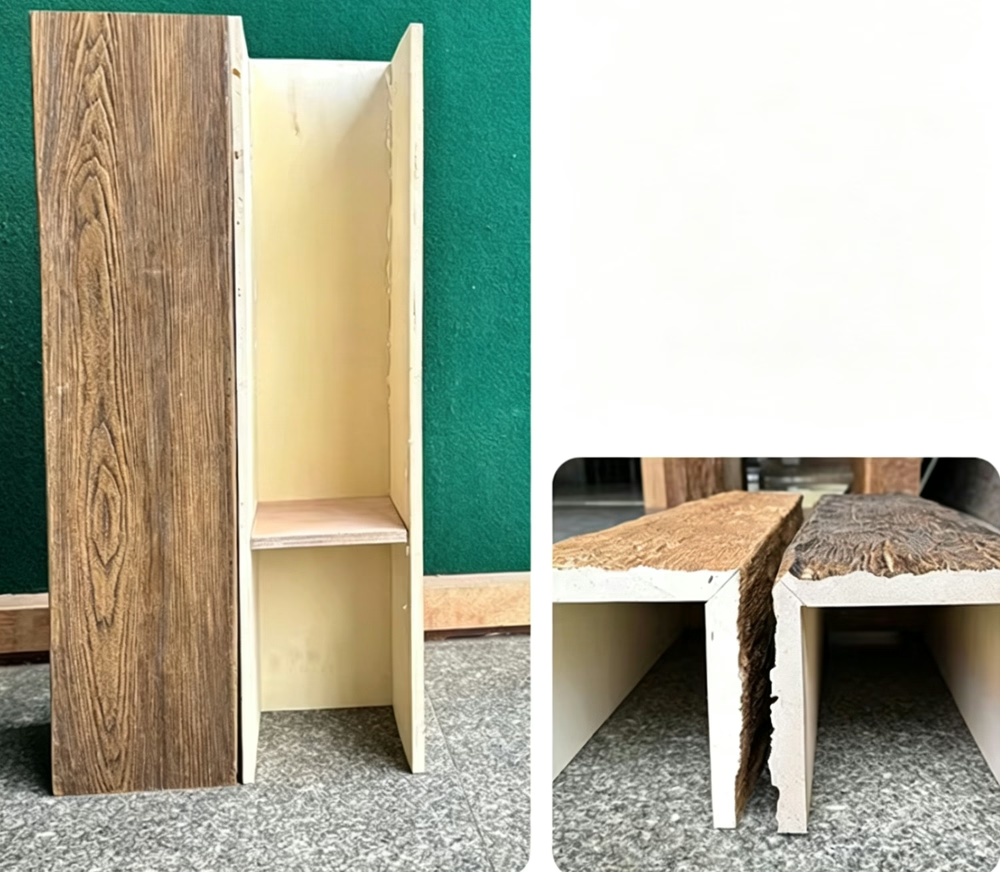
Reclaimed timber aesthetics have grown increasingly popular, driving development of faux products that replicate weathered, distressed wood. These beams incorporate saw marks, nail holes, and weathered checking that characterize genuine reclaimed material. The authentic appearance with modern material performance appeals to environmentally conscious buyers avoiding salvage harvesting.
Aging and Patina Development
Natural wood develops character through use and exposure. The silver-gray weathering of unpainted exterior timber, the darkening of interior wood exposed to sunlight, and the subtle wear patterns in frequently touched areas all contribute to authentic timber's appeal. Faux beam manufacturers address these characteristics through intentional design.
Pre-weathered finishes introduce the gray patina associated with aged exterior timber. These treatments apply specifically to beams intended for covered exterior applications where the weathering aesthetic suits the installation context. The effect proves particularly appropriate for farmhouse, craftsman, and rustic architectural styles.
Interior faux beams may incorporate subtle aging effects appropriate to their intended context. A farmhouse kitchen might feature beams with light distressing suggesting years of use, while a contemporary mountain lodge might prefer pristine timber appearance. Product selection should align with overall design narrative.
Evaluating Authentic Appearance
Purchasers evaluating faux beam quality should examine products critically under various conditions. Daylight viewing reveals color accuracy and grain pattern quality. Shaded conditions test whether surface reflectivity creates obviously synthetic appearance. Close inspection at arm's length exposes any flaws in surface detail or consistency.
Requesting samples for extended evaluation proves worthwhile before major purchases. True appearance assessment requires viewing products in the actual installation context, with lighting matching planned conditions. What appears excellent in warehouse display may prove less convincing in the target space.
Warranty coverage provides manufacturer confidence in appearance durability. Products backed by multi-year appearance warranties demonstrate manufacturer belief in their visual performance. Coverage terms should specifically address color retention, surface integrity, and appearance-related failures.
Technical References
ASTM standards cited in every specification
Test Data
Lab results from internal testing program
Updated 2026
Reviewed against current product specs