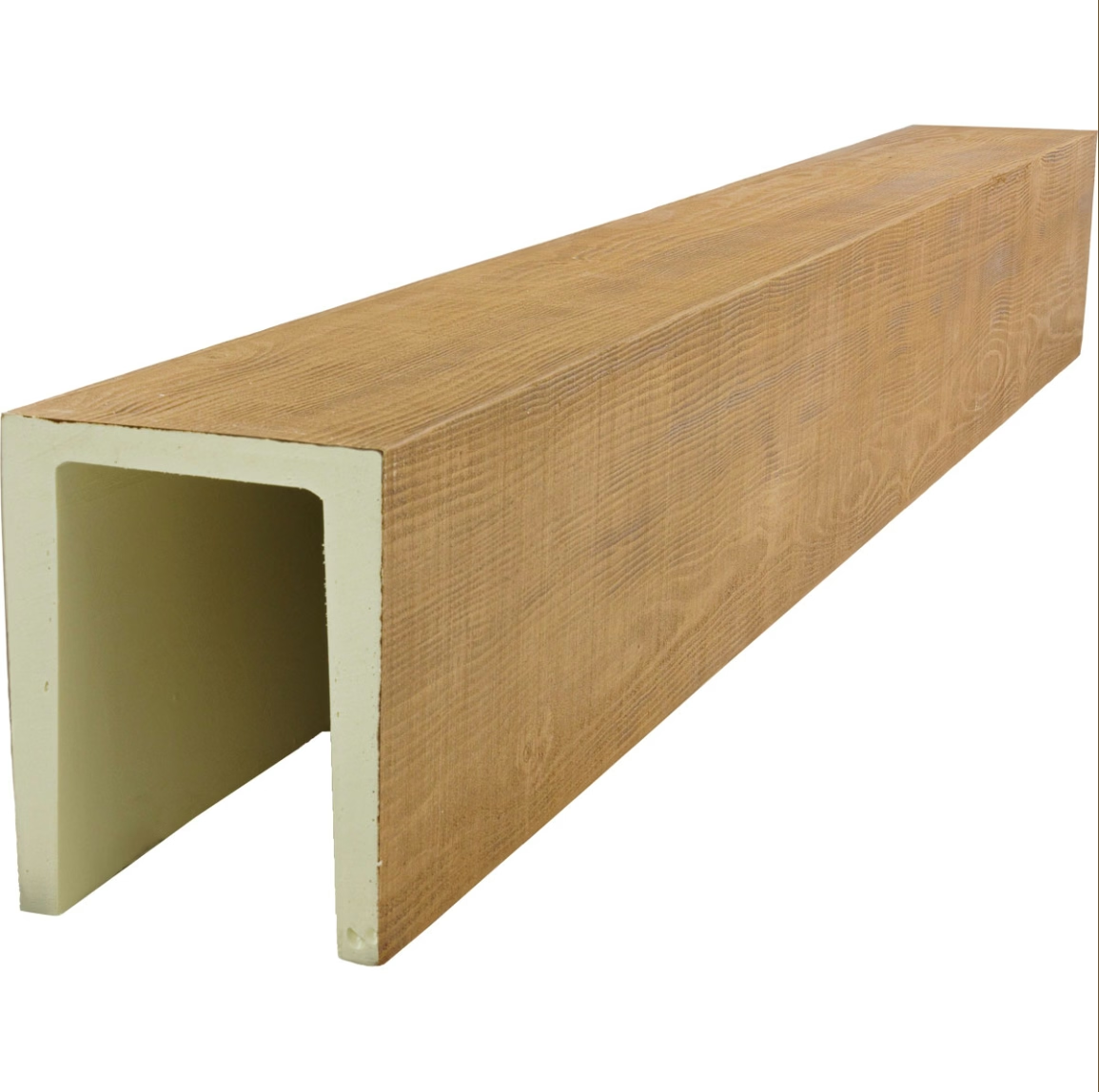
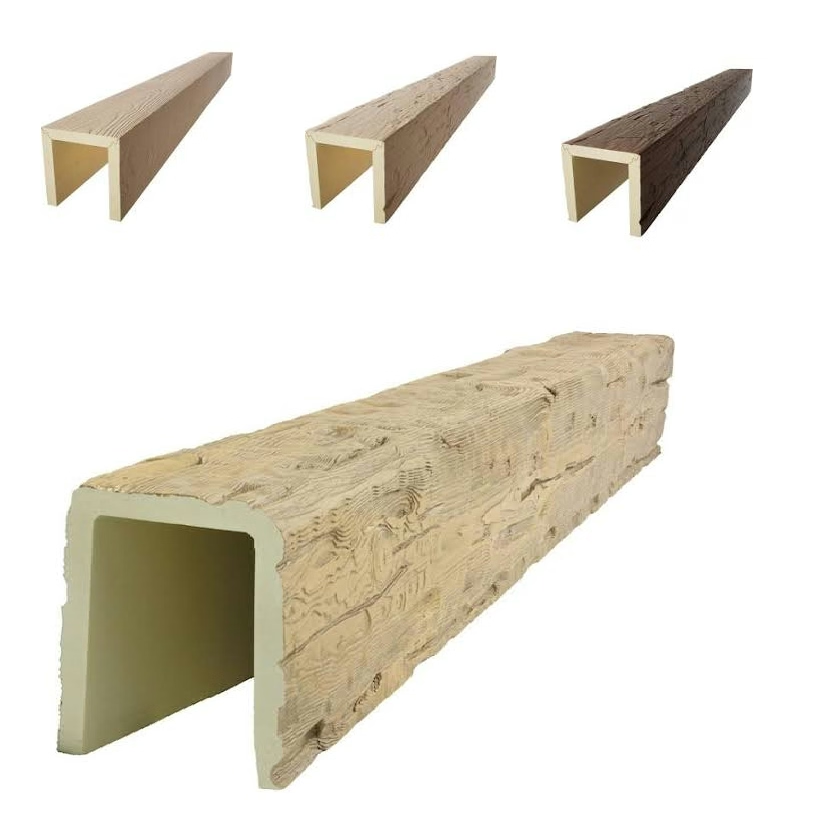
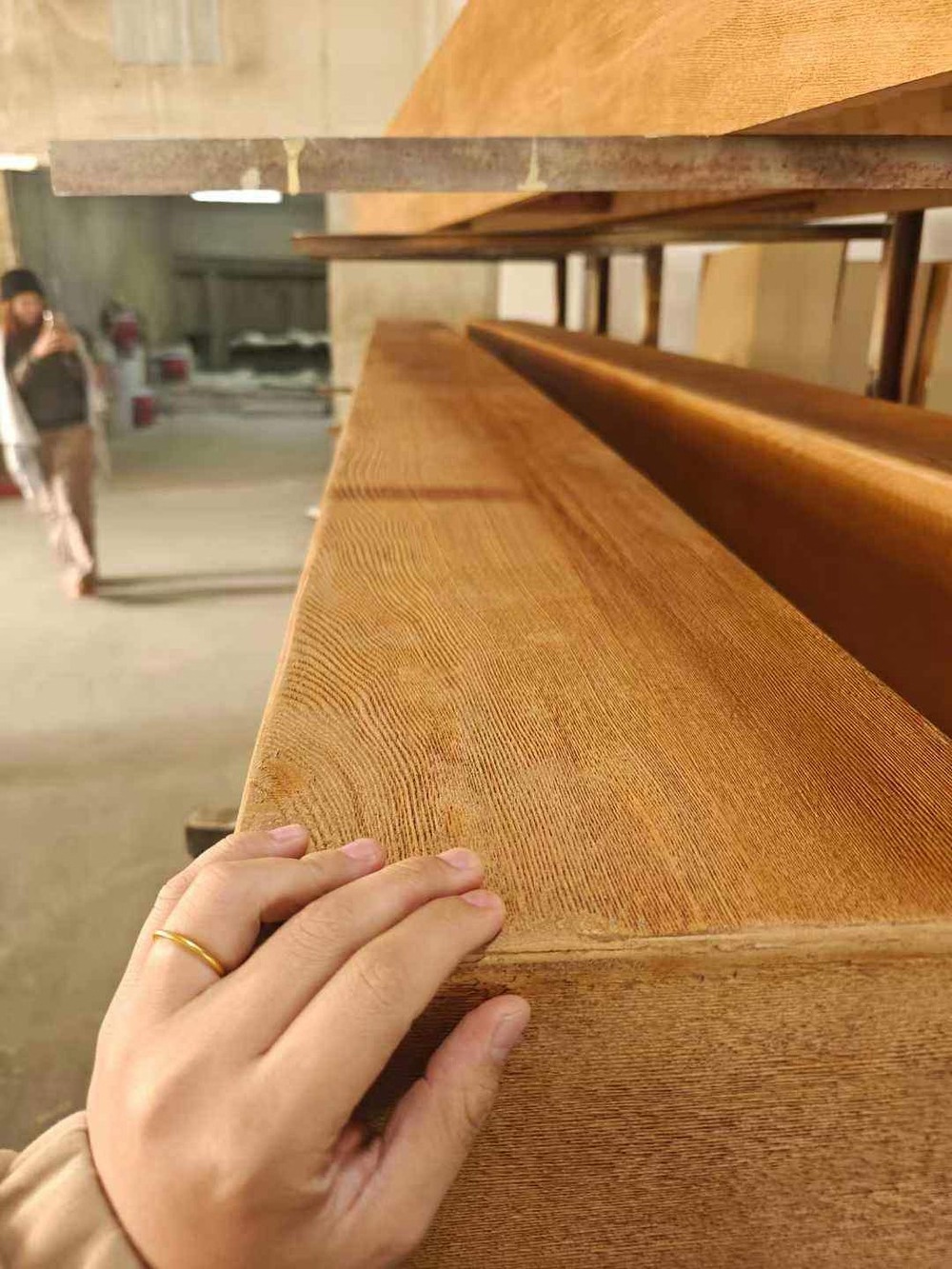
The category of decorative polyurethane beams has matured significantly from early offerings that prioritized cost reduction over quality. Modern products deliver genuine aesthetic value that competes favorably with natural materials in most applications. This evolution has expanded the market beyond budget-conscious projects to include premium installations where quality expectations remain paramount.
Understanding the complete value proposition helps designers specify polyurethane beams appropriately. The combination of visual quality, practical performance, and economic efficiency creates compelling justification for selection across diverse project types and budgets.

Visual Quality Developments
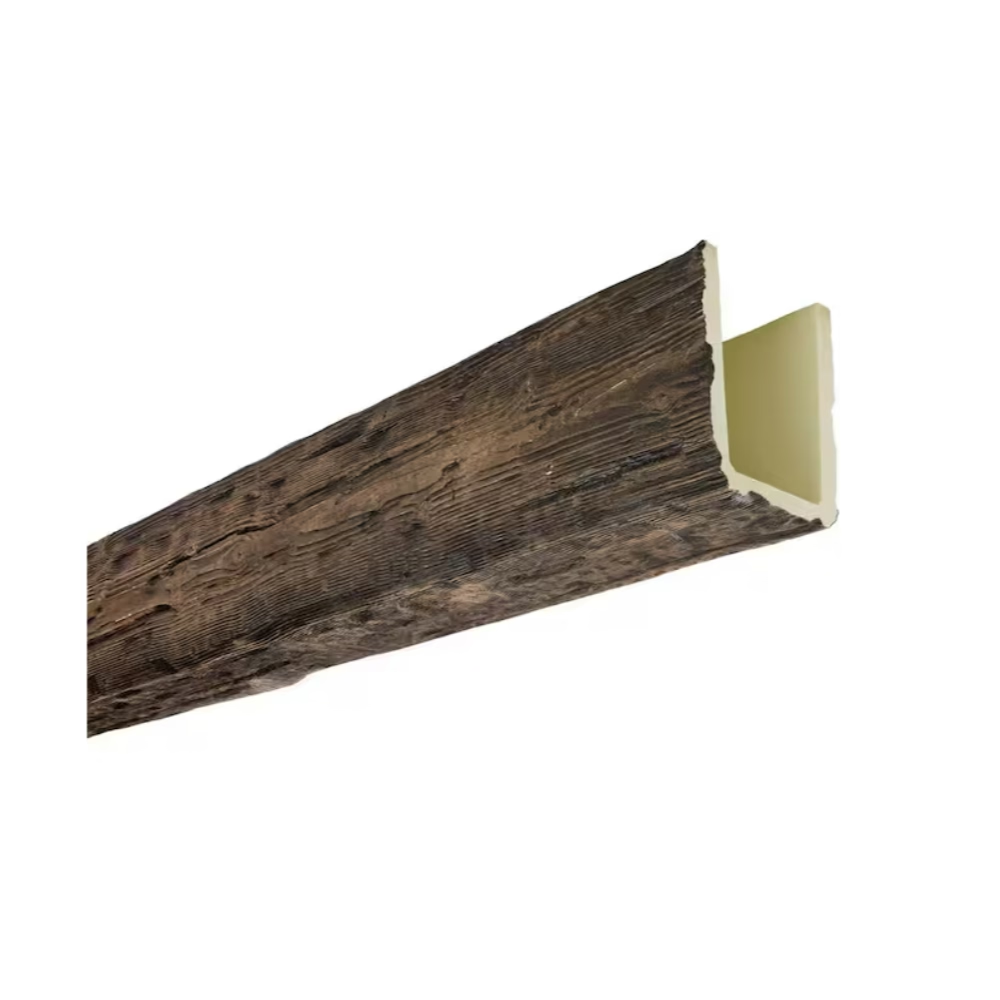
Contemporary polyurethane beam manufacturers employ production techniques derived from aerospace and automotive industries where precision molding has long been standard. These advanced methods capture fine surface details that earlier products missed, producing beams that satisfy even discriminating observers on close inspection.
Multi-layer painting processes apply color with depth and variation that single-coat finishes cannot achieve. The layered approach mimics how light interacts with genuine wood surfaces, creating visual complexity that reads as authentic rather than manufactured. This attention to finish quality distinguishes premium products from economy alternatives.
Surface texture development involves both mold capture and post-mold finishing. The combination produces surfaces with characteristics that photographs often fail to convey fully. Designers should examine physical samples rather than relying exclusively on imagery when visual quality is paramount.
Performance Characteristics
Impact resistance proves particularly valuable in residential applications where unexpected contact occurs more frequently than in controlled commercial environments. Polyurethane absorbs impacts that would dent or damage genuine timber, maintaining surface integrity through everyday use. This resilience proves especially valuable in family homes with children and pets.
Moisture resistance enables installations in environments where genuine timber would require problematic sealing or treated alternatives. Bathrooms, kitchens, swimming pool enclosures, and exterior applications under cover all accommodate polyurethane beams without special treatment. This versatility simplifies specification across diverse room types.
Thermal stability prevents the expansion and contraction that causes genuine timber to crack, warp, or develop squeaks over time. Polyurethane maintains consistent dimensions regardless of temperature fluctuations, ensuring that joints remain tight and surfaces remain true indefinitely. This dimensional stability proves particularly valuable in regions with extreme seasonal temperature variation.
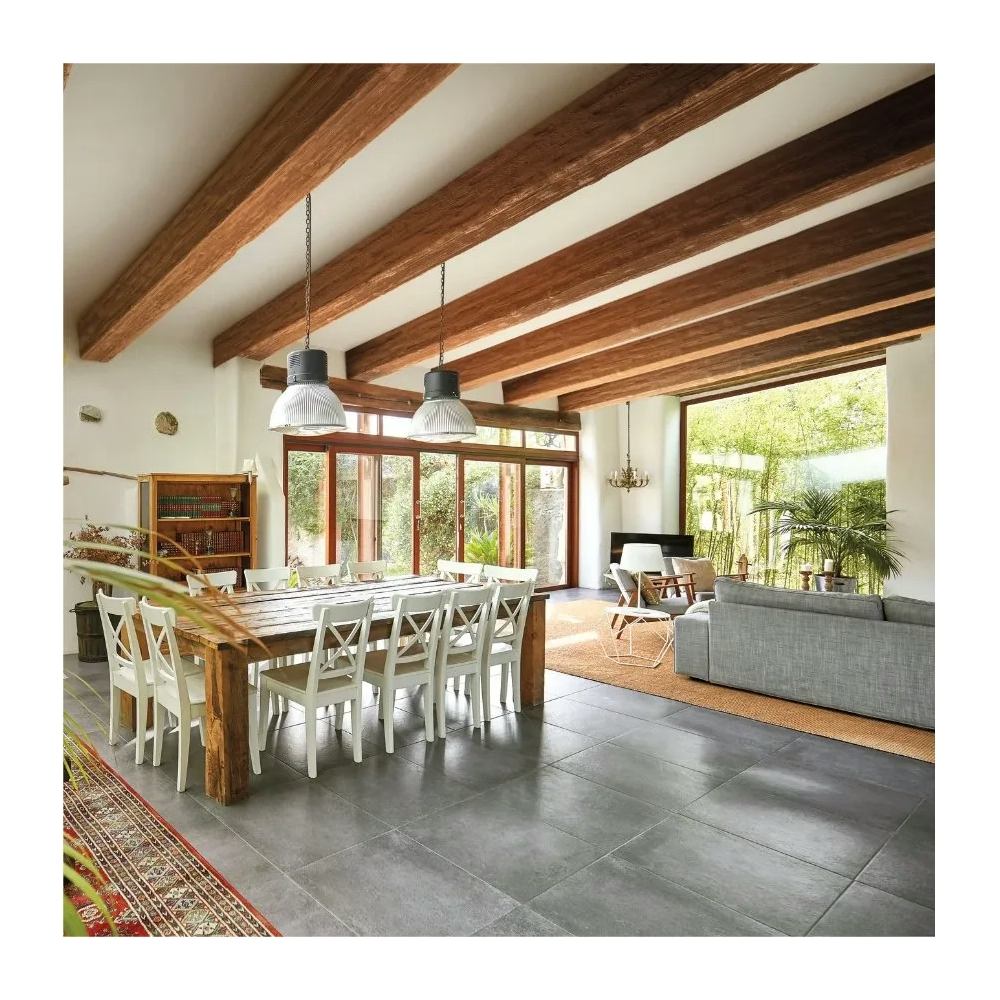
Economic Analysis
Material cost comparison between polyurethane and natural timber varies significantly by species and grade. Premium hardwoods like walnut or mahogany command prices that polyurethane can undercut substantially. More common species like oak or maple present tighter comparisons where material cost differences diminish.
Installation cost advantages favor polyurethane more consistently than material cost alone. The dramatic weight reduction decreases labor requirements for handling and positioning. Simpler fastening methods reduce installation time. Reduced requirement for specialized equipment lowers tool and scaffold investment.
Lifecycle cost analysis typically favors polyurethane when complete ownership period expenses factor into calculations. Maintenance, repair, and eventual replacement costs for genuine timber compound substantially over decades of service. Polyurethane's minimal maintenance requirements and extended service life improve lifecycle economics considerably.

Design Flexibility
Profile variety in polyurethane beams exceeds what is readily available in natural timber. Custom profiles can be manufactured economically for projects requiring unique dimensions or configurations. This flexibility enables design visions that would prove impractical or prohibitively expensive with genuine timber.
Large-scale installations benefit from availability of extended lengths without joints. Natural timber beams typically require splicing for lengths exceeding available tree dimensions. Polyurethane production can create seamless beams of any practical length, improving appearance in extensive installations.
Structural engineering requirements that mandate specific dimensions can be addressed through custom production. Matching existing timber dimensions or replicating historic profiles becomes practical when manufacturers can produce to specification rather than selecting from standard offerings.
Environmental Responsibility
The sustainability argument for polyurethane beams has strengthened as manufacturing processes have improved. Recycled content in production reduces virgin material consumption. Extended service life decreases replacement frequency and associated environmental impact. Manufacturing efficiency continues improving energy consumption per unit of output.
End-of-life disposal options are expanding as recycling infrastructure develops. Some manufacturers accept returns of discontinued or damaged products for recycling into new production. Landfill diversion through recycling continues improving the environmental profile of polyurethane products.
Carbon footprint analysis increasingly favors manufactured products over transported natural materials. The weight reduction in polyurethane significantly decreases transportation emissions. Local or regional production further reduces distribution distances compared to imported timber from distant sources.
Selection Guidance
Quality assessment begins with physical sample examination under actual viewing conditions. Evaluate grain pattern subtlety, color consistency, surface texture, and edge definition. Request samples from multiple manufacturers to establish quality benchmarks before specification.
Manufacturer research reveals important distinctions between products. Investigate production methods, quality control procedures, and warranty terms. Established manufacturers with decades of experience typically deliver more consistent quality than new market entrants.
Installation requirements deserve attention during specification. Verify that mounting methods, fastener requirements, and finishing procedures align with project capabilities and timeline. Misunderstanding requirements before installation begins creates problems that are expensive to correct.
Technical References
ASTM standards cited in every specification
Test Data
Lab results from internal testing program
Updated 2026
Reviewed against current product specs