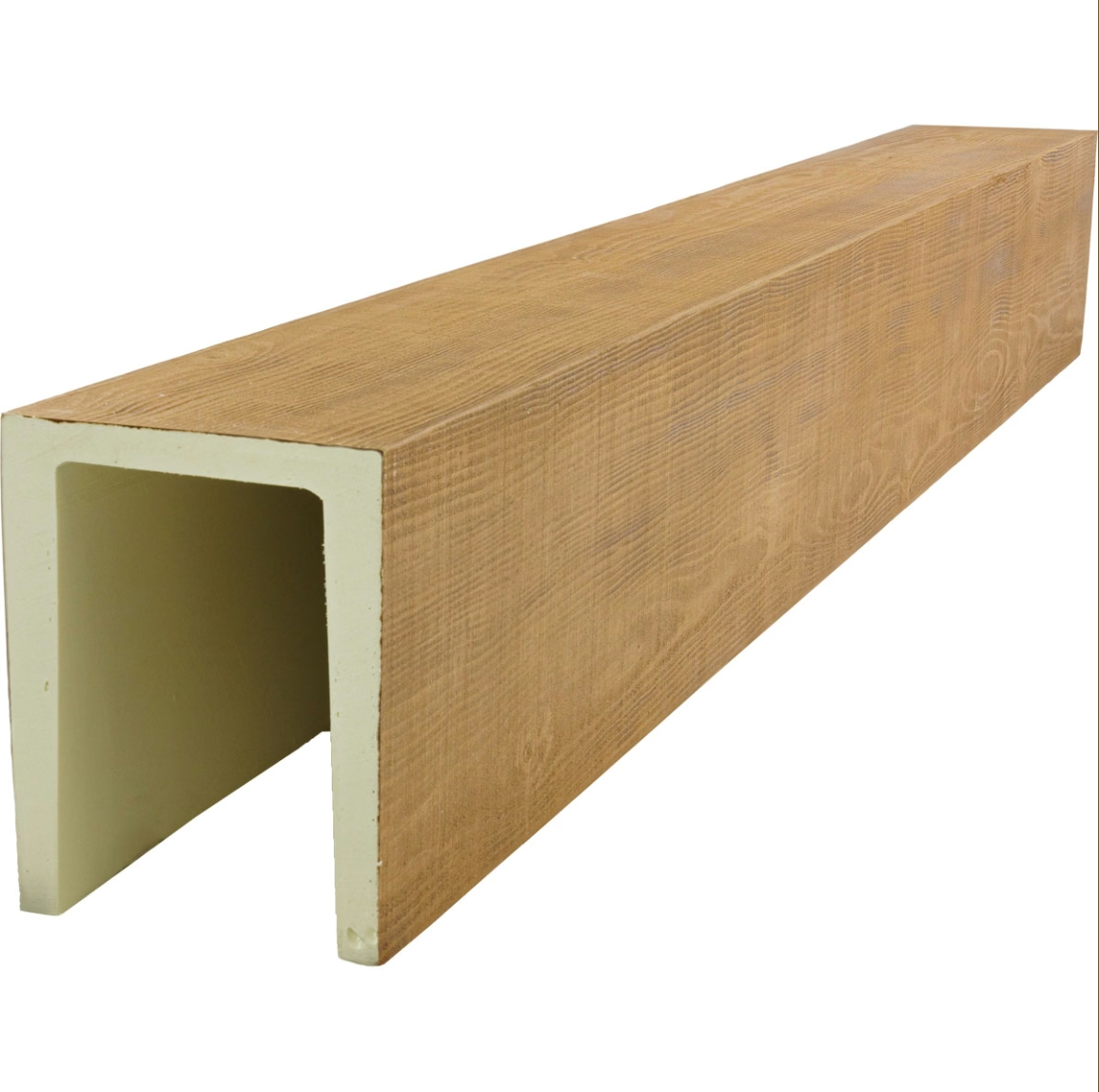
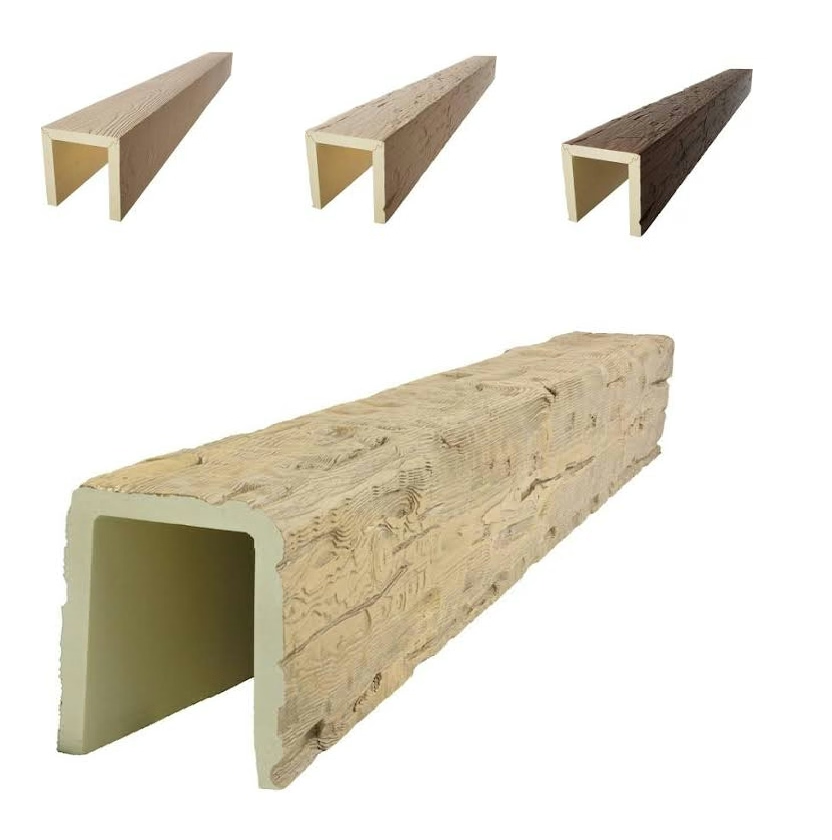
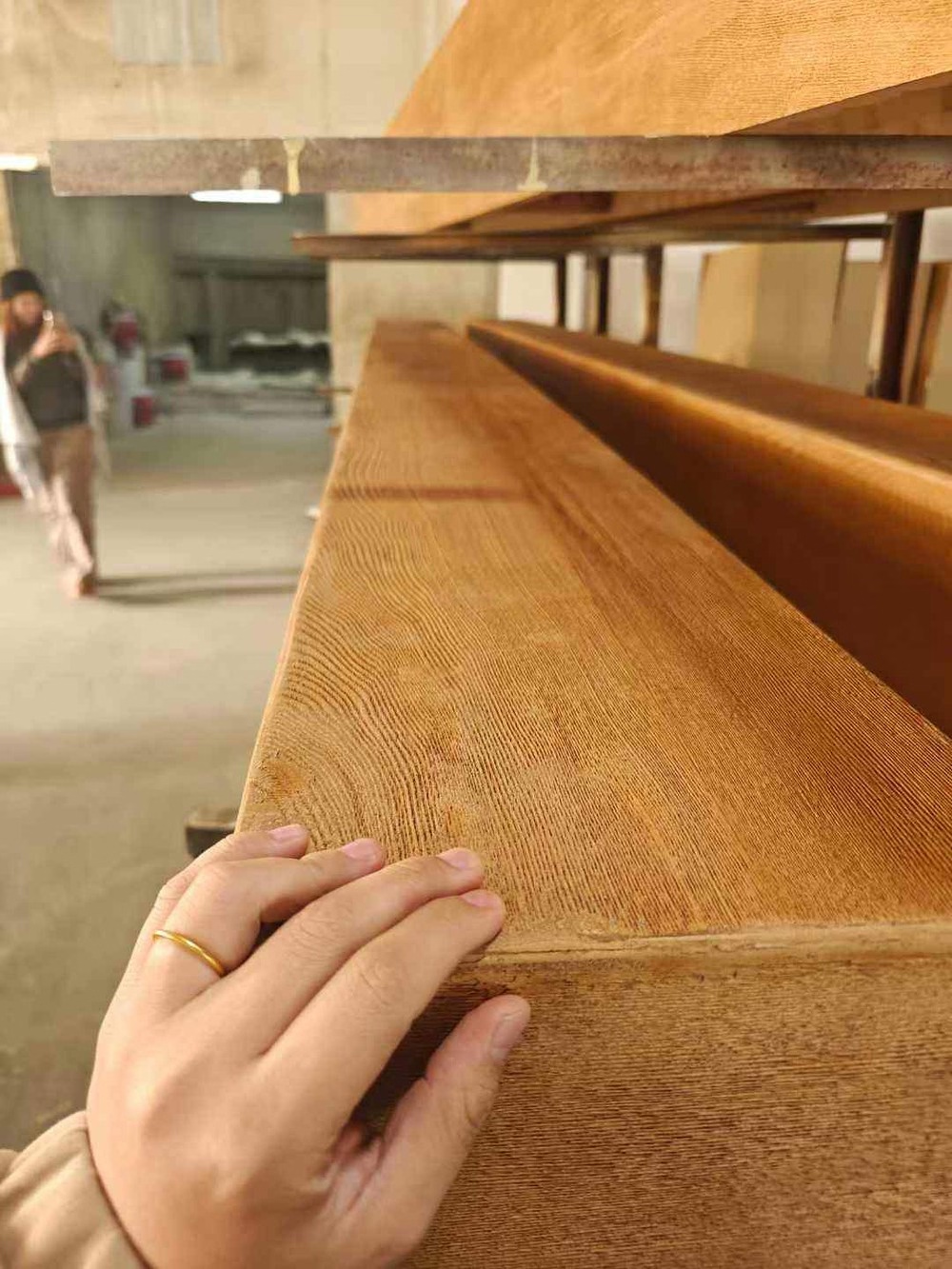
The penthouse design had committed fully to dark interiors—charcoal walls, black marble surfaces, bronze hardware, and ceiling beams in walnut that anchored the entire color scheme. The client's instruction was unambiguous: no compromise on richness or depth. Every material had to justify its presence through exceptional quality. The black walnut faux beams delivered the dramatic presence required while meeting the performance standards that luxury clients expect.
Black walnut occupies a specific position in wood aesthetics—the species that interior designers specify when they want warmth without orange, depth without black, and luxury without ostentation. The dark heartwood ranges from chocolate brown to nearly purple, with grain patterns that reward close inspection. Replicating these characteristics in faux materials requires manufacturing precision that separates quality products from budget alternatives.
Grain complexity defines walnut's visual signature. Unlike the consistent patterns of maple or the bold figuring of oak, walnut shows subtle waves, occasional swirls, and dramatic contrast between earlywood and latewood zones. The natural color variation within a single board creates depth that flat coloring cannot match. Faux beam production captures this complexity through layered coloring techniques that build visual richness across multiple application stages.
Light interaction with walnut surfaces creates the dimensional quality that distinguishes the material from painted alternatives. The open grain structure absorbs and reflects differently as viewing angles change, creating subtle shifts in apparent color and depth. This light-responsive quality requires careful surface texturing in faux production—too smooth and the surface appears flat, too rough and the texture overwhelms the grain pattern.
Finish selection for walnut beams ranges from matte to satin to semi-gloss depending on the design intent. Matte finishes suggest understated elegance appropriate to contemporary luxury. Satin finishes add warmth while maintaining natural appearance. Semi-gloss creates more dramatic presence suitable for traditional or glamorous contexts. The finish choice should align with overall interior design direction rather than being specified in isolation.
The contrast between walnut beams and surrounding elements creates visual hierarchy in interior design. Against light-colored walls, walnut beams become dramatic focal points. Against dark backgrounds, they provide textural variation that prevents monotony. Understanding these contrast dynamics helps designers position walnut beams effectively within different color schemes and design contexts.
Scale considerations for walnut beams follow the mid-century principles discussed earlier, with luxury applications sometimes favoring larger dimensions to emphasize material quality. The substantial presence of generous-width beams signals investment in ways that modest sizing cannot match. However, oversized beams in small spaces create imbalance that undermines rather than enhances the luxury aesthetic. Proportion must align with context.
Integration with other walnut elements in the interior strengthens design coherence. Floors, furniture, millwork, and ceiling beams all using walnut create material continuity that unifies the space. This coordination requires advance planning to ensure that finish tones match across different products and manufacturers. Physical sample comparison prevents the disappointment of mismatched tones that digital specification might miss.
The luxury market segment demands corresponding quality in every dimension of the product experience. Packaging must protect finish quality through distribution. Hardware must function flawlessly. Documentation must be comprehensive and accurate. These supporting elements distinguish luxury positioning from merely expensive positioning, creating the complete experience that demanding clients expect.
Environmental sourcing considerations affect the walnut aesthetic equation. American black walnut grows slowly and faces increasing demand from furniture makers, gunstock manufacturers, and architectural woodworkers. Sustainable forestry practices help but cannot eliminate pressure on natural supplies. Polyurethane faux beams offer equivalent aesthetics without harvesting impacts, aligning with the environmental values that many luxury consumers increasingly prioritize.
The comparison between faux and genuine walnut extends beyond appearance to practical performance. Genuine walnut can dent from impact, scratch from abrasion, and fade from UV exposure. Polyurethane resists these forms of damage, maintaining appearance through years of use without the care requirements that genuine wood demands. For busy households or commercial applications, these practical advantages often prove decisive.
Finish aging in genuine walnut creates effects that faux alternatives must simulate intentionally. The surface darkening that occurs over decades produces richer saturation than new wood displays. Custom finish formulations can achieve this aged appearance immediately, creating depth that appears to result from years of natural patination. This simulated aging distinguishes quality faux from budget alternatives.
The market positioning of black walnut faux beams serves distinct customer segments with different priorities. High-end residential clients seek quality that matches their investment in other design elements. Hospitality properties want durability alongside aesthetics that impress guests. Commercial spaces like restaurants and clubs appreciate the combination of luxury appearance and practical performance. Each segment may require different product specifications within the walnut category.
Photography and visualization present challenges specific to dark wood products. The color depth that makes walnut attractive in person often photographs as flat or lost without careful lighting. Professional photography for marketing and portfolio purposes benefits from setups that reveal rather than flatten walnut grain. Clients specifying from catalogs may need physical samples to confirm that digital representation meets their expectations.
The timeless quality of walnut aesthetics supports investment confidence. Unlike trend-driven selections that may appear dated within years, walnut has demonstrated sustained appeal across design movements. The current popularity of dark interiors reinforces rather than creates this appeal, positioning walnut beams as appropriate now and likely to remain appropriate as tastes evolve.
Customization possibilities in faux beam production enable project-specific solutions that standard products cannot provide. Custom lengths, non-standard dimensions, special finish formulations, and unique profile shapes all become feasible with manufacturer capability and appropriate budget. These customization options serve projects where standard products would create compromises that quality-focused clients won't accept.
The emotional impact of walnut beams in interior spaces often exceeds visual assessment. The warmth, depth, and natural material connection create atmospheres that feel sophisticated and grounded simultaneously. These emotional qualities explain why walnut continues attracting premium pricing and devoted preference despite alternatives that appear equivalent in photographs.
Technical References
ASTM standards cited in every specification
Test Data
Lab results from internal testing program
Updated 2026
Reviewed against current product specs