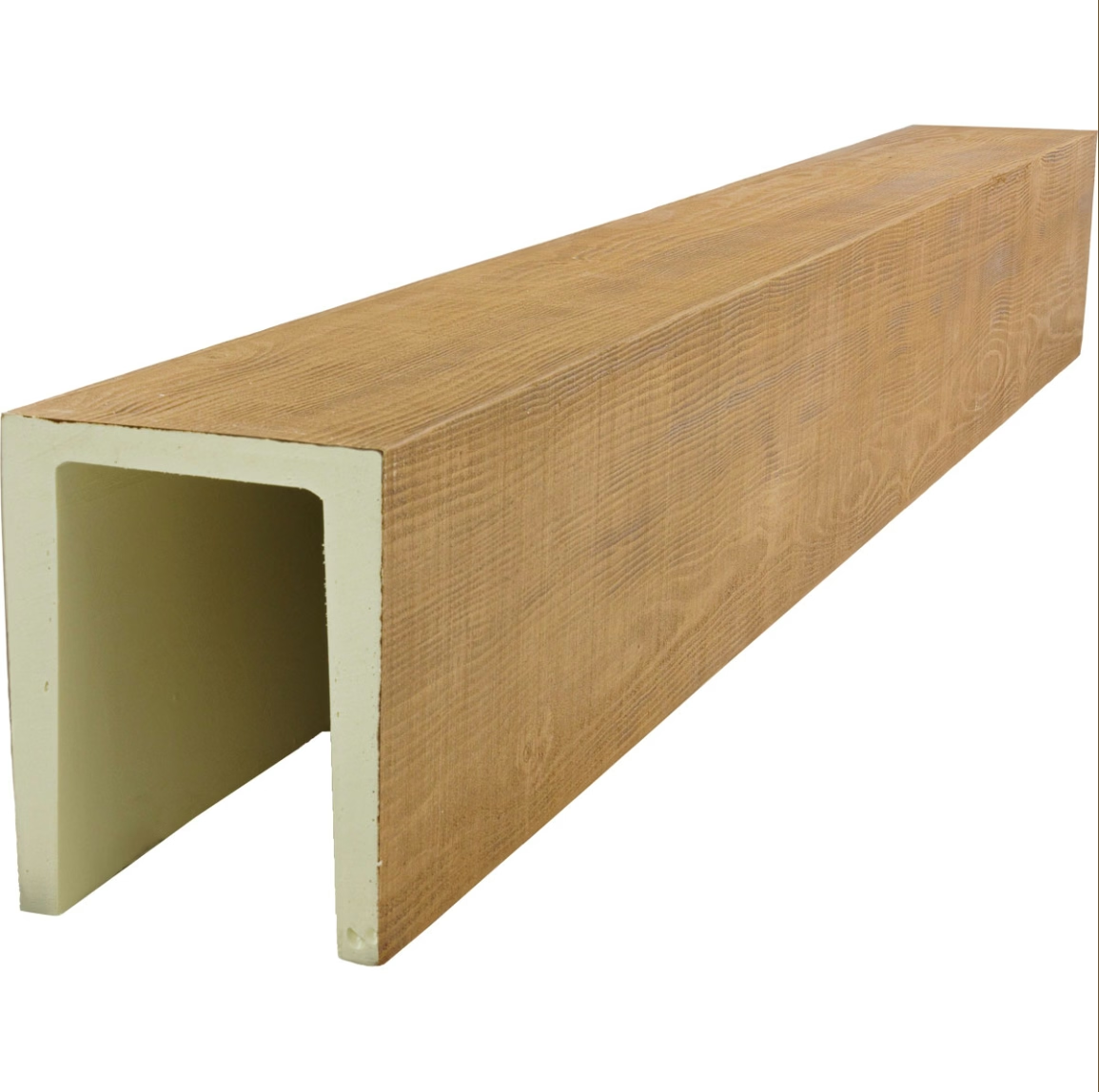
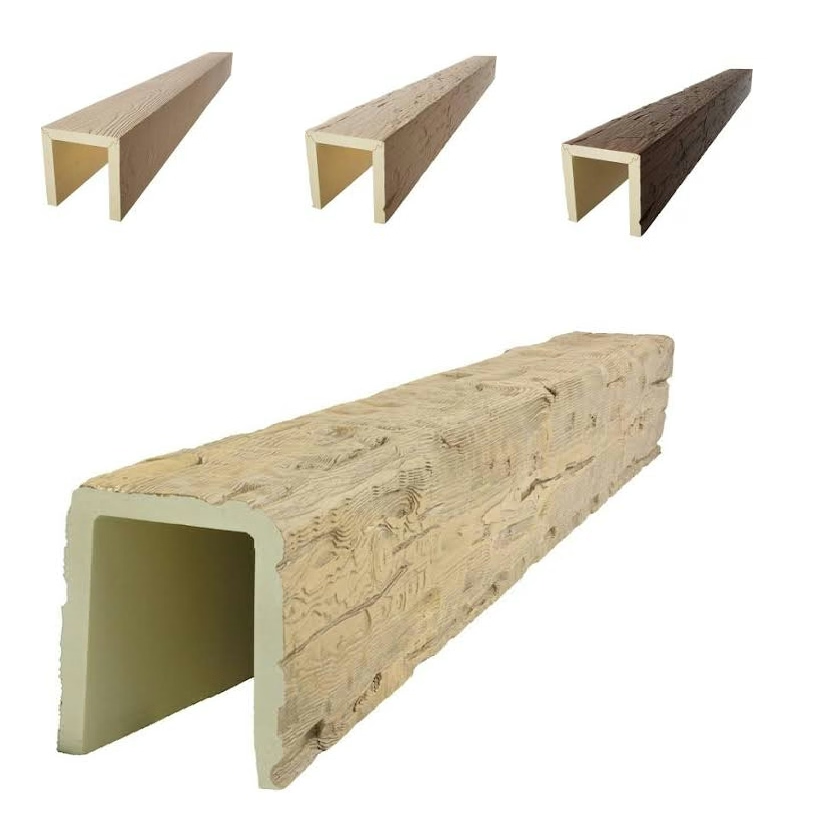
The renovation specification listed dark brown faux wood beams alongside premium fixtures and high-end finishes throughout the house. When contractors questioned whether synthetic beams belonged among such quality selections, the architect explained her reasoning: the best faux products now outperform genuine timber in practical terms while matching or exceeding appearance quality. The completed project proved her point—the beams looked exceptional and performed flawlessly through years of use.
Rich dark brown finish polyurethane beams represent a mature product category where manufacturing expertise and quality control determine the difference between convincing authenticity and obvious imitation. Understanding what distinguishes quality products helps decision-makers select appropriately and avoid disappointing results.
The foundation of quality in dark brown faux beams lies in the color formulation process. Deep brown coloration requires careful balance of multiple pigments to achieve richness without monotony. Too much black pigment creates flat, dead appearance. Too much red creates unwanted orange or mahogany tones. The optimal formulation builds depth through layered application that creates dimensional color rather than uniform surface coating.
Grain pattern integration with dark brown finish creates the visual complexity that distinguishes wood from painted surfaces. The grain should register clearly against the dark background without overwhelming it. This balance requires texturing precision that budget products often lack—too subtle and the surface appears artificial, too aggressive and the grain competes with the intended calm sophistication of dark brown interiors.
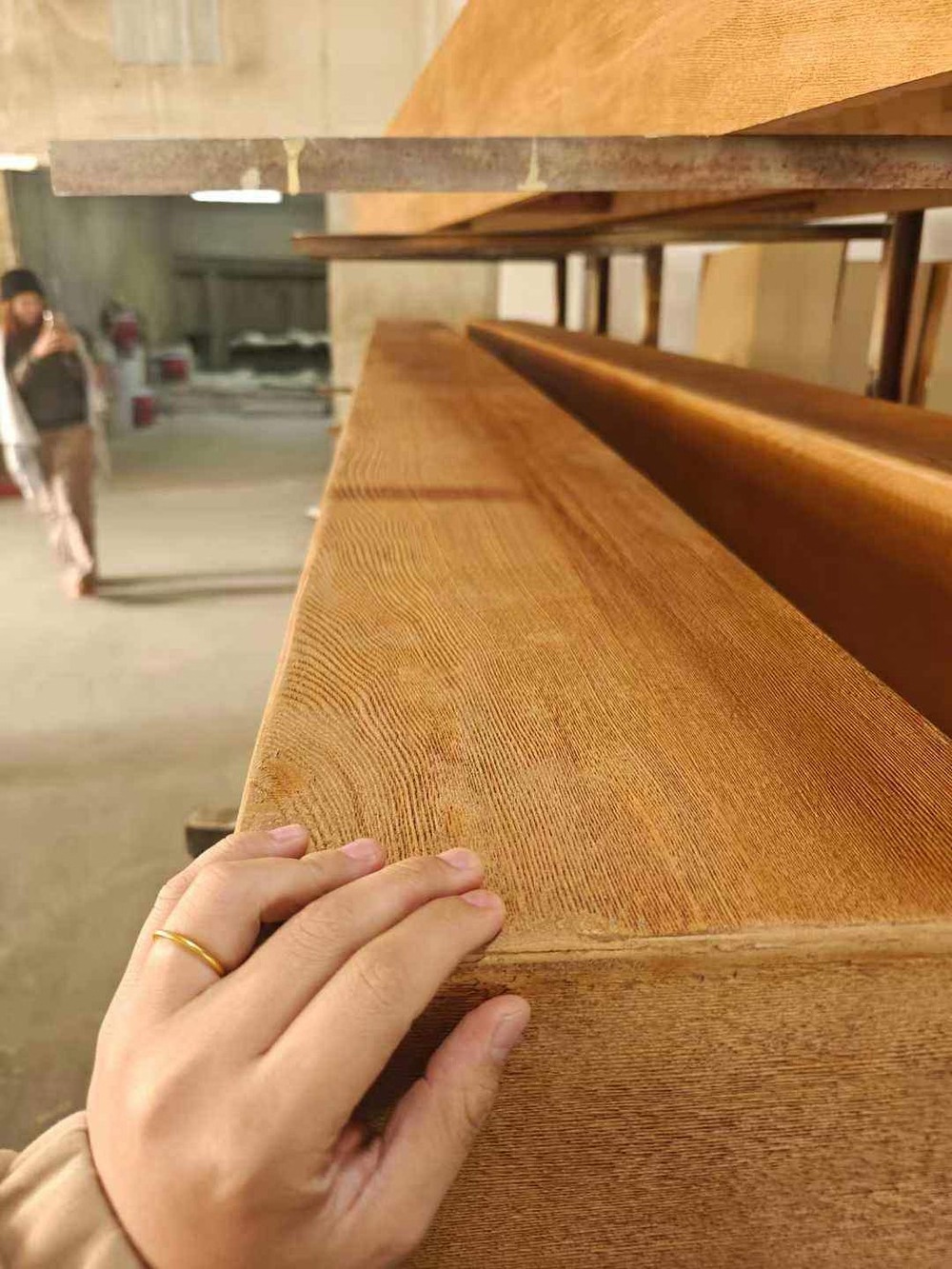
Surface texture in quality faux beams contributes to perceived authenticity more than many buyers realize. The micro-variations in texture that occur naturally in wood—subtle differences in porosity, slight variations in hardness across growth rings, gentle irregularities from tooling—create light interaction that feels right to experienced observers. Replicating this complexity requires manufacturing processes that go beyond simple surface texturing.
The structural composition of polyurethane beam cores affects finished appearance in subtle ways. High-density formulations accept texturing and finishing more consistently than lower-density alternatives. The cell structure of the foam influences how finish materials adhere and how surface details hold up over time. Quality manufacturers use formulations optimized for finished appearance rather than minimum cost.
Finish adhesion testing provides one indicator of product quality. Quality faux beams should accept standard wood finishing materials without peeling, blistering, or adhesion failure. Products that show adhesion problems during finishing or shortly after installation indicate manufacturing issues that will likely cause ongoing problems. Asking suppliers about finish compatibility helps identify products likely to perform well.
The dimensional stability of polyurethane compared to genuine timber affects long-term appearance maintenance. Dark-finished products show color changes from UV exposure more readily than lighter options, but quality faux materials resist this degradation better than natural wood. The consistent color throughout the material means that any surface wear shows the same color rather than revealing different-colored substrate. These characteristics support long-term appearance maintenance.
Installation practices affect dark brown beam appearance after installation. The joining of beams to each other and to surrounding surfaces requires attention to detail that lighter-colored options might not demand. Gaps, gaps filled with caulk, and transitions all show more clearly against dark backgrounds. Professional installation that addresses these details ensures the finished result meets quality expectations.
Cleaning and maintenance of dark brown faux beams follows straightforward practices appropriate to the overall interior care level. The dark color masks dust and minor soiling effectively. The smooth or lightly textured surfaces collect less debris than rough textures. Periodic cleaning with appropriate methods maintains appearance without demanding specialized care.
The cost-value relationship for quality dark brown faux beams compares favorably to alternatives when full lifecycle costs are considered. Initial pricing may exceed budget alternatives, but the absence of ongoing maintenance costs, the durability against damage, and the consistency of appearance over time often make quality products more economical over the beam lifespan. Comprehensive cost analysis supports informed selection.
Manufacturers serving the quality segment of the dark brown beam market typically offer stronger warranty coverage than budget competitors. This warranty provides confidence in product performance while indicating manufacturer belief in their products' durability. Warranty terms should factor into purchasing decisions alongside initial pricing.
The market applications for dark brown finish beams span residential and commercial contexts with varying requirements. Residential living rooms, dining rooms, and master bedrooms benefit from the warm sophistication that dark brown contributes. Commercial hospitality venues—restaurants, clubs, boutique hotels—use these beams to create atmospheres that encourage lingering and return visits. Each context may require different specifications within the dark brown category.
Color matching between dark brown beams and other wood elements in the interior requires attention during specification. Flooring, furniture, millwork, and ceiling beams should relate harmoniously without requiring exact match. The slight variation that exists between different wood elements—even genuine timbers from the same tree—creates natural appearance that exact matching undermines. Physical sample comparison helps achieve appropriate coordination.
The environmental positioning of polyurethane faux beams continues improving as manufacturing practices evolve. Recycled content in foam cores, improved manufacturing efficiency, and extended product lifespan all contribute to environmental benefit compared to natural timber alternatives. Projects pursuing environmental certification increasingly find faux alternatives easier to justify.
Design trend analysis suggests continued demand for dark brown beam aesthetics across interior design contexts. The sophistication and warmth that these products provide meets ongoing desires for spaces that feel substantial and personal. The practical advantages of faux materials align with contemporary expectations for easy care and lasting performance.
The specification process for dark brown faux beams should include physical sample evaluation under actual installation conditions. Catalog photography and digital visualization often fail to convey the subtle qualities that distinguish quality products. Sample review reveals surface texture, color depth, and grain pattern that determine whether the product will meet project expectations.
Professional consultation during specification helps identify the product characteristics most important for specific applications. Experienced suppliers understand how different products perform in different contexts and can guide selection toward options likely to succeed. This expertise investment often prevents the disappointment that results from inadequate specification.
The completed installation of quality dark brown faux beams rewards the attention invested in product selection and installation planning. The rich coloration, authentic character, and lasting durability combine to create architectural elements that serve both aesthetic and practical purposes. These beams contribute to interior environments that feel complete, comfortable, and sophisticated.
Technical References
ASTM standards cited in every specification
Test Data
Lab results from internal testing program
Updated 2026
Reviewed against current product specs