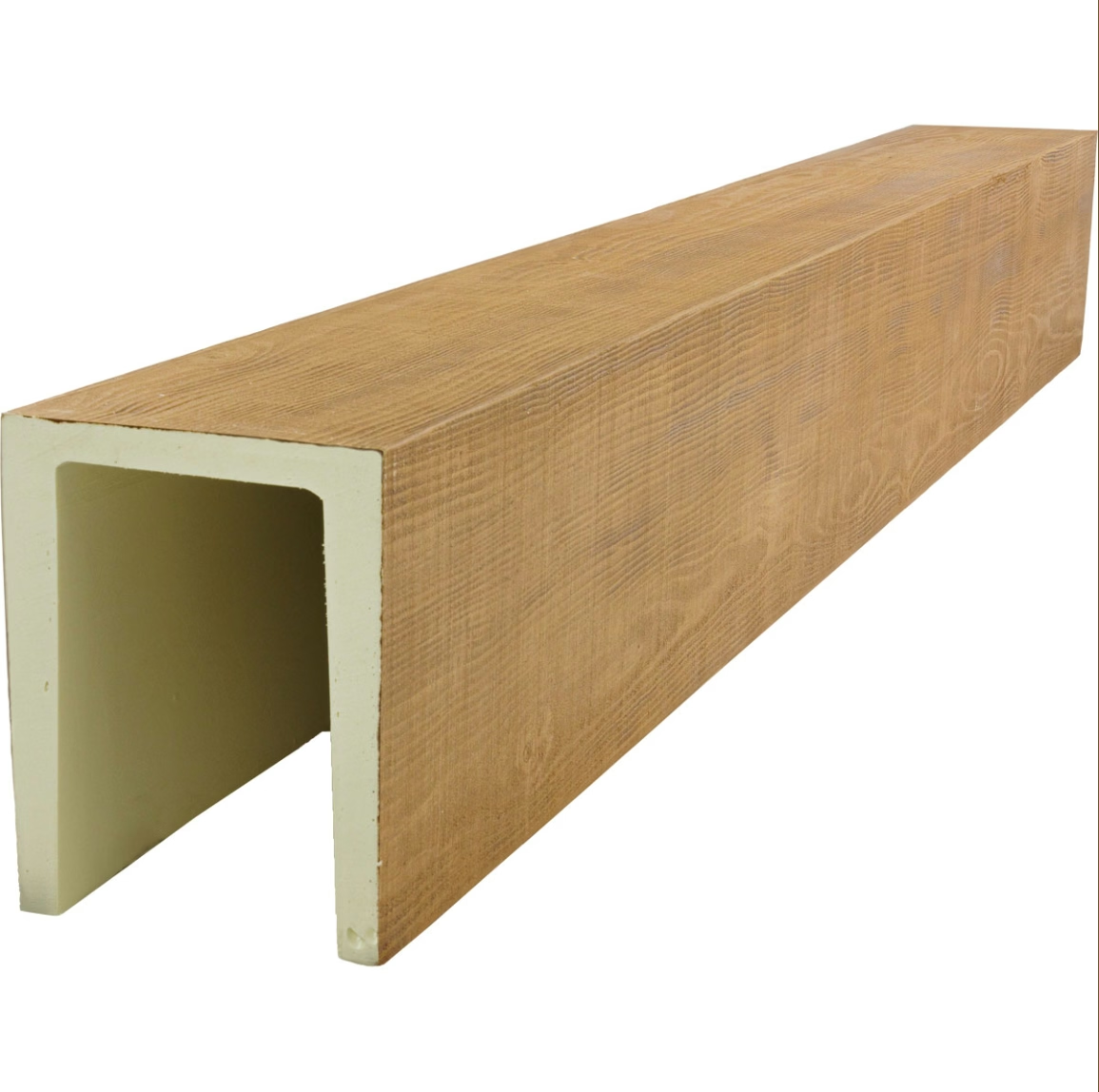
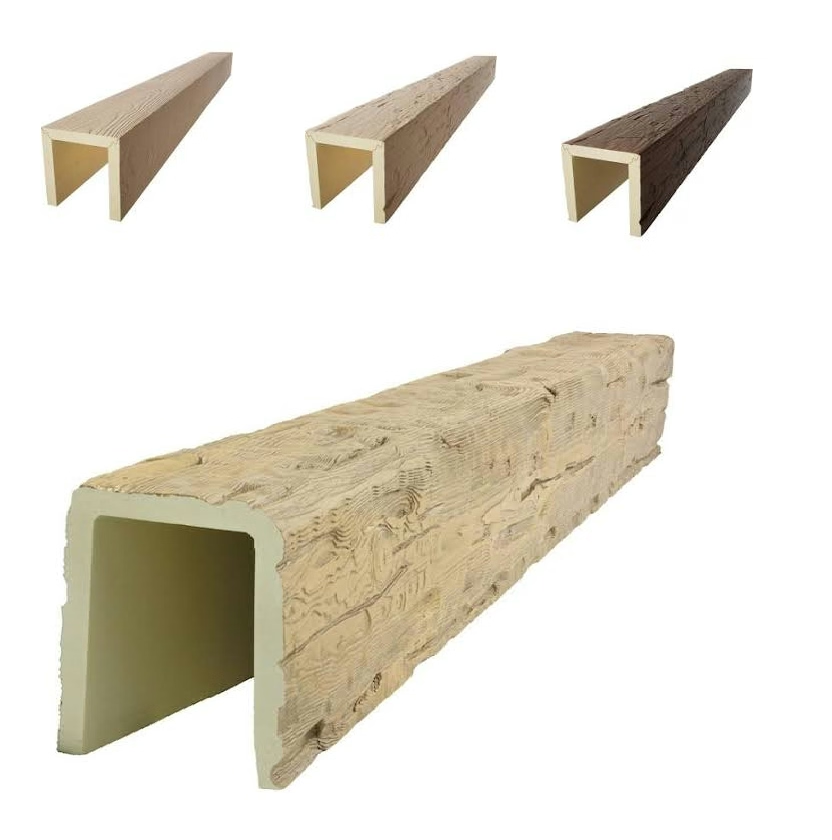
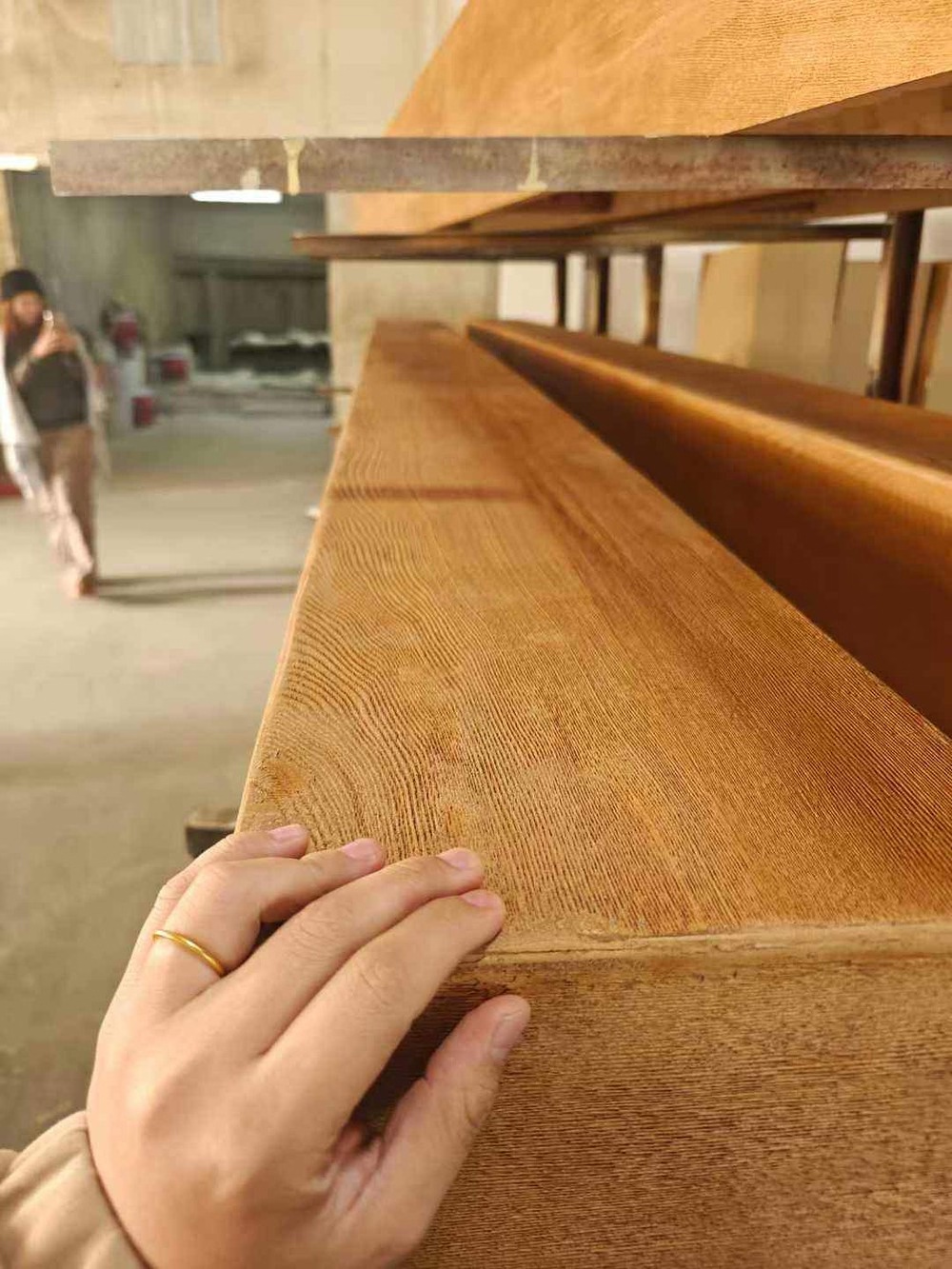
The pursuit of realistic wood appearance in synthetic materials has driven significant technological advancement over recent decades. Today's textured polyurethane simulation wood beams represent the culmination of this development, combining sophisticated surface embossing, nuanced color application, and carefully studied texture patterns to produce results that satisfy even observers with direct experience of authentic timber. Understanding how these realistic appearances are achieved illuminates why contemporary polyurethane beams deserve serious consideration for applications where authenticity matters.
Surface texture serves as the foundation of convincing wood simulation. Natural wood exhibits complex surface characteristics that simple smooth plastics cannot replicate—the slight irregularity of grain patterns, the subtle depression around knots, the gentle variation in surface hardness that affects how light reflects from different areas. Polyurethane manufacturing addresses these characteristics through embossing processes that impress wood grain patterns directly into beam surfaces, creating the kind of tactile variation that distinguishes real wood from smooth imitations.
The embossing technology used in quality polyurethane beams draws on detailed studies of actual wood surfaces. Engineers examine wood samples under magnification, identifying the specific patterns that create authentic appearance. These observations inform tooling design, where steel dies are machined to reproduce observed patterns at appropriate scales. The resulting embossing creates surfaces that feel different to touch in ways that visually translate into greater realism.
Color application follows texture creation in the manufacturing sequence, with techniques designed to enhance rather than mask the embossed patterns. Wood's characteristic coloring varies across grain patterns—darker in harder latewood zones, lighter in earlywood, with distinct coloring around knots and other features. Polyurethane beams replicate these variations through processes that apply color differentially based on surface topography, creating the kind of chromatic complexity that makes wood visually interesting.

The interaction between textured surfaces and lighting reveals the sophistication of quality polyurethane wood simulation. Natural wood grain creates subtle shadow patterns as surface contours catch and redirect light. Embossed polyurethane surfaces behave identically, producing the visual depth that makes wood grain visually engaging rather than merely present. This responsiveness to lighting distinguishes premium products from basic alternatives that might appear textured in direct observation but lack the subtle lighting interaction that creates convincing realism.
Knot representation deserves particular attention in wood simulation. Knots are the most visually distinctive features of many wood species, and failed knot reproduction immediately signals artificial materials to knowledgeable observers. Quality polyurethane beams feature properly formed knots—circular or elliptical depressions with characteristic grain patterns radiating outward, darker coloring than surrounding surfaces, and the kind of three-dimensional presence that knots possess in natural wood. The investment in sophisticated knot tooling separates convincing products from basic alternatives.
Species-specific grain patterns allow textured beams to reference particular wood characteristics without claiming precise species authenticity. Oak's prominent ray patterns, ash's bold flowing grain, pine's distinctive knots, and mahogany's subtle figure all represent different aesthetic opportunities. Polyurethane beam manufacturers offer products across this spectrum, enabling selection of grain characteristics that align with specific design intentions. Understanding these variations helps designers specify products that achieve intended effects.
The tactile dimension of textured beams matters even in ceiling applications where direct touch is uncommon. Visual perception of texture triggers tactile associations—the suggestion of wood grain creates mental expectations of how the surface would feel. Quality polyurethane surfaces satisfy these expectations when observers touch beams out of curiosity, creating positive experiences that reinforce the sense of authenticity. Poor quality alternatives feel wrong to touch, undermining the visual impression and creating cognitive dissonance.
Durability considerations favor polyurethane over authentic wood in textured applications. Natural wood surfaces accumulate wear patterns over time—scratches, dents, and finish degradation that alter appearance from initial installation. Polyurethane surfaces resist this wear while maintaining texture integrity, preserving initial appearance for decades without refinishing. The practical implication is that realistic wood appearance persists indefinitely rather than evolving through natural aging processes.
Environmental stability distinguishes textured polyurethane from natural wood's more temperamental behavior. Humidity changes cause authentic wood to expand and contract, which can eventually degrade surface textures through repeated movement. Temperature fluctuations affect natural materials similarly. Polyurethane tolerates these environmental variations without dimensional change, preserving embossing depth and pattern consistency regardless of climate conditions or seasonal variations.
The manufacturing quality spectrum significantly affects the texturing results achievable in polyurethane beams. Entry-level products may feature simple embossing patterns that repeat obviously, lack chromatic variation across textured surfaces, and present surfaces that look and feel manufactured rather than organic. Premium products showcase sophisticated tooling, differential coloring, and the kind of subtle variation that prevents obvious pattern repetition. The price differential reflects genuine quality differences that affect visual results substantially.
Specifying textured beams for projects requires understanding how texture scale relates to beam dimensions and viewing distances. Fine grain patterns that read beautifully at close range can disappear at typical ceiling viewing distances, where bolder patterns register more effectively. Conversely, extremely coarse textures that create dramatic impact up close may appear crude from normal viewing positions. Professional specification considers these relationships, selecting textures appropriate to specific applications.
The psychological dimension of texture perception influences how textured spaces are experienced. Research demonstrates that surface variation—whether visual or tactile—contributes to perceived richness and quality in interior environments. Textured beams overhead add this richness without the maintenance demands that natural wood requires. The combination of aesthetic benefit and practical simplicity makes textured polyurethane an attractive option for installations where both appearance and durability matter.
Quality textured beams require minimal maintenance to preserve their appearance. Regular dusting removes accumulated debris that could fill embossed depressions and reduce texture visibility. Occasional cleaning with appropriate products keeps surfaces clean without damaging textures or finishes. There is no need for refinishing, sealing, or other treatments that authentic textured wood would require to maintain appearance over time.
Technical References
ASTM standards cited in every specification
Test Data
Lab results from internal testing program
Updated 2026
Reviewed against current product specs