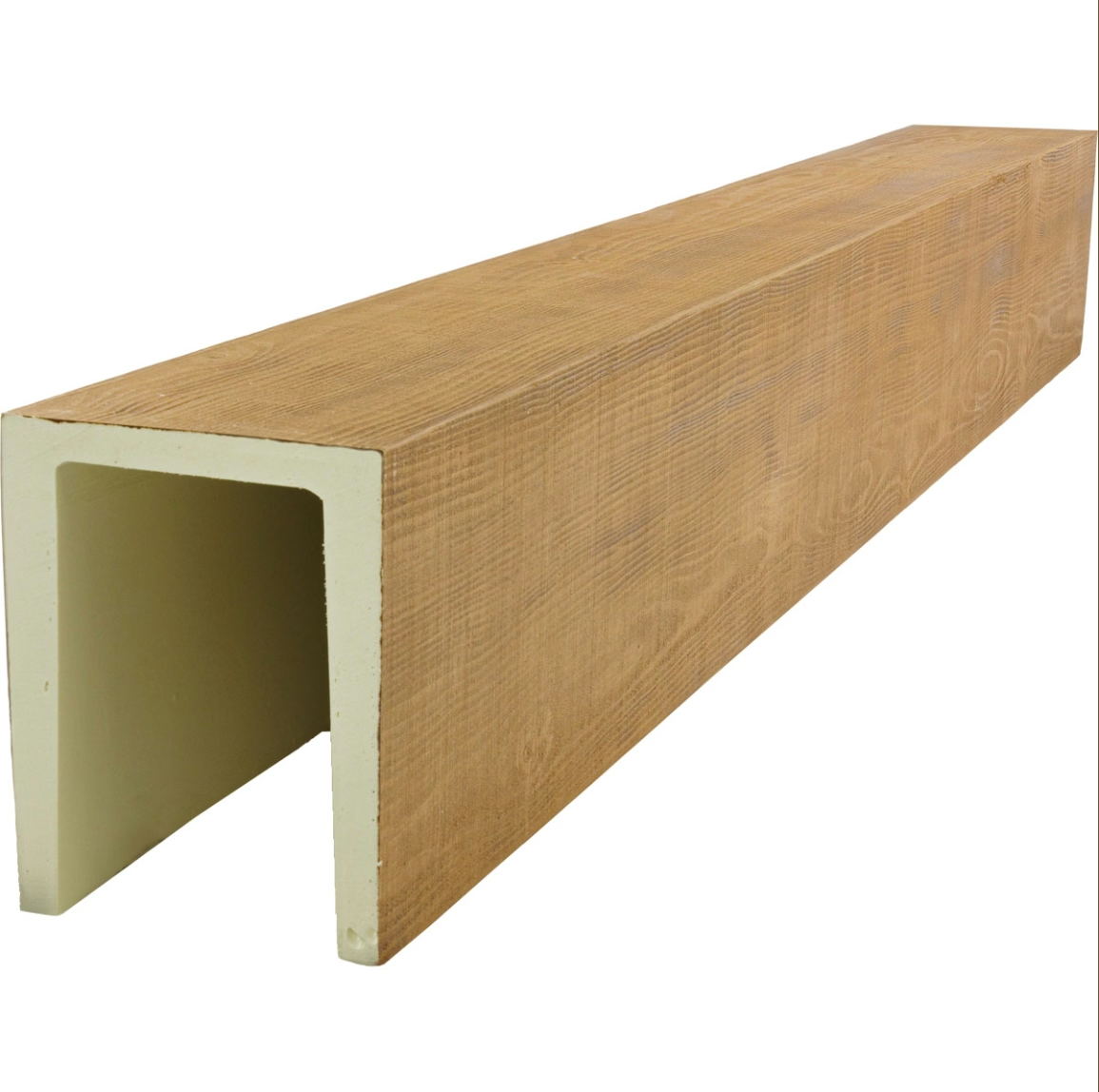
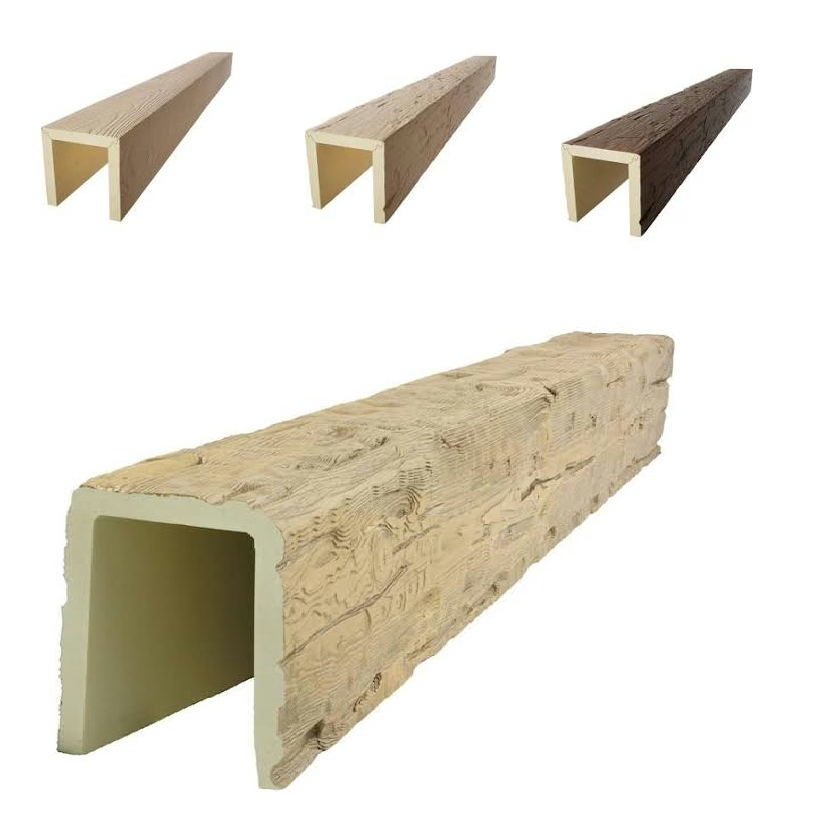
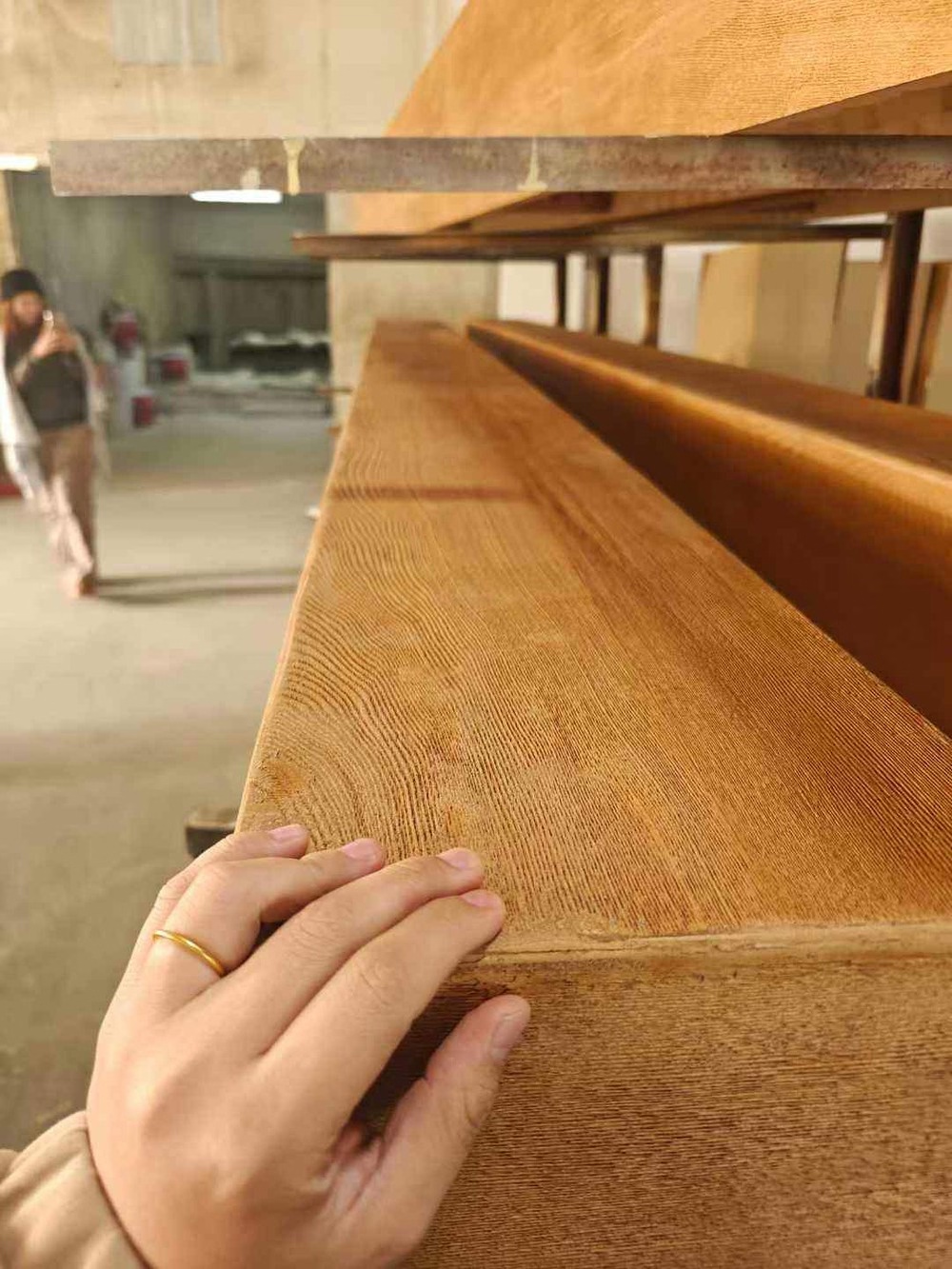
Tactile aesthetic appeal distinguishes exceptional interior design from merely adequate provision of functional space. Surfaces that invite touch, reward attention, and create visual interest through subtle variation elevate environments beyond the purely utilitarian. Rich textured surface polyurethane faux wood beams contribute this quality through manufacturing processes that create surfaces combining visual beauty with the suggestion of touchable authenticity.
The development of convincing textured surfaces for polyurethane products draws on understanding how human perception evaluates material authenticity. We instinctively assess surfaces by running fingers across them, noting resistance, temperature, and the subtle vibrations that different materials produce. While ceiling beams rarely receive direct touch, visual assessment triggers memory associations with tactile experience—the suggestion of texture creates mental expectations that either confirm or contradict visual appearance when touch occurs.
Quality textured surfaces achieve their realism through attention to the small details that distinguish natural materials from manufactured products. Natural wood surfaces exhibit variation at multiple scales—broad grain patterns visible from distance, medium-scale texture that registers during normal observation, and fine detail apparent only during close examination. Polyurethane beams designed for aesthetic excellence address all these scales, creating surfaces that reward attention rather than appearing flat or obviously artificial upon scrutiny.
The embossing processes used to create textured polyurethane surfaces require significant engineering investment. Tooling must capture wood grain patterns at appropriate relief depths—deep enough to create genuine texture but shallow enough to avoid practical problems with dust accumulation or cleaning difficulty. The optimal depth varies by product line and intended application, with ceiling products typically featuring shallower embossing than wall applications where direct touch is common.
Color application on textured surfaces creates the chromatic complexity that makes wood visually compelling. Hardwood zones between grain lines naturally differ in color from the grain lines themselves, and this differential persists in aged wood as patina develops. Polyurethane surface finishes replicate these variations through techniques that apply color based on surface topography, creating darker tones in embossed recesses and lighter tones on raised surfaces. The effect mimics how light interacts with authentic wood grain.

The durability of textured polyurethane surfaces exceeds what natural wood can maintain without ongoing care. Natural wood surfaces scratch, dent, and wear in patterns that some find attractive but others find inconsistent. Polyurethane surfaces resist this degradation while maintaining texture integrity, looking freshly installed years after initial placement. This appearance retention proves particularly valuable in commercial applications where maintained appearance standards must be met consistently.
Surface cleaning for textured polyurethane beams requires consideration of how debris accumulates in embossed areas. Regular dusting with soft brushes removes loose material without damaging textures. Occasional cleaning with appropriate cleaning solutions addresses accumulated grime that dusting cannot remove. The cleaning process may require more attention than smooth surfaces demand, but the visual benefit of maintained texture justifies the additional effort.
Environmental resistance represents a significant advantage of polyurethane surface finishes over natural wood alternatives. Wood absorbs moisture, leading to surface checking, warping, and eventual degradation in challenging environments. Polyurethane resists moisture absorption entirely, making textured beams appropriate for bathrooms, kitchens, basements, and other spaces where wood products would struggle. This capability expands the range of applications where aesthetic wood appearance can be introduced.
The consistency of textured polyurethane surfaces across extended installations distinguishes them from natural wood, where each piece carries unique characteristics. While this natural variation appeals to some, projects requiring visual uniformity benefit from synthetic materials that can be produced to exact specifications. Multiple beams installed across a large ceiling will exhibit the same grain pattern density, color saturation, and texture depth, creating cohesive appearance that natural materials cannot reliably achieve.
Viewing distance affects how textured beam surfaces are perceived and should influence specification decisions. Patterns designed for close viewing may not register effectively from typical ceiling heights, where bolder textures create stronger visual impact. Conversely, extremely bold textures appropriate for high ceilings may appear crude when viewed from normal distances. Understanding these relationships helps ensure selected products perform optimally in their intended applications.
The psychological impact of textured surfaces in interior environments extends beyond simple aesthetic preference. Environmental psychology research suggests that natural material textures, including wood grain patterns, contribute to occupant wellbeing and comfort. The presence of textured surfaces—even synthetic ones that convincingly replicate natural appearance—creates environments that feel more hospitable and less clinical than spaces with exclusively smooth, manufactured surfaces.
Professional interior designers incorporate textured beam specifications as part of comprehensive material palettes that consider how different surfaces interact. Textured beams overhead complement smooth wall surfaces by adding visual complexity without creating competing focal points. They enhance fabric textures in soft furnishings and reinforce the organic quality of natural stone or brick finishes. This coordination creates layered interiors where each element contributes to overall richness.
The investment in quality textured polyurethane beams provides returns that extend beyond initial appearance. Reduced maintenance requirements, extended service life, and consistent appearance over time all contribute to favorable total cost of ownership compared to natural wood alternatives. For projects where budget constraints limit material options, understanding these long-term economics often shifts the evaluation toward synthetic alternatives despite initial cost perceptions.
Technical References
ASTM standards cited in every specification
Test Data
Lab results from internal testing program
Updated 2026
Reviewed against current product specs