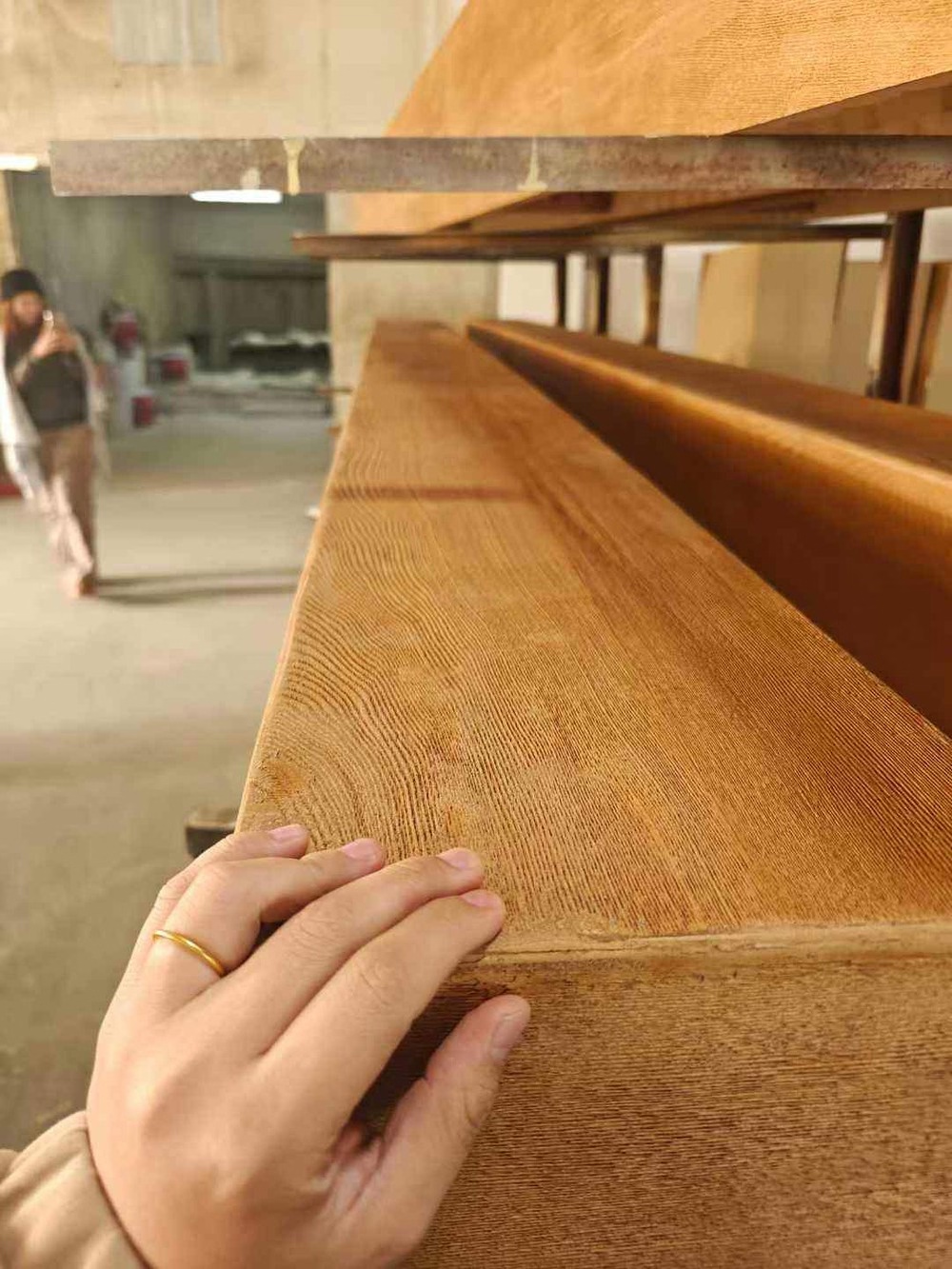
Nothing ages quite like wood. Exposed to sun, rain, and seasonal temperature swings, natural timber gradually succumbs to moisture infiltration, fungal growth, and structural degradation. For architects and builders seeking the warmth and character of wood beams without constant maintenance, polyurethane faux beams offer a compelling solution. Modern exterior grade formulations deliver impressive durability while capturing the visual richness that makes timber so desirable.
Understanding what makes polyurethane beams truly rot-proof requires examining the material at a molecular level. Unlike natural wood, which contains cellulose fibers that absorb and retain moisture, polyurethane is a closed-cell polymer. Water simply cannot penetrate the surface. This fundamental difference means that polyurethane beams installed outdoors will not develop the soft spots, discoloration, or structural weakness that plague real wood over time.

The Science Behind Rot Resistance
Polyurethane foam used in premium faux wood beams begins as a liquid mixture that expands during the molding process. As it cures, it forms a dense, uniform structure with closed cells that prevent water absorption. The material achieves this without the chemical treatments that make some natural woods resistant to decay—treatments that can alter the wood's appearance and introduce environmental concerns.
The rot-proof nature of polyurethane beams stems from three key characteristics. First, the material does not provide any nutritional value for the fungi that cause wood rot. Second, its closed-cell structure eliminates the microscopic voids where moisture accumulates in natural timber. Third, polyurethane maintains its dimensional stability regardless of humidity levels, meaning it won't swell, shrink, or crack as conditions change.
These properties translate into remarkable longevity. While natural wood beams in exposed exterior applications might require replacement after fifteen to twenty years, properly installed polyurethane faux beams can last the lifetime of the building itself. This durability makes them particularly attractive for commercial applications where access for maintenance is difficult or expensive.
Exterior Applications and Installation Considerations
The versatility of polyurethane faux beams allows them to enhance virtually any exterior space. Covered patios and verandas benefit enormously from ceiling beams that introduce architectural interest without the weight concerns of real timber. These beams can span considerable distances without structural support, creating dramatic visual effects that would require expensive engineering with natural materials.
Gazebos and garden structures represent another popular application. The beams can frame entryways, accent corners, or create false rafter tails that give simple structures an elevated appearance. Since polyurethane weighs a fraction of natural wood, the supporting structures require less reinforcement, potentially reducing overall construction costs.
Installation methods vary depending on the application. Surface-mounting works well for covered areas where beams simply attach to existing ceiling structures. Recessed mounting creates more integrated appearances, with beams appearing to emerge from or penetrate the ceiling plane. Both approaches benefit from the material's workability—polyurethane cuts cleanly with standard woodworking tools and accepts fasteners without splitting.

Performance in Extreme Weather Conditions
Exterior grade polyurethane beams demonstrate remarkable resilience across a wide range of climate conditions. In hot, humid regions, they resist the moisture absorption and subsequent mold growth that frequently affects natural wood. In cold climates, they withstand freeze-thaw cycles that cause natural timber to crack and check. The material maintains its structural integrity and appearance regardless of these environmental stresses.
Ultraviolet exposure represents one area where some caution applies. While polyurethane beams resist degradation from sunlight better than natural wood in many respects, prolonged direct sun exposure can cause slight surface chalkiness over decades. This effect occurs only in fully exposed installations and can be minimized through the use of UV-resistant finishes. For most exterior applications—covered porches, lanais, and shaded structures—this consideration rarely affects performance or appearance.
Temperature extremes present no significant challenge. Polyurethane maintains its properties from well below freezing to temperatures exceeding typical summer highs. Unlike wood, which can split or delaminate when subjected to rapid temperature changes, polyurethane faux beams remain stable and secure.
Comparing Costs Over the Project Lifecycle
Initial material costs for polyurethane faux beams typically exceed those of dimensional lumber. This upfront investment, however, must be weighed against the total cost of ownership over the beam's service life. Natural wood beams in exterior applications often require periodic sealing, staining, or replacement—expenses that compound significantly over decades.
Labor costs frequently favor polyurethane as well. Natural wood beams are heavy, requiring more workers or mechanical equipment for installation. Their irregularity may demand on-site fitting and adjustment. Polyurethane beams arrive with consistent dimensions and lighter weight, often reducing installation time and associated labor costs.
When factoring in reduced maintenance, eliminated replacement cycles, and simplified installation, polyurethane faux beams frequently achieve lower total project costs than natural wood alternatives over typical building lifespans. For commercial properties where maintenance budgets are scrutinized, this economic argument often proves decisive.
Design Flexibility and Aesthetic Options
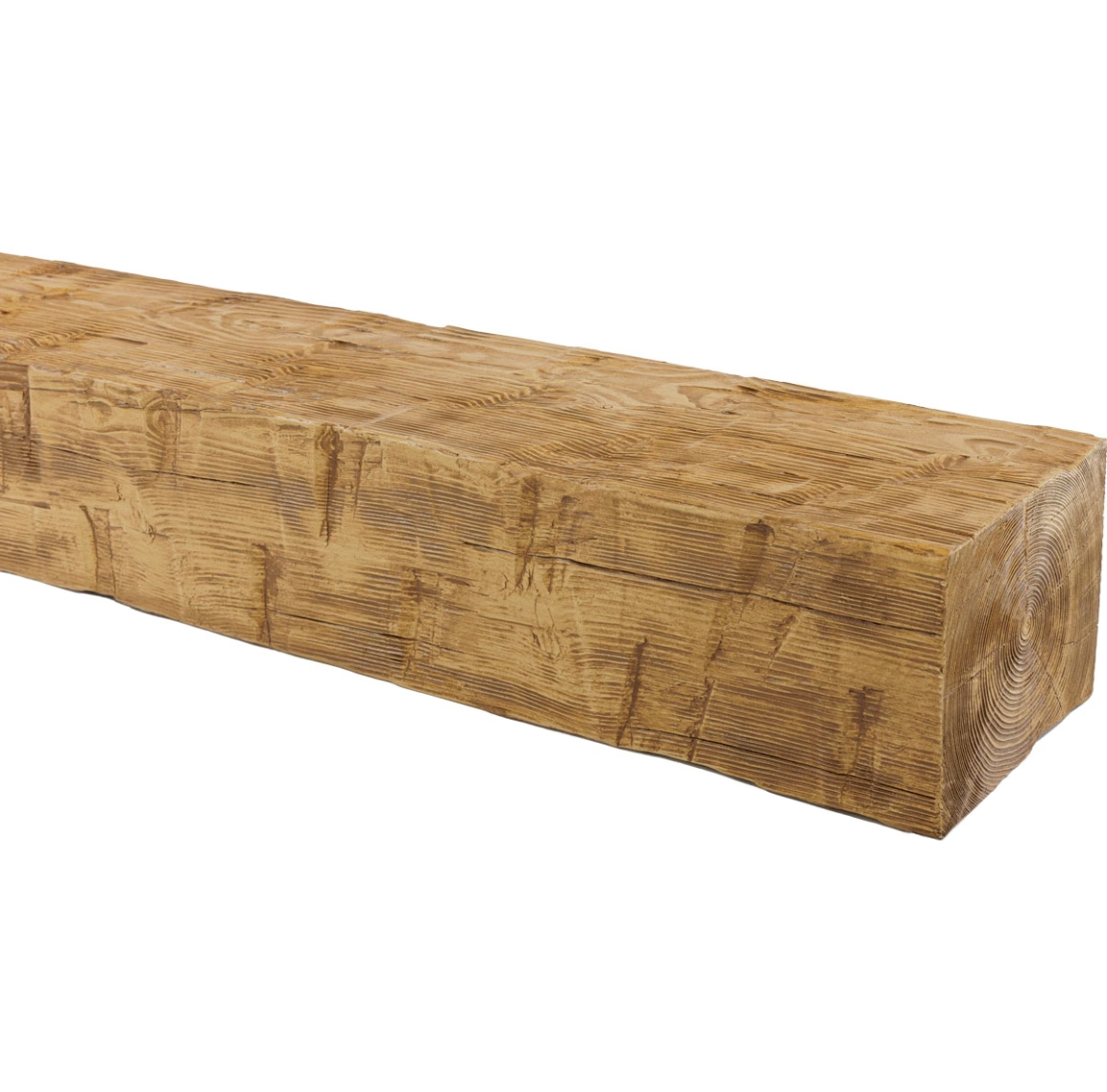
The molding process used to create polyurethane beams allows extraordinary design flexibility. Beyond authentic wood grain textures, manufacturers can produce beams with weathered, distressed, or hand-hewn surfaces that would require extensive labor to achieve in natural timber. Color options range from pale ash tones through rich walnut and ebony finishes, all applied uniformly and consistently.
Profiles available include traditional rectangular beams, more elaborate box beams, and decorative accent pieces like corbels and braces. This variety allows designers to achieve specific aesthetic goals without the constraints imposed by available lumber dimensions or the expense of custom milling.
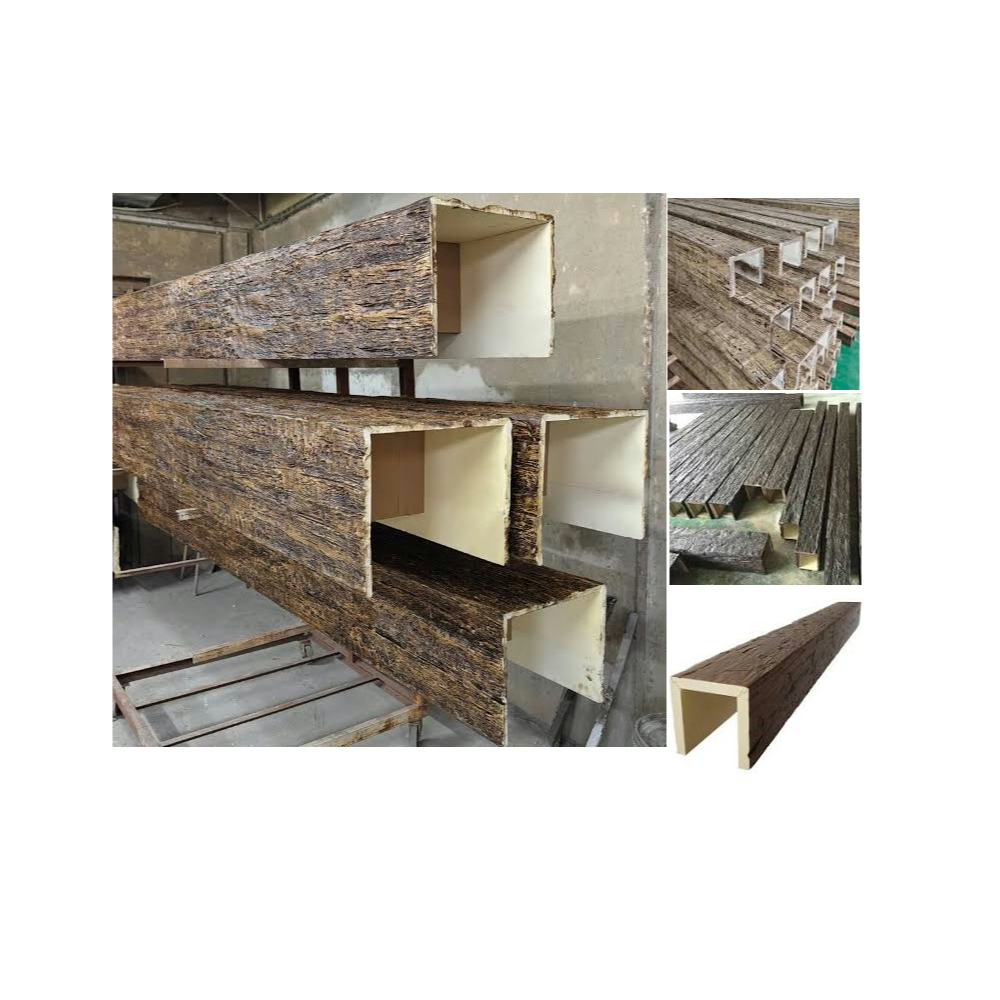
The ability to create hollow beams further expands possibilities. These lightweight sections can accommodate concealed wiring for lighting or audiovisual systems, eliminate the need for structural support in purely decorative applications, and reduce transportation and handling costs. The hollow construction maintains realistic exterior appearances while offering practical advantages impossible with solid wood.
Environmental Considerations
Modern polyurethane formulations increasingly incorporate recycled content, reducing their environmental footprint. The material's longevity also contributes to sustainability—fewer replacements mean fewer resources consumed over time. Additionally, because polyurethane beams eliminate the need for chemical wood preservatives, they avoid introducing potentially harmful substances into the environment.
At end of life, polyurethane beams can sometimes be recycled into other products, though recycling infrastructure varies by region. The material's durability, however, means that most installations will outlast the buildings they inhabit, reducing the urgency of end-of-life considerations during the specification process.
For projects pursuing green building certifications, polyurethane faux beams may contribute toward credits related to material longevity, reduced maintenance resources, and sustainable manufacturing practices. Documentation requirements vary by certification system, but manufacturers increasingly provide environmental product declarations supporting these claims.
Making the Specification Decision
Choosing exterior beams involves balancing aesthetic goals, performance requirements, budget constraints, and long-term maintenance considerations. For projects prioritizing authentic wood appearance with minimal upkeep, polyurethane faux beams merit serious evaluation. Their rot-proof nature, dimensional stability, and installation advantages make them suitable for virtually any covered exterior application.
Working with established manufacturers ensures access to quality products, appropriate finishes, and technical guidance throughout the specification and installation process. Detailed product literature, installation guidelines, and warranty coverage provide confidence that the selected beams will perform as expected for decades of service.
Technical References
ASTM standards cited in every specification
Test Data
Lab results from internal testing program
Updated 2026
Reviewed against current product specs