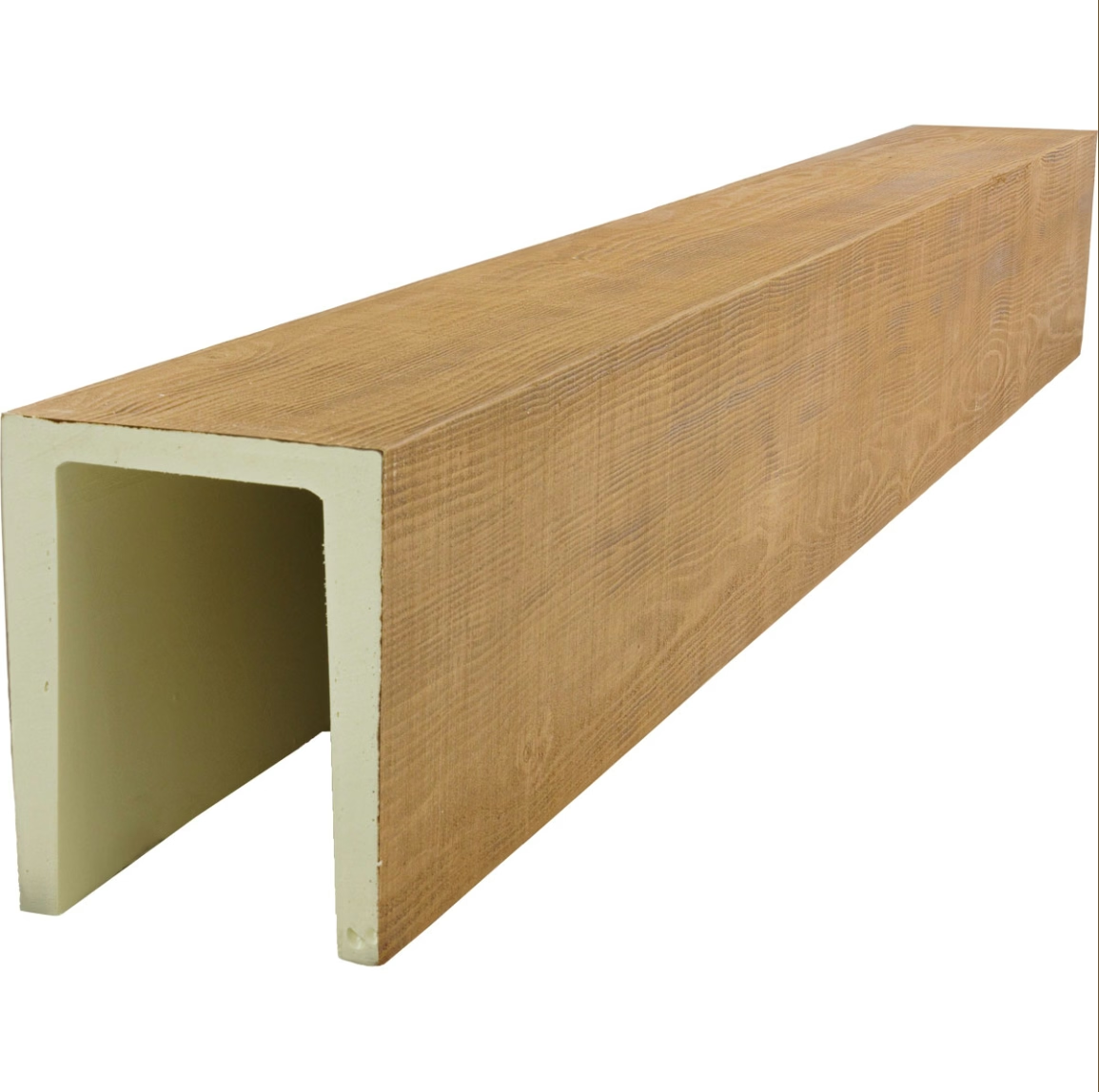
Interior spaces present their own challenges for wood elements, even when protected from direct weather exposure. Humidity fluctuations, plumbing leaks, cooking steam, and everyday moisture can gradually affect natural timber. Over years and decades, these factors contribute to degradation that homeowners discover only when problems become visible. Polyurethane faux beams sidestep these concerns entirely, offering beauty that persists indefinitely with essentially zero maintenance.
The appeal of beams in interior design extends beyond aesthetics. Ceiling beams can visually define spaces, lower perceived ceiling heights, and introduce warmth that makes rooms feel more inviting. Whether covering exposed structural joists or purely decorative installations, beams add architectural interest that enhances property values and homeowner satisfaction. Polyurethane versions deliver these benefits without the hidden vulnerabilities of natural materials.
Moisture Threats to Interior Wood
While interior spaces lack direct rain exposure, they face ongoing humidity challenges that affect natural wood over time. Bathrooms generate substantial steam during showers and baths. Kitchens release moisture from cooking and dishwashing. Even living areas experience humidity swings as heating and cooling systems cycle. These variations cause natural wood to absorb and release moisture continuously.
The consequences accumulate gradually. Wood fibers swell when wet and shrink when dry, creating internal stresses that eventually manifest as checks, splits, or warping. Organic material within the wood provides sustenance for mold and mildew when conditions favor their growth. Over decades, these processes progressively degrade both appearance and structural integrity.

How Polyurethane Eliminates Moisture Problems
Polyurethane's closed-cell structure makes it fundamentally impervious to moisture infiltration. Water cannot penetrate the surface regardless of ambient humidity or occasional splashing. This characteristic means polyurethane faux beams will never swell, warp, check, or develop the soft spots associated with wood decay. They maintain their original dimensions and appearance indefinitely.
The material also resists the biological factors that cause wood deterioration. No nutrients exist within polyurethane to support mold, mildew, or bacterial growth. Even if surfaces become wet repeatedly, no degradation will occur. This resistance proves particularly valuable in kitchens, bathrooms, and basement spaces where moisture challenges are most severe.
Temperature fluctuations within interior environments also fail to affect polyurethane adversely. The material expands and contracts minimally with temperature changes, avoiding the stress cycles that eventually crack natural wood. Whether installed in a climate-controlled penthouse or a seasonally heated cabin, polyurethane beams remain stable and secure.
Longevity That Justifies Investment
When homeowners invest in quality interior finishes, they reasonably expect those finishes to maintain their appearance for years to come. Natural wood beams often disappoint in this regard, developing patinas, discoloration, or surface degradation that diminishes their initial appeal. Polyurethane beams, by contrast, preserve their factory-fresh appearance throughout their service life.
This longevity has practical implications beyond aesthetics. In commercial settings such as restaurants, hotels, and retail spaces, finishes that deteriorate require expensive remediation. Staff disruption, customer inconvenience, and reputation effects accompany maintenance projects that polyurethane installations would have avoided entirely. The initial material premium frequently proves economical when total ownership costs are considered.
Residential applications benefit similarly. Homeowners investing in renovation projects expect results that enhance their living environments for years or decades. Polyurethane beams support these expectations by maintaining their appearance without attention or intervention. No periodic sealing, staining, or refinishing interrupts household routines or requires professional services.
Installation Advantages for Interior Projects
Interior beam installations often occur in finished spaces where construction disruption must be minimized. Polyurethane's light weight simplifies handling in these contexts—beams can often be installed by single workers without the equipment or assistance required for natural timber of similar visual impact. This portability proves especially valuable in upper-floor applications where stairs or elevators constrain material movement.
The workability of polyurethane further facilitates interior installation. Standard woodworking tools cut, drill, and fasten the material without specialized equipment. Adhesives bond reliably for secure attachment. Unlike natural wood, polyurethane won't split or crack during fastening, simplifying attachment to existing structures. These characteristics reduce installation time and the likelihood of on-site complications.
Dimensional consistency represents another practical advantage. Natural wood beams vary in thickness, width, and straightness, requiring sorting, selection, and sometimes on-site planing to achieve uniform appearance. Polyurethane beams arrive with consistent dimensions throughout, ensuring predictable installation results and eliminating the need for material rejection or substitution.

Matching Interior Design Schemes
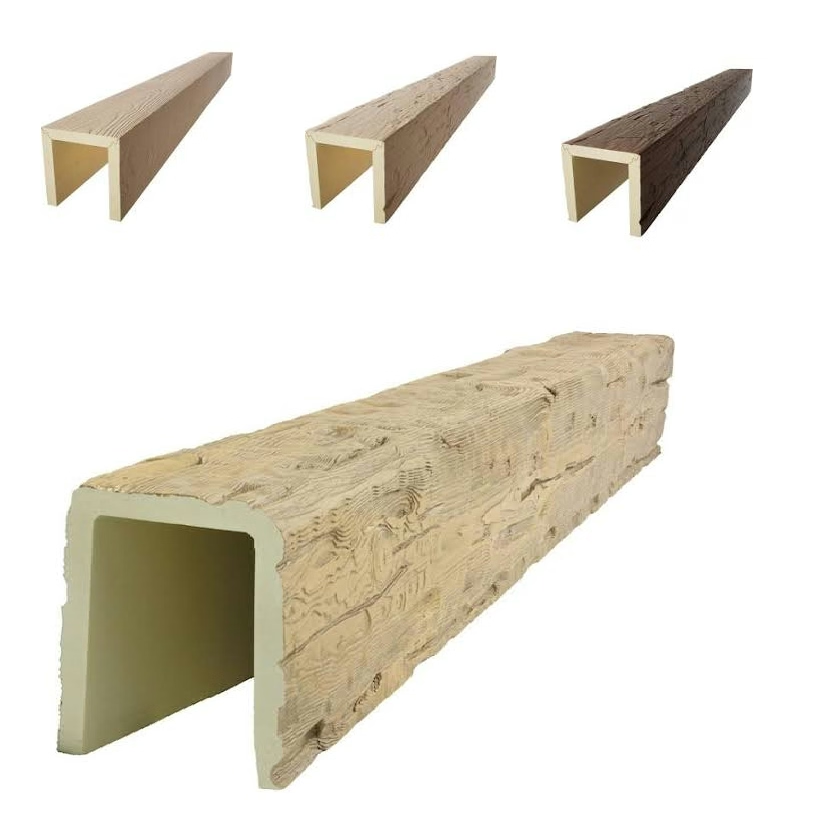
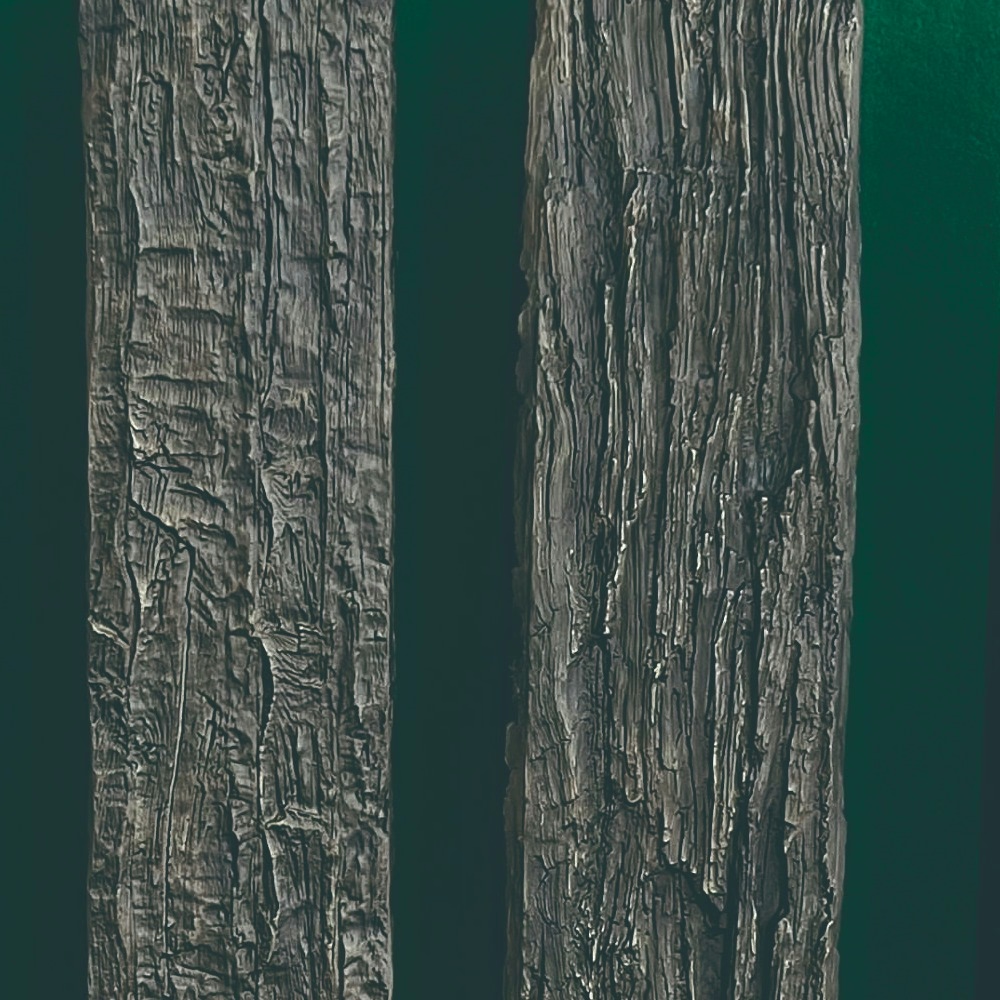
Contemporary manufacturing techniques enable polyurethane beams to achieve remarkably authentic wood appearances. Advanced molds capture genuine wood grain patterns, knot formations, and surface textures with fidelity that rivals natural material. Finishing processes apply colors and sheens that complement various design palettes, from light Scandinavian schemes to rich traditional interiors.
The ability to customize appearance without customizing materials expands design possibilities. Beams can be specified in dimensions, profiles, and finishes that suit specific projects without the minimum order quantities or extended lead times often required for custom-milled natural wood. This flexibility encourages architectural experimentation and supports distinctive design visions.
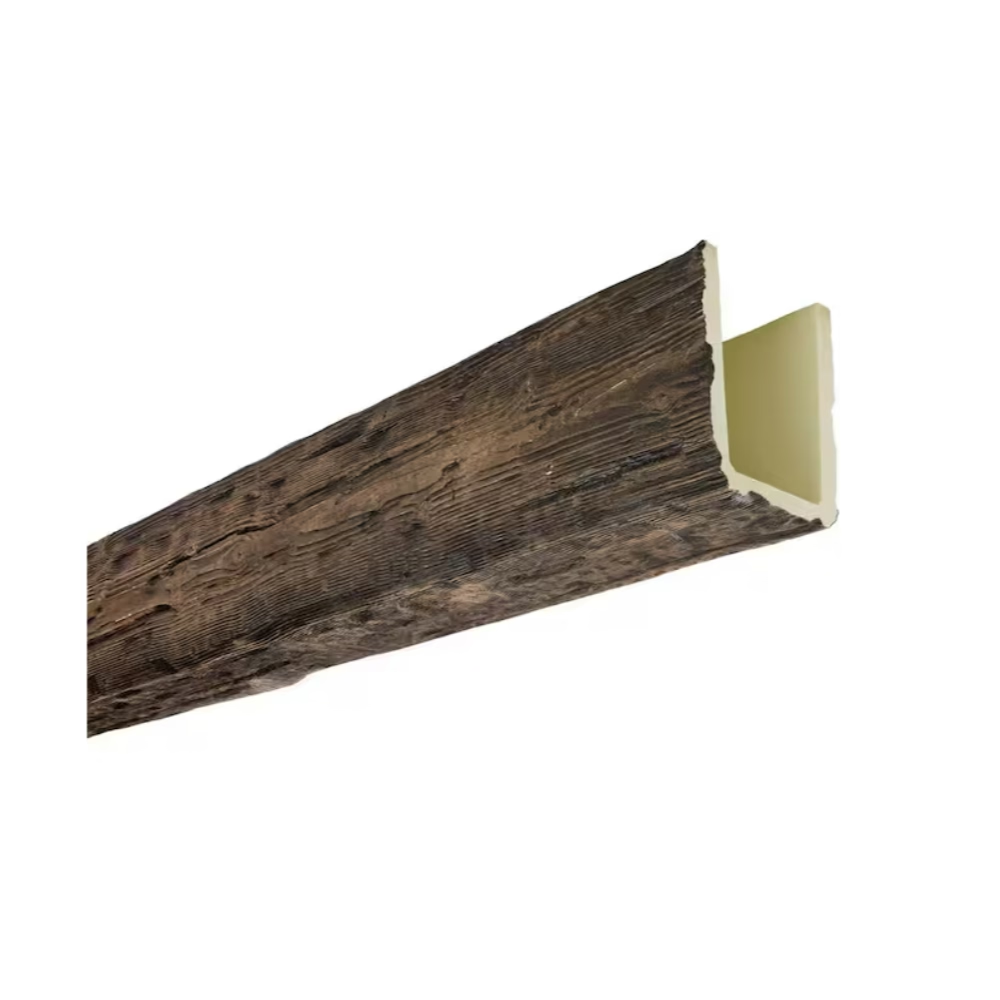
Textured surfaces range from smooth, refined finishes appropriate for contemporary spaces through rough-hewn, distressed appearances that evoke rustic heritage. The selection available ensures that polyurethane beams can enhance traditional farmhouses and modern minimalist interiors alike. Multiple finish options within each texture category further expand possibilities.
Health and Indoor Air Quality Considerations
Interior materials increasingly face scrutiny regarding their effects on indoor air quality. Polyurethane beams offer advantages in this regard—they don't harbor dust, allergens, or biological contaminants that can accumulate on natural wood surfaces. Cleaning requires only occasional dusting or light wiping, without specialized treatments or equipment.
The closed-cell structure that provides moisture resistance also prevents the absorption of cooking grease, cooking odors, or other airborne contaminants that can permanently affect natural wood. In kitchen applications, this characteristic maintains clean appearance despite the challenging environment. In living areas, it preserves the beams' original coloration and character.
Modern polyurethane formulations used in quality faux beams meet strict environmental and health standards. Low-VOC manufacturing processes and finished products ensure that beams contribute minimally to indoor air pollution. Documentation regarding material composition and testing provides transparency for health-conscious consumers and projects pursuing indoor air quality certifications.
Cost Analysis and Value Proposition
Evaluating interior beam options requires examining both initial costs and lifetime expenses. Polyurethane beams typically cost more upfront than dimensional lumber but less than premium hardwoods or custom-milled timbers. The comparison shifts dramatically when lifetime costs enter the analysis—polyurethane's maintenance-free service contrasts with the periodic refinishing or eventual replacement that natural wood requires.
Installation labor differences often favor polyurethane as well. Natural wood beams may require multiple workers for safe handling, specialized equipment for positioning, and extended installation times due to weight and irregularity. Polyurethane's light weight and consistent dimensions reduce these requirements, potentially offsetting some or all of the material cost premium.
For projects where interior beams represent significant architectural features—exposed ceiling installations in entryways, great rooms, or commercial lobbies—the value proposition becomes even clearer. These prominent applications demand quality materials and craftsmanship; polyurethane's combination of authentic appearance and lasting performance justifies the investment.
Selecting Appropriate Products
Not all polyurethane faux beams offer equivalent quality or longevity. Specifications should address density, impact resistance, surface durability, and finish quality. Products from established manufacturers typically provide documentation of performance characteristics and warranty coverage that reflects confidence in material durability.
Profile selection affects both appearance and installation requirements. Solid beams offer maximum durability and mounting flexibility. Hollow beams reduce weight and cost while remaining suitable for most decorative applications. The choice depends on specific project requirements, budget constraints, and aesthetic preferences.
Finish selection should consider both initial appearance and long-term maintenance. Factory-applied finishes typically offer superior durability and consistency compared to field-applied coatings. Color and texture choices should complement overall design schemes while accounting for lighting conditions in the target space.
Technical References
ASTM standards cited in every specification
Test Data
Lab results from internal testing program
Updated 2026
Reviewed against current product specs