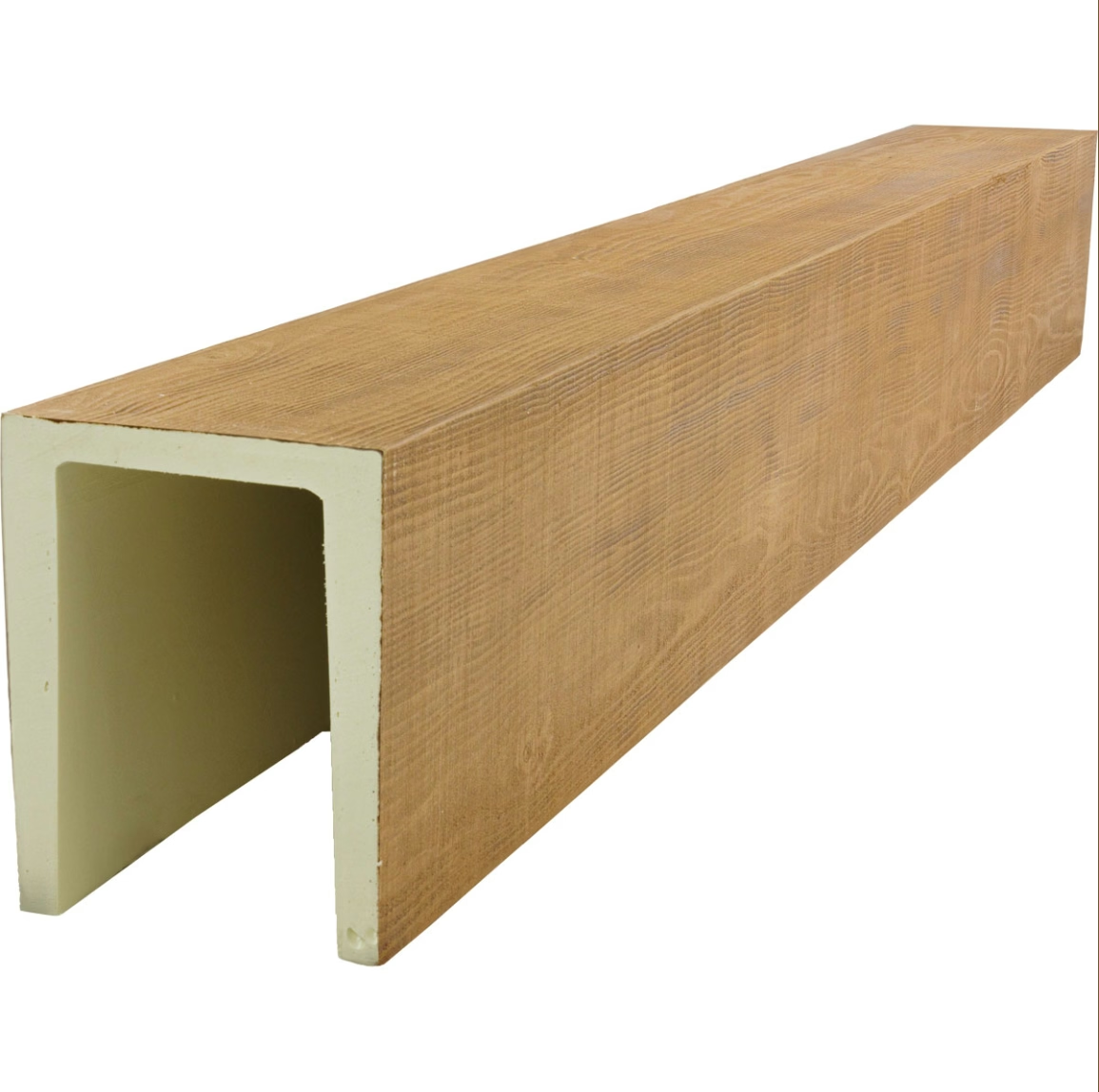
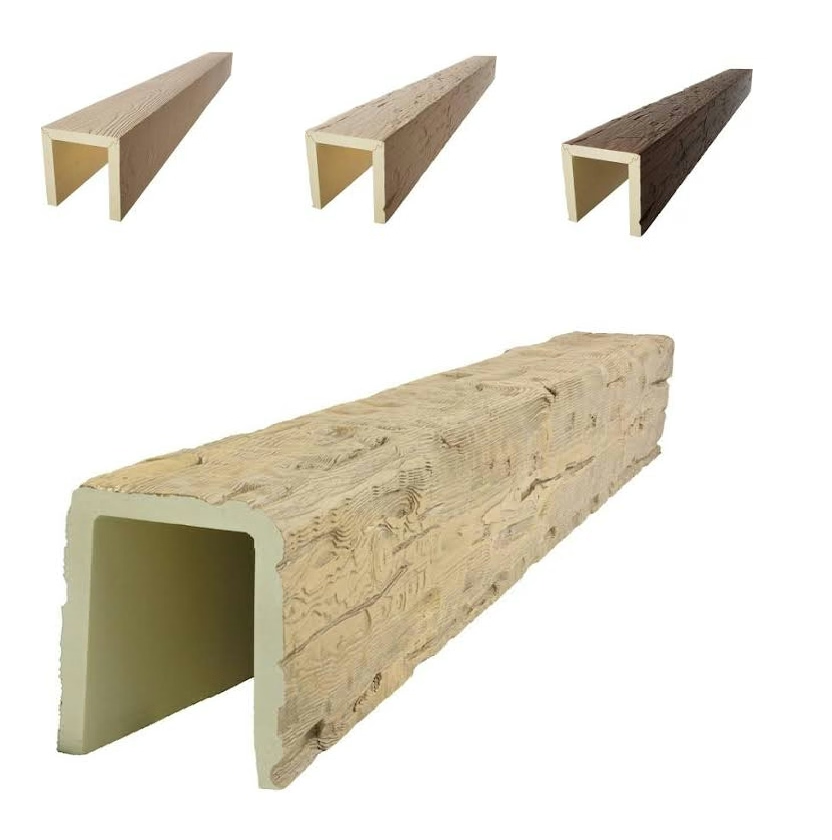
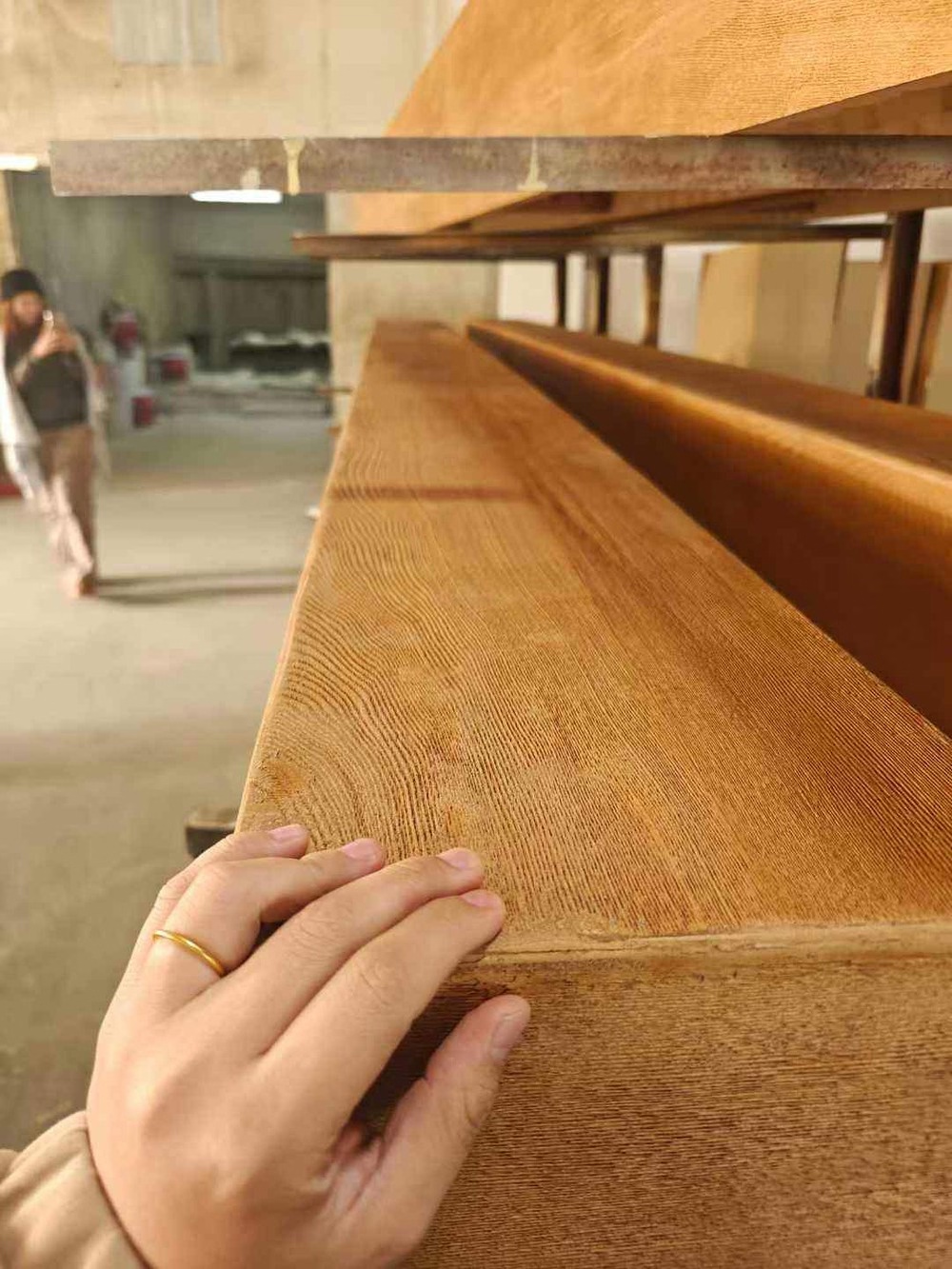
The appeal of wood beams in architecture never fades. Generations of builders have recognized what these elements contribute: visual warmth, structural character, and the organic authenticity that only natural materials provide. Yet the practical limitations of authentic timber—weight, cost, maintenance demands, and vulnerability to environmental factors—have always constrained their applications. Modern polyurethane faux beams dissolve these constraints while preserving what makes wood beams desirable in the first place.
The concept of faux beams is hardly new. Plaster and papier-mâché versions have decorated ceilings for centuries. What distinguishes contemporary polyurethane products is the fidelity with which they reproduce wood's appearance and the performance characteristics that make them suitable for applications where earlier alternatives would fail. Today's faux beams might better be termed "wood-composite alternatives" given how effectively they deliver wood's benefits while avoiding its limitations.
Understanding What Makes Beams Valuable
Before comparing alternatives, it helps to articulate what wood beams actually contribute to buildings. Visual warmth and texture come immediately to mind—wood surfaces engage the eye with grain patterns, color variations, and tactile qualities that synthetic materials historically failed to match. The organic irregularity of natural wood creates visual interest that uniform manufactured surfaces cannot replicate.
Architectural character represents another significant contribution. Wood beams introduce scale and rhythm to ceiling planes, define spatial boundaries within open plans, and create visual anchors for furniture arrangements. These effects influence how spaces feel and function, often more significantly than the actual structural contributions of the beams themselves.
Material authenticity matters in ways that resist quantification. Occupants and visitors sense the difference between genuine materials and convincing simulations, even when they cannot articulate the distinction. This authenticity contributes to perceived quality and creates emotional responses that affect how spaces are experienced.

Where Natural Wood Falls Short
Despite its desirable qualities, natural wood presents genuine challenges in many applications. Weight limitations restrict beam spans and require structural support that adds construction cost. Dimensional instability causes seasonal movement that may crack adjacent finishes or create gaps. Vulnerability to moisture, insects, and decay creates maintenance requirements and limits applications.
Cost volatility affects wood availability and pricing, sometimes dramatically. Specialty timbers—those with distinctive grain patterns, sizes, or characteristics—command premiums that make ambitious design approaches prohibitively expensive. Supply constraints may delay projects or force compromises in material selection.
Environmental concerns increasingly affect wood specification. Unsustainable harvesting practices damage ecosystems; long-distance transportation consumes resources; chemical treatments raise health questions. Projects pursuing green building certifications may find certified wood difficult to source or limited in availability.
These practical limitations do not eliminate wood's value but do restrict its applications. For many design goals, an alternative that avoids these constraints while preserving wood's aesthetic contributions would prove more suitable than authentic timber.
Polyurethane's Performance Advantages
Polyurethane faux beams address every practical limitation that restricts natural wood applications. The material weighs a fraction of equivalent wood sections—typically one-tenth to one-fifth depending on density. This dramatic weight reduction eliminates structural limitations, simplifies installation, and reduces shipping costs. Beams can span distances that wood could not support without intermediate bearing.
Dimensional stability characterizes polyurethane regardless of humidity conditions. The material neither absorbs moisture nor releases it, avoiding the swelling, shrinking, and movement that affect natural wood. Adjacent finishes remain undisturbed; gaps never appear between beams and surrounding surfaces; mounting systems experience no cyclical stress from dimensional change.
The rot-proof nature of polyurethane eliminates decay concerns entirely. No moisture absorption, no fungal growth, no structural degradation over time. These properties expand the range of appropriate applications into environments—pools, spas, exterior locations, humid climates—where natural wood would eventually fail.
Insect resistance comes naturally to polyurethane. Termites and other wood-boring pests ignore the material entirely, eliminating a significant concern in many geographic regions. This resistance removes the need for chemical treatments or special construction details that wood installations sometimes require.
Aesthetic Fidelity in Modern Products
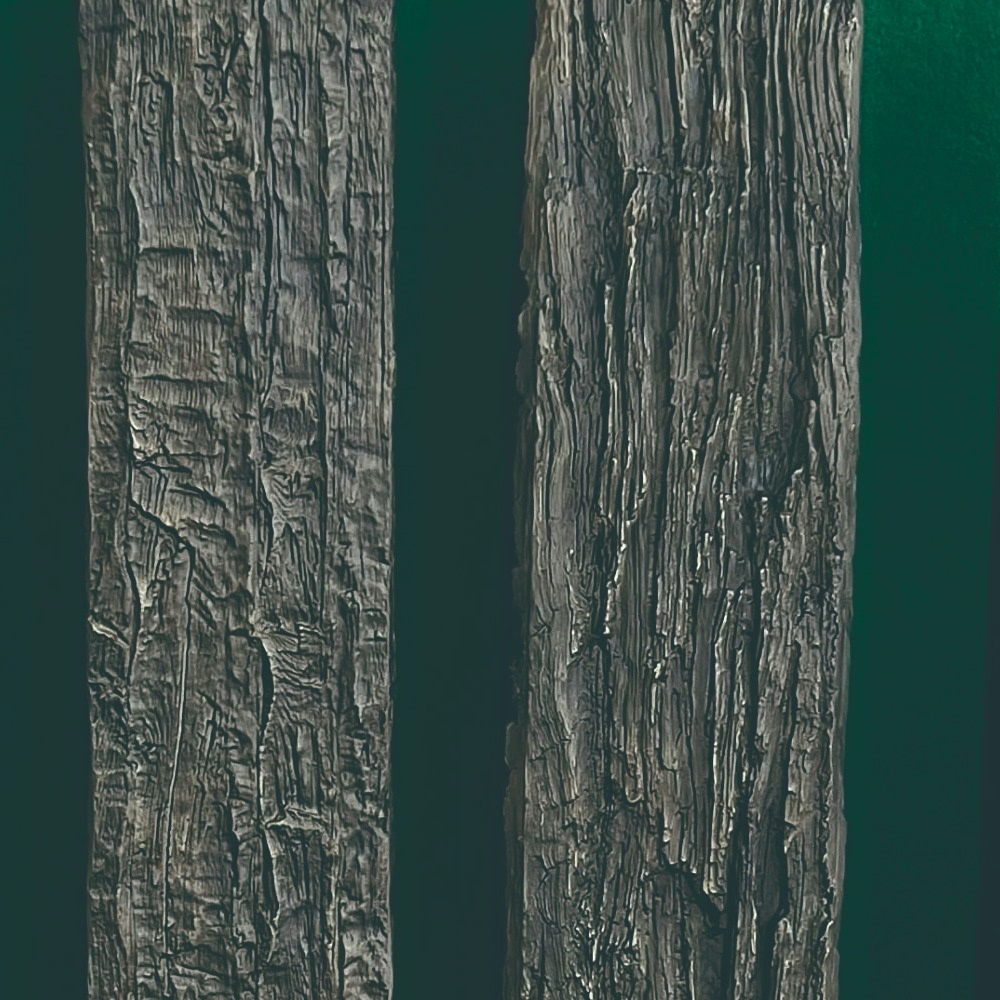
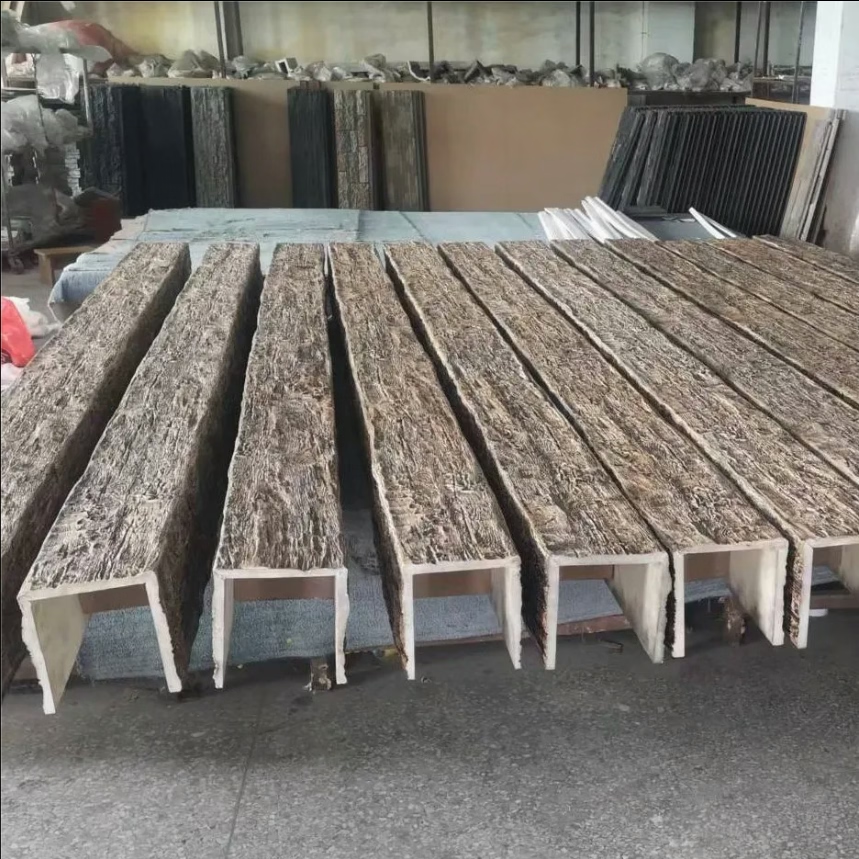
Contemporary manufacturing techniques achieve wood reproductions that fool even experienced observers. Advanced molding processes capture genuine wood surfaces with remarkable fidelity—the grain patterns, knot formations, and surface textures that create wood's character transfer into polyurethane with precision. Color application techniques produce finishes indistinguishable from stained or painted natural wood.
The consistency of manufactured products actually offers advantages in some respects. Natural wood varies between pieces—color differences, grain variations, and minor defects require sorting and selection to achieve uniform installations. Polyurethane beams arrive matching specifications exactly, ensuring predictable appearance throughout the project.
Textural variety available spans the full range of wood aesthetics. Smooth, refined surfaces suit contemporary interiors. Light wire-brushing introduces subtle texture. Heavy distressing creates the appearance of aged, weathered timber. Hand-hewn surfaces evoke historic construction methods. Each option delivers consistent, repeatable appearance that natural wood cannot guarantee.
Profile flexibility further expands possibilities. While natural wood availability constrains dimensions to lumber sizes and milling capabilities, polyurethane can be molded to any practical profile. Extra-wide beams, non-standard proportions, intricate edge details—all achievable without the expense of custom milling or the uncertainty of searching for unusual natural timber.

Installation Efficiency and Cost Savings
The weight advantage of polyurethane translates directly into installation efficiencies. Natural wood beams of substantial appearance may require multiple workers, mechanical equipment, or specialized techniques for positioning and attachment. Polyurethane beams of equivalent visual impact can often be installed by single workers without equipment beyond basic hand tools.
Dimensional consistency simplifies installation planning and execution. Natural wood beams vary in thickness, width, and straightness; installers must accommodate these variations through shimming, notching, or selective placement. Polyurethane beams arrive true to specifications, allowing precise installation without surprises.
Faster installation reduces labor costs substantially. When a project budget includes installation labor, the efficiency advantages of polyurethane frequently offset higher material costs. Combined with reduced structural requirements due to lighter weight, the total installed cost often favors polyurethane over natural wood for equivalent visual results.
Reduced finishing requirements also streamline installations. Natural wood beams often require on-site staining, sealing, or distressing to achieve desired appearances. Polyurethane beams arrive ready for installation with factory-applied finishes that would be difficult or impossible to replicate on-site.
Environmental Considerations
Modern perspectives on material selection increasingly consider environmental impacts beyond initial extraction. Polyurethane faux beams offer several environmental advantages compared to natural wood. The manufacturing process produces consistent, predictable products without the waste associated with milling irregular natural timber. Off-cuts and production residuals can often be recycled into new products.
The longevity of polyurethane beams reduces replacement frequency, decreasing cumulative resource consumption over building lifespans. Natural wood beams in demanding applications may require replacement after fifteen to twenty years; polyurethane installations commonly outlast the buildings they occupy.
Manufacturing advances increasingly incorporate recycled content into polyurethane formulations. Post-industrial and post-consumer recycled materials find applications in beam production, reducing virgin material requirements. Documentation of recycled content supports green building certification requirements.
The transportation advantages of lighter weight contribute to reduced fuel consumption and emissions during shipping. For projects distant from timber sources, this advantage becomes more significant. Combined with dimensional stability that eliminates shipping-related moisture concerns, polyurethane often presents a smaller transportation footprint than equivalent natural wood.
Matching Specific Design Requirements
The versatility of polyurethane faux beams accommodates diverse design requirements. Traditional architecture benefits from beams with authentic antique appearances—reproduction of reclaimed timber, weathered surfaces, and period-appropriate details. Contemporary design approaches specify smooth profiles, clean lines, and refined finishes that natural wood rarely achieves consistently.
Commercial projects requiring uniform appearance across extensive installations find polyurethane's consistency advantageous. Restaurant chains, hotel brands, and retail chains often specify beams for multiple locations; manufactured consistency ensures brand identity translates predictably across projects.
Renovation projects with limited structural capacity benefit from lightweight polyurethane beams that existing structures can support. Historic buildings where weight limitations prevent authentic timber installation can still achieve wood aesthetics through lighter alternatives.
Making the Alternative Choice
Selecting between natural wood and polyurethane faux beams requires evaluating specific project requirements, constraints, and priorities. For applications where authentic material is essential—historic preservation, specific sustainability certifications, client preferences for genuine materials—natural wood remains appropriate despite its limitations.
For projects prioritizing aesthetics, durability, maintenance, and total cost of ownership, polyurethane faux beams often represent the superior choice. The combination of authentic appearance, rot-proof performance, and installation efficiency addresses practical concerns that limit natural wood's suitability.
Working with experienced suppliers helps ensure appropriate product selection and successful outcomes. Detailed specifications, installation guidance, and warranty coverage provide confidence that selected beams will achieve intended results. The ideal alternative performs so effectively that observers never suspect anything but authentic timber.
Technical References
ASTM standards cited in every specification
Test Data
Lab results from internal testing program
Updated 2026
Reviewed against current product specs