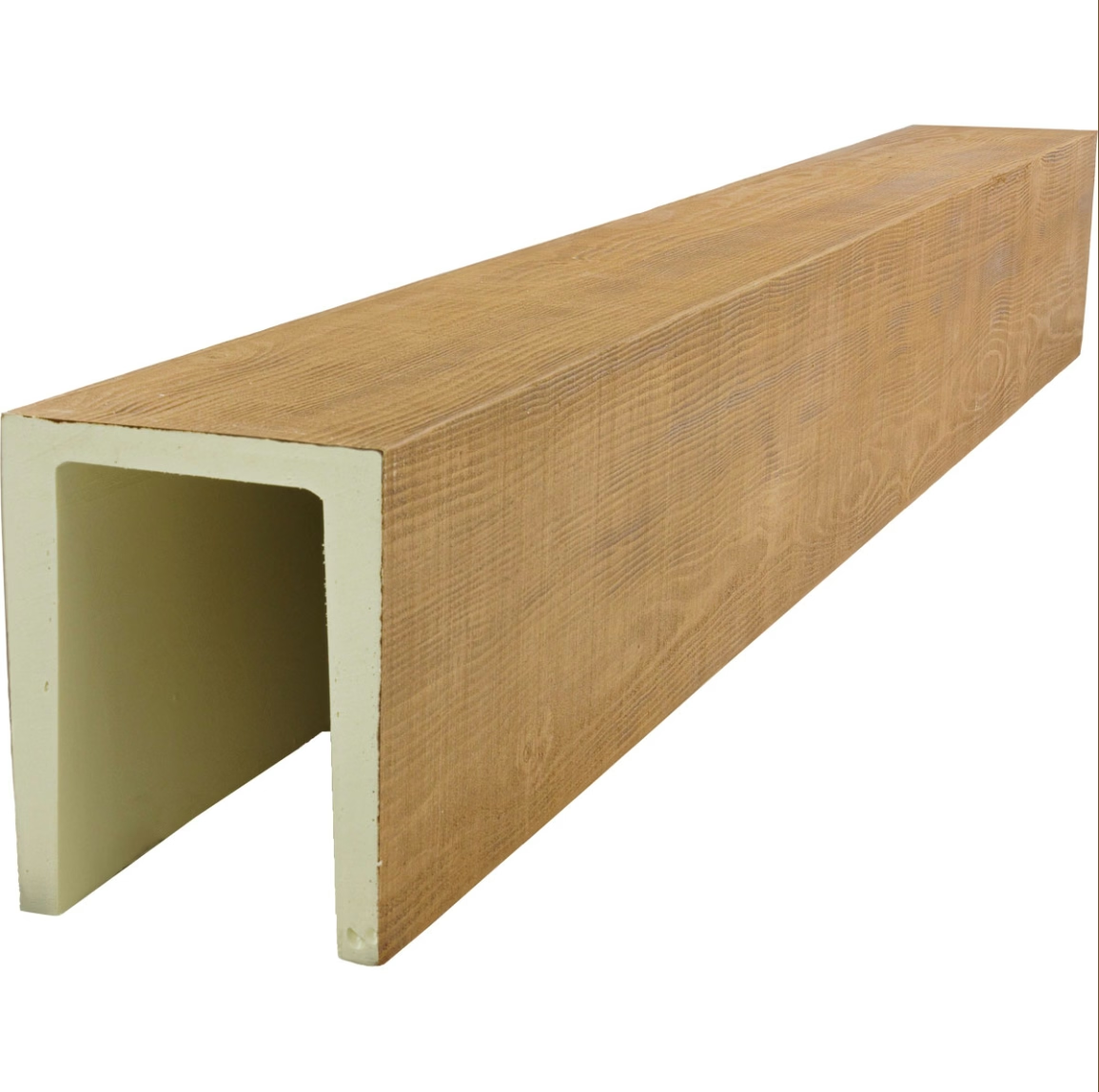
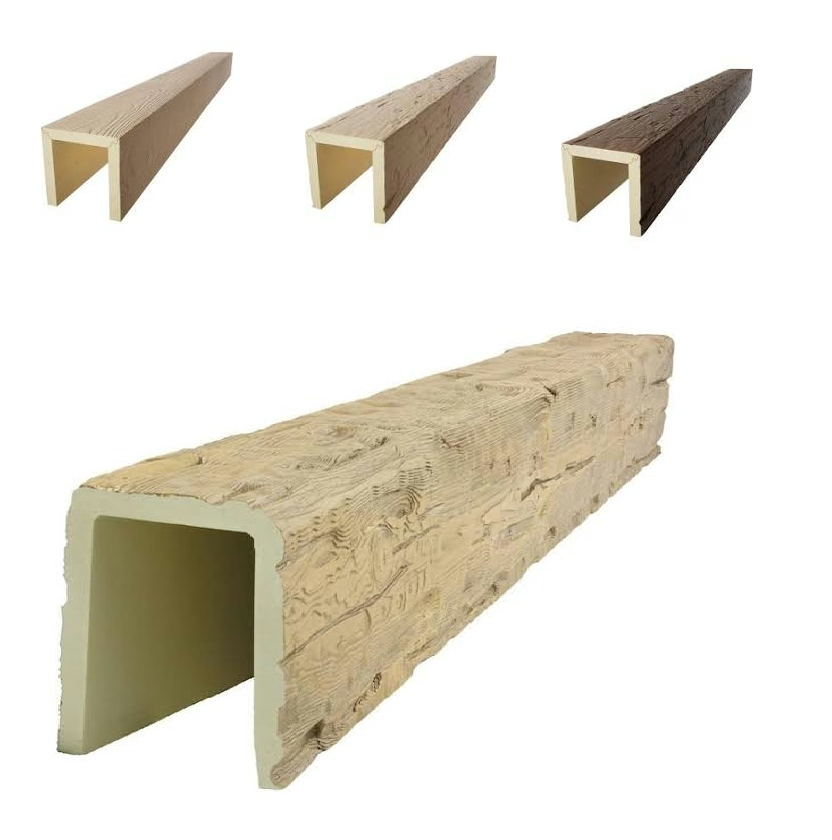
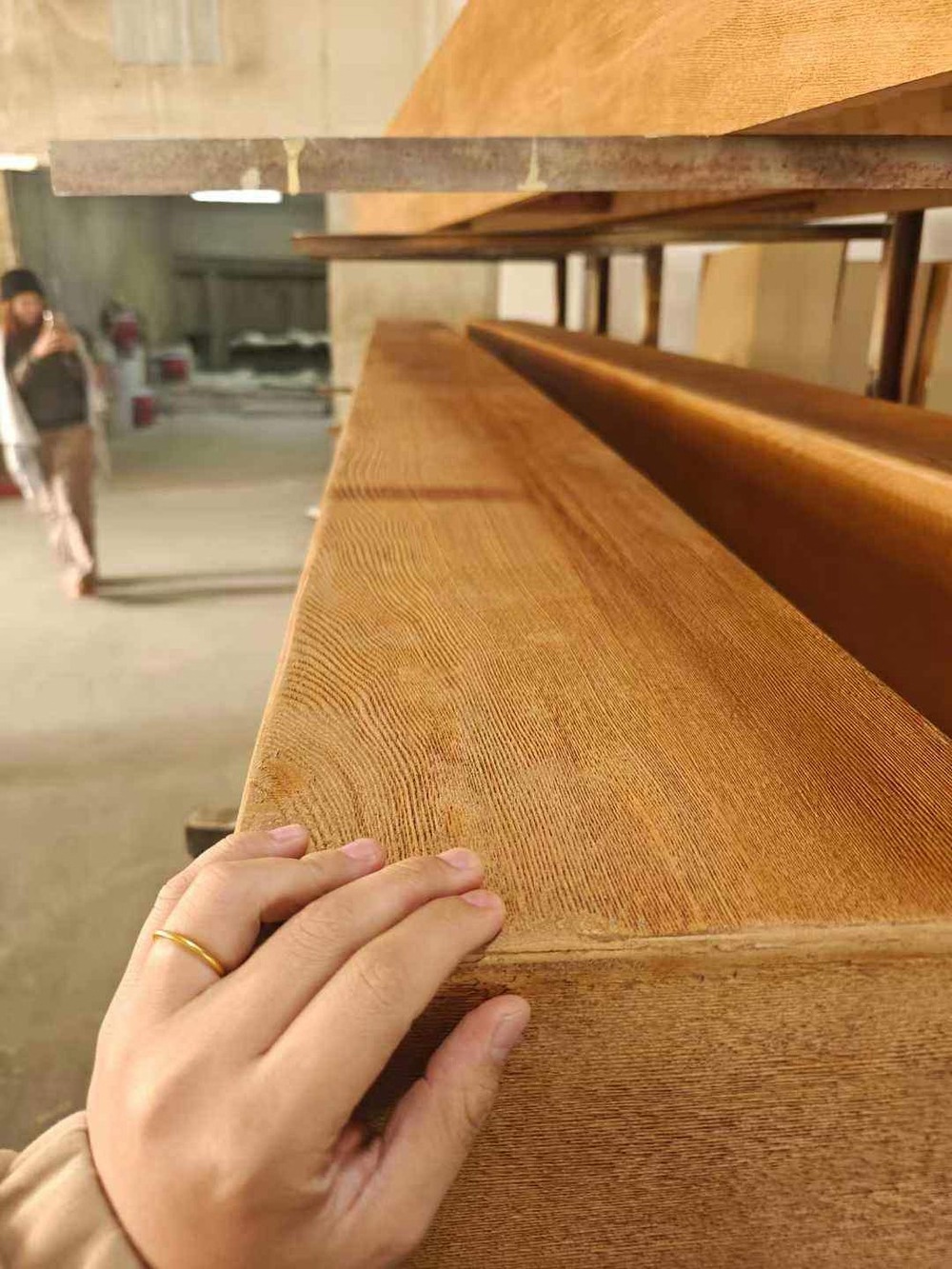
Wood grain tells stories that smooth surfaces cannot. Each pattern records the tree's growth—drought years that compressed rings, abundant seasons that expanded diameter, pruning by wind or neighbor that changed grain angles. Rough-sawn surfaces preserve these records visibly, inviting observation and creating visual interest that refined surfaces lack. Polyurethane faux beams featuring rough-sawn wood grain bring these organic narratives into contemporary interiors without the practical complications that natural wood presents.
The appeal of visible wood grain extends beyond aesthetics to deeper psychological resonance. Humans have evolved in environments where wood was primary construction material. The recognition of wood grain may tap into innate responses that create comfort and connection. Whatever the underlying mechanisms, wood-grain surfaces consistently register as warm, authentic, and inviting in ways that manufactured surfaces rarely achieve.
The Story Wood Grain Tells
Every genuine wood surface presents unique patterns that cannot be exactly replicated. Growth rings record annual cycles; medullary rays create distinctive figures in certain cuts; knots mark former branch locations. These features vary between species, between trees of the same species, and between boards from the same tree. This variation creates visual interest that uniform surfaces cannot provide.
The roughness of saw-textured surfaces adds another dimension to wood's visual character. Traditional sawmill processes cut across grain with circular or band saws, creating marks that parallel the grain direction. These marks catch light differently at different angles, creating subtle shimmers as observers move through spaces. The texture also creates shadow patterns that enhance dimensional quality.
Understanding these characteristics helps specifiers communicate effectively with manufacturers about desired appearances. The specific species, cutting method, and surface preparation all affect the final appearance. Clear communication ensures that received products match expectations rather than requiring substitution or acceptance of mismatched materials.
Reproducing Authentic Grain Patterns
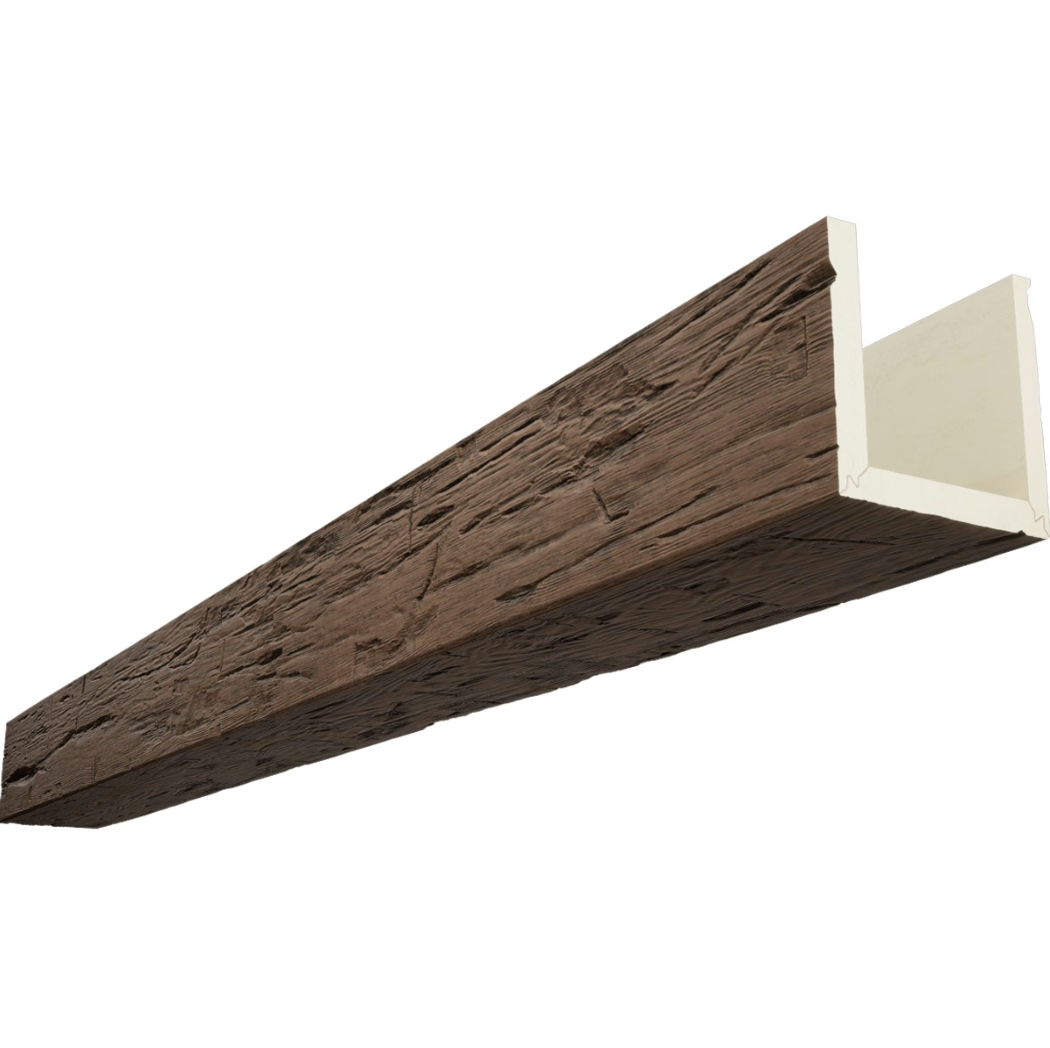
Modern polyurethane manufacturing achieves remarkable fidelity in wood grain reproduction. The process begins with careful selection of authentic wood surfaces to serve as pattern sources. Manufacturers choose boards that display the specific characteristics their products should feature—pronounced grain, interesting figure, appropriate color range, and compelling knot patterns.
Mold preparation captures every detail of the selected surfaces. Modern molding techniques preserve fine surface features that earlier processes might have lost. When polyurethane fills these molds, it faithfully reproduces the original surface characteristics. The resulting beams present textures that closely approximate natural wood appearance.
Finishing processes add coloration that enhances the convincing quality of reproduction. Multiple finish stages apply colorants in layers, creating depth and dimension that single-coat application cannot achieve. Knots receive appropriate darkening; grain patterns receive highlighting; overall coloration matches the warmth that natural wood displays. The cumulative effect creates beams that observers would likely mistake for natural wood.

Applications Across Interior Styles
Rough-sawn wood grain beams complement diverse interior design approaches. The organic authenticity they provide supports rustic and farmhouse aesthetics through material character alone. Contemporary spaces employ textured beams as contrasting elements that introduce warmth against smooth, refined surfaces. Traditional interiors incorporate textured beams as consistent elements that honor heritage building methods.
The key to successful integration lies in recognizing what each interior style requires from beam elements. Rustic applications benefit from pronounced texture and substantial grain patterns that read clearly from a distance. Contemporary applications may require more subtle texture that provides warmth without dominating minimalist compositions. Traditional applications should match the specific wood species and texture characteristics that period-appropriate design would feature.
Specifier guidance from manufacturers helps match products to applications. Product literature typically indicates the specific aesthetics each option provides—species reproduced, texture intensity, color range, and appropriate design contexts. This guidance enables confident selection without requiring extensive wood expertise.
Residential Living Space Applications
Living rooms gain substantial benefit from wood grain beam installations. The organic texture provides visual warmth that balances the functional surfaces—drywall, carpet, glass—that typical living spaces require. Beams crossing ceilings establish architectural framework; beams framing fireplaces create focal points; beams defining openings add character to transitions.
The durability of polyurethane proves valuable in family living spaces. Active households impose wear that affects natural wood surfaces; polyurethane resists the scratches, dents, and impacts that would mark natural material. This resilience maintains appearance quality despite the inevitable accidents that family life produces.
Open-plan living spaces benefit particularly from wood grain beams. The beams can define functional zones within large, open areas—distinguishing living, dining, and kitchen areas without requiring walls or dividers. The texture provides visual interest that prevents large ceiling expanses from feeling empty or institutional.
Commercial Space Applications
Retail environments increasingly employ wood grain beams as design elements that suggest artisanal character and handcrafted authenticity. The textured surfaces create visual interest that distinguishes retail spaces from competitors, supporting brand differentiation. Polyurethane's durability ensures that these aesthetic benefits persist despite heavy foot traffic and frequent cleaning.
Hospitality venues benefit similarly from wood grain beam installations. Hotel lobbies, restaurant dining rooms, and bar areas all gain warmth from textured beam elements. The maintenance-free nature of polyurethane proves valuable in contexts where appearance affects customer experience and revenue directly.
Office and co-working spaces employ wood grain beams to create welcoming atmospheres that support productivity and wellbeing. The organic character provides counterpoint to the computer screens, office furniture, and mechanical systems that typically dominate workspace environments.
Texture Depth and Visual Impact
The visual impact of wood grain beams depends significantly on surface texture depth. Subtle textures may disappear from typical viewing distances, providing warmth without obvious texture. Pronounced textures command attention and create substantial visual presence. Specifying appropriate texture depth for specific applications ensures that intended effects are achieved.
Mold quality determines achievable texture depth and fidelity. Premium manufacturers invest in detailed molds that capture fine surface features accurately. Budget products may sacrifice texture fidelity to reduce costs, resulting in beams that look obviously manufactured. The difference in cost between premium and budget products often reflects this quality difference accurately.
Installation orientation affects texture presentation as well. Beams oriented perpendicular to primary light sources display shadows that emphasize texture depth. Beams parallel to light sources may appear flatter despite identical surface characteristics. Planning beam orientation relative to windows and fixtures ensures optimal texture presentation.

Finishing Options and Color Coordination
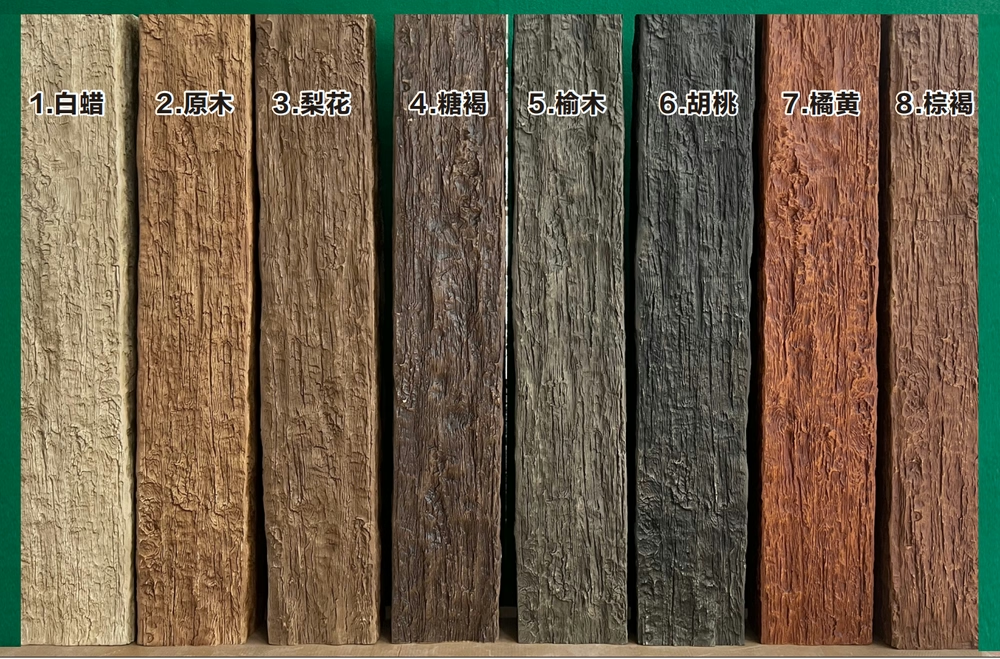
Polyurethane wood grain beams are available in various finish options that support different interior color schemes. Natural wood tones—honey, amber, golden brown—warm neutral walls and complement warm lighting. Gray-toned options suit contemporary spaces with cooler palettes. Stained darker options can match existing wood elements in renovation projects.
Custom color matching may be available for projects requiring specific color coordination. Manufacturer capabilities vary; some offer custom finishing that matches existing materials or achieves specific design visions. Lead times and minimum orders typically accompany custom finishing options.
Sample evaluation helps ensure color satisfaction before full specification. Requesting samples allows comparison against actual project conditions—existing finishes, lighting, adjacent materials. This evaluation prevents costly mistakes that full installation without prior approval might produce.
Installation Practices for Wood Grain Beams
Successful installation of wood grain beams requires attention to both structural and aesthetic considerations. Structural requirements ensure secure attachment that will remain stable throughout the beam's service life. Aesthetic considerations ensure that installation methods do not diminish the convincing quality of wood grain reproduction.
Mechanical fastening provides reliable attachment for most applications. The material accepts standard fasteners without splitting or cracking, simplifying the attachment process. Adhesive addition distributes loads and provides backup security, particularly valuable for ceiling installations where gravity creates constant downward force.
Concealed mounting systems maintain authentic appearance by hiding fasteners from view. Various mounting approaches—blocking systems, hanging straps, adhesive backing—provide options suitable for different beam sizes and mounting conditions. Manufacturer guidance helps select appropriate mounting methods.
Lifecycle Value Assessment
Evaluating wood grain beam options requires considering total lifecycle costs rather than initial prices alone. Polyurethane beams typically cost more than dimensional lumber upfront but provide advantages that affect lifetime expenses. Maintenance requirements for natural wood—finishing, repair, eventual replacement—incur costs that polyurethane avoids entirely.
The consistent appearance quality that polyurethane provides offers value beyond direct cost savings. Spaces with deteriorating wood elements feel dated and neglected regardless of other design qualities. Beams that maintain fresh appearance contribute positively to space character throughout their service life.
Warranty coverage provides additional confidence in polyurethane investment. Quality manufacturers back their products with warranties that reflect expected service life—typically many years or decades. Documenting warranty terms during specification ensures that coverage remains accessible throughout the coverage period.
Technical References
ASTM standards cited in every specification
Test Data
Lab results from internal testing program
Updated 2026
Reviewed against current product specs