The engineering of faux wood beams has evolved significantly as manufacturers learned what customers need and what production methods can achieve. Early faux beams were often solid foam or solid fiberglass—functional but heavy and sometimes fragile. Modern hollow shell construction represents the current state of the art, providing the best combination of authentic appearance, practical weight, and installation simplicity. Understanding this construction method helps homeowners and professionals select beams that perform reliably through years of use.

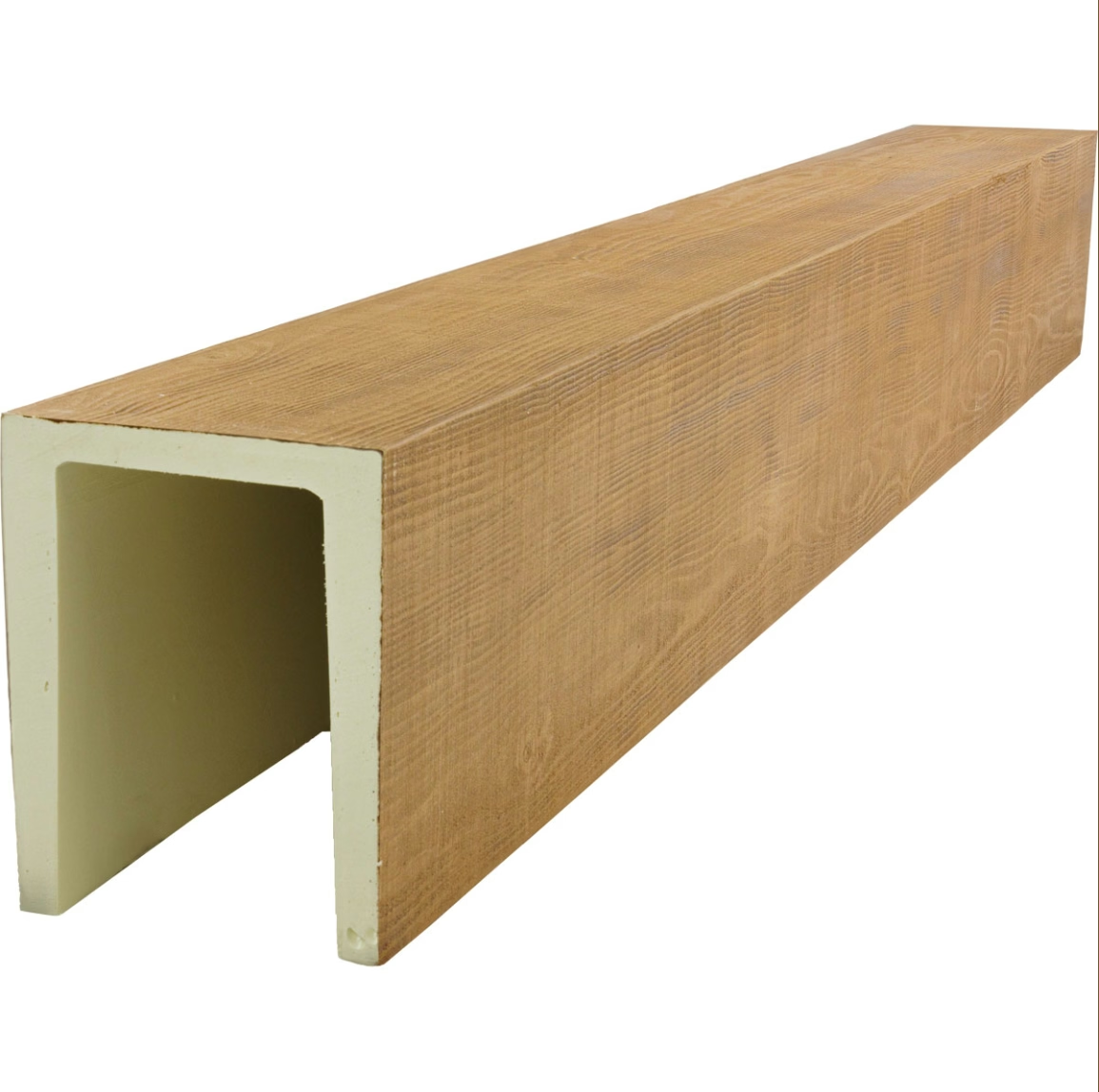
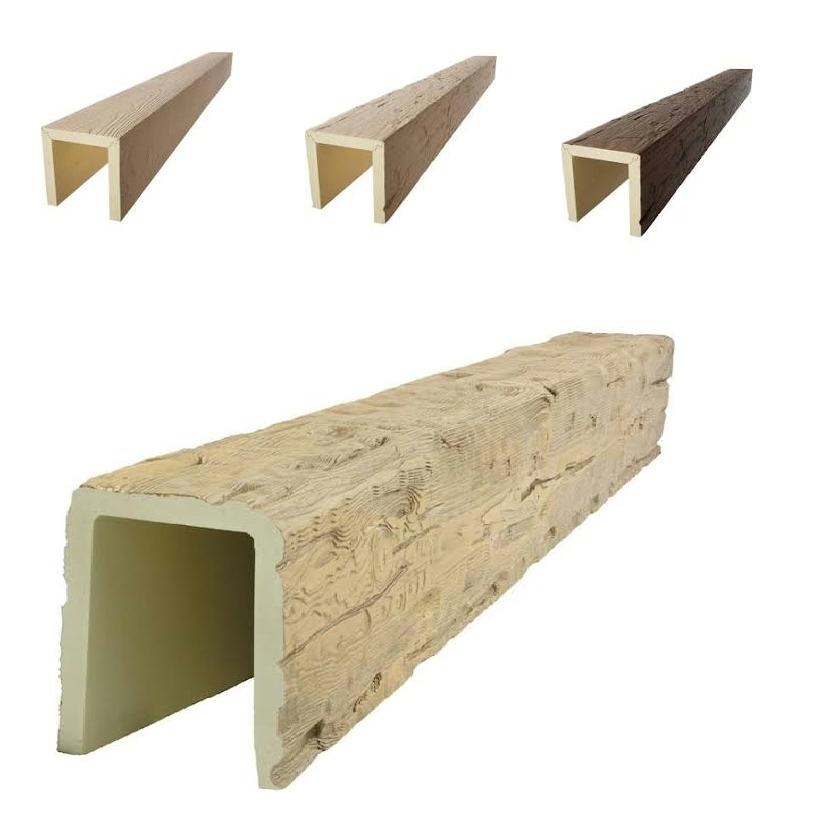
Hollow shell construction utilizes exterior shells of polyurethane or polyurethane composite that capture the detailed textures and wood-grain patterns customers expect. These shells are typically three-eighths to half-inch thick—sufficient to reproduce authentic wood character while minimizing weight. The interior remains hollow, reducing material costs and, more importantly, reducing installation weight dramatically. A twelve-foot hollow beam might weigh thirty pounds where an equivalent solid foam beam would weigh ninety pounds or more.
The manufacturing process for hollow shell beams involves molds that capture every detail of authentic timber. Surface textures—saw marks, grain patterns, weathering effects—reproduce with remarkable accuracy. The mold process ensures consistency from beam to beam, eliminating the variations that characterize genuine timber and that can make matching challenging. Knot patterns that look randomly distributed actually follow statistical distributions that skilled mold designers incorporate for authentic appearance.
Weight savings from hollow construction translate directly to installation advantages. Solid beams of substantial size may require two or three people to maneuver into position. Hollow beams can often be installed by a single person with appropriate mounting hardware. The reduced weight also decreases stress on ceiling structures, potentially eliminating the reinforcement that heavy solid beams would require. This structural relief simplifies installation and may reduce overall project costs when structural work becomes unnecessary.

Structural considerations for hollow beams differ from solid alternatives. The exterior shell provides the visual surface and must be sufficiently rigid to maintain shape under normal conditions. Quality manufacturers reinforce critical areas—mounting points, joint locations, corner transitions—with additional material that prevents damage during installation and use. The hollow interior can accommodate mounting hardware, electrical wiring, or structural support members where projects require these elements.
Mounting methods for hollow beams have been refined specifically to address this construction type. Hidden bracket systems slide into interior channels, providing secure attachment points that remain invisible from normal viewing angles. Surface mounting plates bolt through beam walls into ceiling framing. End plates cover joint connections where beams meet or terminate. These specialized mounting solutions ensure that hollow beams install as securely as solid alternatives while maintaining the clean, authentic appearance that customers expect.
The acoustic properties of hollow beams differ from solid timber in ways that some installers appreciate. Hollow construction tends to be more resonant—a tap produces a hollow sound rather than the solid thunk of genuine timber. This acoustic difference rarely matters in residential applications where beams serve primarily visual purposes. In commercial settings where acoustics matter more, manufacturers can provide interior acoustic dampening as an option, though this adds cost and complexity.
Durability of quality hollow beams matches or exceeds solid alternatives. The exterior polyurethane shell resists impact damage, moisture absorption, and insect activity that can affect genuine timber. Unlike solid foam beams that might dent or crush under concentrated load, hollow shell construction distributes forces through the structural geometry of the shell. Quality assurance testing ensures that beams meet load requirements for their intended applications.
The cost advantages of hollow shell construction benefit both manufacturers and customers. Reduced material requirements lower production costs. Easier shipping and handling reduce distribution expenses. Simpler installation reduces labor costs for professional installation. These savings pass to customers through more accessible pricing. The result is that authentic-looking wood beam ceilings become achievable for broader audiences who might find solid timber or solid-foam alternatives cost-prohibitive.
Technical References
ASTM standards cited in every specification
Test Data
Lab results from internal testing program
Updated 2026
Reviewed against current product specs